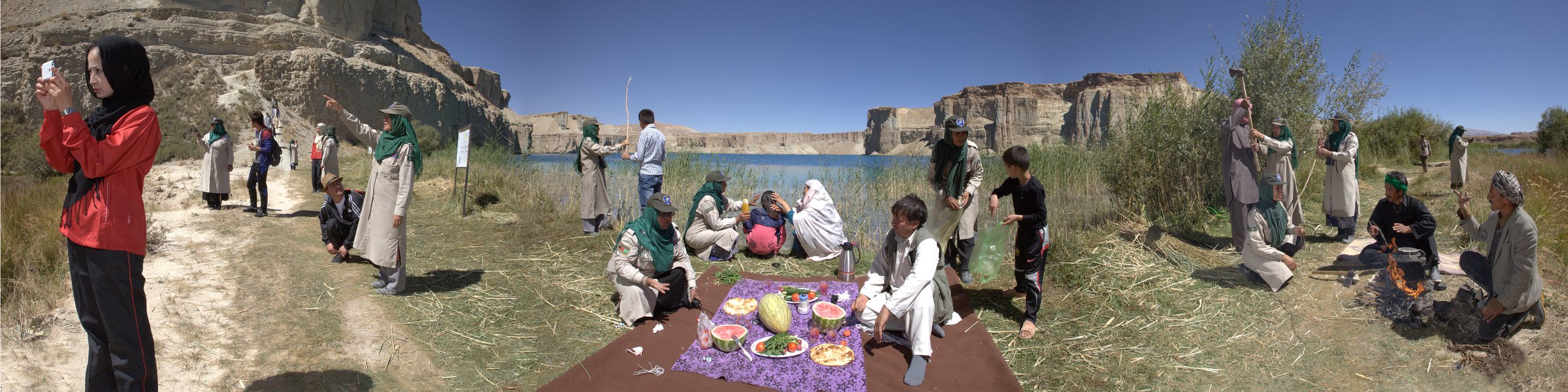
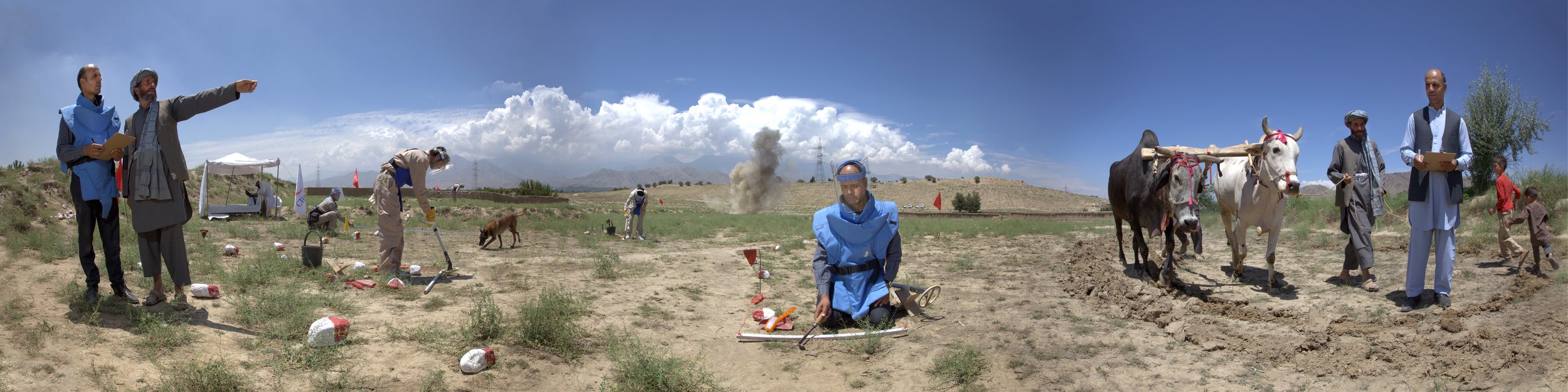
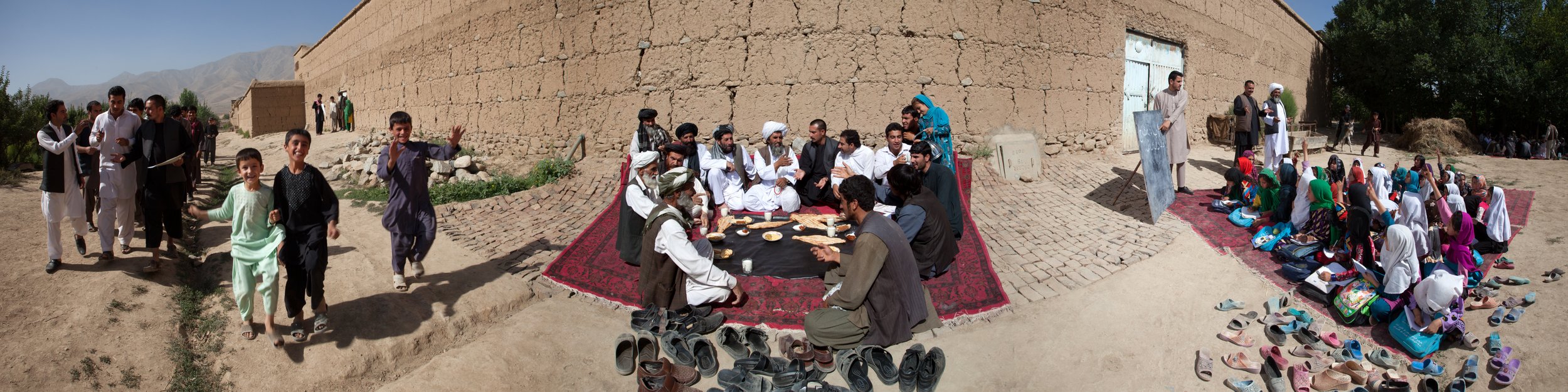

Making a Difference
Afghan youth civic leadership through UN summer camp programs
Across the provinces of Afghanistan, a generation of teenagers is learning what it means to serve their neighbours, voice their ideas, and hold local institutions to account. The United Nations, working alongside Afghan civil society partners, has spent more than a decade turning the idea of youth leadership into a hands-on experience through summer camp programs that blend civic education, peer dialogue, and practical volunteering.
These camps sit at the intersection of two urgent concerns: rebuilding social trust after decades of conflict, and giving young Afghans the tools to participate in decisions that shape their own communities. They are modest in scale compared with the country's larger humanitarian needs, yet their long-term impact is quietly visible in the young women and men who return home and begin organising neighbourhood clean-ups, literacy classes, and peace clubs in districts where such activity was once unthinkable.
Roots of a long partnership
The United Nations presence in Afghanistan dates back to 1948, when the country's first UN office opened in Kabul. What began as a small liaison mission has grown into a multi-agency effort covering humanitarian assistance, education, health, and governance. Within that broader mandate, a recurring question has been how to ensure Afghan youth are not merely the recipients of international aid but active shapers of their own future.
Civic leadership programs were piloted in the late 2000s, initially as small weekend gatherings for university students in Kabul, Herat, and Mazar-i-Sharif. They drew on methodologies familiar to UN volunteer networks worldwide, but the curriculum was adapted in close consultation with Afghan educators, religious leaders, and women's rights groups. By the early 2010s, the model had expanded into multi-week residential camps, often held in the relatively calmer months of summer when schools closed and rural families could spare older children to travel.
The strategic logic behind these camps reflects a broader shift in how international bodies think about youth engagement. Rather than treating young people as a vulnerable demographic in need of protection, the programs position them as stakeholders with the right to be consulted and the capacity to lead. This reframing echoes efforts seen in places as different as post-apartheid South Africa and the reconciliation initiatives of Timor-Leste, where peer-led civic education proved more durable than top-down institutional reform.
Inside the camp curriculum
A typical UN-supported summer camp brings together between sixty and one hundred twenty participants aged roughly fifteen to twenty-two. Participants are selected through a combination of school nominations, community referrals, and open applications, with deliberate efforts to balance gender, ethnic background, and provincial origin. In many years, more than a third of attendees travel from districts outside the host province, an arrangement that builds friendships across the ethnic and linguistic lines that have historically divided Afghan communities.
The daily schedule combines workshops on rights and responsibilities, public speaking, project planning, and conflict resolution. Facilitators use participatory theatre, debate formats, and small-group mapping exercises rather than traditional lectures. A recurring exercise asks participants to identify a local problem, map the stakeholders involved, draft a realistic intervention plan, and present it to a panel of community elders and officials. This kind of experiential learning has parallels in Australian tertiary settings, where institutions such as the University of Melbourne and the University of Sydney increasingly use scenario learning and community placements to prepare students for civic life.
Evening sessions often include cultural exchange, with poetry readings, traditional music, and film screenings from different provinces. Many participants describe these moments as the most transformative, because they encounter peers whose lived realities differ sharply from their own. For young women in particular, the camps have provided one of the few spaces in which they can speak openly with male peers about politics, faith, and public service without the rigid chaperoning that often accompanies mixed gatherings.
Stories from the campfires
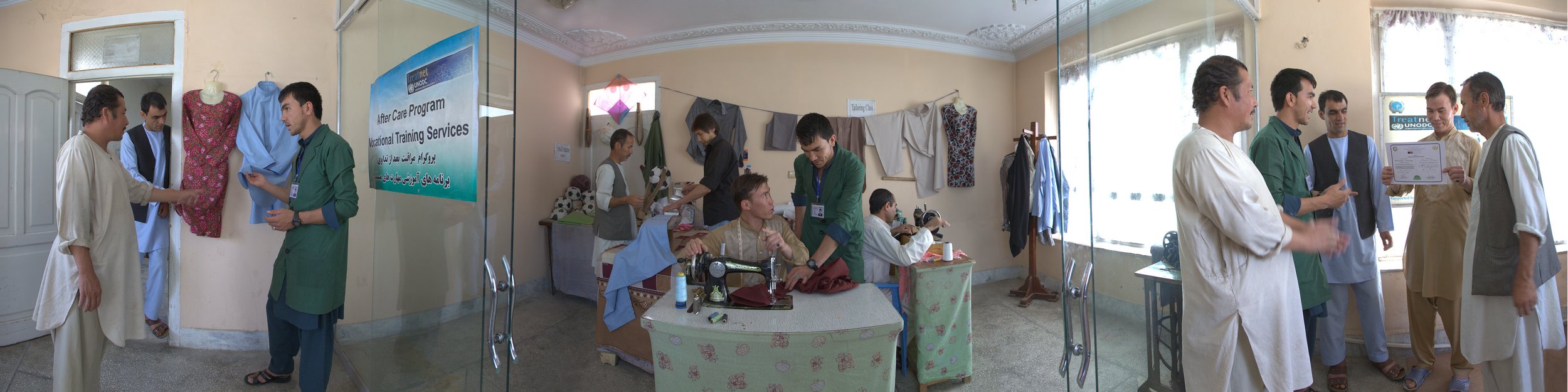
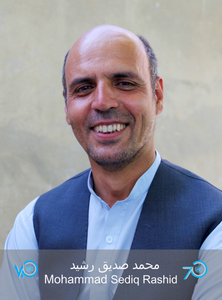
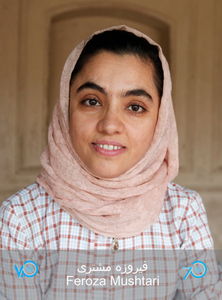
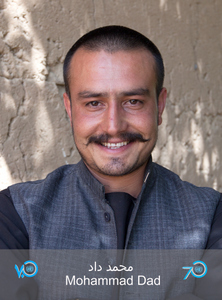
The names attached to the program are less important than the trajectories of those who passed through it. In Kandahar, a former participant now runs a small enterprise that trains women in basic tailoring and financial literacy, using the workshop design she first encountered at camp. In Balkh, two former campers co-founded a youth radio station that broadcasts short civic education segments in Dari and Uzbek. In the highlands of Bamyan, a group of alumni established a network of reading clubs for girls whose schools had been closed.
These stories have begun to circulate beyond Afghanistan. Diaspora organisations in Brisbane and Melbourne have invited alumni to speak at community forums, partly because Australian audiences are curious about the lived experience of Afghan communities they have read about in the news, and partly because local Afghan-Australian youth see strong parallels with their own experiences navigating multiple identities. The conversations that emerge are not always comfortable, but they are consistently frank, touching on gender, faith, displacement, and the practical meaning of citizenship.
Mental health has emerged as one of the most pressing concerns discussed by returning campers. Many young people carry grief, anxiety, or the long shadow of family trauma, and the UN system has had to expand the range of support it offers alongside civic programming. Recent reporting from UN Afghanistan has examined the wider Afghan mental health crisis, highlighting how counselling services, peer mentorship, and community-based psychosocial support are now woven into youth programming rather than treated as a separate domain.
Why Australia should pay attention
It is tempting to view Afghan civic education as geographically remote and therefore someone else's responsibility. Australians, including the country's sizeable Afghan diaspora, share more than a passing interest in how these programs unfold. Afghanistan sits within the broader Indo-Pacific neighbourhood that Australian foreign policy now routinely describes as the country's strategic backyard, and the human consequences of state fragility in the region are felt directly through migration patterns, humanitarian commitments, and trade relationships.
Australia's own multicultural policy framework, developed since the 1970s and tested through the arrival of communities from Vietnam, Lebanon, Somalia, Iraq, and Afghanistan, offers a useful comparison. The country's national anthem is now sung in dozens of languages at citizenship ceremonies, and civic education programs run by state governments and groups such as the Australian Multicultural Foundation have long grappled with the same question the UN camps address: how to turn newcomers into confident participants in local democracy. Australian readers who have watched the ANZAC Day dawn services in Gallipoli or who attend local multicultural festivals in Parramatta, Brisbane's Logan district, or Adelaide's western suburbs will recognise the slow, deliberate work of nation-building that happens through community ritual.
There are also practical lessons. The federal government's Australian Volunteers International program, the various state-level youth parliament schemes, and the growing network of university-led service learning initiatives all share DNA with the Afghan model. Studying what works and what does not in Kabul, Herat, and Jalalabad can sharpen Australian practice, particularly in remote Indigenous communities where youth-led development is increasingly championed through organisations such as the Australian Indigenous Leadership Centre.
From campfire to community project
A camp is only as useful as what happens when it ends. The most thoughtful programs therefore include a follow-up phase that runs for at least six months after the residential component. Returning participants receive small seed grants, mentorship from local civil society organisations, and access to a network of alumni who can advise on project planning, fundraising, and risk management.
The alumni network itself has become one of the program's quiet strengths. In several provinces, former campers have organised themselves into provincial chapters that meet monthly, share lessons learned, and pool small contributions to support each other's initiatives. The network has also served as an informal early warning system, alerting UN partners to emerging local issues before they escalate. In one documented case, an alumni chapter in Daikundi province identified rising tensions over water access between two villages and worked with local elders to convene a mediation process that prevented a violent confrontation.
The approach has begun to influence how other international youth programs are designed. Practitioners from Pakistan, Tajikistan, and the Kyrgyz Republic have visited the Afghan camps to study the model, and exchanges have taken place with youth organisations in Indonesia and Timor-Leste. Within Australia, the Australian Youth Climate Coalition and similar bodies have shown that peer-led advocacy can translate small beginnings into national influence, an experience that resonates with what the Afghan alumni are attempting at the provincial level.
Sustaining the momentum
Sustaining civic momentum in a fragile context is harder than launching it. Funding cycles shift, security conditions change, and political transitions can disrupt carefully built relationships. The UN's commitment to continuity has been tested repeatedly, and yet the program has continued in some form across multiple political cycles, supported by a coalition of UN agencies, donor governments, and Afghan civil society partners who refuse to treat youth engagement as discretionary.
The current moment brings fresh uncertainty, with aid budgets under pressure and many international partners recalibrating their engagement. Yet the demand for civic education among Afghan teenagers has not diminished, and the alumni network continues to function as a kind of underground infrastructure of local leadership. For the program to survive, the UN will need predictable funding, flexible delivery models, and the patience to work at the slow pace that meaningful civic change actually requires.
For readers who want to follow this work more closely, the UN Afghanistan website offers a steady stream of updates, photographs, and personal stories from participants. Subscribing to its newsletter and following its social media feeds are practical ways to stay informed, share reliable information within Australian networks, and support the broader conversation about what civic leadership looks like in some of the world's most difficult settings. The young Afghans whose voices animate these pages deserve an audience beyond their own borders, and the rest of us have much to learn from the patience and determination they bring to the work of rebuilding their country.