
Making a Difference
Afghan youth arts and culture: UN grants for exhibitions
Afghan young people use painting, photography, film, music, craft, performance and digital media to describe their communities and preserve memories. Their creative work can document daily life, challenge stereotypes and connect generations. An exhibition gives these voices a public setting, allowing artists to present their ideas with dignity and invite wider discussion.
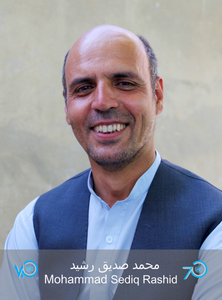
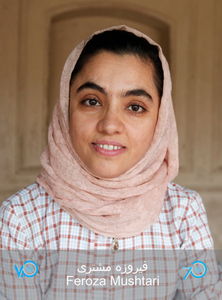
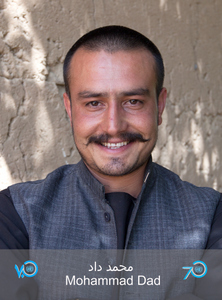
The United Nations has long worked with Afghan communities through humanitarian, development, human rights and cultural initiatives. The UN70 campaign, presented through the UN Afghanistan website under the message “Strong UN. Strong Afghanistan,” highlighted Afghan individuals and their contributions. Its stories offered a broader view of Afghanistan, showing people shaping their own communities rather than being defined only by crisis.
References to grants for exhibitions should be read carefully because the campaign website is an archived snapshot of a completed initiative. It is no longer an active grant portal, and information displayed there should not be treated as evidence of a current funding round. Still, the campaign provides a useful context for understanding why support for youth arts, cultural expression and public storytelling matters.
Why youth arts matter in Afghanistan
Arts participation can give young people a safe and constructive way to express experiences that are difficult to communicate through formal debate. A photograph of a neighborhood, a collection of oral histories, or a series of drawings about displacement may preserve details that official records overlook. Exhibitions help transform private creative work into shared community memory.
Afghan culture is diverse, with distinct languages, traditions, landscapes and artistic practices. Youth-led projects can bring these perspectives into the same public program without presenting Afghanistan as a single, uniform story. A well-curated exhibition might combine contemporary visual art with calligraphy, traditional textiles, documentary photography, short films or recorded testimony.
Cultural activity also supports skills development. Young participants learn how to research, edit, design, install and promote an exhibition. They may gain experience in project management, communications, archiving and community engagement. These skills are valuable beyond the arts, particularly when young people have limited access to formal employment or professional networks.
What exhibition grants can make possible
Small cultural grants can cover the practical costs that determine whether an exhibition moves from an idea to a public event. Artists may need materials, cameras, printing, translation, venue hire, transport, lighting, accessibility equipment and modest fees for curators or technicians. Funding can also support documentation so that the work remains available after the exhibition closes.
A strong proposal usually connects creative goals with a clear community purpose. The project might record women’s craft traditions, explore environmental change, document the experiences of internally displaced families, or present young artists working across several Afghan provinces. The subject should be specific enough to guide production while leaving room for participants to contribute their own perspectives.
Grant support should not impose an outside narrative on Afghan artists. International organizations can help create opportunities, provide technical assistance and connect local groups with resources, but the content and interpretation of the work should remain rooted in Afghan leadership. Local artists, educators, cultural workers and community representatives are best placed to identify appropriate themes and forms of presentation.
The UN partnership context
The UN Afghanistan platform presents the organization’s work alongside messages, photographs, news and links to media and social channels. Within that setting, an exhibition can be understood as part of a wider partnership with communities. The value of the activity lies in collaboration: listening to local priorities, supporting participation and making space for Afghan contributions.
The UN70 campaign’s emphasis on a “Strong UN. Strong Afghanistan.” relationship is relevant to arts programming because cultural projects depend on trust. A grant is most effective when it strengthens local capacity rather than simply financing a one-time event. Partnerships with youth groups, schools, universities, museums, community organizations and independent artists can help ensure that benefits remain after the funding period.
The archived nature of the website is important for anyone researching exhibition grants. A historical campaign page may document past messages or completed activities, but it may not include current application procedures, eligibility rules or funding availability. Current opportunities should be verified through official UN agency websites, recognized implementing partners and established Afghan cultural institutions.
From proposal to public exhibition
An exhibition proposal should explain the central idea in plain language. It should identify the artists or youth participants, describe the intended audience and outline how works will be selected. A concise concept statement is more persuasive when supported by examples, such as sample images, previous projects, interview excerpts or a description of the planned research process.
A practical work plan can divide the project into research, production, review, installation, public programming and documentation. Each stage should have a realistic timeline. If the exhibition includes several provinces or remote contributors, the proposal should account for travel restrictions, shipping, communications access and contingency arrangements.
Public engagement can extend beyond an opening ceremony. Discussion sessions, school visits, artist talks, guided tours, screenings and workshops can help audiences understand the work. Where public gatherings are difficult, organizers may use smaller presentations, printed materials, radio, online galleries or recorded conversations. The format should respond to local safety conditions and audience access.
| Grant area | Possible eligible costs | Questions for a proposal |
|---|---|---|
| Artistic production | Art materials, photography, filming, editing and studio supplies | What will participants create, and why are these materials necessary? |
| Exhibition presentation | Printing, framing, display structures, lighting and venue preparation | Where will the work be shown, and how will visitors experience it? |
| Access and inclusion | Translation, interpretation, transport support and accessible formats | Who may be excluded, and what practical steps will improve access? |
| Community engagement | Workshops, artist discussions, school activities and outreach | How will local residents participate rather than only attend? |
| Documentation | Photography, video, catalogues, captions and digital archiving | How will the work remain available after the event? |
| Safety and administration | Risk planning, communications, coordination and basic project management | How will participants, materials and sensitive information be protected? |
Building a responsible budget
A credible budget should match the scale of the project. A small community display may need only printing, materials and local transport, while a traveling exhibition requires stronger logistical planning. Grant reviewers generally need to see how each cost supports the proposed activities, who will manage payments and how expenses will be recorded.
Artist compensation deserves particular attention. Young creators should not be expected to provide substantial labor without recognition or payment when a budget allows it. Fees may be modest, but they communicate that creative work has value. Budgets can also include payments for translators, community researchers, installers, photographers and other people whose work is essential to the exhibition.
Sustainability does not require an expensive permanent venue. A project can leave a useful legacy through a digital archive, a low-cost catalogue, reusable display materials, training for local organizers or a collection that can be shown in schools and community spaces. Proposals should explain what will happen to the artwork and records once the grant ends.
Safeguarding stories and cultural heritage
Youth arts projects may involve personal testimony, photographs of vulnerable people or material related to displacement, conflict and loss. Organizers need informed consent before collecting or displaying such content. Participants should understand where images may appear, who may see them and whether they can withdraw material before publication.
Privacy and security are especially important when a project includes identifiable individuals, minority communities or politically sensitive subjects. Exhibition teams should avoid exposing participants to unnecessary risk for the sake of a compelling story. Secure storage, careful captions and discreet communication practices can protect both artists and audiences.
Cultural heritage also requires care. Traditional designs, songs, oral histories and craft techniques should be credited accurately and presented with community permission. Young artists can bring contemporary interpretations to heritage practices without treating those traditions as decorative objects. Collaboration with knowledge holders helps prevent misrepresentation and supports intergenerational learning.
Practical priorities for applicants
Anyone developing a proposal connected with Afghan youth arts and culture can strengthen it by focusing on the following priorities:
- Put Afghan artists, young participants and community partners in decision-making roles from the beginning.
- Define a focused theme, audience and exhibition format instead of promising an unrealistically broad cultural program.
- Present a transparent budget that includes fair creative labor, access needs, safety measures and documentation.
- Explain how the project will protect consent, privacy, cultural ownership and the security of participants.
- Verify current funding information through official sources rather than relying on an archived campaign page.
A proposal should also distinguish between confirmed support and hoped-for support. If an organization has not announced an active grant scheme, applicants should avoid presenting historical UN70 material as a current call for applications. Accurate information protects artists from misleading claims and helps funders assess projects on the basis of realistic resources.
Keeping Afghan stories visible
Exhibitions supported through international partnerships can create a record of Afghan youth perspectives at a particular moment in the country’s history. The strongest projects are careful with context, generous with credit and accessible to the communities whose experiences they present. They treat culture as a living practice rather than a backdrop for institutional messaging.
The archived UN Afghanistan campaign remains a window into earlier efforts to highlight Afghan contributions and public partnership. Its materials can help researchers, educators and cultural organizers understand the value placed on Afghan voices, while current grant details must be sought from active and authoritative sources.
Artists, youth organizations, cultural institutions and funders can build on that principle by supporting exhibitions that are locally led, responsibly managed and open to diverse audiences. Explore official UN Afghanistan channels and verified partner organizations for current information, and use exhibition proposals to turn Afghan creativity, memory and community knowledge into lasting public resources.