

Making a Difference
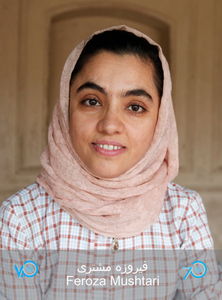

Afghan youth and environmental sustainability through tree planting
Afghanistan’s environmental future is closely connected to the choices made by its young people. In cities, villages, schools, and farming communities, youth can help restore trees, protect water, reduce soil erosion, and encourage practical responses to drought. Tree planting is a visible activity, yet its deeper value lies in building a culture of stewardship that can continue long after a campaign has ended.
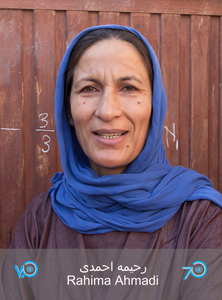
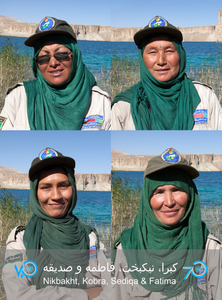
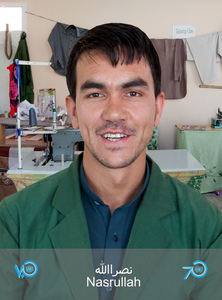
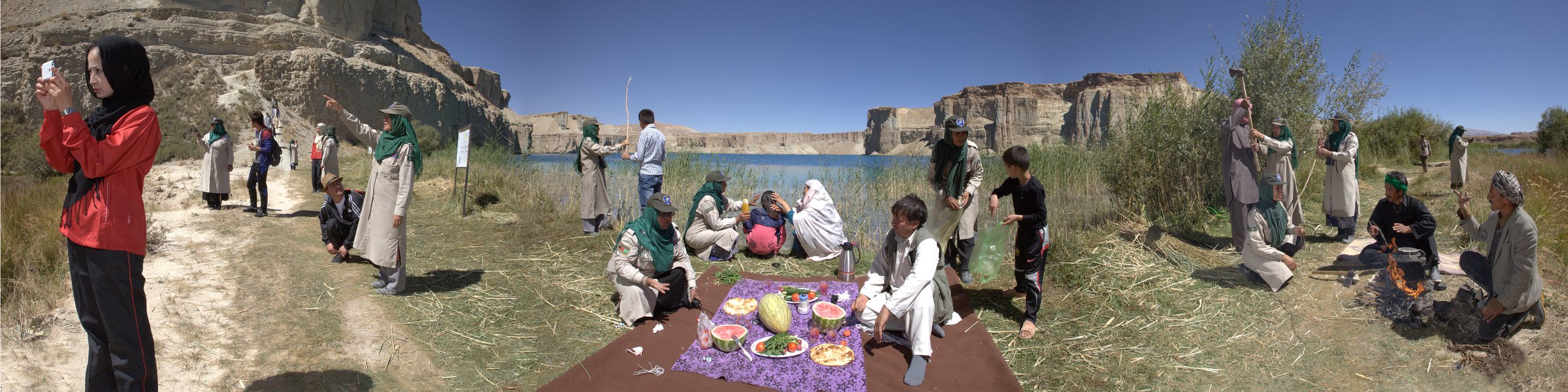
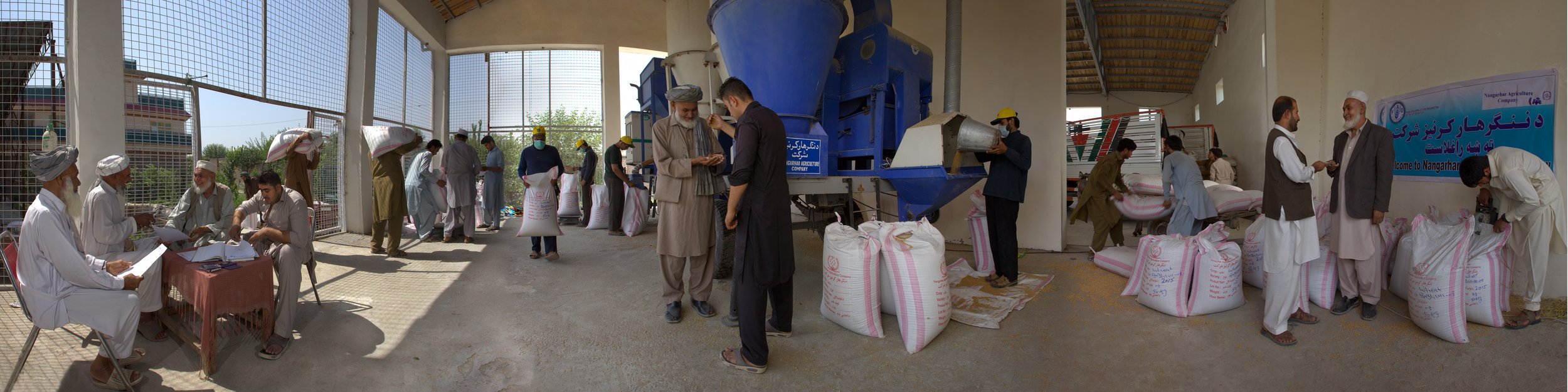
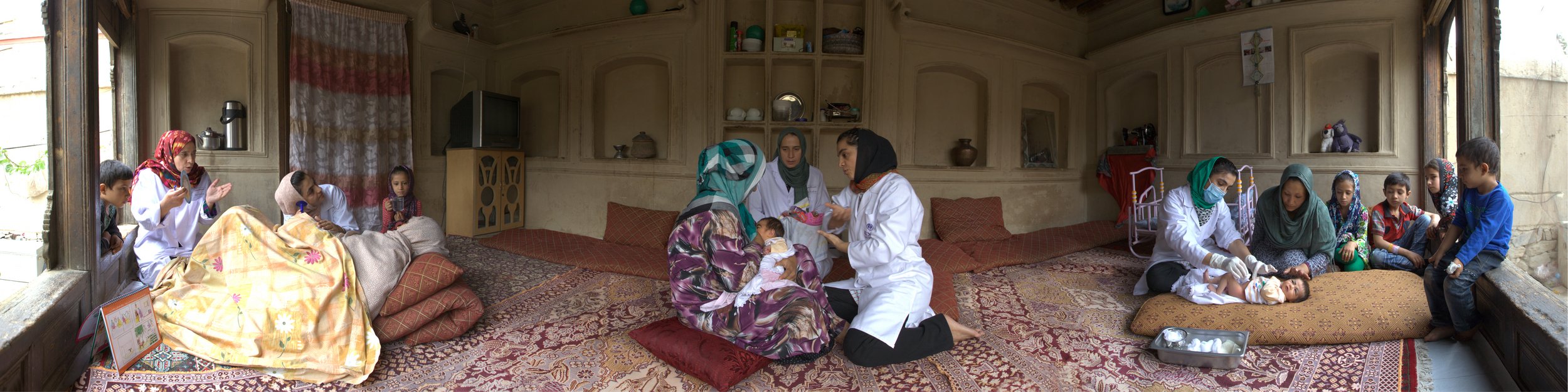
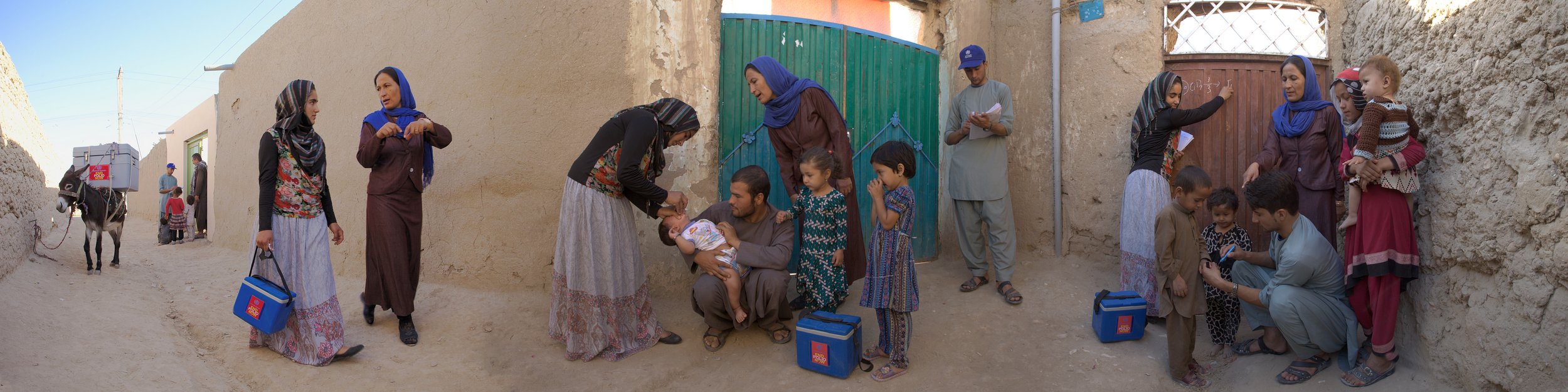
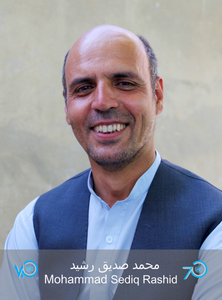
The United Nations has often used community partnerships to draw attention to local priorities. The UN70 campaign, presented through the UN Afghanistan website, featured Afghan people and their contributions to a stronger society. Its messages and photographs provide a useful historical record of how public participation, including environmental action, can support national resilience.
The campaign is now an archived snapshot and is no longer active. Still, the ideas associated with UN tree planting remain relevant. When young Afghans take part in planting and caring for trees, they gain practical knowledge while helping their communities respond to climate pressure, land degradation, and declining green space.
Why trees matter in Afghanistan
Afghanistan’s landscapes range from high mountain valleys to dry plains and densely populated urban areas. Many communities face water scarcity, irregular rainfall, wind erosion, and the loss of vegetation caused by fuel needs, overgrazing, construction, and extreme weather. Trees cannot solve each of these problems alone, but they can strengthen the natural systems on which people depend.
Roots hold soil in place and help rainwater move into the ground. Shade can lower temperatures around homes, schools, roads, and public spaces. Trees near farms may reduce wind damage and create habitats for birds and pollinating insects. In watersheds, vegetation can slow runoff and support healthier slopes. These benefits become more meaningful when planting is connected to long-term maintenance.
A successful planting effort therefore requires more than placing seedlings in the ground. The choice of species, planting season, soil preparation, access to water, protection from animals, and follow-up care all influence survival. Environmental education helps young volunteers understand these details and turn a symbolic activity into genuine ecological restoration.
Youth leadership and local responsibility
Young people are well placed to connect environmental awareness with everyday community life. Students can map bare areas around schools, organize watering schedules, record seedling growth, and share information with families. Youth groups can work with elders, farmers, teachers, and local authorities to identify locations where trees are useful and likely to be protected.
This participation develops skills that reach beyond forestry. Volunteers learn teamwork, planning, public communication, basic data collection, and responsible use of local resources. A young person who helps care for a seedling may become more attentive to water conservation, waste management, soil health, and the wider effects of climate change.
Youth involvement also gives environmental projects a stronger social foundation. A planting day can bring together people with different experiences and backgrounds around a practical shared task. The activity creates a public example of cooperation, while the continuing work of watering and protecting trees reinforces trust over time.
From a planting day to a living project
Short campaigns can attract attention, but trees require patience. A seedling may need several seasons before it becomes established, and some losses are inevitable in harsh conditions. Projects should therefore begin with a clear maintenance plan rather than treating planting as the final objective.
Schools and community organizations can assign small teams to inspect planted areas, replace damaged guards, remove competing weeds, and report signs of disease. Simple records—such as the number of seedlings planted, the number surviving after one year, and the amount of water used—can make progress easier to assess. These records also help groups adjust their methods.
The best projects use locally appropriate species and respect community knowledge. Native or well-adapted trees are generally more likely to survive than species selected only for rapid growth or appearance. Farmers and residents can explain seasonal water patterns, grazing pressures, and land-use customs that may not be obvious to outside organizers.
Measuring environmental and social benefits
Environmental sustainability should be measured in practical terms. Survival rates matter more than the number of seedlings distributed. A project that plants fewer trees but protects them successfully may create greater value than a large event with no follow-up. Monitoring can also reveal whether a site is suitable or whether the project needs different species, planting methods, or water arrangements.
Social outcomes deserve attention as well. Organizers can track how many young people participate, whether girls and boys have equal opportunities to contribute, which community groups are involved, and whether volunteers gain new environmental skills. These indicators show whether a project is building local capacity rather than relying entirely on outside support.
| Area of action | Contribution from young people | Sign of lasting progress |
|---|---|---|
| Site selection | Survey open land and consult residents | Planting locations match local needs |
| Species choice | Gather advice from farmers and forestry specialists | Trees are suited to climate and soil |
| Planting | Prepare soil and handle seedlings carefully | Seedlings are planted in the correct season |
| Maintenance | Organize watering, guarding, and inspections | Survival rates remain strong after the first year |
| Awareness | Share lessons through schools and community networks | More households adopt conservation practices |
| Monitoring | Record growth, losses, and water use | Future projects improve through reliable evidence |
This approach reflects a broader principle: environmental action should produce knowledge as well as visible results. When youth document what works, communities can build a local record of suitable trees, reliable techniques, and common risks. That information can guide future greening efforts in districts with similar conditions.
Linking tree planting with climate resilience
Afghanistan’s climate risks make sustainable land management increasingly important. Drought can reduce the availability of water for both people and seedlings, while sudden rainfall may cause flooding and erosion. Tree planting must be integrated with water-conscious practices such as mulching, small catchments, soil improvement, and the protection of natural regeneration.
In rural areas, trees may support agroforestry systems that combine crops, pasture, and carefully selected woody plants. In towns, they can contribute to shaded streets, schoolyards, parks, and public gathering places. Each setting requires a different plan. A species suitable for a riverbank may fail on a dry hillside, while a tree that thrives in a village garden may not tolerate compacted urban soil.
Young environmental leaders can help explain these connections in accessible language. They can show that sustainability is not a distant technical subject but a set of decisions about water, land, energy, food, and public health. Planting a tree becomes one part of a larger effort to make communities safer and more livable.
Building partnerships around young volunteers
A youth-led environmental activity benefits from partnerships that provide technical guidance and continuity. Schools can offer space for nurseries and environmental lessons. Municipal bodies can help identify public land and coordinate protection. Farmers can advise on species and irrigation. Civil society groups can support training, tools, and monitoring.
The United Nations and other development partners can help connect local priorities with broader environmental goals. Their role is most useful when it strengthens Afghan leadership rather than replacing it. Communities understand their own land, customs, and constraints; external support should respect that knowledge and reinforce local decision-making.
Communication also matters. Photographs, personal stories, and short reports can make environmental work visible, especially when they show the care required after a public planting event. The archived UN70 material followed this storytelling tradition by highlighting Afghan individuals and their contributions. Such records can preserve the memory of collective action and motivate future initiatives, even when the original campaign has ended.
Practical principles for stronger projects
Community groups planning a tree-planting activity can improve results by treating preparation and aftercare as equal parts of the work. The following principles offer a simple starting point:
- Select planting sites with residents and confirm who will protect and water the trees.
- Choose species suited to local soil, rainfall, temperature, and available water.
- Train volunteers in planting depth, soil preparation, mulching, and safe handling.
- Set a maintenance calendar with named people responsible for inspections and watering.
- Measure survival after several months and use the findings to improve the next planting season.
These steps also help prevent common problems, such as planting in unsuitable locations, selecting trees that require too much water, or assuming that a single celebration guarantees environmental benefit. A modest project with clear responsibility can be more durable than a large event without community ownership.
Youth organizations can strengthen their work by inviting families to participate in care. When a seedling is connected to a classroom, household, or neighborhood group, it is more likely to receive regular attention. Recognition for consistent care can encourage participation without turning environmental stewardship into a short-lived competition.
Carrying the work into the future
The story of tree planting in Afghanistan is ultimately a story about responsibility across generations. Young people inherit landscapes shaped by earlier decisions, and their actions can influence the conditions experienced by those who come after them. Each healthy tree represents years of care, cooperation, and adaptation to local circumstances.
The completed UN70 campaign cannot be presented as a current program, but its emphasis on Afghan contributions remains meaningful. The archived photographs and messages point toward a wider lesson: national strength is built through people who invest time in their communities. Environmental sustainability follows the same pattern, growing through consistent local action rather than a single public moment.
Schools, community groups, local institutions, and development partners can keep that spirit alive by supporting youth-led conservation, expanding environmental learning, and protecting the trees already planted. Share a local planting story, organize a maintenance team, or help young volunteers document the health of their community’s trees. Small acts of care, repeated across Afghanistan, can grow into a stronger and greener future.