
Making a Difference
Healing Through Creativity: Afghan Youth and Trauma Recovery
For many young Afghans, years of conflict, displacement, poverty, bereavement and uncertainty have shaped daily life. Trauma may appear as anxiety, withdrawal, anger, sleep problems, difficulty concentrating or a loss of hope. Young people can also carry distress that is difficult to describe, particularly when emotional support is limited or mental health carries social stigma.
Creative activities offer a practical way to begin addressing that distress. Drawing, storytelling, music, theatre, photography and movement can help adolescents communicate feelings without having to explain everything directly. When these activities take place in a safe and supportive group, they can strengthen connection, confidence and a sense of control.
The UN Afghanistan website preserves the UN70 “Strong UN. Strong Afghanistan.” campaign, an archived initiative that highlighted Afghan people and their contributions. Its message provides a useful context for considering Afghan youth and art therapy: recovery is connected to dignity, community participation and the recognition of young people as contributors to Afghanistan’s future. The archived site itself is no longer an active programme portal, so current services should be verified through local organisations and official humanitarian channels.
Why Creative Healing Matters
Art therapy is more than an enjoyable pastime. In a professional setting, it is a form of psychotherapy led by a qualified practitioner who uses artistic processes to support emotional expression, reflection and recovery. Related approaches, often called creative psychosocial support, may use art-based exercises without claiming to provide clinical treatment. This distinction matters when planning youth workshops in communities affected by conflict.
Creative work can make internal experiences visible. A young person who finds it hard to talk about fear may show it through colour, shape or a fictional character. A group poem can express grief shared by many participants, while a collaborative mural can represent safety, belonging or hopes for the future. These activities do not erase traumatic experiences, but they can help participants organise emotions and feel less isolated.
For Afghan adolescents, culturally familiar forms of expression can be especially valuable. Poetry, calligraphy, traditional patterns, local stories and music can connect emotional support with identity rather than presenting wellbeing as something imported. Facilitators should avoid assuming that every participant wants to create, disclose personal experiences or discuss conflict. Choice and privacy are central to ethical trauma-informed work.
What A Trauma Healing Workshop Can Offer
A well-designed workshop usually begins with stabilisation rather than a detailed discussion of painful memories. Participants may be invited to identify colours associated with calm, create a personal symbol of strength, or draw a place where they feel protected. Simple grounding exercises, breathing, stretching and sensory activities can help young people remain present while they work.
The group process can also rebuild relationships. Many young people affected by displacement or violence have experienced disruption in school, family and neighbourhood networks. Making something together creates opportunities for cooperation and positive attention. A shared collage or performance can show that participants have skills, ideas and responsibilities, rather than defining them only by what has happened to them.
Workshops can support several outcomes:
- safer emotional expression and improved self-awareness;
- stronger peer connection and reduced isolation;
- renewed confidence in decision-making and problem-solving;
- opportunities to imagine education, work and community goals;
- early identification of participants who may need specialised mental health care.
These outcomes should be described carefully. A single session cannot be expected to resolve severe trauma, and participation does not guarantee lasting psychological improvement. Creative workshops work best as one part of a wider protection, education and mental health support system.
Building Safety Before Asking For Expression
Safety is the foundation of any youth trauma recovery activity. Facilitators should explain the purpose of the session, the voluntary nature of participation and the limits of confidentiality in clear, age-appropriate language. Young people need to know that they may pass on an exercise, leave a discussion or choose a less personal subject.
The physical setting also matters. A workshop should be accessible, private enough for participants to feel secure and arranged so that no young person is forced to sit in a vulnerable position. Separate activities or sessions may be needed for different age groups or genders, depending on community expectations and safeguarding considerations. Local partners are best placed to advise on appropriate arrangements.
Facilitators must be prepared for emotional reactions. A drawing, song or story may unexpectedly bring forward grief or fear. The response should be calm and non-judgmental: acknowledge the feeling, offer grounding, and connect the participant with a trained counsellor or protection worker when necessary. Staff should never pressure a young person to explain the meaning of a creative work.
| Workshop element | Possible purpose | Safeguard |
|---|---|---|
| Drawing or painting | Express feelings through colour and imagery | Do not interpret the artwork without permission |
| Storytelling | Explore identity, choices and hope | Use fictional characters when personal disclosure may feel unsafe |
| Music or rhythm | Regulate energy and strengthen group connection | Respect religious, cultural and personal preferences |
| Theatre or role-play | Practise communication and problem-solving | Avoid reenacting violence or forcing public performance |
| Collaborative mural | Build belonging and shared vision | Agree on ownership, display and consent before using images |
| Journaling or poetry | Support reflection and emotional language | Provide private storage or allow anonymous work |
From Expression To Agency
Trauma can make the future feel narrow. Young people may focus on immediate survival and lose confidence that their decisions can influence anything beyond the present day. Art-based psychosocial activities can widen that sense of possibility by inviting participants to imagine a safe school, a supportive community or a meaningful role in local recovery.
This shift from distress to agency should be grounded in reality. A workshop should not tell young people to remain positive or suggest that creativity alone can overcome unemployment, displacement or insecurity. Instead, facilitators can link creative exercises to practical strengths. A group that designs a poster about returning to school might also identify barriers, trusted adults and available education services. A storytelling activity about helping a neighbour can lead to discussion of volunteering and community responsibility.
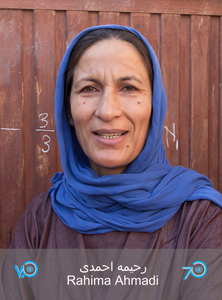
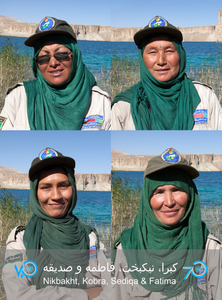
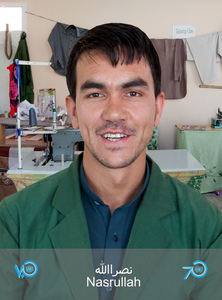
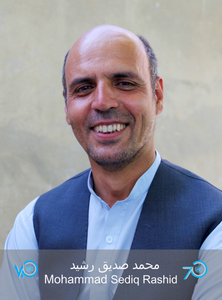
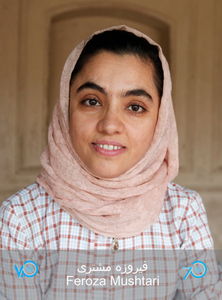
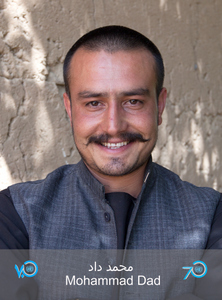
The UN70 campaign’s emphasis on Afghan individuals is relevant here. Public narratives often portray Afghanistan through crisis statistics, while overlooking the initiative and resilience of its people. Ethical storytelling gives young participants room to define themselves through their abilities, relationships and aspirations. If photographs, quotations or artwork are shared publicly, informed consent must be obtained, with additional protections for children and anyone at risk of retaliation or stigma.
Designing Ethical Sessions For Young People
A trauma-sensitive workshop needs more than art supplies. It requires trained facilitators, referral pathways and coordination with people who understand the local context. Teachers, youth workers, community health staff and mental health professionals may contribute different forms of expertise. No facilitator should promise treatment beyond their qualifications.
A short series is often more useful than an isolated event because trust develops gradually. Sessions can follow a predictable rhythm: welcome and check-in, grounding activity, creative exercise, optional reflection, and a closing routine. Predictability helps participants understand what will happen next. Repetition of calming techniques also gives young people tools they can use outside the workshop.
Language and materials should be adapted to the group. Some participants may prefer visual expression, while others may respond to poetry, craftwork or oral storytelling. Low-cost supplies such as paper, pencils, fabric scraps and natural materials can be sufficient. Activities should not depend on expensive equipment, internet access or public performance.
Monitoring should focus on safety, participation and access to support rather than demanding that young people disclose trauma. Facilitators can record attendance, voluntary feedback, observed changes in engagement and referrals made, while protecting personal information. Community feedback should shape later sessions and help identify whether activities are respectful, accessible and useful.
Principles For Community Partners
Organisations supporting creative psychosocial work in Afghanistan can strengthen quality by applying a small set of practical principles:
- Work with local leadership: Consult families, youth representatives, educators, women’s groups and community organisations before selecting activities or venues.
- Use qualified support: Include mental health professionals or trained psychosocial workers, and establish clear procedures for urgent safeguarding and clinical referrals.
- Protect informed consent: Explain how attendance, artwork, photographs and personal stories will be used; obtain permission without making services conditional on publicity.
- Offer meaningful choice: Let participants observe, adapt an exercise or choose private work instead of demanding disclosure or performance.
- Respect culture and difference: Adapt activities for language, gender, disability, age, faith and displacement status without treating Afghan youth as a single group.
- Support facilitators: Provide supervision, peer support and rest so staff are not left to absorb repeated accounts of suffering without care.
Partnerships should also connect workshops with existing services. A young person who needs protection from violence, medical attention, specialised counselling or help returning to school requires more than a creative activity. Referral information should be available in accessible language, and follow-up should be realistic in areas where services are limited or movement is restricted.
The archived UN Afghanistan campaign can serve as a reminder of the value of public solidarity and Afghan-led stories, but it should not be mistaken for a current directory of workshops. Readers seeking support should check present information from UN agencies, national authorities, established Afghan civil society organisations and trusted humanitarian providers. Availability will differ by province and may change quickly.
Creative practice cannot substitute for safety, justice, education or professional mental health care. It can, however, create a respectful first step: a place where a young person is listened to, a difficult feeling can be given form, and a group can imagine constructive action. When designed with local knowledge and strong safeguarding, art-based healing can help connect emotional recovery with community resilience.
Support Afghan-led youth programmes, share the stories of young people with their consent, and direct those experiencing serious distress to qualified local mental health or protection services. Preserving dignity, strengthening trusted partnerships and investing in safe creative spaces can help turn healing into part of Afghanistan’s wider recovery.