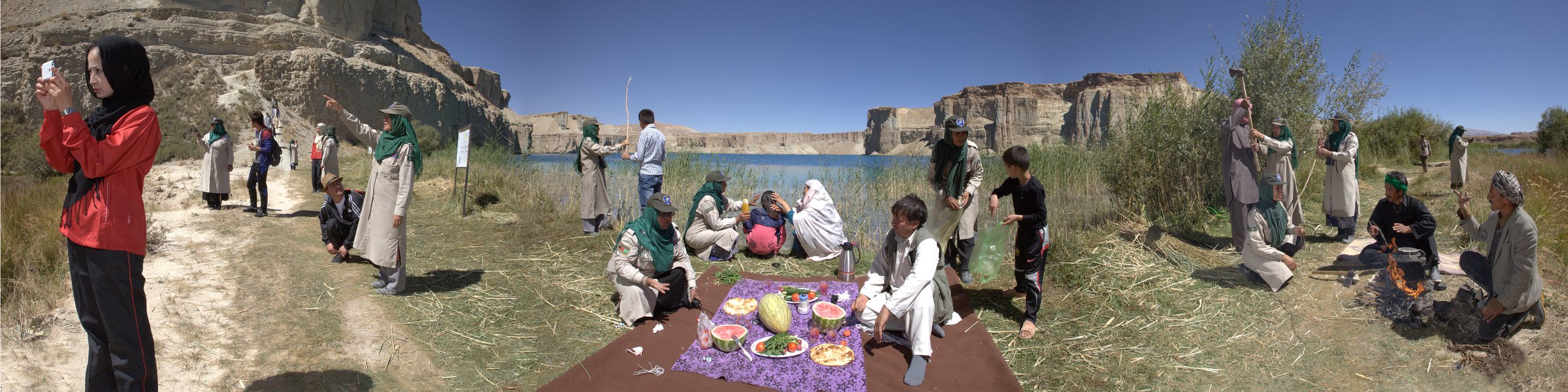
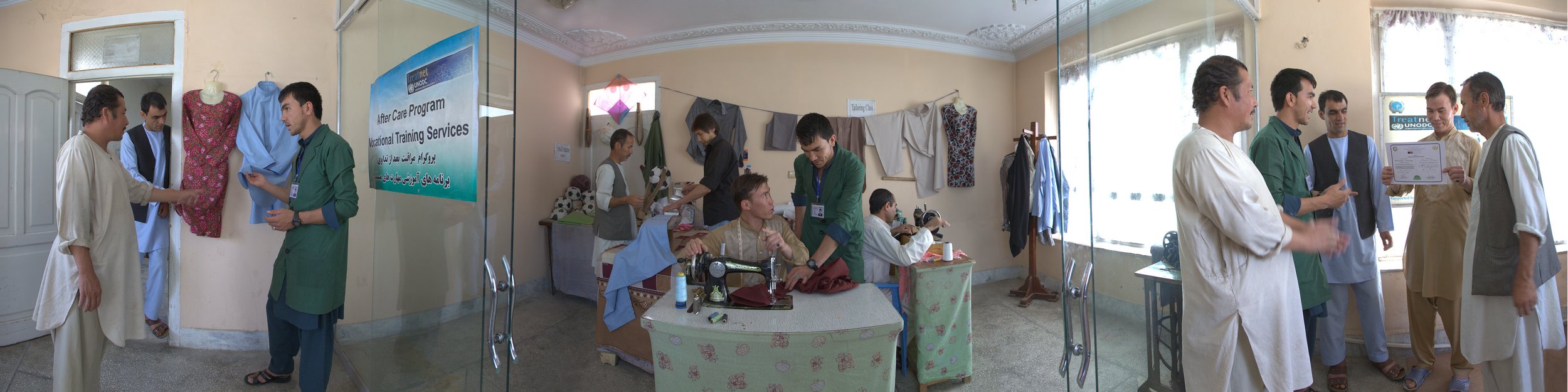
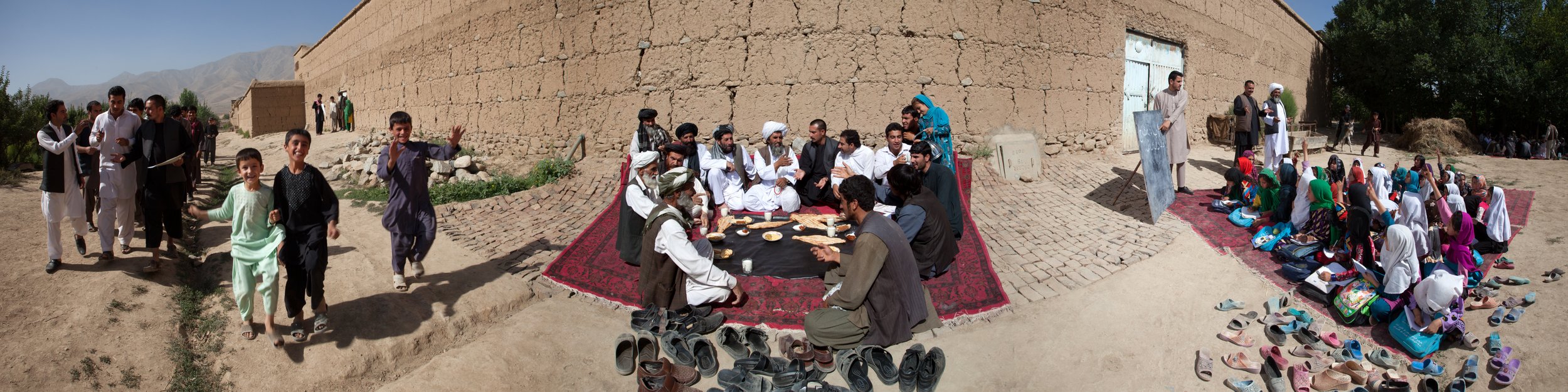

Making a Difference

Afghan Women Build Solar Enterprises Through UN Panel Distribution
In the foothills of the Hindu Kush and across the dusty plains of southern Afghanistan, a low-voltage hum is changing daily life. United Nations agencies, working alongside Afghan partners, have been distributing solar panel kits to women in rural districts where the national grid rarely reaches. The recipients are not merely end users. They are trained to install, maintain and resell the equipment, turning a humanitarian delivery into a stream of local micro-enterprises. In provinces such as Bamyan, Daikundi and Badghis, where winter temperatures bite deep and kerosene lamps still flicker in many homes, this quiet programme is reshaping who controls the country's energy future.
For Australian readers, the story may feel unexpectedly familiar. Australia has one of the world's highest per-capita rates of rooftop solar, with cities such as Sydney, Melbourne, Brisbane and Perth all sitting on a grid that sags under midday generation peaks. The same physics that lets a Kandahar home run a fan off a panel also lets a Darwin household export power back into the Northern Territory network. The difference is scale, but the principle — distributed solar held by ordinary households rather than distant power stations — is the same.
A Quiet Rollout in Energy-Starved Provinces
The programme sits at the intersection of several United Nations mandates: gender equality, climate action and affordable energy. UN Women, the United Nations Development Programme and partner agencies have sourced photovoltaic kits suited to Afghanistan's high-irradiation climate, where cloudless skies are common more than three hundred days a year. Each kit typically contains a small photovoltaic panel, a lithium battery, LED bulbs, a phone-charging point and basic wiring. The hardware is deliberately simple, modular and repairable with locally available tools.
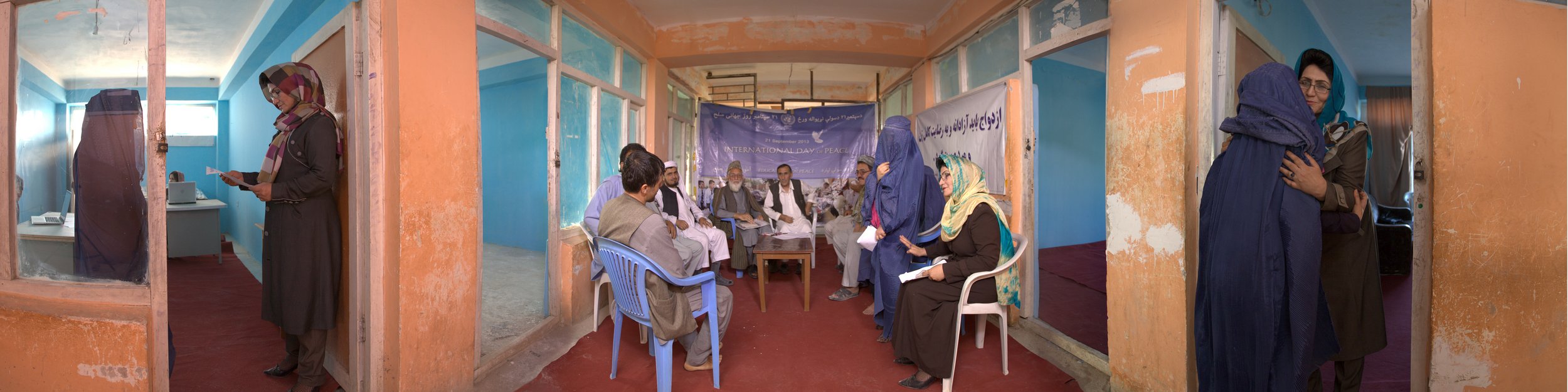
Distribution is handled through women's councils, community shuras and provincial departments, deliberately bypassing supply chains that have historically excluded women from the energy sector. By placing the kits directly in the hands of women, the programme also sidesteps the social bottlenecks that have kept female-headed households from accessing electrification loans. A solar panel cannot easily be redirected by a male relative or reallocated by a village elder, and that small legal fact has been quietly transformative in some districts.
From Beneficiary to Business Owner
The second step is where the programme becomes something more than aid. Recipients are not given kits outright. Instead, they participate in a micro-financed purchase or a pay-as-you-go arrangement, with the solar home system treated as seed capital for a small enterprise. Women install the kit in their own homes, learn to service the components, then take on neighbouring households as fee-paying customers, charging a small monthly tariff for light, phone charging and basic appliance use.
A growing number of these women have become known locally as Solar Mamas, a label borrowed from the broader Barefoot College tradition in which rural women from countries including Afghanistan are trained as solar engineers in India and return home to electrify their villages. The model has produced visible results: women who once walked kilometres to charge a phone now run village charging stations from their courtyards. Some have expanded into installing systems on clinics and schools, becoming the first women in their district to hold a technical trade.
Lighting Clinics, Schools and Homes
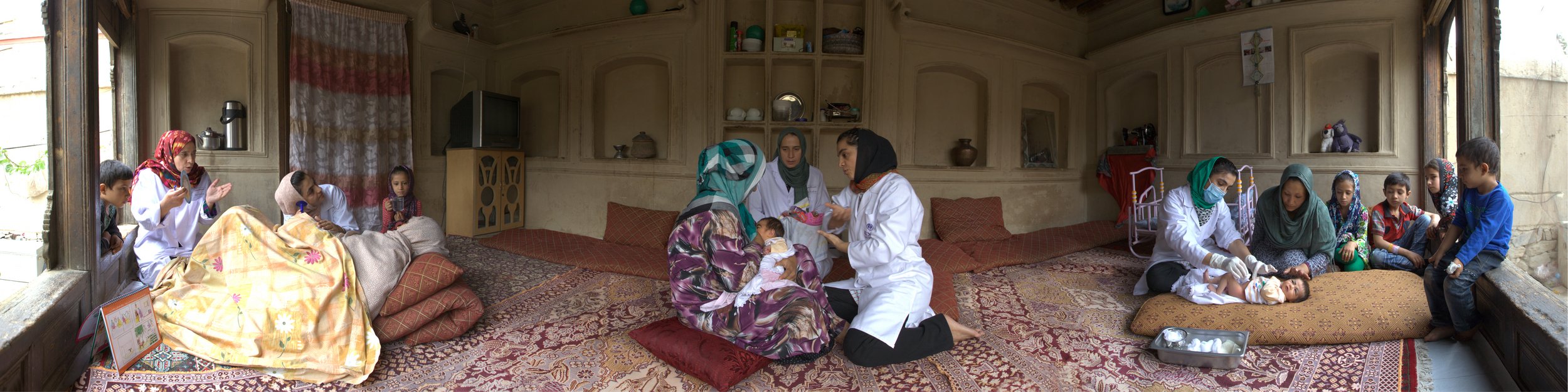
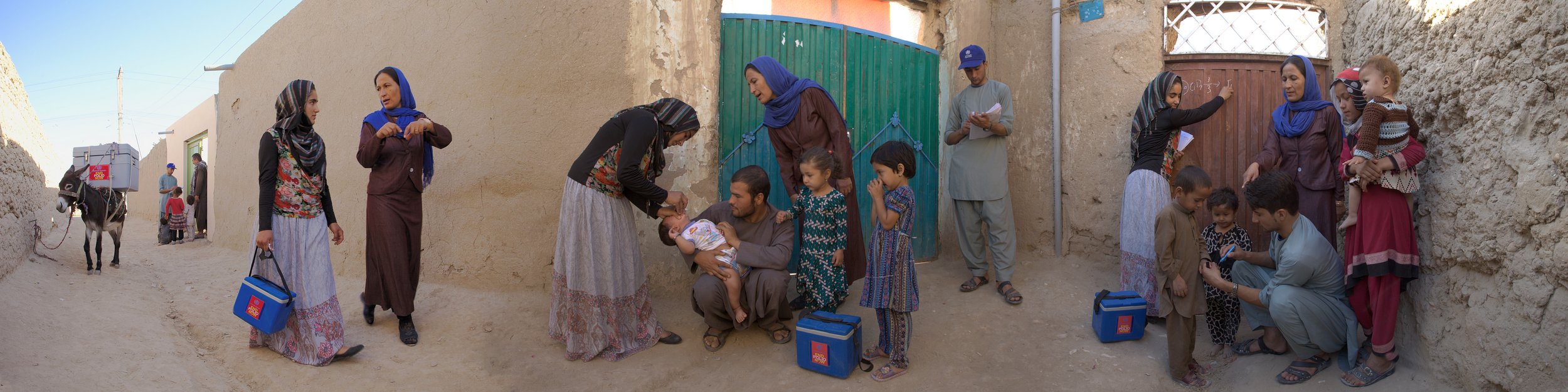
Where the systems have been deployed, the social returns have been quick. Health clinics in remote districts of Faryab and Ghor now use solar-powered refrigerators to keep vaccines cold, reducing the wastage that used to leave children re-immunised against nothing. Schools in Daikundi, where evening classes were once impossible, run adult literacy sessions after sunset under LED light. Tailors extend their working hours; embroiderers producing the traditional Afghan karchal and gota work into the night and earn more.
There is also a quiet digital dividend. With phone-charging points now a few minutes' walk away, mobile money transfers have begun to reach villages that were previously cash-only. Remittances from relatives working in Iran or Pakistan arrive via mobile wallets rather than long bus journeys, and small traders can check prices in Herat or Mazar-i-Sharif before committing to a sale. None of this is glamorous infrastructure, but it is the kind of unglamorous electrification that development economists tend to rank highest in welfare impact.
Skills, Training and a Pipeline of Engineers
Behind the kits lies a curriculum that the United Nations and its partners have spent more than a decade refining. Women selected for the programme attend a residential training course, often two to six months long, covering basic electrical theory, photovoltaic system design, battery care, fault diagnosis and customer service. Graduates return home with toolkits and a small inventory of spare parts. A second cohort is then trained by the first, producing a multiplier effect that has, in some provinces, created a genuine local technical workforce from nothing.
Several graduates have gone on to train others beyond Afghanistan's borders, joining regional workshops in Kathmandu and New Delhi. Their presence matters: the global renewable energy sector is widely projected to need millions of new workers over the coming decades, and the early signs of that shift can already be seen in Queensland's solar installation workforce, in Western Australia's battery storage projects and in New South Wales' growing rooftop solar industry. The pipeline being built in Afghan villages is part of the same worldwide labour story, even if the equipment on the rooftops is very different in size.
Income, Dignity and Local Change
When a woman in rural Afghanistan installs a solar kit and begins charging neighbours for light and phone charging, the income she earns is often the first cash a household has ever controlled directly by a woman. In a country where female labour force participation remains among the lowest in the world, even a modest monthly tariff can shift household decision-making in measurable ways. UN tracking of the programme has reported that women reinvest a large share of their earnings in children's school fees, medicine and small livestock.
There are subtler shifts too. Women who once travelled to male relatives to ask for kerosene money now carry a phone that charges on their own roof. Village elders who initially resisted the programme have, in several documented cases, become its strongest advocates once they see that girls are reading after dark. None of this unfolds without friction, and conservative districts have at times pulled out of the rollout. Where it has held, however, the social fabric has tended to bend rather than break.
Echoes Down Under: What Australia's Solar Map Reveals
Australia makes for an instructive comparison. More than three in ten Australian households now have a rooftop solar system, a per-capita figure that places the country near the top of any global ranking. Sydney's western suburbs routinely generate more electricity on summer afternoons than the local grid can absorb, pushing power prices into negative territory at certain hours. South Australia's Hornsdale Power Reserve, the world's first large-scale lithium battery, sits a few hundred kilometres north of Adelaide and was built in part because so much rooftop solar was destabilising the regional grid. In Hobart, where hydropower has long dominated, planners now debate how to manage rooftop exports from suburbs such as Battery Point and Sandy Bay.
The Australian experience also offers a cautionary note. The country has struggled with quality control in its solar installation sector, prompting the Clean Energy Council to tighten accreditation rules for installers. The same challenge exists in Afghanistan, where counterfeit panels and poorly wired systems can quickly erode public trust. Both settings demonstrate that distributed renewable energy requires not just hardware but trained people, consumer protections and ongoing maintenance. The Australian Renewable Energy Agency's investment in workforce skills offers one model; the United Nations' women-led training pipeline offers another.
There is also a less obvious parallel in Australia's remote communities. Aboriginal homelands in the Northern Territory and the Kimberley region of Western Australia have long depended on diesel generators, and federal programmes have recently funded community-owned solar arrays to replace them. The challenges are familiar: extreme heat, long supply chains, the need for local training and the political imperative to keep energy revenue within the community. Watching how those Australian projects unfold may carry useful lessons for whoever next plans an Afghan solar rollout.
The story of Afghan women's solar entrepreneurship is still being written, and the archived United Nations campaign that documented its early chapters is a good place to start reading it. Photographs, profiles and field reports from the UN70 "Strong UN. Strong Afghanistan." initiative remain available on the UN Afghanistan site, and the social media channels linked from the page continue to carry updates on women-led enterprises in renewable energy. For Australian readers curious about how off-grid solar can lift incomes, electrify clinics and put technical skills in the hands of those who have historically been excluded from the energy sector, those pages offer a clear-eyed account of how a small panel, placed in the right hands, can quietly redraw a community's future.