
Making a Difference
Prenatal Care For Afghan Women Through Mobile Clinics
Pregnancy in Afghanistan can involve long journeys, limited transport, insecurity and a shortage of nearby health workers. For women living in remote valleys, mountain settlements or communities affected by displacement, a routine antenatal appointment may be difficult to reach. Mobile clinic services help bring basic maternal health support closer to where families live.
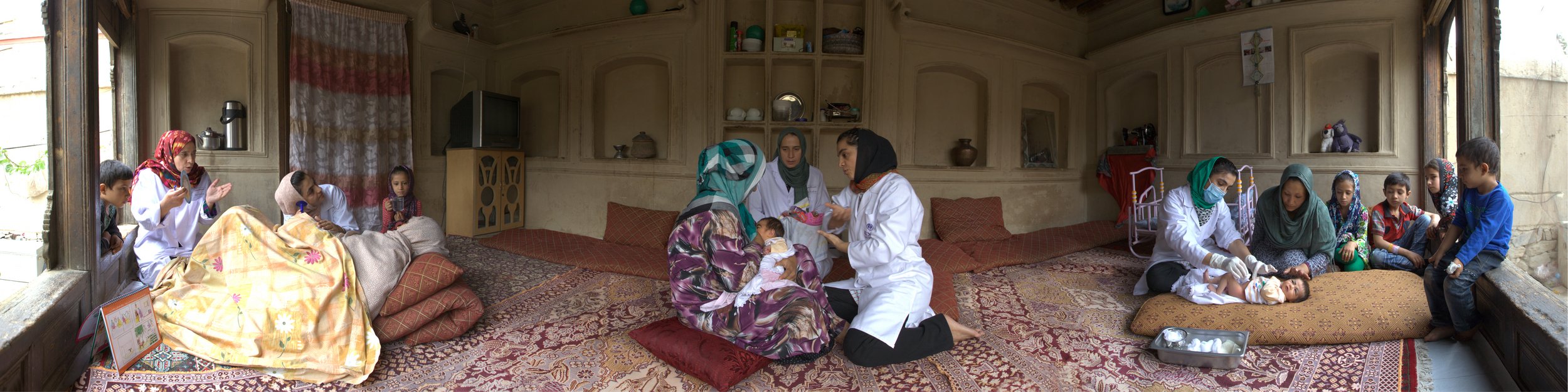
These teams may provide pregnancy check-ups, health education, counselling, referrals and screening for warning signs. Their value is practical: a woman can speak with a trained health worker without travelling for hours or relying on a male relative to navigate an unfamiliar town. Care delivered closer to home can also encourage earlier contact with the health system.
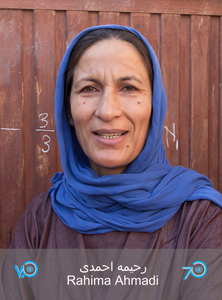
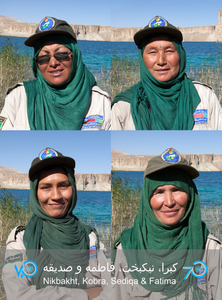
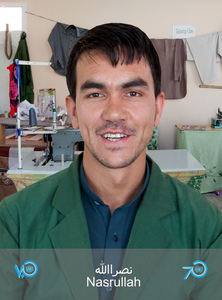
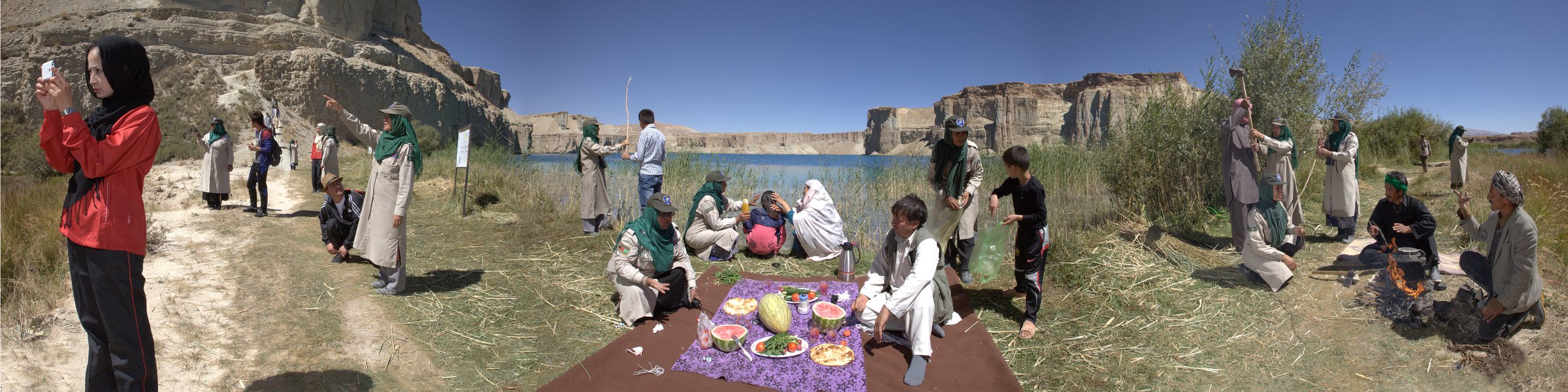
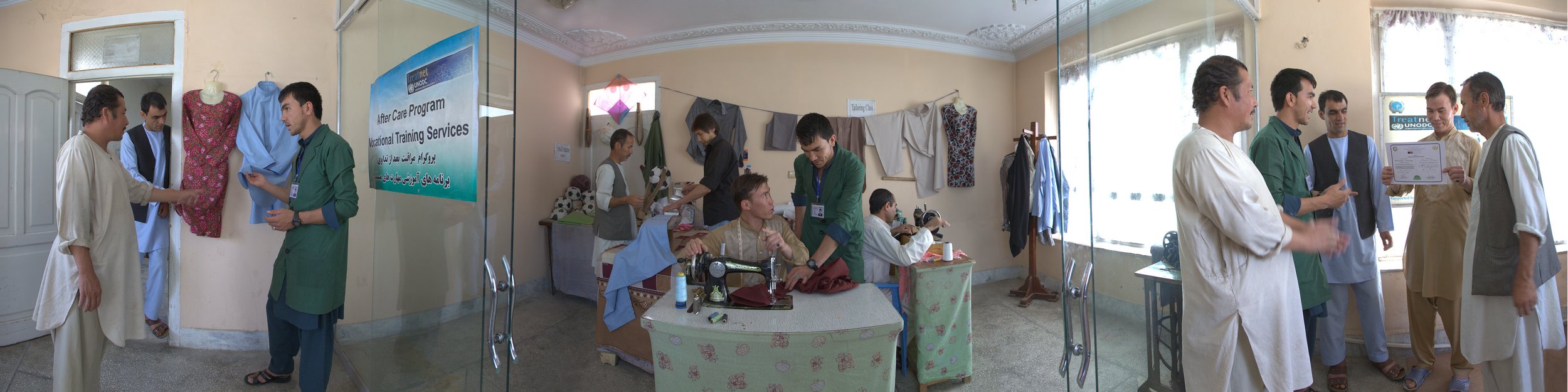
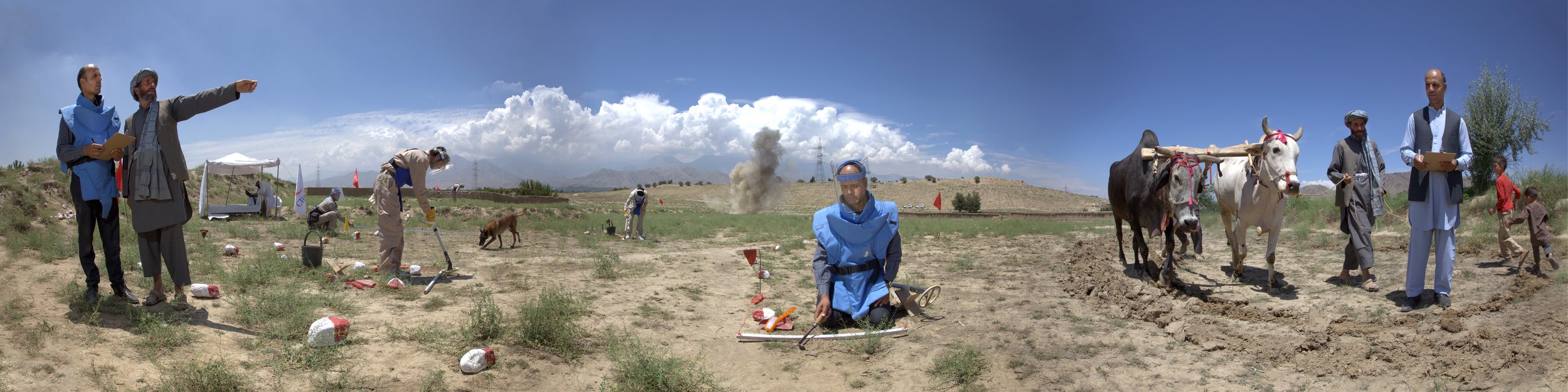
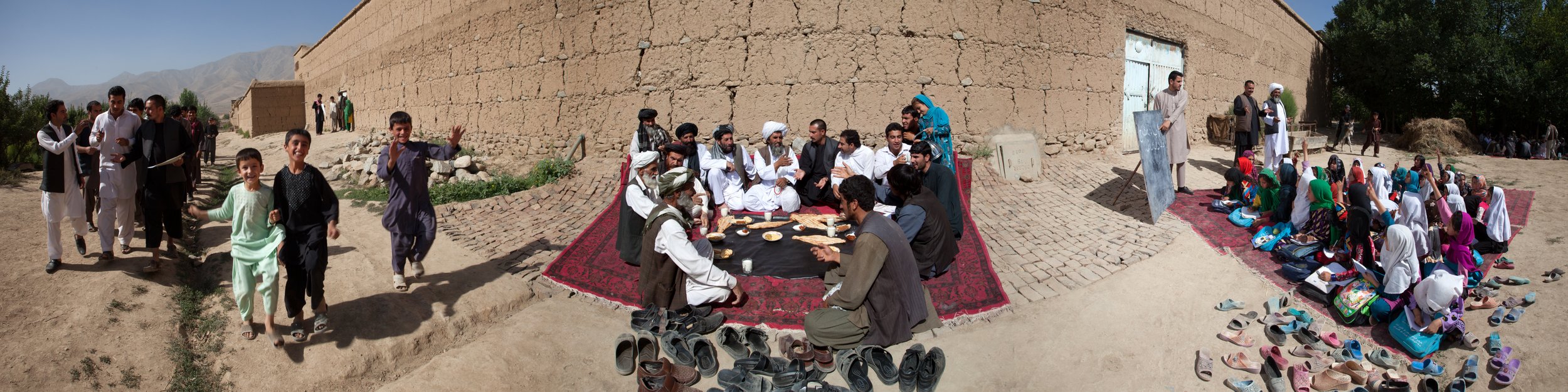
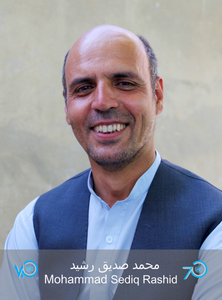
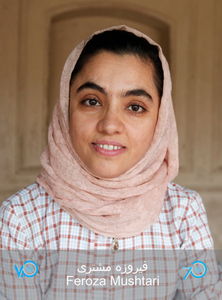
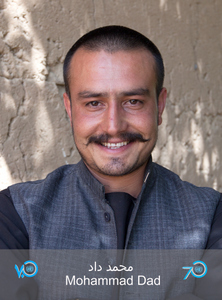
The UN70 “Strong UN. Strong Afghanistan.” campaign presented Afghan people and communities whose work strengthened everyday life. Its archived stories offer useful context for understanding health access as part of a wider network of roads, local services, community trust and international partnership. The campaign is no longer active, so current service information should be checked through reliable humanitarian and health authorities.
Why Antenatal Care Matters In Remote Communities
Prenatal care, also called antenatal care, helps identify health concerns before they become emergencies. A clinic visit can include checking blood pressure, measuring the pregnancy, discussing nutrition, providing supplements where available, reviewing previous pregnancies and explaining symptoms that require urgent attention. The exact package varies according to local resources, clinical guidance and the organisation delivering the service.
For Afghan women, early and repeated contact with a midwife, nurse or other trained provider can support safer pregnancy planning. A health worker may discuss birth preparedness, transport arrangements and where a woman should go if labour becomes complicated. Conversations can also cover anaemia, infections, high blood pressure, bleeding, reduced foetal movement and other risks.
Cultural safety is central to whether a service is used. Women may prefer to speak with female health workers, particularly about pregnancy, childbirth and reproductive health. Mobile teams that work respectfully with community elders, families and local women’s groups are better placed to build confidence without weakening a woman’s privacy or decision-making.
For an Australian audience, the contrast with Medicare-funded antenatal pathways is significant. A pregnant person in Melbourne may see a GP, midwife or hospital maternity team and have access to pathology, ultrasound and referral systems nearby. A woman in rural Afghanistan may first need a travelling team to make contact, then rely on that team to connect her with a functioning facility.
How A Mobile Clinic Reaches Women
A mobile clinic is usually a planned outreach service rather than a permanent hospital on wheels. Health workers travel on scheduled days to villages, temporary settlements or other agreed locations. They may use a vehicle, a modest community building, a tent or a room in an existing health post. The model is adjusted to the terrain, weather, security situation and available staff.
Before an outreach visit, teams may coordinate with local authorities, community representatives and health facilities. Community health workers can help inform families about the date and location, identify people who need follow-up and encourage women to attend. This local connection matters where literacy is uneven or where public information does not reach every household.
A visit may combine individual consultations with group education. Women can receive advice about diet, rest, hygiene, danger signs and newborn preparation, while the clinician records information for follow-up. When a concern exceeds the clinic’s capacity, referral is essential. A mobile service is most effective when it connects to a wider chain of care rather than operating as an isolated appointment.
Services Commonly Provided Through Outreach
- Pregnancy assessment and basic maternal health checks
- Advice on nutrition, iron and folic acid where supplies permit
- Birth planning, danger-sign education and newborn preparation
- Referral for complications, tests, ultrasound or facility-based delivery
The service can be especially important for women displaced by conflict, drought or economic hardship. Temporary settlements may have no nearby maternity unit, and families may lack money for fuel or public transport. Outreach reduces the first barrier, although it cannot remove every cost or solve the need for emergency transport.
Australia has its own version of the distance problem. People in the Northern Territory, western Queensland or remote Western Australia may travel to a regional centre for scans or specialist appointments. The Royal Flying Doctor Service and Aboriginal Community Controlled Health Services show how outreach and locally trusted care can extend access across very large distances, although Afghanistan’s infrastructure and security conditions create a different scale of difficulty.
Barriers To Safe Pregnancy Care
Distance is only one obstacle. Roads may be damaged, seasonal rivers may become impassable and vehicles may be scarce or unaffordable. In mountainous areas, a short distance on a map can mean a long journey on foot. Weather and insecurity can change whether a scheduled clinic visit is possible, while fuel shortages can affect both outreach teams and families seeking referral care.
A woman’s ability to attend may also depend on household permission, childcare, language, disability and privacy. Poverty can make transport, medicines and food difficult to afford. Health facilities may have staff and equipment on one day but face shortages on another. These pressures explain why a single prenatal consultation should not be mistaken for continuous maternity care.
Communication needs careful attention. Health workers should explain findings in a language women understand, allow time for questions and protect personal information. Community education can address misconceptions without dismissing local knowledge. Female staff, women-friendly spaces and respectful referral processes can make the difference between a service being technically available and genuinely usable.
Australian readers may recognise smaller versions of these access issues in the “postcode lottery” around specialist appointments, public hospital waiting times and rural maternity closures. Someone in the Kimberley or far north Queensland may need to leave Country for birth, while an Aboriginal woman may seek care through an Aboriginal Medical Service because cultural safety and continuity matter. These examples should not be treated as equivalent to Afghanistan, but they show why location and trust shape health outcomes.
Practical Obstacles That Outreach Teams Must Manage
- Difficult roads, flooding, snow and mountainous terrain
- Shortages of female clinicians, medicines and diagnostic equipment
- Transport, security and referral delays during emergencies
- Privacy concerns, household restrictions and limited health information
Mobile teams also need dependable records and follow-up. If a woman is advised to attend a hospital, someone must help communicate the reason, destination and urgency. Where digital systems are unavailable, paper records and local health workers may carry vital information. Continuity becomes harder when communities move or when staff turnover is high.
Building Trust Around Maternal Health
Trust grows through repeated, respectful contact. A team that arrives at a predictable time, explains its role and returns with the promised supplies is more likely to be welcomed. Community health workers can act as a bridge between clinical staff and families, especially when they understand local languages, customs and concerns.
Women’s participation should shape how services operate. Feedback may reveal that the clinic location is too public, the opening time conflicts with household duties or the waiting area does not provide enough privacy. Listening to women is a practical quality measure, not an optional extra. Their experience can identify barriers that are invisible in service statistics.
Health education should be specific and actionable. Rather than offering general warnings, a provider can explain which symptoms require same-day help, who can arrange transport and which facility is prepared to manage complications. Clear information is valuable when literacy is limited, and visual or spoken communication can complement written material.
Features Of A Woman-Centred Clinic Visit
- A private, respectful consultation with a trained provider
- Clear explanations in a familiar language
- Practical referral instructions for urgent or complex needs
- Follow-up through a community health worker or local facility
The same principles are relevant to services in Australia. A public antenatal clinic, GP practice or Aboriginal community-controlled service may offer excellent clinical care, yet a patient can still feel excluded if appointments are rushed or communication is unclear. Terms such as “bulk-billed”, “shared care” and “midwife-led care” can also mean little unless staff explain costs, eligibility and next steps plainly.
For Afghan women, privacy may require separate consultation spaces or female-only outreach sessions. Some families may be more comfortable when a trusted community representative introduces the service. At the same time, community involvement should never replace the woman’s right to confidential care, informed consent and appropriate clinical advice.
Linking Clinics With Roads And Health Systems
Prenatal outreach depends on infrastructure beyond the clinic itself. Roads, bridges, communications, fuel and functioning referral facilities determine whether a woman can reach higher-level care when a complication arises. The broader connection between transport and community wellbeing is reflected in reporting on Afghan mountain roads, where improved access can affect health, education, trade and emergency movement.
A mobile clinic cannot perform every procedure or manage every obstetric emergency. It needs a clear referral pathway to a health centre or hospital with skilled birth attendants, medicines, blood supplies and surgical capacity where required. Ambulances or other transport arrangements must be realistic for the location. Without that network, outreach may identify danger without being able to act quickly enough.
Partnerships can strengthen the system. International organisations may support training, supplies, supervision and transport, while Afghan health workers and community leaders provide local knowledge and continuity. The strongest approach respects national health priorities and invests in services that communities can use after a project or campaign has ended.
The UN70 campaign’s emphasis on Afghan contributions is relevant here. Maternal health is often described through statistics, but services rely on people: community volunteers who organise visits, drivers who cross difficult routes, midwives who counsel families and women who share information with neighbours. Recognising that work presents a fuller picture of what access means.
What Support Can Strengthen Continuity
- Reliable outreach schedules and essential maternal medicines
- Training, supervision and protection for local health workers
- Transport plans linking villages with referral facilities
- Community feedback that informs service design and safety
For people in Australia, understanding this work is also a reminder that health equity involves systems, not just appointments. State and territory maternity services, Primary Health Networks, rural hospitals, Aboriginal health organisations and humanitarian partners each operate within different responsibilities. Checking official information matters, especially when an archived campaign page may no longer reflect current programmes or contact details.
Afghan women’s prenatal care is most effective when mobile services are part of a sustained, locally informed network. Outreach can bring the first check-up closer, explain warning signs and connect a family with skilled care. Roads, trust, trained staff and referral capacity determine whether that first contact becomes a safer pregnancy and birth.
Explore the archived UN Afghanistan campaign stories with care, share accurate information about maternal health access, and support reputable organisations working with Afghan communities. For anyone seeking current services, use up-to-date official health and humanitarian sources rather than relying on a completed campaign archive.