
Making a Difference
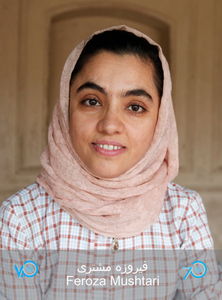
Afghan women candidates gain ground through UN political training
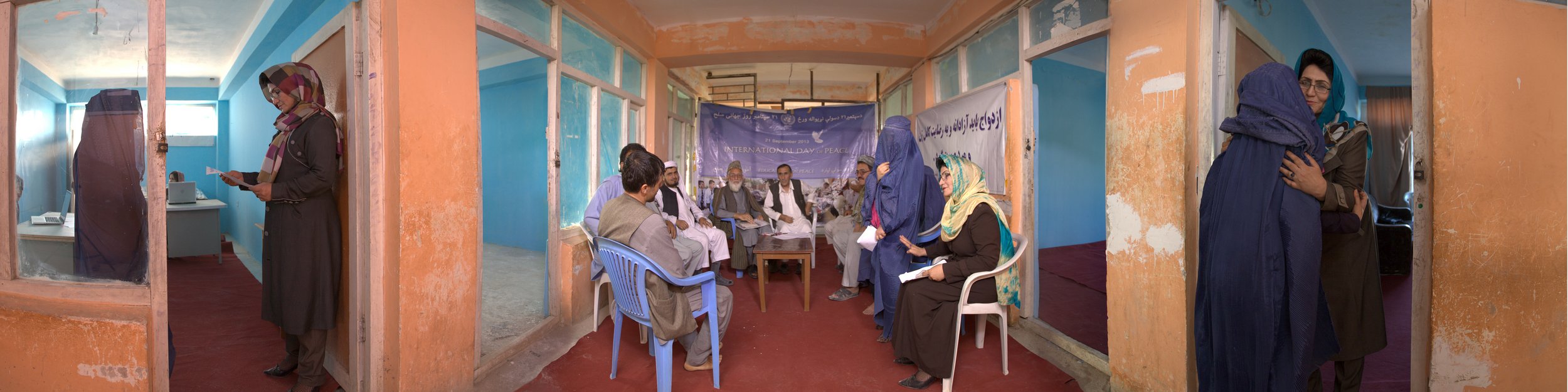
In a crowded community hall in Kabul, women sharpened their campaign speeches, rehearsed voter outreach scripts, and debated how to allocate district budgets. The setting was a United Nations-sponsored workshop designed to prepare female candidates for Afghanistan's local council elections, and the energy in the room reflected a quiet but determined ambition.
Local council races rarely make international headlines, yet they shape everyday life for millions of Afghans. Councils decide on schools, clinics, irrigation canals, and road repairs. Putting women into those councils means more than symbolic representation; it directly changes whose priorities get funded, particularly when gender-sensitive issues like girls' access to education or maternal health are at stake.
Australia's relationship with this work runs deeper than foreign policy briefings might suggest. Australia hosts one of the largest Afghan diasporas in the world, with deep roots in western Sydney suburbs like Auburn and Canterbury, as well as in Melbourne's northern corridors. Many Afghan-Australian women have entered local politics here, and their journeys mirror the very challenges being tackled in Kabul training rooms several thousand kilometres away.
The training program sits within a wider global push for women's political participation, an agenda that has produced fierce domestic debate in Australia around party quotas, preselection rules, and what genuine inclusion looks like. Looking at how the workshop is run, and what candidates actually learn, offers lessons both for Kabul and for Australian civic life.
Inside the Kabul workshop
The workshop brought together several dozen aspiring candidates from provinces including Balkh, Herat, Kandahar, and Nangarhar, along with sitting councillors who wanted to strengthen their campaigning skills. Facilitators from UN Women, working alongside UNAMA's gender affairs team, ran the sessions over several intensive days, with simultaneous translation in Dari and Pashto for participants more comfortable in their first language.
Training took place in a secure but welcoming venue, with chaperoned transport for participants who travelled from outside Kabul. Sessions blended practical skills with peer learning: candidates delivered timed stump speeches, critiqued each other's flyers, and mapped the demographic make-up of the districts they hoped to represent. Mock town hall debates gave attendees a safe space to test how they would handle a hostile question or an unexpected policy challenge.
A senior Afghan political mentor led an evening session on coalition building, drawing on decades of experience in provincial assemblies. Participants noted that even well-known male politicians often agreed to meet candidates who arrived with a clear policy platform and a list of prepared questions, a small but tangible shift in how seriously their bids were taken.
Why local councils hold real power
Afghanistan's provincial and district councils sit closer to ordinary citizens than any other elected institution. They approve local development budgets, oversee the delivery of basic services, and feed community priorities up to provincial governors. Decisions taken at this level determine whether a new clinic opens in a remote valley or whether a feeder road is repaired before the next harvest.
For women voters, who often experience education, healthcare, and justice systems differently from men, having female councillors shapes which problems get airtime. A councillor who understands the barriers girls face walking to school, for instance, is more likely to push for safer routes or separate sanitation blocks in newly built schools.
Councils also act as training grounds for higher office. Several Afghan women who once served on district councils later moved to the Wolesi Jirga, the lower house of parliament, or took on roles in line ministries. Without a steady pipeline of candidates willing to start locally, that pathway narrows for the next generation of female leaders.
Barriers women candidates still confront
Security remains the most immediate concern. Several candidates have faced threats during previous election cycles, and the workshop included dedicated modules on safe campaigning, including how to communicate with voters without disclosing precise travel plans or home addresses. Trainers also covered digital safety basics, recognising that online harassment has become an extension of older patterns of intimidation.
Family attitudes present a more nuanced obstacle. In some households, sending a daughter or sister into politics is celebrated; in others, it is treated as a distraction from marriage or a source of reputational risk. Trainers role-played how to negotiate these conversations, drawing on real examples of candidates who had persuaded sceptical relatives by linking their campaigns to concrete community improvements.
Money and name recognition also matter. Many male opponents rely on established networks, tribal endorsements, or family wealth. Female candidates frequently run with slimmer budgets and have to master grassroots door-to-door outreach, a tactic that requires stamina and patience more than large war chests. The workshop's fundraising module walked through low-cost tactics, from community suppers to small donor drives.
Curriculum highlights from public speaking to budgets
The agenda was deliberately practical. Mornings focused on policy literacy, with sessions on reading draft district budgets, identifying line items for health and education, and asking the questions that turn vague allocations into measurable commitments. Candidates worked through real budget documents from previous council cycles, learning to spot underfunded categories and politically motivated line items.
Afternoons tilted toward communication. Candidates drafted radio ads in local languages, recorded short video messages, and rehearsed handling hostile questions from journalists. Facilitators stressed the importance of a single clear message, a habit familiar to anyone who has watched Australian state election campaigns play out in suburban shopping centres and RSL halls.
A mentoring scheme paired first-time candidates with experienced women politicians, several of whom had themselves completed earlier UN-supported training years before. The mentees were encouraged to keep weekly contact during the campaign season, sharing polling observations, voter concerns, and morale boosts. Several pairs stayed in touch long after the election, turning a one-off workshop into a lasting professional network.
Lessons from Australia's own gender equality debates
Australia has wrestled with women's political representation for decades. The Australian Labor Party adopted a gender quota system in the 1990s, a decision that remains contested within branches in Melbourne, Sydney, and Brisbane. The Liberal Party has repeatedly debated similar measures, particularly after periods when female representation in federal parliament slipped, and several state divisions now use target figures rather than binding rules.
The Afghan workshop reflects a different starting point. There is no entrenched quota in Afghanistan's electoral law at the local level, so women candidates rely heavily on training, mentoring, and civil society support to compete on even terms. Both contexts highlight the same underlying truth: rules matter, but preparation is what turns rules into outcomes that voters can actually feel.
Afghan-Australian women have already begun reshaping councils in their new home. Several candidates have won seats in western Sydney councils where the Afghan community is well established, campaigning on issues ranging from youth mental health to small-business support. Their experience shows that training pipelines, when sustained, can shift a council chamber's culture within a single electoral cycle.
How Australia's Afghan community can deepen the work
Sydney's Afghan community organisations, several of which operate from hubs in Lakemba and Parramatta, have long partnered with international agencies on education and women's leadership programs. They are well placed to extend that partnership into mentoring candidates running in Afghan local elections, particularly through online mentoring that does not require travel and can be fitted around work and family commitments.
Melbourne-based associations, including those linked to the broader Hazara and Pashtun diaspora networks, can play a complementary role. Translating campaign materials into Dari and Pashto, hosting town hall meetings with returned officials, and raising small-scale campaign funds are all within the capacity of community groups that already run language schools and cultural festivals such as the Afghan new year celebrations held in public halls across the city's north.
Universities in Adelaide, Perth, and Brisbane host sizeable Afghan student populations. Academic centres focused on South Asian politics, conflict resolution, and gender studies can co-design research with Kabul-based counterparts, producing policy briefings that strengthen the evidence base behind future workshops. Local journalism schools can also help candidates craft clear media messages, a skillset that travels easily between newsrooms in Perth and campaign offices in Herat.
Practical steps supporters can take from Australia
- Volunteer with established Afghan women's leadership organisations that already coordinate with UN Women in Afghanistan, offering remote mentoring in campaign planning, media training, or budget analysis.
- Translate campaign materials and voter education flyers into Dari and Pashto, drawing on bilingual members of the Afghan-Australian community in Sydney and Melbourne.
- Host fundraising events at local community centres, such as cultural dinners or art exhibitions, with proceeds directed to verified training providers rather than individual candidates.
- Run voter information sessions in suburbs with large Afghan populations, demystifying how local councils operate so naturalised citizens are prepared to engage on arrival or back home.
- Partner with Australian universities to design short courses that complement UN training, particularly in policy writing, public health advocacy, and small-business economics.
- Support Afghan-Australian women who campaign for seats in Australian local councils, recognising that practising these skills domestically strengthens the diaspora's contribution to political life in Afghanistan.
The UN's workshop model is replicable, affordable, and grounded in the realities of districts where roads, schools, and clinics are decided at the council table. Pairing Afghan candidates with diaspora mentors, sharing budget literacy resources, and amplifying their stories through Australian media will help translate a Kabul training room into seats won in Afghan council chambers. Connect today with an Afghan community organisation in your city, contribute a skill that matches the curriculum, and follow the campaign updates that emerge from this year's cohort of candidates.