
Making a Difference

How UN Curriculum Development Supports Afghan Women’s Literacy
Literacy classes for Afghan women are built around much more than learning to read a sentence or write a name. A useful programme must respond to language, safety, family responsibilities, limited schooling, local customs and the practical demands of everyday life. Curriculum development therefore becomes a central part of humanitarian and development work.
For the United Nations in Afghanistan, education initiatives have often connected learning with dignity, participation and access to services. A woman who can read a health instruction, calculate a household expense or understand a public notice has greater control over decisions affecting her family and community.
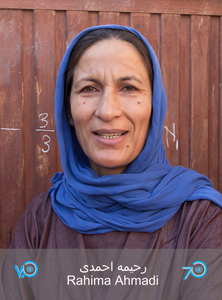
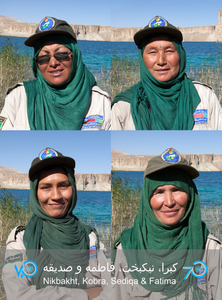
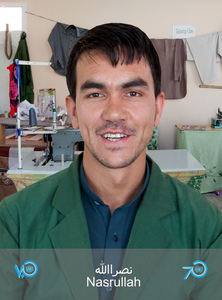
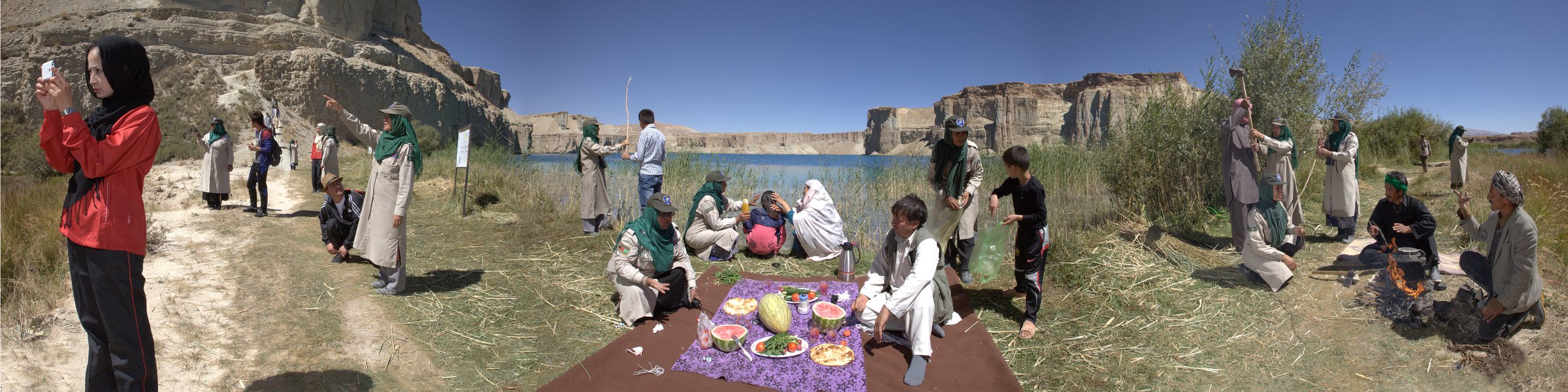
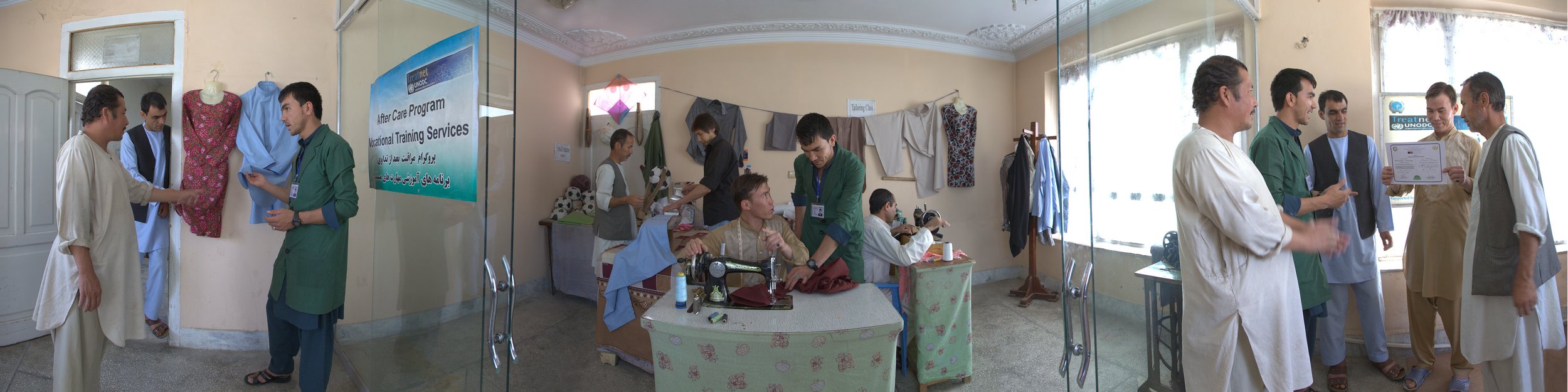
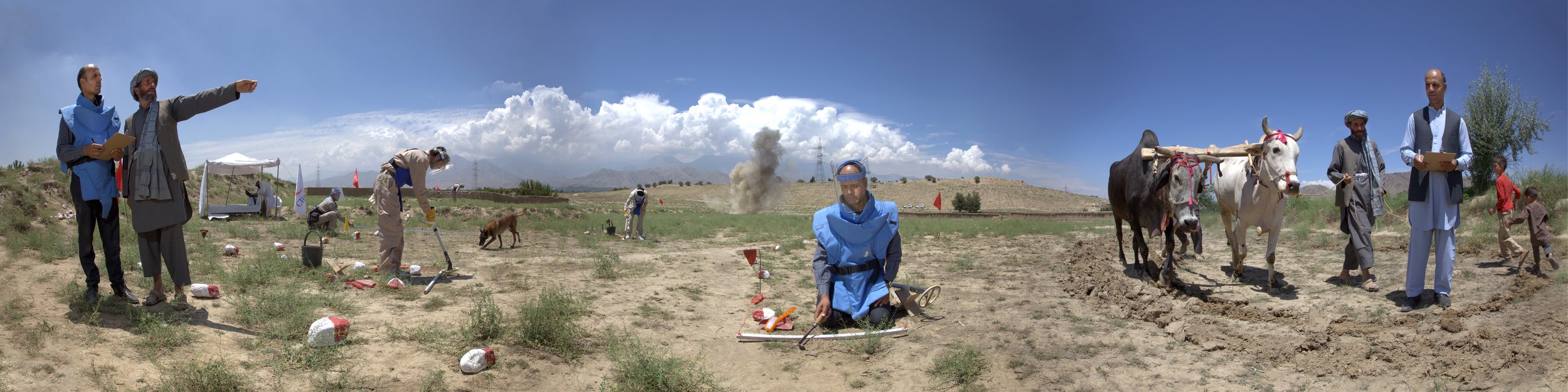
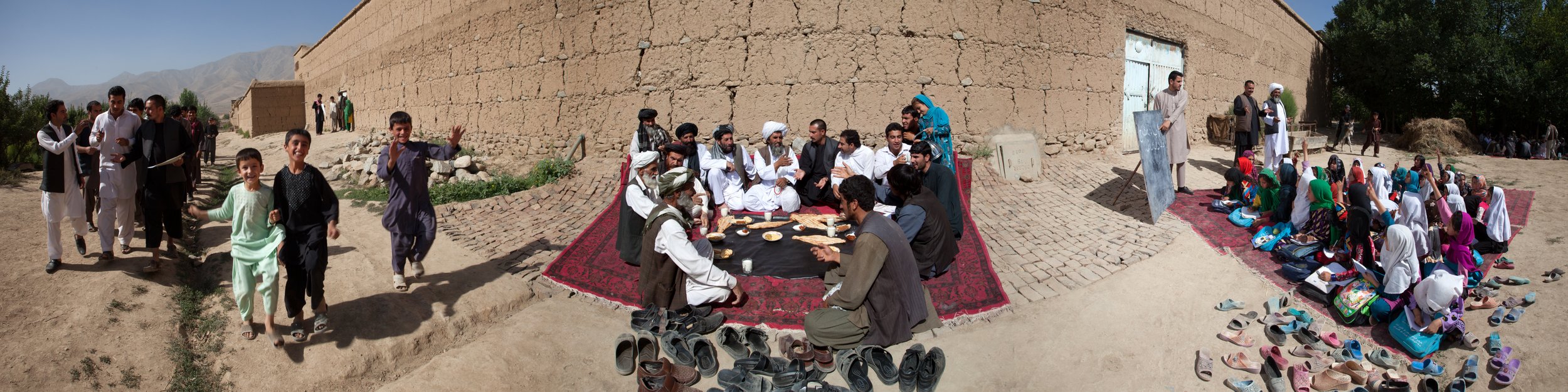
The UN70 “Strong UN. Strong Afghanistan.” campaign presented Afghan people and their contributions through personal stories, photographs and messages from the Special Representative of the Secretary-General. The website is now an archived record of that completed campaign rather than an active service, but its focus on Afghan voices remains relevant when considering how education programmes should be designed.
An effective women’s literacy curriculum must be locally grounded. It needs Afghan educators, community knowledge and careful consultation, alongside sound teaching methods. It should also be flexible enough for women who have never attended school, those returning to education after many years and learners who speak different Afghan languages.
Why literacy curriculum development matters
A curriculum gives a literacy programme its structure. It defines what learners will study, how skills will develop and how teachers will recognise progress. Without that framework, classes can become irregular, overly dependent on individual volunteers or disconnected from the situations women face outside the classroom.
For Afghan women, reading and writing may be linked to specific daily tasks. Learners may want to read a medicine label, record a child’s school information, follow a market price, identify a telephone contact or sign a document. Numeracy can support budgeting, measuring food, managing small trade and understanding dates or quantities. These practical applications make lessons meaningful and encourage continued attendance.
Curriculum developers also need to consider interrupted education. Some learners may have attended school briefly before conflict, displacement or poverty forced them to leave. Others may have had no formal education at all. A well-designed course offers a clear starting point without treating adult learners as children, and allows teachers to adjust pace without lowering expectations.
The aim is functional literacy alongside broader confidence. Lessons can gradually introduce reading comprehension, writing, numeracy, communication and problem-solving. When learning is connected to household management, health, livelihoods and community participation, women can see its value immediately.
Building lessons around Afghan languages and culture
Afghanistan is linguistically diverse, with Dari and Pashto widely used alongside other languages. A curriculum must make a deliberate decision about the language of instruction, the script learners will use and the point at which additional languages may be introduced. Early lessons are generally more accessible when they build on the language women already speak.
Local vocabulary matters. A lesson about transport, farming, water collection or household finance should use familiar terms and situations. Images, names and examples should reflect Afghan communities rather than being copied from materials designed for another country. Cultural relevance is not decoration; it affects comprehension, trust and classroom participation.
Teachers can use oral storytelling, dialogue and community knowledge as bridges to written learning. A familiar story may introduce sequencing, new vocabulary and sentence construction. A discussion about buying goods can lead to reading price signs and practising addition. These approaches respect existing knowledge while developing new skills.
Curriculum review should include Afghan women, local teachers and community representatives. Their feedback can identify words that are unclear, examples that feel inappropriate and teaching times that conflict with domestic responsibilities. Consultation also helps programmes avoid presenting outside assumptions as universal needs.
Designing access for women’s everyday lives
Attendance is shaped by practical realities. Women may care for children, work in agriculture or home-based production, travel long distances or face restrictions on movement. Classes therefore need appropriate locations, reliable schedules and arrangements that make participation safer and more manageable.
Flexible delivery can include shorter learning sessions, community-based classrooms, accelerated catch-up options and take-home exercises. Where conditions permit, women may learn through small groups, radio, printed packs or carefully supported digital resources. Each method requires quality control so that learners receive consistent instruction rather than fragmented content.
A classroom may also need childcare, female teachers or a private setting. These are programme design considerations, not optional extras. If a woman cannot attend because her children have nowhere safe to stay, the curriculum alone cannot solve the access problem. Education planning must connect teaching with safeguarding, transport and community engagement.
Australian readers may recognise similar access questions through adult education in Sydney, Melbourne or regional towns. People attending TAFE or English classes often fit study around shift work, school drop-off, public transport and family care. The circumstances differ greatly, yet the principle is shared: adult learning is more successful when services respect the learner’s full life.
Preparing teachers for adult women’s education
Teachers are the link between a written curriculum and a learner’s experience. They need training in early literacy, numeracy, lesson planning, classroom management and inclusive practice. They also require guidance on teaching adults who may feel embarrassed about not having had the chance to attend school.
A strong teacher-development programme demonstrates how to break skills into manageable steps. Teachers may begin with sounds, letters, familiar words and handwriting before moving to short texts. They can use repetition without making lessons monotonous, ask open questions and provide encouragement that recognises effort as well as correct answers.
Professional support is especially important where educators work in remote or insecure areas. Peer groups, mentoring, observation and simple teaching guides can help maintain standards. Supervisors can review lesson delivery and learner progress without turning monitoring into a punitive exercise.
Safeguarding must be part of teacher preparation. Educators should know how to maintain boundaries, protect privacy, respond to concerns and refer learners to appropriate services. Literacy classes may become places where women disclose experiences of violence, exclusion or financial hardship, so teachers need clear referral procedures and should not be expected to act as counsellors or caseworkers without support.
Linking literacy with health and livelihoods
A curriculum becomes more useful when reading and numeracy are integrated with information women need. Health-related lessons might involve appointment dates, hygiene instructions, maternal care information or identifying warning signs. Content must be accurate, understandable and checked by relevant specialists before use.
Livelihood content can include basic bookkeeping, stock records, measurements, prices and customer communication. For women involved in tailoring, food production, farming or small retail, these skills can support more reliable business decisions. Literacy education should not promise employment automatically, but it can strengthen the capabilities that economic participation requires.
The local market should influence curriculum choices. In Afghanistan, demand and opportunity vary by province, rural or urban setting and household resources. Developers should avoid assuming that every learner wants the same vocational pathway. Consultation can reveal whether women prioritise home-based enterprise, agricultural activity, wage work, further education or support for children’s learning.
There is a useful parallel with Australia’s adult migrant education system. Learners may study English through the Adult Migrant English Program, community centres or local providers while also seeking work, navigating services or preparing for vocational training. In both settings, language and literacy are more powerful when connected to real choices rather than taught as isolated classroom exercises.
Using materials that are clear, safe and adaptable
Learning materials should be legible, durable and easy for teachers to use. A basic set may include a learner book, teacher guide, handwriting exercises, numeracy activities, picture cards and assessment tools. Materials should work in classrooms with limited electricity, unreliable internet or few printing facilities.
Visual content requires care. Illustrations must be culturally appropriate, and examples should avoid reinforcing stereotypes about women’s roles. A balanced curriculum can acknowledge domestic responsibilities while also presenting women as learners, workers, organisers, entrepreneurs and community members.
Translation and adaptation need more than word-for-word conversion. A phrase that is simple in English may be confusing in Dari or Pashto, and a numerical example may not reflect local measurements or trading practices. Local reviewers should test materials with learners before broad distribution.
Digital tools can extend learning through mobile phones, audio lessons or offline applications, but technology should not become a barrier. In Australia, smartphone use is part of everyday life, including contactless payments, messaging and online appointments. Afghanistan has different levels of connectivity, device access and digital safety, so printed and face-to-face options remain essential.
Measuring progress and protecting continuity
Assessment should show what learners can do, not merely whether they have attended. Short activities can test letter recognition, reading comprehension, writing, number operations and the ability to apply skills to a practical task. Regular low-pressure checks allow teachers to identify gaps before learners fall too far behind.
Programme monitoring should examine attendance, completion, teacher support, material availability and learner confidence. Data must be collected safely and only for legitimate purposes. Women’s names, locations and personal details can carry risks, especially in fragile environments, so privacy procedures are vital.
Curriculum development is also an ongoing cycle. Feedback from teachers and learners can reveal that a lesson is too difficult, a schedule is unsuitable or a topic needs clearer explanation. Developers can revise content while preserving core learning outcomes. This process keeps the programme responsive rather than treating the original curriculum as fixed.
Australian legislation offers a useful reference point for the importance of lawful, respectful education practice. The Sex Discrimination Act 1984 protects people from sex-based discrimination in many areas, including education and employment, while privacy obligations shape how personal information is handled. Afghanistan’s legal and social context is different, so Australian frameworks cannot simply be transferred; they can, however, remind programme partners that access, safety and dignity require deliberate safeguards.
UN Afghanistan’s archived campaign provides a communications record of people and communities contributing to the country’s future. Curriculum work gives that principle a practical form. By supporting women to gain literacy skills in settings that respect their language, safety and ambitions, education programmes help strengthen households, local economies and community participation.
For readers in Australia, support can begin with informed attention to reputable United Nations agencies, established humanitarian organisations, multicultural education providers and Afghan-led community groups. Public libraries, TAFE campuses and neighbourhood organisations in cities such as Brisbane, Perth and Adelaide often connect people with credible learning and settlement initiatives. Sharing verified information, supporting responsible programmes and valuing Afghan women’s own voices can help keep literacy, inclusion and human dignity at the centre of international partnership.