
Making a Difference
Afghan Women’s Land Rights: UN Legal Awareness Campaigns
Land is a source of income, shelter, security and social standing in Afghanistan. For women, access to land can determine whether a household can grow food, keep livestock, rebuild after displacement or remain economically independent after a husband’s death. Yet a woman may have a legal claim that is difficult to prove, culturally contested or blocked by the absence of documents.
UN legal awareness campaigns have sought to narrow the gap between rights written in law and rights experienced in daily life. Their work has included public information, community dialogue, support for legal aid providers, referrals to dispute-resolution services and training for local officials. The UN70 “Strong UN. Strong Afghanistan.” campaign, preserved on the UN Afghanistan website, offers a useful historical window into the people and partnerships behind this wider work.
For an Australian audience, the subject connects with familiar ideas about property records, access to justice and the importance of trusted community services. It also requires care: Afghanistan’s customary practices, displacement patterns, family structures and political conditions are different from those in Sydney, Melbourne, Perth or regional Australia. Legal awareness is therefore most effective when it is locally grounded, delivered in accessible language and linked to practical protection.
Why Land Security Matters For Afghan Women
Women’s land rights include more than owning a title deed. They may involve inheritance, marital property, use of farmland, access to a family home, compensation after displacement and the ability to challenge an unlawful transfer. A woman who can use land but cannot register it may still face eviction, sale by relatives or pressure to surrender her share. For widows, female-headed households and women supporting children, these risks can have immediate consequences for food, housing and education.
Afghan law has recognised forms of equality, property ownership and inheritance, while Islamic principles also provide women with inheritance rights. In practice, formal rules have often competed with customary decision-making, limited registration, informal settlements and family pressure. Many rural properties have incomplete records, unclear boundaries or ownership histories disrupted by conflict. A woman may know that she has a right yet lack the documents, money, mobility or social permission needed to assert it.
This is why land security is closely tied to broader development goals. Secure tenure can help families invest in irrigation, orchards, housing and small enterprises. It can also reduce disputes that become expensive or dangerous. Legal information does not resolve every conflict, but it gives women language for describing a claim and helps communities identify when a private disagreement has become a rights issue.
From Written Rights To Everyday Access
Legal awareness campaigns translate complex laws into information people can use. Sessions may explain inheritance shares, consent in property transactions, registration procedures, the role of witnesses and the difference between mediation and a binding legal decision. Information can be delivered through radio, illustrated materials, village meetings, schools, women’s groups, mobile legal clinics and trusted religious or community leaders.
The most effective programmes tend to connect information with assistance. A campaign that tells a woman to register property without explaining where to go, how much it costs or what documents are required leaves the central barrier intact. Legal aid partners can help prepare applications, locate records, accompany clients to an office and refer cases involving violence, coercion or fraud. Confidentiality is especially important where raising a claim could trigger retaliation.
Language and timing matter as much as legal accuracy. A meeting held in a public space may exclude women who cannot travel freely or speak in front of male relatives. Separate sessions, female facilitators and discreet referral channels can make participation safer. In a country with many languages and varied literacy levels, oral explanations, local examples and visual materials may be more useful than a long printed statute.
The Role Of UN Partnerships And Public Campaigns
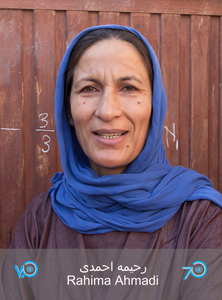
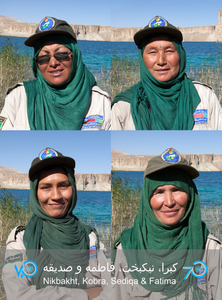
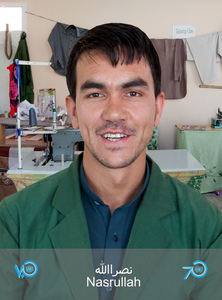
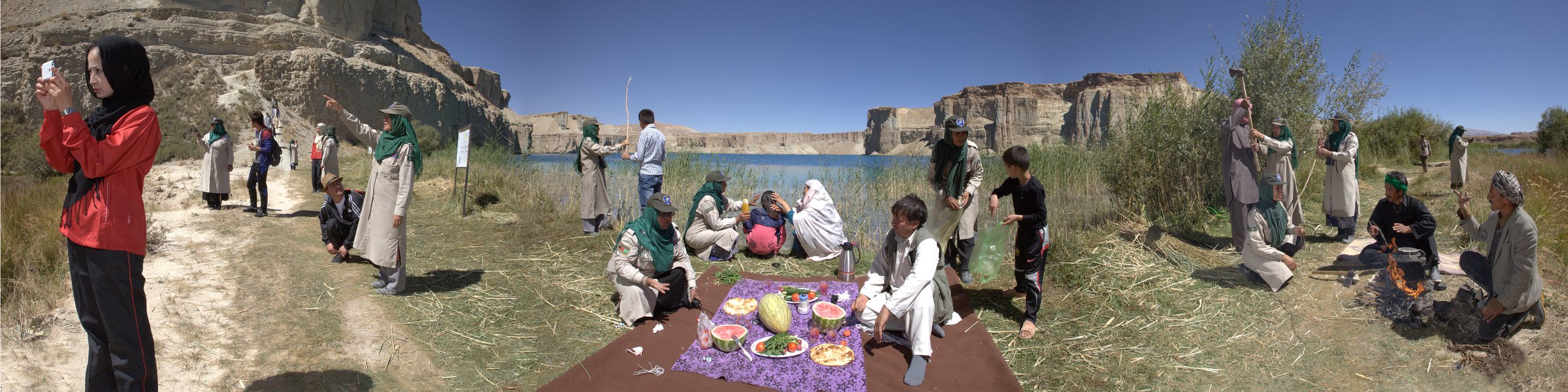
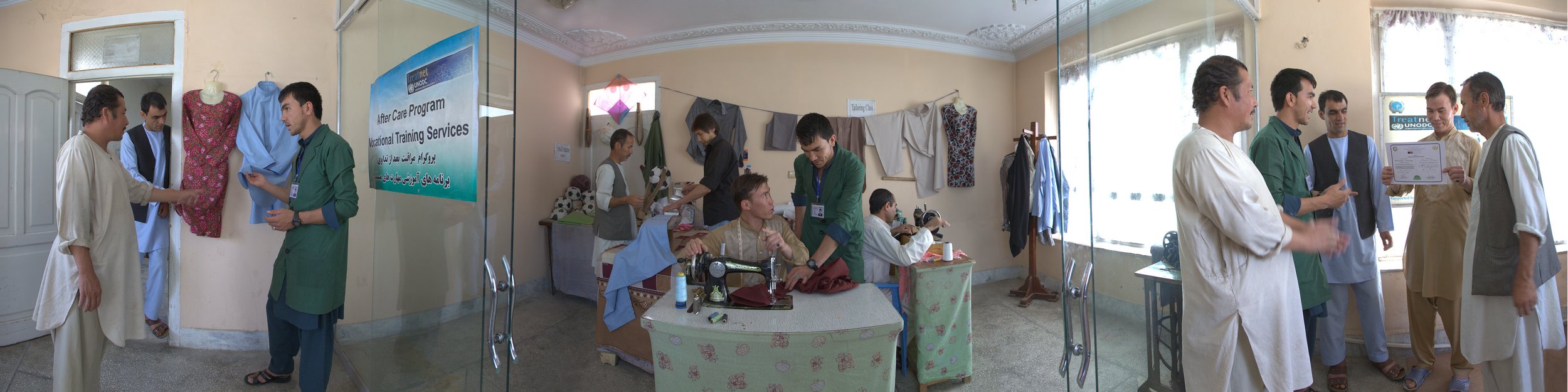
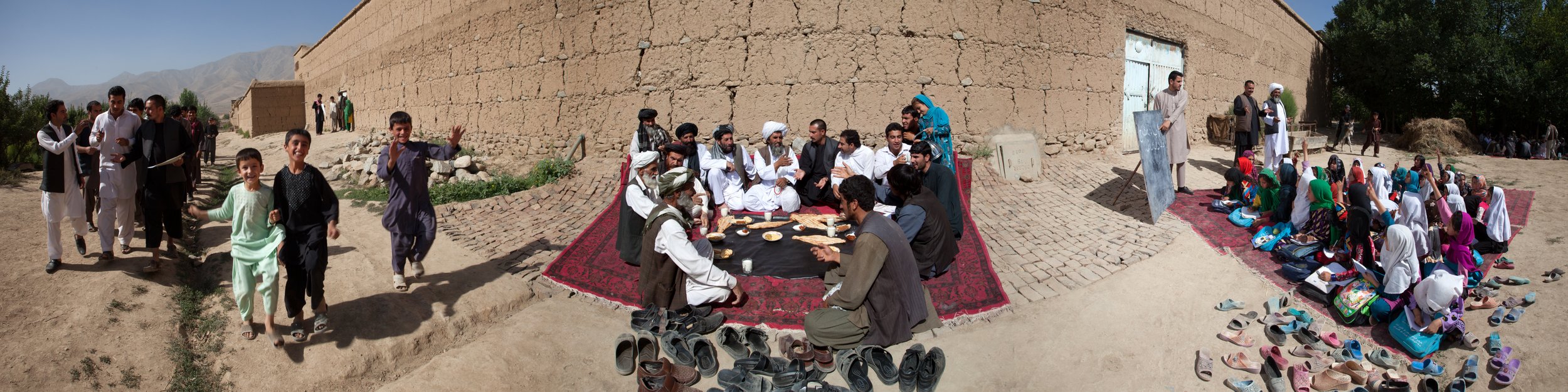
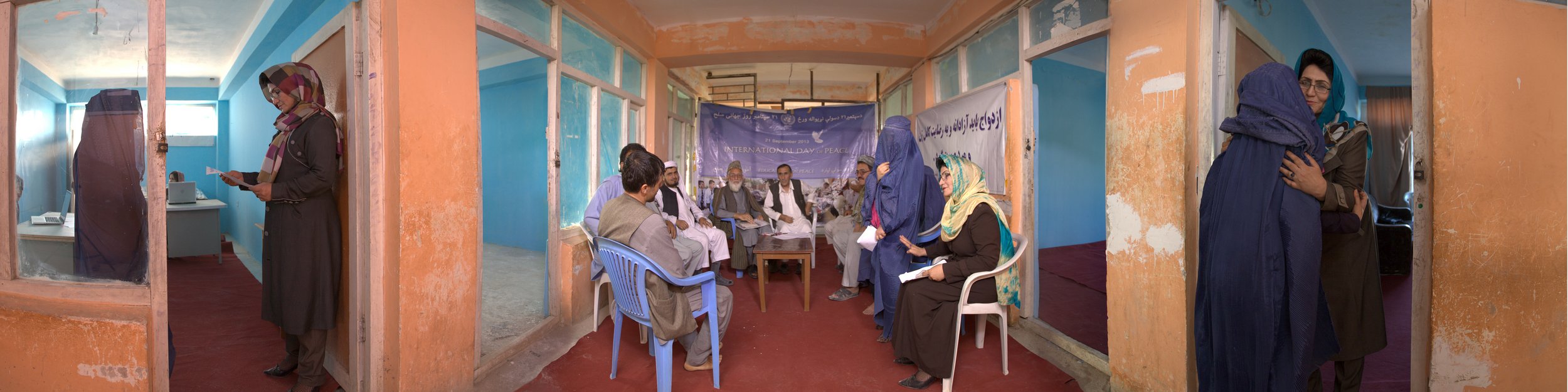
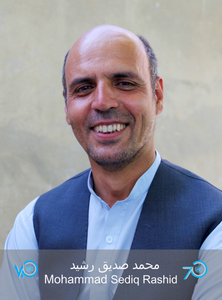
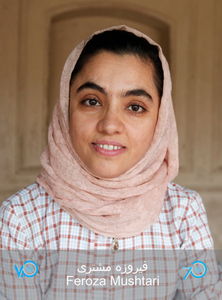
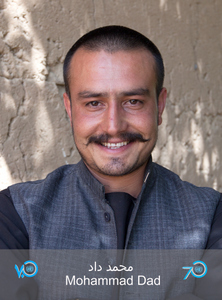
UN Afghanistan’s public-facing campaigns have presented the organisation through personal stories, photographs and messages from senior representatives, rather than treating development work as a set of distant institutions. The archived UN70 campaign, built around the idea of a strong UN and a strong Afghanistan, reflected this emphasis on Afghan people and partnerships. Although the campaign itself is completed and the website is no longer active, its communication style illustrates how public trust can support legal and social initiatives.
Across different periods, UN entities and partner organisations have worked with government departments, civil society groups, legal professionals and community representatives on issues affecting women’s access to justice. The precise programme, funding arrangement and legal environment can change, so historical campaign material should be read alongside current UN reporting and reliable Afghan sources. An archived page can document a moment without proving that a service remains available today.
Partnerships are important because land disputes rarely fit inside one institution. A land office may hold a record, a local council may know the history of a boundary, a legal aid organisation may understand the woman’s claim and a protection service may assess safety risks. Campaigns can help these actors use consistent terms and referral pathways. They can also make women’s experiences visible in public discussions that have traditionally centred on male household heads.
For Australian supporters, this partnership model resembles the role played by community legal centres, tenancy services and multicultural organisations. A person in Melbourne dealing with a property matter might need a solicitor, a translator and a social worker rather than a single appointment. The Afghan context is distinct, but the principle is familiar: legal rights become meaningful when institutions coordinate around the person seeking help.
Barriers That Awareness Alone Cannot Remove
Information campaigns cannot overcome every obstacle. A woman may understand her inheritance entitlement but be unable to travel to a land registry. She may lack a national identity document, fear losing accommodation or depend financially on the relatives who control the paperwork. Displacement can separate families from deeds and witnesses, while destroyed records can make even a legitimate claim difficult to establish.
Customary pressure can also be powerful. Some families regard land as belonging to the male line and treat a daughter’s inheritance claim as a threat to family unity. Women may be encouraged to waive their share, accept an inferior parcel or exchange land rights for marriage arrangements. Mediation can preserve relationships in some cases, but it must not become a mechanism for pressuring a woman to surrender a lawful entitlement.
The political and humanitarian setting has shifted sharply since the UN70 campaign period. Restrictions on women’s movement, employment, education and participation in public life affect their ability to seek legal assistance and earn income. Humanitarian agencies and rights organisations must continually assess whether a service is safe, accessible and permitted. Historical achievements should be recognised without presenting them as a substitute for current protection or reliable legal advice.
Measurement should therefore go beyond counting workshops. Stronger indicators include the number of women who obtain or recover documents, register land, receive safe referrals, retain control of inherited assets or report improved confidence in negotiations. Programmes should also monitor unintended consequences, such as family retaliation, exposure of confidential information or increased pressure on women to accept informal settlements.
Practical Lessons For Australian Engagement
Australian readers encounter property through systems that are comparatively documented and formalised. A home in Melbourne or Sydney is generally linked to a title search, conveyancing process and state-based land registry. Regional and remote Australia has different histories, including pastoral leases, community housing and the continuing importance of Indigenous land rights and native title. These systems cannot be transplanted to Afghanistan, yet they show why records, independent advice and accessible dispute processes matter.
There are also useful lessons for local organisations working with Afghan communities. A community legal centre in Adelaide, Brisbane or Perth may meet recently arrived families who are navigating Australian tenancy law, banking, identity documents and family property questions while maintaining connections to relatives overseas. Clear translations, women-only information sessions and referrals through trusted Afghan community associations can support participation. Observing customs such as welcoming guests with tea or gathering around Eid can help build trust, but cultural familiarity should never replace consent, privacy or professional advice.
Funding decisions should favour programmes that combine legal literacy with practical services. A radio message about inheritance has limited value if no safe legal aid pathway exists. A registration project may fail if women cannot attend offices, pay transport costs or protect themselves from retaliation. Support is stronger when it includes female paralegals, mobile services, document replacement, secure data handling and coordination with protection providers.
The Australian aid market also rewards clear evidence and accountable delivery. Donors, universities, philanthropic foundations and contractors should distinguish between outputs, such as training sessions, and outcomes, such as women retaining land or accessing compensation. They should review safeguarding policies, consult Afghan women’s organisations and avoid treating social media visibility as proof of impact. Lessons from Australia’s community legal sector are valuable when adapted carefully rather than marketed as ready-made solutions.
| Approach | Potential value for women | Main risk or limitation | Evidence worth tracking |
|---|---|---|---|
| Public radio and simple legal information | Reaches people who cannot attend formal services | Information may not lead to action | Audience reach, referrals and understanding |
| Women-led legal aid clinics | Offers confidential advice and practical support | Staff safety, funding and geographic coverage | Cases assisted, documents secured and outcomes |
| Community mediation | Can resolve boundary or inheritance disputes locally | Pressure may force women to waive rights | Voluntary participation and fair agreements |
| Land registration assistance | Creates stronger evidence of ownership or use | Missing records and travel costs can exclude households | Registrations completed by women and dispute rates |
| Partnerships with local organisations | Builds trust and improves referrals | Uneven capacity or political constraints | Service quality, safeguarding and client feedback |
UN legal awareness campaigns have shown that land rights cannot be separated from communication, documentation, safety and community trust. The archived UN Afghanistan campaign provides a record of how international institutions sought to place Afghan voices at the centre of public engagement. Its enduring value lies less in presenting a finished answer than in showing why rights-based work depends on local relationships.
Supporters in Australia can contribute by backing reputable organisations that publish safeguarding standards, consult Afghan women and report measurable outcomes. Legal practitioners, researchers, donors and community groups can share reliable resources, fund translation and interpretation, and elevate women’s accounts without exposing them to unnecessary risk. Sustained attention to secure land, fair inheritance and accessible justice helps turn legal recognition into practical power.