

Making a Difference



Connecting Afghan Women Through Community Computer Centres
Internet access can change the practical choices available to women and girls in Afghanistan. A shared computer, a reliable connection and a trained local facilitator may help someone contact family, study remotely, find health information, compare prices or communicate with an employer. These benefits matter in cities, provincial centres and rural districts where private devices and household connectivity remain out of reach.
Community computer centres are one possible response to that digital divide. They provide equipment, electricity, connectivity and guidance in a supervised setting rather than expecting every woman to own a laptop or navigate the internet alone. The model is especially relevant where mobile data is expensive, power supply is inconsistent or social restrictions make independent access difficult.
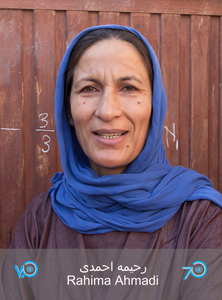
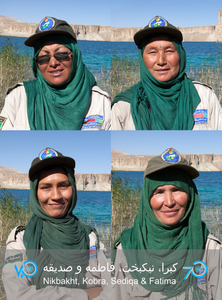
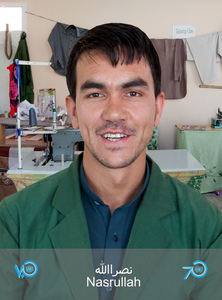
The United Nations has frequently presented women’s participation, education and livelihoods as central to Afghanistan’s future. The UN Afghanistan archive records the wider “Strong UN. Strong Afghanistan.” campaign, including stories of Afghan people contributing to their communities. It is an archived website rather than an active service directory, so any historical reference should be read alongside current local information and safeguarding advice.
For an Australian audience, the contrast is striking. A person using a public library computer in Parramatta, Geelong or Cairns may take stable broadband, digital identification and online services for granted, while an Afghan woman may need to travel considerable distances to reach one shared workstation. The comparison shows why access is about infrastructure, confidence, safety and social permission as much as it is about hardware.
Why Digital Access Matters For Afghan Women
A connection to the internet can support education in several forms. Women may use digital libraries, language lessons, literacy materials, vocational tutorials and distance-learning platforms. A community centre can also give students a quiet place to complete assignments when homes are crowded or electricity is available only at certain times.
Health information is another important use. Women may search for maternal health guidance, learn about nutrition or communicate with a trusted provider where appropriate. Information must be offered in accessible languages and checked for accuracy, since unverified medical advice can cause harm. Centres work best when digital learning is paired with referrals to qualified health and protection services.
Online access can also expand economic participation. A woman with basic digital skills may create a CV, search for training, contact customers, manage records or market handicrafts. For a seamstress, tutor or home-based food producer, a connection may help build a customer network beyond the immediate neighbourhood. These opportunities do not replace transport, finance or legal protection, but they can widen the choices available.
How Community Computer Centres Operate
A community centre usually combines a small room, computers or tablets, charging facilities, internet connectivity and staff support. Some sites may operate through a school, library, women’s organisation or local development group. Opening hours, user rules and appointment systems need to reflect the realities of women who have domestic responsibilities or cannot travel after dark.
The facilitator is central to the model. Equipment alone does not teach someone how to create an email account, recognise a fraudulent message or save a document securely. A trusted woman facilitator can provide practical instruction while helping users manage privacy, cultural concerns and technical problems. Training should be available at different levels, from first-time mouse use to online business tools.
A sustainable centre also needs maintenance. Computers require updates, repairs and protection from malware; routers and batteries need replacement; and staff need reliable wages. In locations with weak grid electricity, solar systems, battery storage or backup generators may be essential. Planning for these costs from the start is more realistic than treating donated devices as a complete solution.
Designing Safe And Inclusive Spaces
Safety must be built into the centre’s physical and digital design. A private layout, suitable opening hours, female staff and clear visitor procedures can make attendance more acceptable. The centre should provide a respectful environment for women with disabilities and consider accessible seating, screen settings, audio support and assistance for users with limited literacy.
Digital safety deserves equal attention. Participants need to understand strong passwords, account recovery, phishing, location sharing and the risks of uploading personal documents. Shared computers should clear browsing histories, downloads and saved credentials after each session. Staff must never collect more personal information than necessary, and records about users should be stored securely.
Confidentiality is particularly important for women seeking advice about work, education, health or family circumstances. A centre should explain what information is recorded, who can access it and how complaints can be made. Safeguarding procedures also need to cover harassment, coercion and exploitation, with referrals available through recognised protection providers rather than leaving staff to manage serious cases alone.
Making Services Relevant To Daily Life
A useful centre starts with local needs rather than a generic computer curriculum. Participants might want to learn keyboard skills, use messaging applications, complete an online form, prepare a job application or manage a small inventory. Lessons should use familiar examples, local languages and short practical tasks that build confidence over time.
Women may also need support navigating public information. This could include finding agricultural advice, checking education opportunities, locating humanitarian assistance or understanding financial services. Staff should distinguish between official sources, community information and commercial advertising. The aim is to help users evaluate information independently, not to make the centre a gatekeeper for every decision.
Local enterprise can benefit from targeted digital training. A participant might photograph products, write a description, calculate costs or communicate with buyers. Training should include pricing, delivery risks, customer privacy and online fraud. Australian readers will recognise a similar need in small-business programs offered through libraries and neighbourhood houses, although Afghanistan’s connectivity, security and market conditions are very different.
Barriers Beyond The Computer
The cost of access can remain a serious obstacle. Fees for transport, sessions, printing, mobile data and document preparation may discourage attendance even when the centre itself is subsidised. Centres can respond with transparent pricing, free introductory sessions, targeted support for low-income users and partnerships that cover essential learning materials.
Distance and mobility also affect participation. A woman may need permission to travel, childcare during a class or a safe route home. One centre in a provincial capital cannot serve every surrounding village. Mobile training teams, satellite rooms, community-based digital mentors and carefully planned transport support may extend the reach of a fixed site.
Language and literacy barriers require patience. A user who cannot read confidently in a dominant language may still have strong business knowledge or community leadership skills. Visual instructions, audio content, peer learning and gradual practice can reduce embarrassment. Training should recognise existing abilities instead of presenting digital skills as a test of intelligence.
Social and political conditions can change quickly. Rules affecting women’s education, employment, movement and communication may limit what a centre can offer. Organisations must regularly assess risk, consult local communities and avoid exposing participants to retaliation. Digital inclusion is valuable only when participation does not create new danger.
Practical Features That Support Participation
A centre can prioritise simple features that make regular use easier.
Essential facilities
- Reliable electricity with backup charging
- Private, well-maintained computers
- Fast local-language support
- Clear opening hours and fair access rules
Daily operations also benefit from services that connect learning with immediate needs.
Useful support services
- Introductory digital literacy sessions
- CV, email and online form assistance
- Cyber-safety and privacy guidance
- Referrals to trusted education, health and protection providers
These features are adaptable rather than prescriptive. A small centre may begin with fewer devices and expand as attendance grows, while a larger facility can offer separate sessions for students, entrepreneurs and first-time users. Community feedback should shape the timetable, equipment purchases and staff training.
Australian organisations considering partnerships can draw on familiar models such as public library technology classes, neighbourhood houses and digital inclusion programs. However, importing a metropolitan Australian approach without local consultation would be unsuitable. Afghan centres need locally trusted staff, context-specific safeguarding and realistic plans for electricity, connectivity and security.
Measuring Long-Term Value
Counting the number of computers or visitors gives only a partial picture. A stronger assessment records whether women return, complete training, use new skills independently and reach goals that matter to them. Measures might include education enrolment, employment applications, business activity, access to verified information and confidence using online tools.
Evaluation must protect participants. Personal stories should be collected only with informed consent, and names or photographs should not be published when doing so could create risk. Anonymous feedback, group discussions and facilitator observations may provide useful evidence without exposing sensitive details.
The quality of a centre can also be assessed through practical indicators: working equipment, average repair time, availability of female staff, privacy procedures and the number of users receiving advanced training. Funders should examine whether the project is strengthening local capability rather than creating dependence on short-term external support.
The wider value may appear gradually. A woman who learns to send an email may later support a daughter’s studies, help a neighbour complete a form or develop a home-based enterprise. These effects are difficult to capture in a single statistic, yet they show how shared digital spaces can contribute to confidence, connection and community resilience.
Community computer centres cannot solve Afghanistan’s broader restrictions, poverty, displacement or unreliable infrastructure. They can, however, provide a practical point of access when they are designed with women, managed responsibly and linked to education, livelihoods and protection services. The archived UN campaign offers a reminder that Afghanistan’s progress is shaped by Afghan people themselves, including women whose skills and decisions deserve meaningful support.
Australian readers can support responsible digital inclusion by learning from reputable humanitarian organisations, sharing verified information and backing programs that publish clear safeguarding and accountability standards. The most valuable partnerships respect local leadership, fund maintenance as well as equipment and treat internet access as a matter of opportunity and dignity. Support thoughtful initiatives that help Afghan women connect safely, build skills and shape the future of their communities.