
Making a Difference
Afghan Women Artisans Shine Through UN International Trade Exhibitions
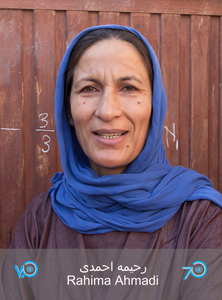
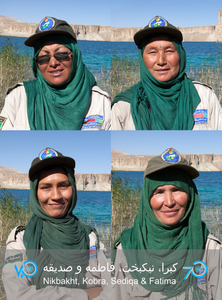
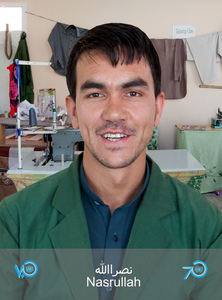
Across dusty valleys and centuries-old market lanes, Afghan women have long turned thread, clay, and stone into expressions of resilience. Their embroidery, jewellery, and textiles carry stories that predate modern borders, and through international trade exhibitions hosted under United Nations auspices, those stories reach buyers, designers, and cultural institutions far beyond Central Asia.
For audiences in Australia, the UN's role in connecting these artisans to global markets offers a useful lens through which to view fair trade, ethical sourcing, and the country's own relationship with imported craft. Visitors wandering through the Finders Keepers markets in Sydney or Melbourne, or browsing stalls at the Melbourne Gift Fair, often encounter pieces whose origins trace back to development programmes that span continents.
A Living Tradition Shaped by Women
Afghan craftsmanship is rarely a single discipline. It is a mosaic of techniques passed from mother to daughter, often within the walls of family compounds where men and women move through separate spheres of daily life. Women dominate the production of embroidery, particularly the kabuli-style work found in urban workshops and the dense cross-stitch patterns of the Pashtun south. Carpet weaving, traditionally a male craft in some regions, has seen growing female participation as economic pressures reshape rural households.
The materials tell their own story. Silk threads from Herat, hand-spun wool from the highlands of Bamiyan, and silver filigree from the bazaars of Jalalabad each require access to specific supply chains, many of which have been disrupted by conflict or political shifts. When women are cut off from raw materials, finished pieces can lose their regional signatures, reducing both cultural value and market price.
UN agencies, including UN Women and the United Nations Development Programme, have invested in restoring supply networks. Vocational training centres in Kabul, Mazar-i-Sharif, and Herat teach younger women the foundational stitches and patterns that older generations risk losing as displacement continues. The exhibitions function partly as a commercial showcase and partly as a documentation project, ensuring that techniques are not only preserved but actively valued.
How UN Trade Exhibitions Operate
International trade exhibitions under UN coordination follow a hybrid model. Some are held in Geneva, New York, or Vienna, while others travel to regional hubs including Dubai, Istanbul, and Bangkok. Afghan women's handicrafts are typically grouped under a national pavilion, curated by organisations such as the Afghan Ministry of Commerce and Industry working alongside UNIDO and ITC specialists.
What distinguishes these exhibitions from ordinary trade fairs is the curatorial framework. Pieces are paired with narrative displays explaining the village of origin, the materials used, and the social context of production. Buyers are invited to engage not just with the object but with the human story behind it, a practice that aligns with growing consumer expectations for transparency and ethical sourcing.
Buyers from Australia who attend these exhibitions, or who view the catalogues published afterward, frequently include boutique importers and design studios sourcing for outlets in Brisbane, Perth, and Adelaide. The exhibitions also serve as a benchmark for pricing, helping artisans avoid the kind of exploitation that can occur when intermediaries drive costs down without regard for labour intensity.
Comparing the Major Craft Categories
Different Afghan handicrafts command different positions in international markets. The table below outlines the major categories, their typical price ranges at UN-facilitated exhibitions, and the export considerations most relevant to Australian importers.
| Craft Type | Primary Material | Typical Price Range (USD) | Key Export Consideration for Australia |
|---|---|---|---|
| Kuchi Jewellery | Silver, glass beads, coral | $45–$320 per piece | Requires CITES documentation for antique coral |
| Herati Embroidery | Silk thread on cotton | $60–$500 per garment | Subject to biosecurity inspection if second-hand |
| Bamiyan Wool Carpets | Hand-spun wool | $400–$4,500 per 2m² rug | Heavy items; consider freight consolidation |
| Lapis Lazuli Pieces | Semi-precious stone | $25–$1,200 per item | Stones must be declared under customs codes |
| Ceramics of Istalif | Glazed terracotta | $30–$220 per vessel | Fragile; air freight strongly advised |
These price points reflect the value added by skilled labour and the time invested in each piece. A single Herati embroidered dress can require several months of work, often produced by women balancing household duties, childcare, and craft production within limited daylight hours. Buyers who understand the labour behind an object are more likely to price it fairly on retail shelves, both at home and abroad.
Australia as a Market and Cultural Partner
Australia imports more handicrafts than is widely recognised. The country lacks a strong domestic cottage industry in the volumes required by retail chains, which has historically created space for imports from South and Central Asia. Government data shows that small-lot craft imports have grown steadily over the past decade, particularly through online platforms that bypass traditional wholesale channels.
Within Australia, the Melbourne Gift Fair and Reed Gift Fairs operate as the largest dedicated trade exhibitions for retail buyers, and they often feature pavilions highlighting fair trade and ethically sourced products. Comparable events in Sydney, such as Life InStyle, attract independent designers and boutique owners who frequently travel internationally in search of unique supply. The Finders Keepers markets, while primarily a consumer-facing event, also function as testing grounds for new products entering the Australian market.
Australian consumers have shown increasing interest in the provenance of imported goods. The Fair Trade Association of Australia and New Zealand works with retailers to verify supply chains, and several state-based initiatives support the inclusion of ethically sourced pieces in galleries and museum gift shops, including the National Gallery of Victoria and the Art Gallery of New South Wales. Australian universities have also played a quiet role: RMIT, the University of Technology Sydney, and the Queensland University of Technology host visiting artisans whose work examines how international exhibitions influence local production decisions.
Import Considerations for Australian Buyers
Importing handicrafts into Australia requires attention to several regulatory layers. The Biosecurity Act 2015 governs what can enter the country without treatment or inspection, and items made from animal products, untreated wood, or certain natural fibres may require fumigation or certification. A wool carpet imported from Bamiyan, for example, must pass biosecurity screening to confirm it is free from pests and contaminants.
Customs valuation treats handcrafted items according to their declared value, with duty and GST calculated accordingly. Buyers who attend UN trade exhibitions typically receive documentation that supports a fair market valuation, which can streamline the customs process. Importers are encouraged to work with licensed customs brokers familiar with cultural goods, particularly when dealing with pieces that may raise questions about age or heritage status.
Australia's Office of the Arts, housed within the Department of Infrastructure, Transport, Regional Development, Communications and the Arts, also administers the Protection of Movable Cultural Heritage Act 1986. While this legislation primarily concerns objects of Australian significance, it interacts with international conventions that protect cultural goods from countries experiencing conflict, including Afghanistan. Importers should therefore confirm that any piece purchased has clear provenance documentation before it leaves its country of origin.
Public campaigns such as the UN70 "Strong UN. Strong Afghanistan." initiative amplified these stories by pairing Afghan artisans with international audiences. Although the campaign has concluded, its archived materials continue to serve as a resource for educators, importers, and curious consumers who wish to understand the people behind the products.
Supporting Afghan women's handicrafts does not require a trip to Geneva or a seat at a UN panel. Australian readers can begin by seeking out pieces from verified fair trade suppliers, asking retailers about provenance, and advocating for transparent labelling in shops that stock imported craft. Galleries, cultural centres, and university programmes in Sydney, Melbourne, and Perth regularly host events that showcase Afghan artisans, often in collaboration with the diplomatic community. Every purchase carries a ripple effect, reaching back through a supply chain that begins with a woman at a loom, a jeweller's bench, or a potter's wheel. When buyers choose ethically sourced Afghan craft, they participate in a global conversation that the UN's international trade exhibitions have spent decades fostering.