
Making a Difference


Afghan women’s expos: opening markets and financial pathways
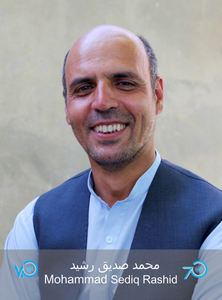
Afghan women’s entrepreneurship expos can turn handmade food, textiles or digital products into sustainable livelihoods. Their value lies in connecting an entrepreneur’s skills with buyers, mentors and finance providers who can help her move from occasional sales to dependable income. The UN70 “Strong UN. Strong Afghanistan.” campaign offers a useful perspective: lasting progress depends on partnerships that recognise Afghan people as agents of their own economic development.
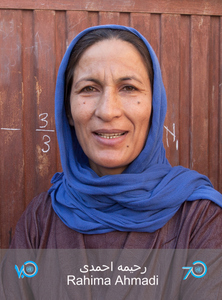
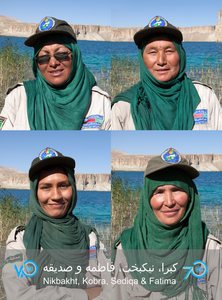
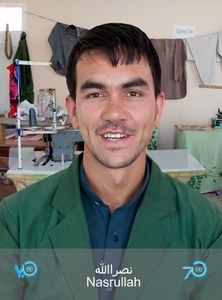
The archived campaign presents Afghan stories through photography, news and messages from the Special Representative of the Secretary-General. It is not a current expo registration service, loan portal or endorsement of a particular lender. For women still working in Afghanistan, barriers can include insecurity, disrupted connectivity, restrictions on travel and work, and limited access to banking services. Australian connections offer additional possibilities, especially through the country’s established Afghan communities in Melbourne and Sydney.
From an expo stall to a lasting customer relationship
An entrepreneurship expo works best when the event creates a commercial pathway rather than a temporary display of products. A woman selling saffron bread, handwoven wool or preserved foods needs more than foot traffic. She needs feedback on packaging, an understanding of local prices, a reliable method for taking orders and a buyer who will return. Demonstrations can reveal demand quickly, but orders and repeat purchases reveal whether the business can survive beyond the event.
A UN-linked expo can add credibility and access to networks. Organisers may bring together community organisations, business associations, retailers, importers, public agencies and financial providers. They may also provide guidance on registration, digital payments and export documentation. The strongest model treats these relationships as referrals with clear next steps, rather than as promises of funding that no institution has approved.
Follow-up determines the expo’s impact. Organisers can schedule buyer visits, online introductions and product-tasting sessions during the following weeks. Entrepreneurs can record which customers requested samples, which orders were confirmed and which costs remain. This information helps refine production without purchasing equipment prematurely. Success should therefore be measured through sales, survival and job creation, not simply the number of exhibitors who attended.
What market access really involves
Market access includes information, trust, logistics and the ability to meet a buyer’s requirements. A retailer in Melbourne may want attractive packaging and regular weekly deliveries, while a purchaser in another city may need formal invoices, predictable volumes and traceable sourcing. These requirements differ from selling at a weekend market. An expo can help an entrepreneur understand them and identify the skills, partnerships or equipment needed to respond.
Australian consumer habits create both openings and obligations. Shoppers commonly discover specialist food businesses at weekend markets or through social media and online marketplaces, and many prefer convenient card or contactless payments. Afghan entrepreneurs can use this familiarity when presenting products, although relying on one sales channel can create vulnerability. A mix of direct sales, wholesale relationships and digital orders can spread risk while preserving control of the customer relationship.
Local law matters at every stage. The Australian Consumer Law prohibits misleading claims about quality, origin or performance. Food businesses must observe allergen, labelling and safety requirements, while relevant product-safety and textile standards apply to other goods. Many sole traders register an Australian Business Number, and GST registration generally becomes necessary once annual taxable turnover reaches AUD75,000. A buyer for export should also check the rules in the destination market rather than assuming Australian compliance covers every requirement.
Loans that protect rather than deepen vulnerability
A loan can address a clear business constraint, but credit should follow evidence of demand rather than precede it. Imagine that an Afghan food producer has received a wholesale order requiring AUD2,000 in ingredients and packaging. The buyer will pay after delivery. A suitable working-capital facility or supplier-advance product may fit that timing gap better than a larger personal loan. Understanding the difference between financing a transaction and financing general living expenses is essential.
UN-linked events can introduce entrepreneurs to information about finance without acting as the lender themselves. Exhibitors might encounter banks, credit unions, community finance providers, cooperatives or specialist small-business programmes. Before signing, an entrepreneur should check the annual cost, fees, repayment schedule, security requirements and consequences of late payment. Transparent terms are especially important when a business has limited cash reserves or an unfamiliar credit history.
Australian credit providers must meet licensing, responsible-lending and financial-crime obligations overseen by the Australian Securities and Investments Commission. Assessment should focus on the business’s performance, market and repayment capacity, not on an entrepreneur’s nationality or gender. Grants can complement finance by covering training, certification or equipment that a loan would not reasonably finance. Blended support can also reduce the risk of pushing an already fragile enterprise into unmanageable debt.
Australia’s Afghan business networks and local opportunities
Afghanistan’s diaspora in Melbourne and Sydney includes entrepreneurs with experience in food, hospitality, trades, retail and technology. These networks can provide market knowledge, mentoring and initial customers, while maintaining the cultural connection that helps Afghan products reach appropriate audiences. Community associations can organise tastings, supplier introductions and practical workshops that connect newcomers with Australian business systems without requiring every founder to start alone.
Local markets extend beyond the largest cities. Farmers’ markets, suburban food precincts and online storefronts can offer testing opportunities before an entrepreneur commits to commercial premises. Australian consumers also place value on traceable ingredients and ethically sourced goods, giving producers a chance to explain their methods. Claims must remain accurate: a well-supported story about a family enterprise is more credible than an exaggerated promise about an export product.
Universities, incubators and technical colleges can contribute mentors with direct experience in Australian operations. Advice on bookkeeping, hiring, inventory and tendering is often as valuable as access to money. Large buyers may also welcome supplier diversity, although participation requires meeting procurement, insurance and quality-assurance standards. An expo badge cannot replace formal supplier registration, and UN procurement opportunities have their own eligibility and tender processes.
A practical checklist for stronger market and finance pathways
A useful event plan has two connected halves. The first focuses on converting interest into manageable commercial relationships.
- Bring buyers with defined needs, purchasing authority and realistic order volumes.
- Help exhibitors present prices, packaging, minimum quantities and delivery schedules clearly.
- Explain local labelling, safety, tax and digital-payment requirements before orders are taken.
- Arrange follow-up meetings and record the next action for every qualified lead.
The second set of questions concerns finance, particularly whether borrowing matches the opportunity.
- Separate grants, working-capital loans and larger investment finance according to the purpose of each.
- Calculate the full repayment cost, including interest, fees and charges.
- Test repayment capacity against realistic orders rather than optimistic sales projections.
- Keep account access, customer data and commercial decisions under the entrepreneur’s control.
Both sets of steps should reflect an Afghan woman’s judgement rather than replace it. If she cannot obtain customer data because of security concerns, the event should not request it unnecessarily. If a proposed loan threatens essential household expenses, a smaller transaction-based arrangement or grant may offer a safer route. Organisers should also provide independent advice where contracts are complicated.
Turn campaign stories into practical support
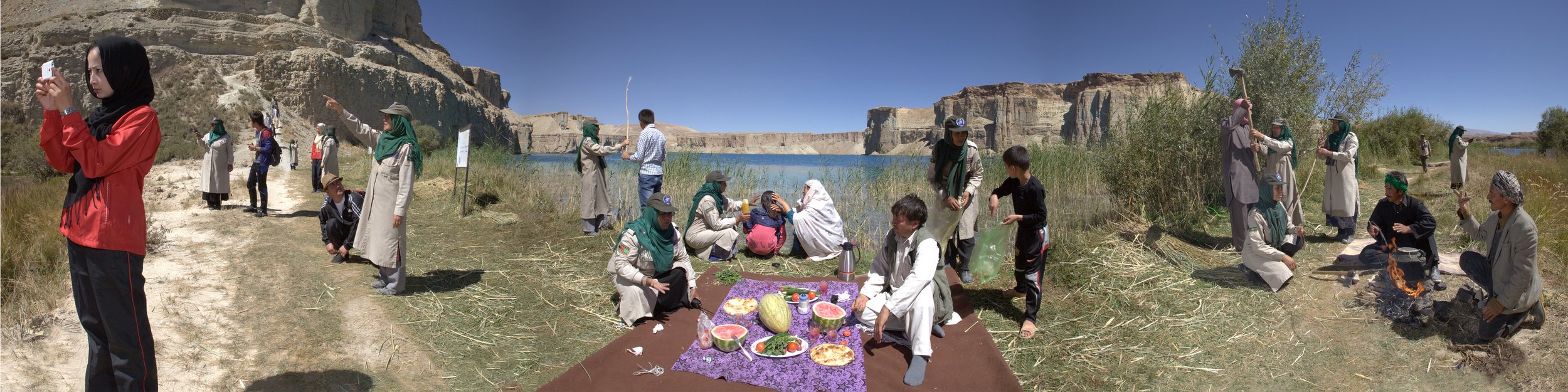
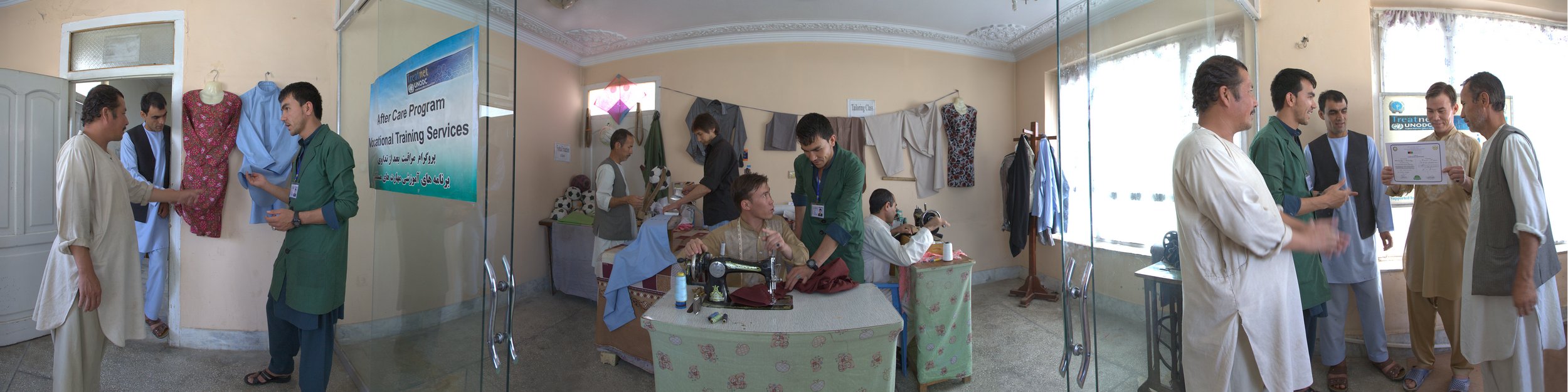
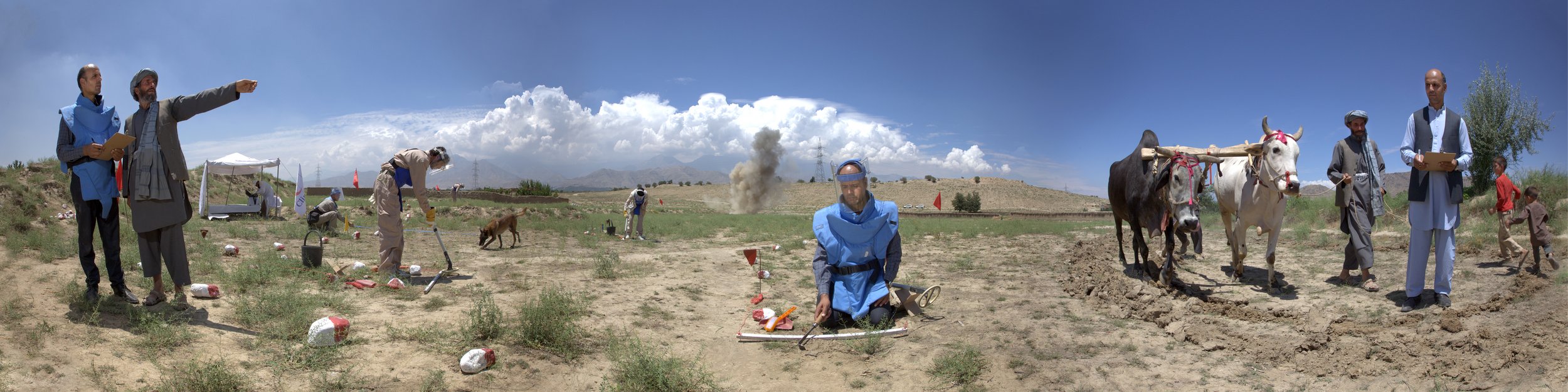
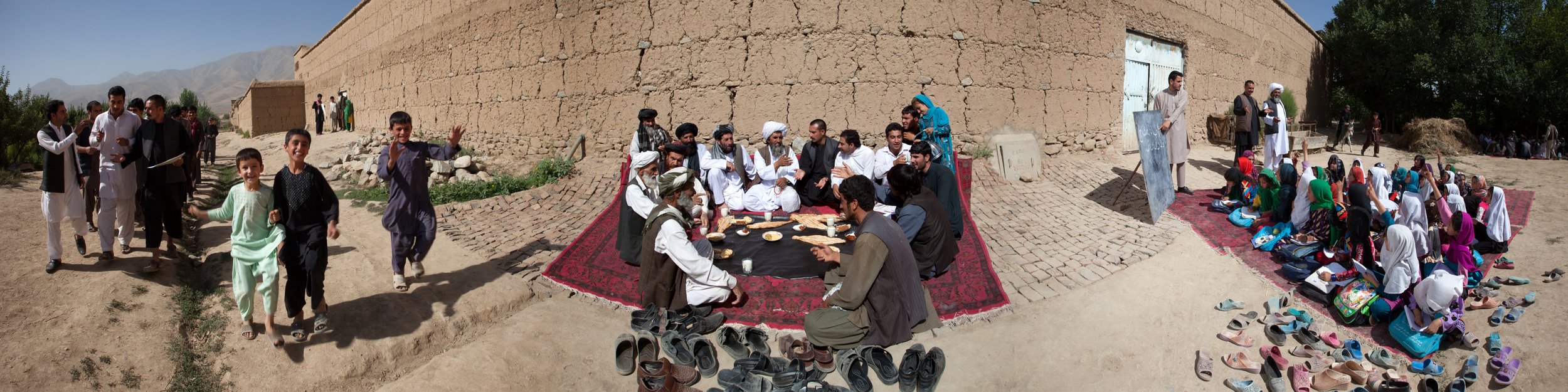
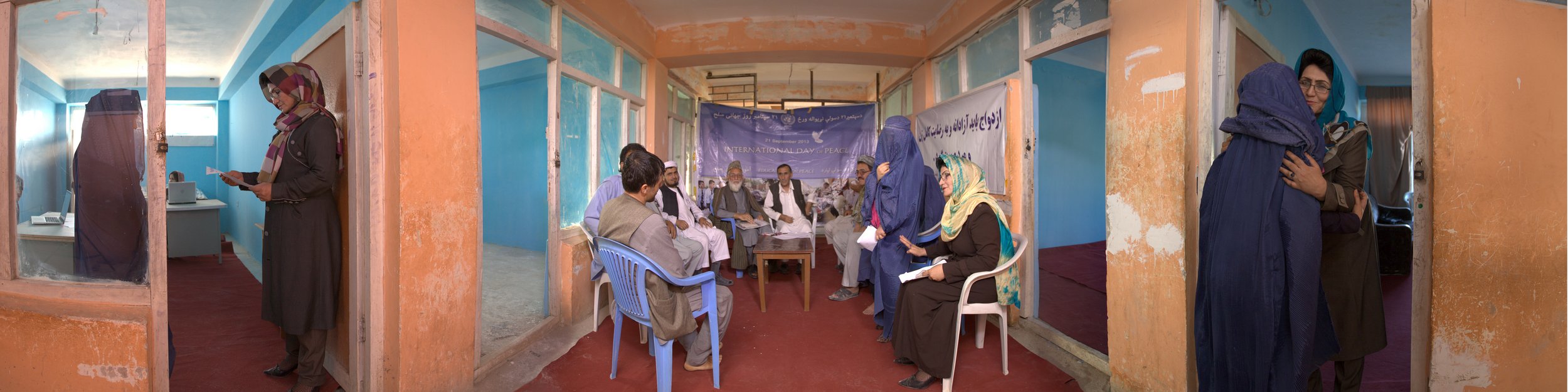
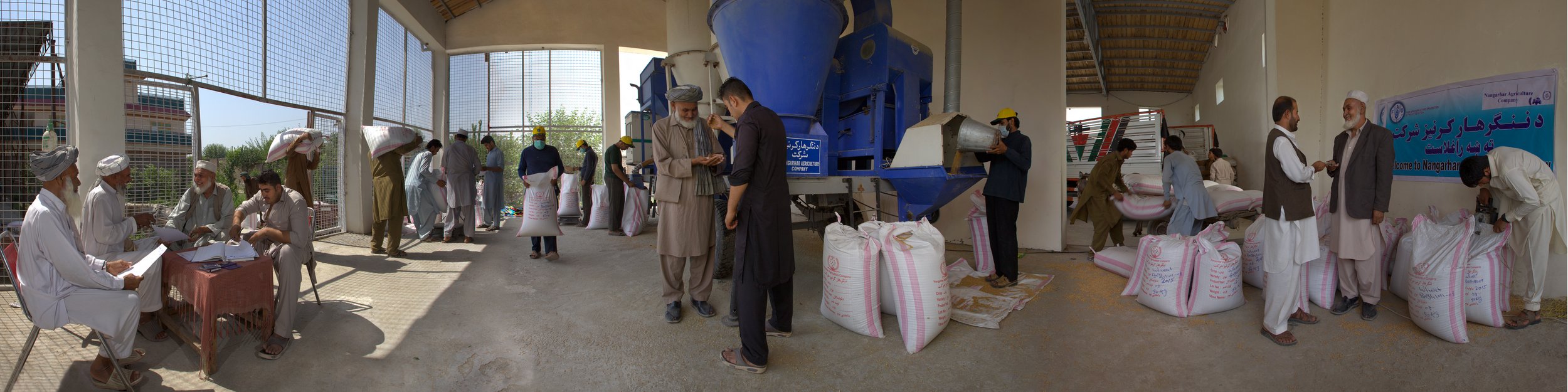
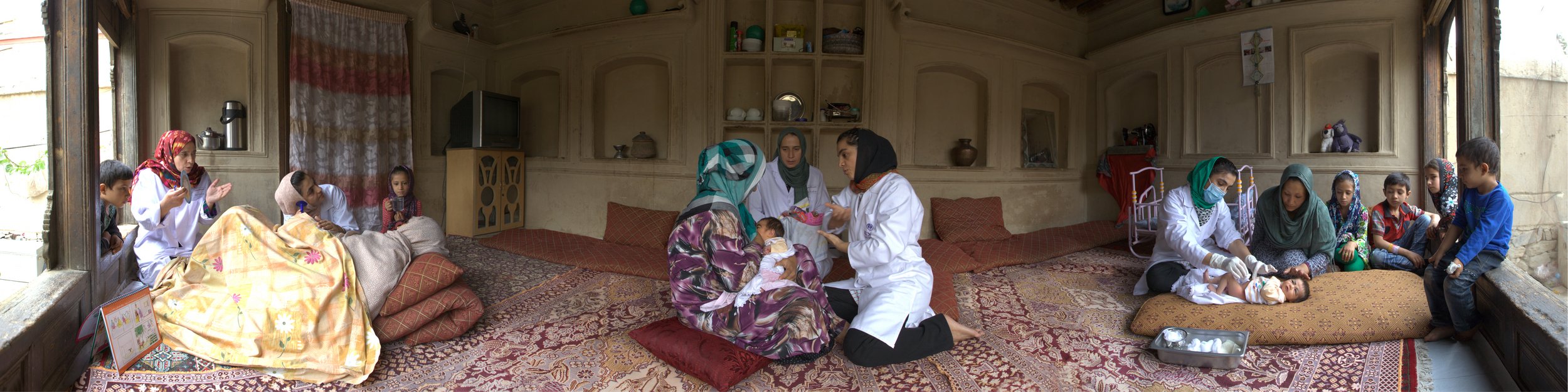
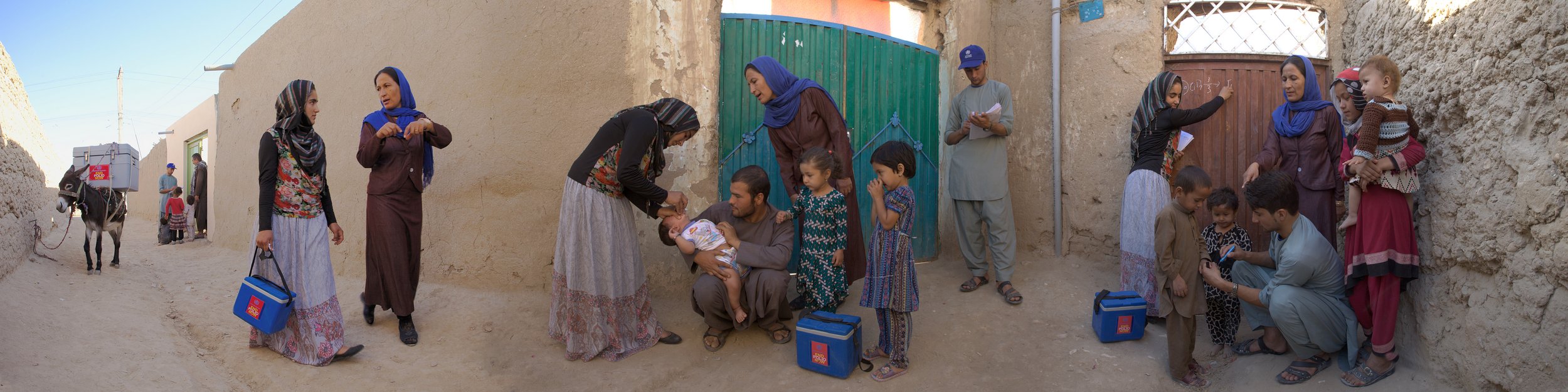
The archived UN Afghanistan campaign preserves a record of Afghan contributions that can guide practical action today. Its photographs and stories help counter the tendency to discuss economic recovery without acknowledging the people already building businesses, teaching skills and supporting their communities. They also remind Australian partners that meaningful support begins with relationships built around trust, dignity and shared decision-making.
Organisers, councils, associations and financial institutions can use the campaign’s example when designing inclusive entrepreneurship events. That means inviting Afghan women as speakers, advisers and exhibitors, not merely as visitors. It also means checking that market opportunities and finance are genuine, that referrals are tracked and that no organisation presents itself as a UN guarantor unless it has received that authority.
Start by exploring the archived UN Afghanistan UN70 campaign, sharing an Afghan woman entrepreneur’s story with her consent, and connecting her with a verified Australian buyer, mentor or regulated lender. Support the relationship beyond the event, and keep Afghan women’s economic contribution visible.