
Making a Difference



UN-provided ambulances for pregnant women in Afghanistan
Pregnancy can become a medical emergency in minutes: heavy bleeding, severe pain, seizures or sudden changes in a baby’s movement may require urgent care. For women in remote Afghan districts, the distance to a functioning maternity ward can exceed the clinical window for safe intervention. Afghan women’s emergency transport therefore depends on more than the availability of a vehicle. It depends on early recognition, a clear referral route, reliable communications and a receiving team ready to act.
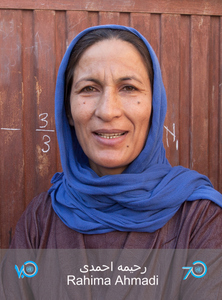
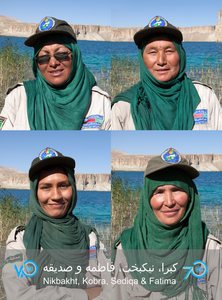
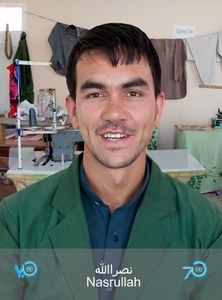
The UN-supported ambulance response links community health workers, midwives, drivers and hospitals into one chain of care. Vehicles can carry basic stabilising equipment and help move a patient across difficult terrain, while clinical staff provide advice during the journey and arrange handover at the other end. The approach reflects the UN70 Strong UN. Strong Afghanistan campaign, which documented how international support can strengthen local leadership. Its dedicated pages are now an archive, but the stories and principles remain relevant to continued humanitarian work.
Why delay can become the greatest danger
When a complication is recognised, the first task is to decide whether the woman needs transfer to a clinic with maternity, newborn and blood services. A community midwife, birth attendant or health worker may contact the dispatch point, describe the symptoms and arrange transport. Clear handovers help dispatchers choose the appropriate vehicle and destination. Without this step, valuable time can disappear while relatives search for fuel, a driver or a route.
Afghan terrain magnifies delay. Mountain tracks, winter snow, washed-out roads, summer heat and conflict-related access constraints can make a short journey on a map unmanageable in practice. An ambulance with a trained driver and working communications can assess conditions and adjust the route, while local responders provide the first link to families. That local knowledge is essential: a vehicle unfamiliar with the district may be delayed by road barriers, landslides or seasonal conditions that a nearby team would recognise.
Trust also affects speed. Women may hesitate to seek help when they expect to be judged, lose control over decisions or travel without suitable support. Confidential communication, respectful care and the option of a female clinician can make an emergency referral more acceptable. Community outreach should explain warning signs without stigmatising families, and transport should preserve dignity even when a woman cannot pay privately for the journey.
What an emergency ambulance changes
An emergency ambulance turns a dangerous, improvised journey into a supervised referral. Depending on local availability, it may carry oxygen, first-aid supplies, basic infection-control materials and equipment for moving a woman safely. Its crew can monitor her condition, communicate with the receiving hospital and give the receiving team advance warning of her needs. The vehicle is a practical bridge, but it cannot replace surgery, blood transfusion, trained obstetric staff and newborn care.
The strongest systems plan for both ends of the trip. Before departure, the dispatcher and clinician check whether the destination is open, staffed and prepared to manage the emergency. On arrival, staff should receive a concise handover covering the pregnancy history, vital signs, treatment given and any allergy or medication information. If a hospital lacks the required capacity, an onward referral must be arranged without leaving the patient stranded at the first doorway.
Safe transport also means allowing the woman and, where appropriate, a chosen family member to remain together. Privacy, consent and clear explanations matter during a frightening event. Records and medicines should move with the patient, while communication should account for language and literacy. These details reduce confusion at handover and help clinicians make faster decisions, especially when the patient arrives tired, in pain or unable to speak for herself.
What dependable maternal transport requires
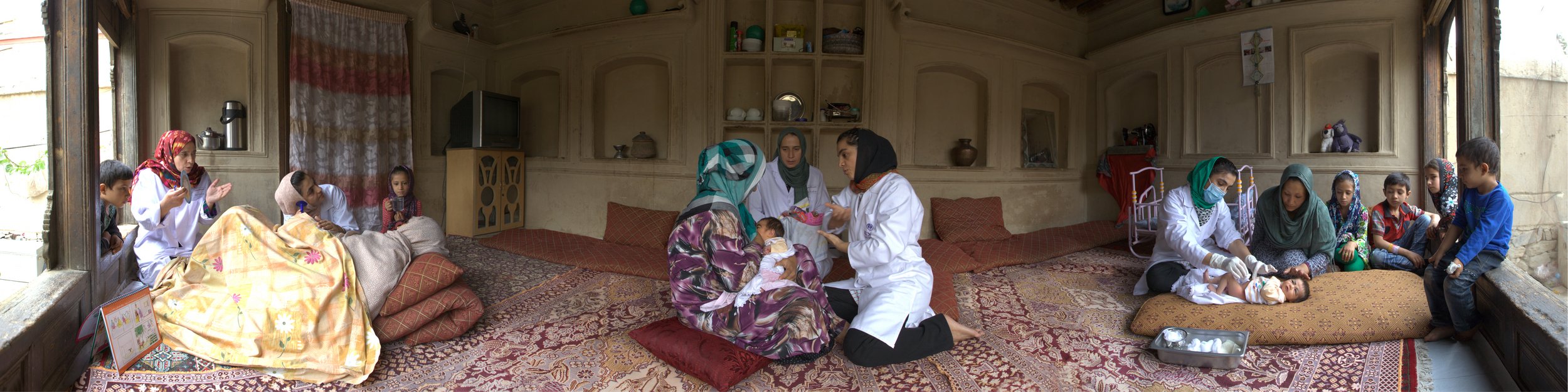
People are the heart of any dependable service. Drivers need more than road skills: they need first-aid training, communication equipment and a clear escalation protocol. Midwives and dispatchers need shared terminology, agreed referral criteria and regular practice exercises. Local health workers should be included because they often identify a crisis before a formal ambulance request is made. Their knowledge determines how quickly information moves from a household to the transport team.
Vehicles also need simple systems for the daily realities of humanitarian work. Preventive maintenance, safe water, cleaning supplies, fuel and replacement parts must be available before a breakdown occurs. A dispatch log should show departure and arrival times, handover outcomes and problems encountered, without exposing patients’ personal information. Reviewing those records helps managers identify delays, adjust staffing and decide whether routes or referral destinations need to change.
Community ownership protects continuity. Afghan women, health professionals and local organisations can define which services are acceptable, where teams are needed and how feedback should be handled. UN support is most effective when it strengthens those local systems rather than creating a parallel service that disappears when funding or staffing changes. The goal is a transport network that remains usable, trusted and accountable in the long term.
What Australian experience shows
Australian emergency care offers a useful comparison, though the systems are not interchangeable. A person in Australia calls Triple Zero, or 000, and the call is connected to the relevant state or territory ambulance dispatch service. In major cities, an ambulance may reach a hospital quickly; in rural and remote districts, the nearest capable maternity service can be hundreds of kilometres away. The contrast shows why referral time, not just road speed, must be measured.
For remote areas, aeromedical retrieval can be essential. The Royal Flying Doctor Service reaches communities across vast parts of the country, while Northern Territory services use aircraft and road teams for remote retrieval. Aboriginal community health organisations and local clinics add another layer, combining clinical care, cultural continuity and communication in local languages. Across what many Australians call the outback, long travel distances and difficult weather complicate these arrangements, much as severe conditions affect emergency transport in Afghanistan.
Australian ambulance charges and exemptions vary by state and territory, so families still need clear information about cost and eligibility. The broader lesson is not to copy one national model. It is to maintain a known emergency number, competent dispatch, trained first responders, agreed handover standards and reliable links to the highest-level care available. Partnerships between ambulances, primary health services and hospitals demonstrate how a transport network can support outcomes beyond the vehicle itself.
Networks that support women beyond the road
An ambulance solves an immediate problem, but a pregnant woman may still need help with transport costs, communications, food, childcare, documentation and emotional support. Some families need a safe place while a referral is arranged. Others need to know which facility is open and what care it can provide. A patient-centred service should recognise these practical pressures and connect them to community support without creating extra barriers.
Clear referral information is just as important as a clear radio call. In Australia, navigating different health and community services can be difficult, and a guide to pet therapy programmes illustrates how a searchable portal can narrow a broad need to a local provider using plain language and location filters. The same principles could support maternal transport through verified contacts, service descriptions, geographic coverage, eligibility details and a direct route for urgent referrals. A safe maternal referral should establish four essentials:
- The receiving facility can manage obstetric and newborn emergencies at the expected arrival time.
- Fuel, tyres, oxygen, communications and clinical supplies have been checked before departure.
- The route, weather and access conditions are assessed, with an alternative plan.
- Clinical notes, consent and handover instructions travel securely with the woman.
Supporting the network around the ambulance can be equally practical. People close to the woman often determine whether she reaches the dispatch point and receives help after arrival. Community groups can therefore play an important role:
- Fund fuel, maintenance and communications through established humanitarian channels.
- Back up midwives, birth attendants, dispatchers and first responders in the districts served.
- Share Afghan-led stories through current UN Afghanistan and partner channels.
- Check current appeals and service information because archived campaign pages may be outdated.
Together, clinical care and community support reduce the number of handoffs a patient must navigate. When transport is rapid, appropriate and dignified, families can focus on the patient rather than searching for solutions themselves. This is the central lesson from the UN70 campaign archive: lasting impact comes from connected local capacity, supported by international partners and accountable to the people who use it.
A practical way to support safer births
Because the Strong UN. Strong Afghanistan campaign has ended, supporters should use the archived pages for first-person stories and verified background, then check current UN Afghanistan, UNFPA and partner channels for active appeals. Those channels can show where funds are needed now, whether a local partner is collecting for specific regions, and which donation route is legitimate. This avoids treating an archived snapshot as a live service or request for assistance.
Australians can support safer journeys to maternity care by donating to current UNFPA humanitarian and women’s health work, backing Afghan-led community health organisations, and sharing accurate accounts of how transport saves lives. Financial support can help keep vehicles maintained, communications functioning and clinical teams supplied, while public backing strengthens the call for timely, accessible care. Every contribution should follow the priorities identified by Afghan health authorities and UN partners on the ground.
The measure of success is simple: a woman in crisis reaches the right care quickly, with her dignity and safety intact. By protecting referral networks, supporting local expertise and keeping attention on maternal emergencies, Australians can help turn emergency transport from a promise into a reliable lifeline.