
Making a Difference
How UN operational support helps Afghan women’s emergency shelters
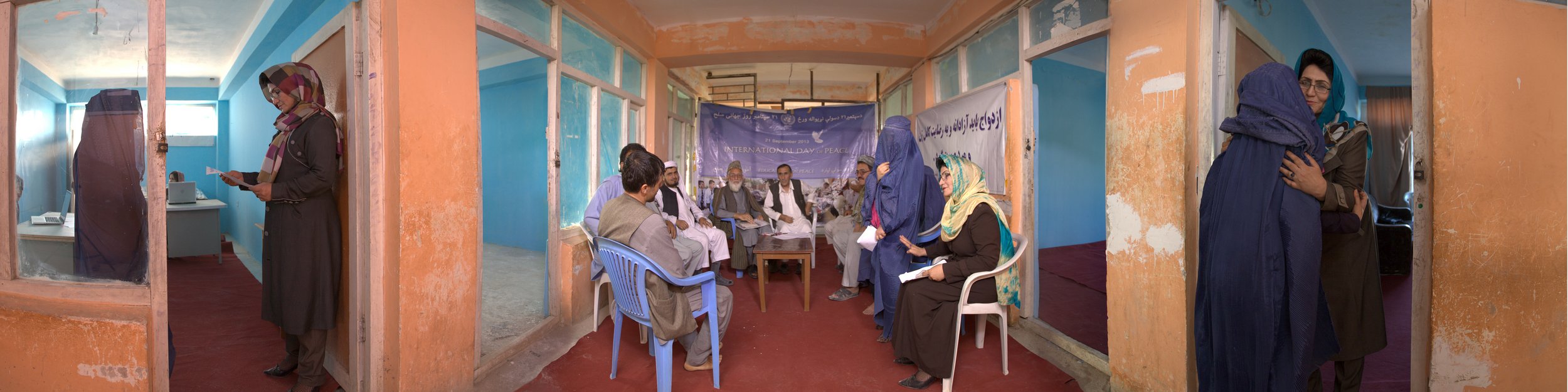
Afghan women facing domestic violence, forced marriage, trafficking, harassment or other forms of abuse may need immediate protection as well as medical, legal and psychosocial care. Emergency shelters and women’s protection centres can provide a confidential place to sleep, help survivors assess their options, and connect them with services that reduce further risk.
For the United Nations, supporting this work involves much more than supplying a building. It can include funding local partners, training caseworkers, strengthening referral systems, providing dignity supplies, gathering protection information and advocating for safe access to services. The archived UN Afghanistan campaign, presented under the message “Strong UN. Strong Afghanistan.”, offers useful context for understanding how international support connects with Afghan communities.
Why emergency shelter is a protection service
A safe shelter gives a woman time and physical distance from an immediate threat. That space can be critical when returning home could expose her to violence, retaliation, forced marriage or social pressure. A properly managed facility also protects privacy, keeps records securely and ensures that decisions are made with the survivor rather than for her.
Emergency accommodation is usually one part of a wider protection response. A woman may need a health examination, trauma counselling, legal advice, support to obtain identity documents, transport to another province or help reconnecting with trusted relatives. Children accompanying her may need schooling, nutrition support and child protection services.
Afghanistan’s geography and security conditions make this network difficult to maintain. People in a provincial capital may have access to services that are unavailable in a remote district. Travel can be expensive and dangerous, while fear of stigma may prevent survivors from approaching an organisation. Operational support must therefore account for transport, confidentiality, local language and the availability of follow-up care.
What UN operational support can involve
UN agencies generally work through a combination of direct technical assistance, grants to implementing partners and coordination with Afghan civil society organisations. Depending on the programme and funding cycle, this support may help cover safe accommodation, food, water, heating, hygiene products, staff salaries, case management and emergency transport.
Specialised agencies bring different capabilities. UNFPA has supported services relating to gender-based violence, reproductive health and women’s protection. UN Women has worked on women’s rights, participation and institutional capacity. Other UN entities and humanitarian partners may contribute to protection monitoring, shelter, health, food assistance, legal support or coordination. The exact arrangement changes according to access, donor priorities and conditions in Afghanistan.
Operational support also includes quality and safeguarding standards. Staff need training in informed consent, confidentiality, survivor-centred care and safe referrals. Facilities require procedures for visitors, communication, complaints and protection from exploitation or abuse. Funding can be measured in buildings and supplies, yet the most important safeguards often sit in everyday decisions made by trained personnel.
The role of Afghan organisations and communities
International agencies cannot replace local knowledge. Afghan women-led organisations, community groups, health workers and local advocates often understand which routes are safe, which families can provide temporary support and which forms of assistance are acceptable in a particular area. They may also recognise risks that would be missed by a remote programme team.
Local partners can identify survivors discreetly through health facilities, schools, community networks and dedicated helplines. They may arrange a confidential referral rather than asking a woman to explain her circumstances repeatedly. This reduces the risk of exposure and limits the emotional burden of retelling traumatic events.
Partnerships must be designed carefully. Local organisations need predictable funding, secure communication, staff wellbeing measures and a clear understanding of who carries responsibility for each case. When restrictions affect women’s employment or movement, programmes may need to adapt staffing models while preserving women’s access to women-led services and qualified support workers.
Services that make a shelter effective
Accommodation alone cannot resolve the risks that brought a woman to a shelter. Case management helps establish immediate priorities, document consent, assess threats and create a plan for the next stage. That plan may include safe relocation, family mediation where appropriate, legal action, independent living assistance or a carefully managed return.
Health services are equally important. Survivors may need treatment for injuries, reproductive healthcare, pregnancy support or medication for chronic conditions. Psychosocial support can help with acute distress and longer-term recovery, although counselling must be voluntary and delivered by people trained to work with trauma.
Practical assistance is often decisive. Food, clothing, mobile phone credit, transport and replacement identity papers can determine whether a survivor can leave an unsafe situation. Children require their own assessment rather than being treated as an extension of the adult case. An effective referral system links shelters with clinics, legal services, child protection actors and livelihoods assistance.
Constraints affecting access and safety
Women’s protection programmes in Afghanistan operate amid changing rules, insecurity, economic hardship and restrictions on women’s participation in public life. These conditions can make recruitment, travel, communications and service delivery unpredictable. A shelter may remain physically open while its referral routes, staffing or funding are under severe pressure.
Confidentiality is a central operational concern. Publicly identifying a facility, publishing photographs of residents or sharing a survivor’s location can create serious danger. Humanitarian organisations must balance transparency to donors with the need to protect residents, staff and local partners. Public communications should use informed consent and avoid details that could allow a person to be identified.
Funding interruptions can produce another risk: a woman may be accepted into emergency accommodation without a realistic plan for longer-term support. Short grants may pay for immediate needs but leave gaps in rent, education, legal representation or relocation. Multi-year, flexible funding allows providers to respond to individual circumstances rather than forcing every case into a narrow timetable.
The UN’s role includes advocating for humanitarian access and consistent protection services. It also involves documenting needs without exposing individuals, coordinating referrals and encouraging authorities and donors to uphold the safety and dignity of women and girls. These functions are particularly important when public discussion is restricted.
What Australian readers should understand
For Australians, the most useful comparison is with the domestic family and sexual violence service system rather than with a conventional hostel. A woman in Parramatta, Geelong or Cairns may be referred through a specialist family violence service, a hospital, a police liaison or a 1800RESPECT pathway. In Afghanistan, equivalent routes may be less visible, less consistently funded and much harder to reach outside major urban centres.
Australia’s service market also shows why coordination matters. State and territory governments fund different programmes, community organisations deliver many frontline services, and national bodies provide information and referral. The language people use varies too: Australians may say “refuge”, “crisis accommodation” or “family violence service”, while humanitarian programmes often use “women’s protection centre”, “safe house” or “gender-based violence response”.
Distance is another local reality. A woman in regional Western Australia or the Northern Territory may face long travel times, limited public transport and a shortage of specialist providers. Afghanistan’s barriers can be more severe because they may combine distance with checkpoints, insecurity, poverty, restricted mobility and fear of community retaliation. The comparison helps explain why transport funding, discreet referrals and locally based staff are core operational requirements.
Australian donors and media organisations should also recognise that the Afghan context is not a simple market for imported services. Funding a local partner requires due diligence, safeguarding and realistic administration costs. It also requires patience: a secure referral network cannot be built through a single campaign, a short visit or a publicity photograph.
Ways to assess support responsibly
A credible programme should be assessed through safety, access, quality and continuity rather than by the number of beds alone. Useful indicators may include how quickly survivors receive an initial assessment, whether services are available in relevant languages, whether referrals are completed, and whether residents can leave with a viable safety plan.
Monitoring must protect personal information. Aggregated data can show patterns such as demand by province, age or type of service without exposing names or locations. Interviews and feedback mechanisms should be voluntary, confidential and adapted for people who may face consequences if their participation becomes known.
The archived UN Afghanistan campaign is valuable as a record of public engagement and community stories, but it should not be treated as a live directory of shelters. The campaign was completed and the website is no longer active. Current information should come from verified UN humanitarian updates, reputable Afghan organisations, established referral services and current protection coordination channels.
| Operational area | Practical support | Why it matters |
|---|---|---|
| Safe accommodation | Secure rooms, food, water, heating and hygiene supplies | Meets immediate needs while reducing exposure to further harm |
| Case management | Risk assessment, consent-based planning and confidential records | Helps each survivor receive an appropriate response |
| Health and wellbeing | Medical care, reproductive health support and counselling | Addresses physical injury, trauma and urgent health needs |
| Referral networks | Links to legal aid, child protection, relocation and livelihoods services | Prevents shelter from becoming an isolated short-term solution |
| Staff and partner capacity | Training, supervision, safeguarding procedures and secure communications | Improves service quality and protects residents and workers |
| Flexible funding | Multi-year grants, emergency transport and adaptable budgets | Allows providers to respond to changing risks and local conditions |
Priorities for ethical support
- Fund Afghan women-led and community-based organisations through transparent, flexible agreements.
- Protect the location and identity of shelters, residents, survivors and frontline staff.
- Include transport, communications, disability access and child support in programme budgets.
- Require survivor-centred case management, informed consent and confidential complaints channels.
- Track referrals and outcomes without collecting unnecessary personally identifying information.
- Coordinate with current UN humanitarian mechanisms instead of relying on an archived campaign page.
Emergency shelters are one visible part of a much larger protection system. Their value depends on the people who staff them, the partners who receive referrals and the resources available after a survivor leaves. UN operational support is strongest when it reinforces Afghan capacity, protects confidentiality and connects immediate safety with health, justice, income and longer-term security.
Readers in Australia can support informed humanitarian action by using current official UN Afghanistan information, checking the credentials of organisations seeking donations and sharing survivor-centred resources rather than identifiable stories. Sustained attention to Afghan women’s rights and protection services helps keep the issue visible while respecting the safety of the people those services are intended to protect.