
Making a Difference
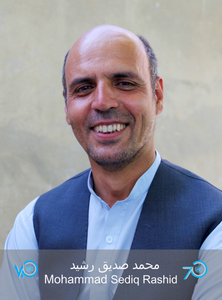
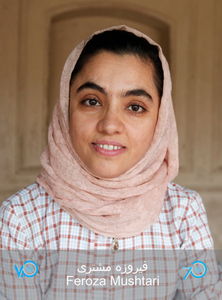

Afghan Women Building Voice Through Local Councils
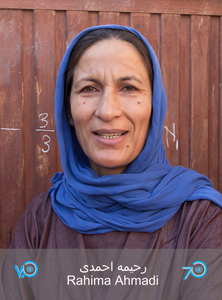
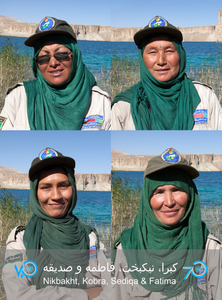
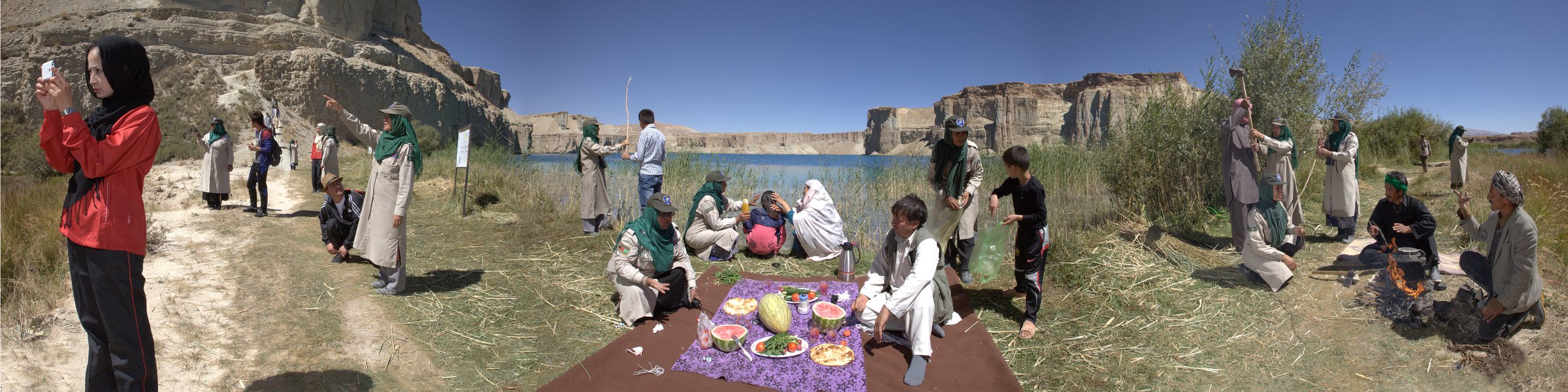
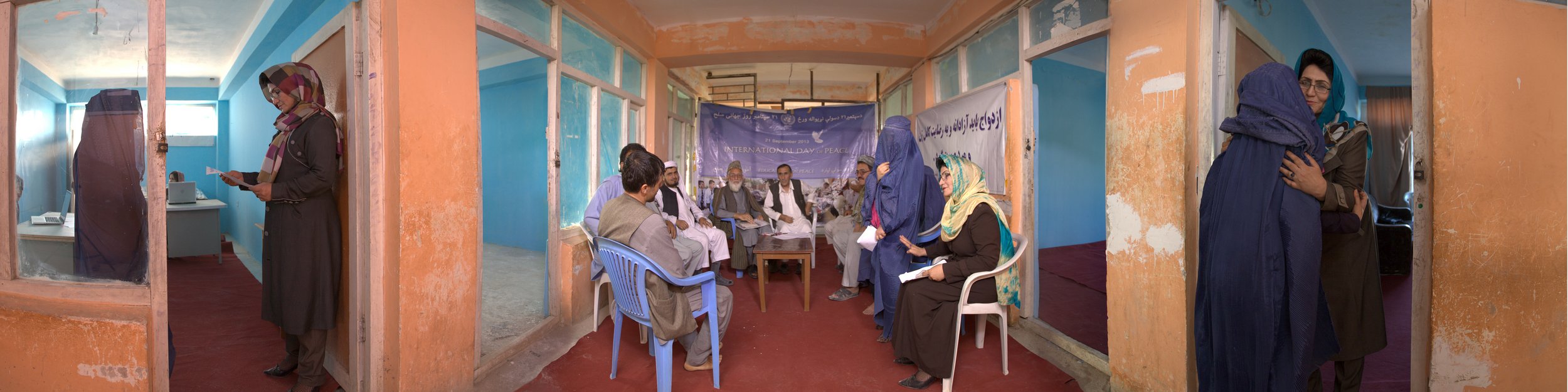
Afghan women’s civic engagement has often grown through practical, local opportunities rather than formal political office. Observing a council meeting, listening to a village discussion or accompanying a community representative can create an early path into public decision-making. These roles may appear modest, yet they help women understand how priorities are set, how resources are allocated and how residents can influence local development.
UN-supported local council observerships offered a way to connect women with community governance while recognising the realities of Afghan life. An observer could learn the language and procedures of a council, identify issues affecting women and children, and gradually build confidence to speak in public forums. The approach was grounded in participation: women were present, informed and connected to decisions that shaped daily life.
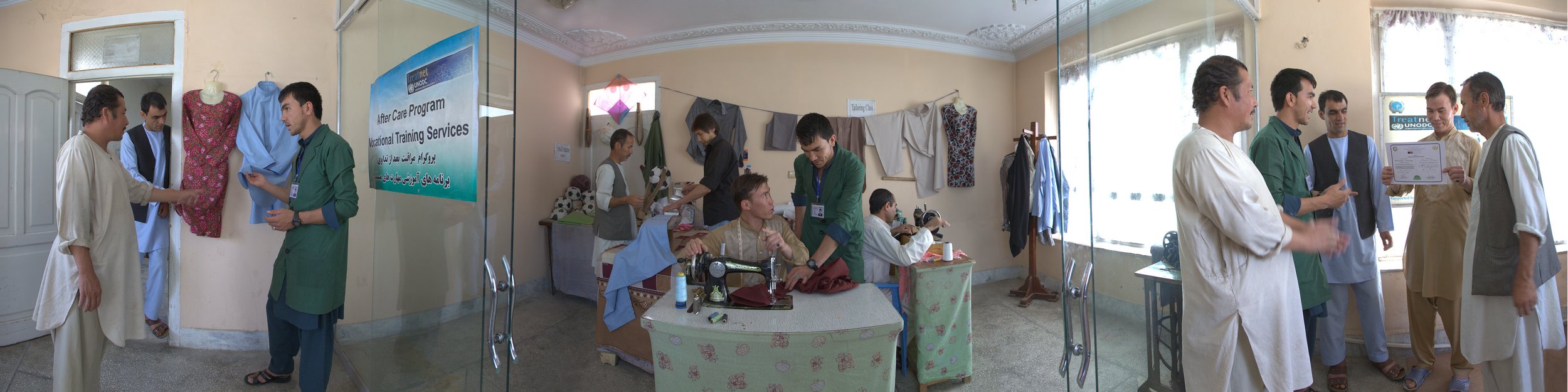
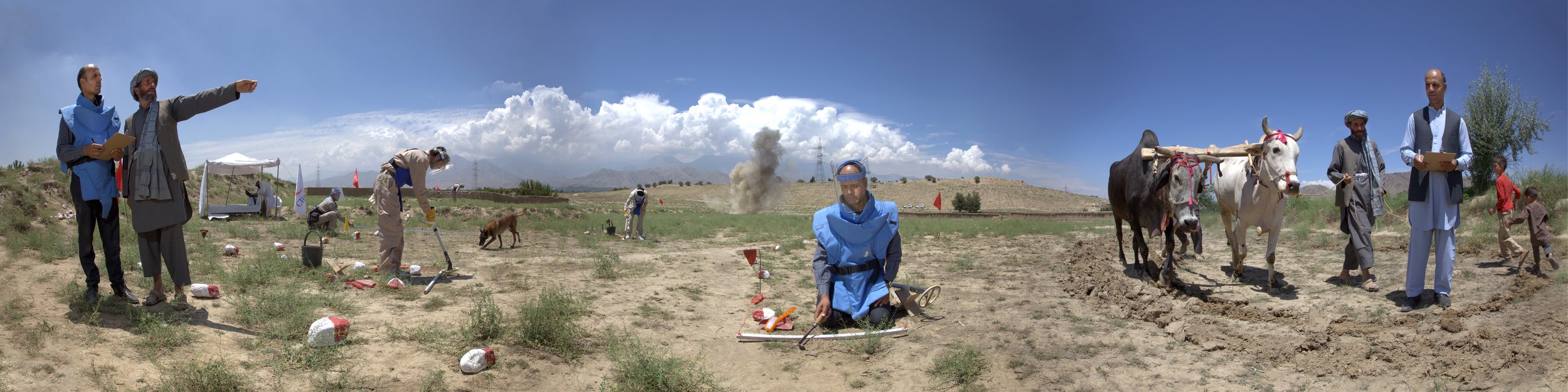
The UN70 campaign, built around the message “Strong UN. Strong Afghanistan.”, documented people and partnerships that contributed to Afghanistan’s future. The UN Afghanistan archive remains useful background for readers examining how international organisations worked with Afghan communities, including through stories, photographs and messages from UN representatives. As an archived campaign site, it should be read as a record of completed communications rather than an active programme directory.
Why Local Observation Matters
An observership is different from simply being invited to a public event. It gives a person structured access to a decision-making space, often with an opportunity to understand agendas, observe debate and follow what happens after a resolution is made. For Afghan women, this could make local government less distant and help turn abstract ideas about rights into practical civic knowledge.
Local councils frequently deal with issues that have immediate consequences: water access, roads, schools, health services, agricultural support and community safety. Women tend to possess detailed knowledge of household needs and social barriers, especially where gender roles limit their movement or access to formal institutions. Their presence can broaden the evidence available to a council before it sets priorities.
Observership also creates a bridge between community members and formal authorities. A woman who attends meetings can explain procedures to neighbours, share information about available services and report concerns that might otherwise remain private. This circulation of knowledge is especially valuable in rural areas where public institutions may be physically distant or difficult to approach.
The Afghan Community Governance Context
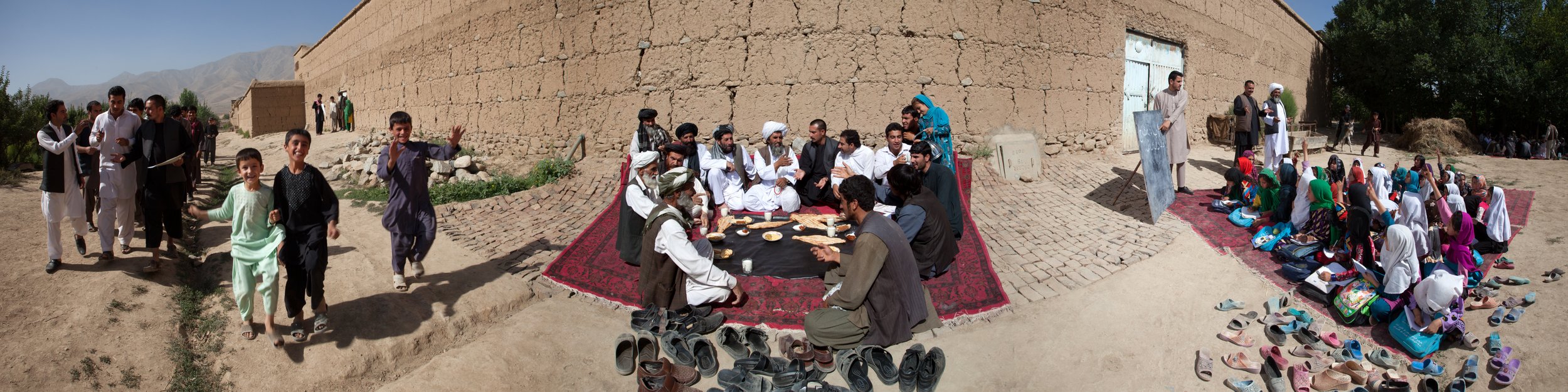
Afghanistan’s local governance landscape has included a range of community structures, including Community Development Councils associated with development programmes. These bodies have helped communities discuss projects, identify shared needs and participate in decisions about local infrastructure. Their exact powers, membership and relationship with government have varied across time and place, so “local council” should not be treated as a single uniform institution.
Women’s participation has also differed between provinces, districts and villages. Some communities have supported women’s committees or separate consultation arrangements when mixed meetings were socially difficult. These mechanisms could create a channel for women’s views, although separate forums did not always carry the same influence as the main council. Effective programmes therefore needed to connect women’s discussions with decisions that councils formally considered.
The observer role could be particularly important where women were not yet appointed as full representatives. It allowed participation to begin with listening and learning while creating a record of women’s interests. Over time, regular attendance could support stronger advocacy for representation, transparent budgeting and more responsive public services.
Skills Developed Through Participation
Civic engagement depends on practical skills as much as confidence. Women observing local councils could learn how to read a meeting agenda, distinguish between a proposal and a completed project, ask for clarification and identify who was responsible for follow-up. These capabilities help residents move from general dissatisfaction to specific, evidence-based requests.
Communication support was another important element. Training might cover public speaking, negotiation, dispute resolution, note-taking and community outreach. In settings where literacy levels varied, facilitators could use oral discussion, visual materials or local languages. The purpose was not to impose a technical model of governance, but to make participation accessible and relevant.
Women also brought their own knowledge to the council environment. They could describe how a broken water point affected time spent collecting water, how school distance influenced girls’ attendance or how a clinic’s opening hours affected mothers. Such observations connect development decisions with everyday experience and can improve the quality of local planning.
Safety, Access And Social Trust
Attendance could not be separated from safety. Travel to a meeting, interaction with male officials and visibility in public life could expose women to criticism, intimidation or restrictions. A responsible observership model therefore required careful local consultation, safe transport where needed, appropriate meeting arrangements and clear communication with families and community leaders.
Trust mattered as much as logistics. Women were more likely to participate when local elders, religious leaders and council members understood the purpose of the programme. Facilitators also needed to avoid presenting women’s involvement as an externally imposed condition. Framing participation as a way to improve community decisions could reduce resistance and place women’s knowledge at the centre of local development.
Confidentiality was essential when discussions involved domestic violence, displacement, health or disputes over land and services. Observers needed to know what information could be shared publicly and what required protection. Good practice also included referral pathways for serious protection concerns, rather than expecting a council observer to manage risks alone.
From Observation To Representation
Observership should be understood as a pathway, not a substitute for decision-making power. Watching meetings can build knowledge, but women’s civic participation becomes more meaningful when they can speak, submit priorities, influence budgets and hold representatives accountable. Programmes should therefore define how an observer’s contributions reach the formal council.
A practical progression might include attending meetings, joining a women’s consultation group, presenting a community concern and helping monitor a project. Each step can be supported by mentoring and feedback. If women are repeatedly invited to observe but never allowed to contribute, the arrangement risks becoming symbolic.
Accountability mechanisms strengthen the pathway. Councils can keep attendance records, publish decisions in accessible formats and report on which community requests were accepted, delayed or rejected. Women’s groups can then track commitments and explain outcomes to residents. This process builds civic literacy while encouraging councils to treat participation as a continuing responsibility rather than a one-off event.
What The Australian Comparison Shows
For Australian readers, local civic participation is often visible in ordinary routines. Residents in Sydney, Melbourne or Brisbane may encounter council decisions through recycling collections, planning notices, library programmes, sporting facilities and public transport changes. A parent checking a council website before a school pickup, a tenant responding to a development proposal or a volunteer attending a community association meeting is already engaging with local government.
Australia’s legal framework offers formal protections and channels that differ from Afghanistan’s context. The federal Sex Discrimination Act 1984 prohibits discrimination on the basis of sex in many areas of public life, while state and territory local government laws govern councils, elections and public meetings. These protections do not remove barriers to participation, but they provide an institutional basis for challenging exclusion and seeking equal access.
The local market also shapes civic priorities. At a weekend farmers’ market in Melbourne, a multicultural food market in western Sydney or a community market in Brisbane, residents may discuss stall permits, public toilets, parking, waste collection and safe access. These are everyday issues, yet they show how local economic activity depends on council decisions. In Afghanistan, council discussions about water, roads and livelihoods similarly connect public administration with household survival, though resources and security conditions are very different.
The comparison is useful when it remains careful. Australian councils generally operate within more established administrative and legal systems, while Afghan community councils have often worked amid conflict, displacement, limited services and changing political authority. The shared lesson is that people participate more effectively when institutions are understandable, physically accessible and willing to respond.
Preserving The Story And Its Relevance
The UN70 campaign placed individual Afghan stories within a broader account of international partnership. That storytelling matters because civic progress is often measured through large reforms, while participation is built through repeated local acts: attending a meeting, raising a concern, checking a project site or encouraging another woman to speak.
An archived campaign cannot provide current guidance on Afghanistan’s political or social conditions. It can, however, help readers understand the values behind community-based work: partnership, dignity, local knowledge and the importance of including people who have historically been overlooked. Researchers should pair archival material with current sources before making claims about present-day programmes or access.
The comparison below highlights how an observership model and familiar Australian local-government participation can differ while serving a related purpose: bringing community experience into public decisions.
| Feature | Afghan local council observerships | Australian local-government participation |
|---|---|---|
| Main purpose | Build women’s access, knowledge and confidence in community decision-making | Enable residents to comment, vote, volunteer or engage with council services |
| Typical issues | Water, roads, schools, health access, livelihoods and community safety | Planning, waste, libraries, transport, sport, markets and local facilities |
| Participation route | Observation, women’s consultations, mentoring and gradual representation | Elections, public submissions, council meetings, advisory groups and community organisations |
| Key barriers | Security risks, mobility restrictions, social norms, literacy and limited institutional reach | Time, transport, digital exclusion, language barriers and uneven trust in councils |
| Support needed | Safe access, trusted facilitators, local-language communication and referral pathways | Accessible meetings, interpreting, inclusive consultation and clear public information |
| Accountability concern | Ensuring observation leads to influence rather than symbolic attendance | Ensuring consultation affects decisions and reaches diverse residents |
Afghan women’s civic engagement is strongest when participation is treated as a process of influence rather than a ceremonial invitation. Local council observerships can open that process by making institutions visible, developing practical skills and connecting women’s knowledge with community priorities. Their significance lies in the relationship they create between residents and decisions that affect daily life.
Explore the archived UN campaign, discuss its stories in classrooms and community groups, and support civic programmes that place women’s knowledge at the centre of local development. Small, structured opportunities to observe, speak and follow up can help turn community concerns into accountable public action.