
Making a Difference
Aid Offices Helping Afghan Women Register Their Own Businesses
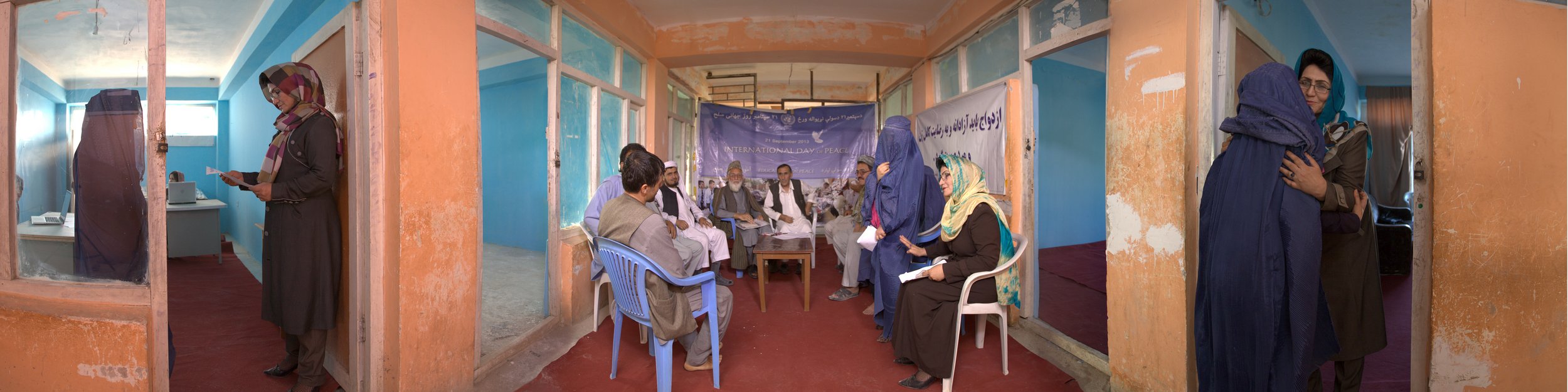
Across Afghanistan, a quiet transformation is unfolding in storefronts, market stalls, and home workshops. Women who once relied on male relatives to sign contracts are now formalising their trading activities, registering business names, and opening bank accounts in their own names. The shift is driven by household necessity and by a generation of women who have completed literacy courses. UN-linked legal aid offices have become crucial intermediaries, offering documentation help, translation, and step-by-step guidance on registration requirements that would otherwise be impenetrable for first-time entrepreneurs.
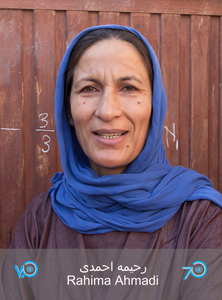
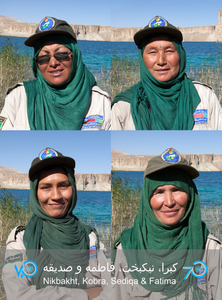
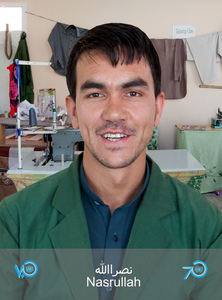
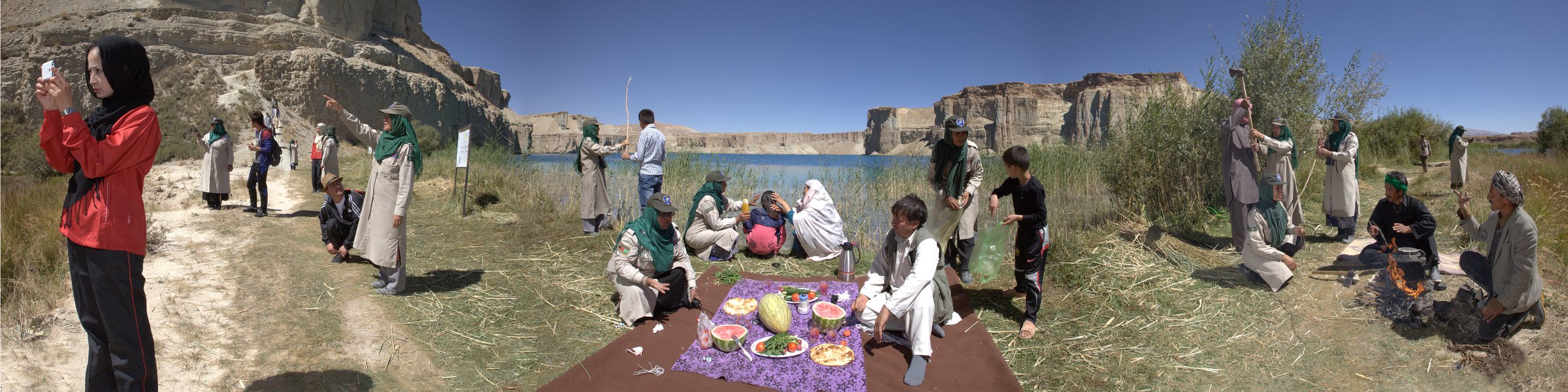
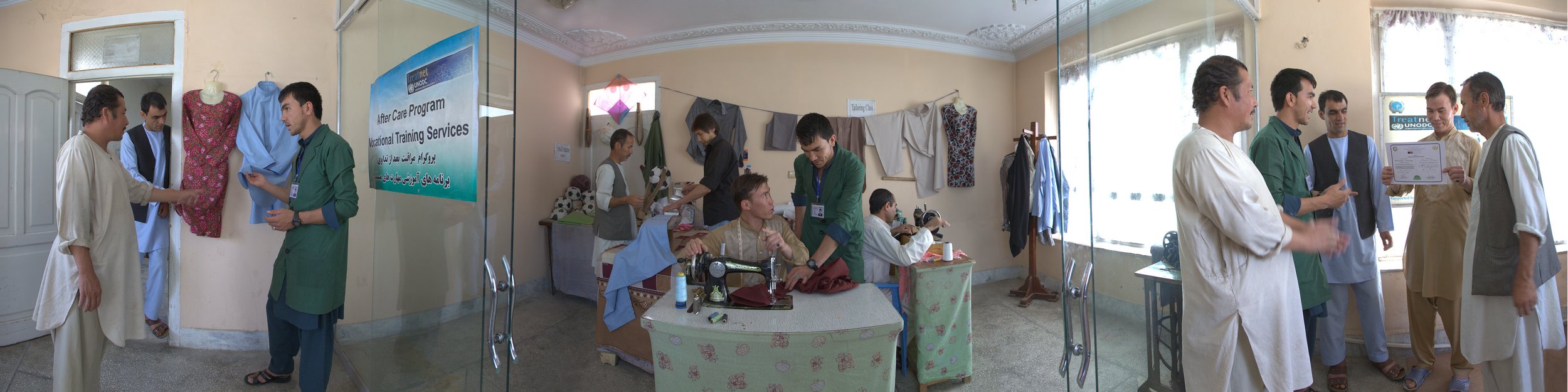
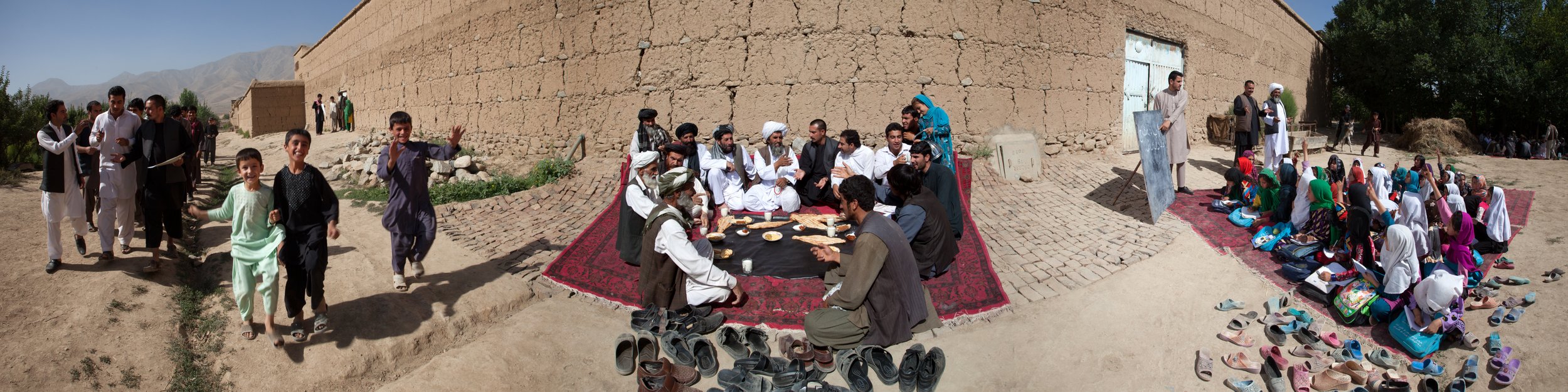
The UN70 "Strong UN. Strong Afghanistan." campaign, archived on the official UN Afghanistan portal, framed this work as part of a broader narrative about Afghan contributions to national life. Stories preserved from that campaign feature women who established tailoring ateliers, food processing units, and small agricultural cooperatives. Their accounts show that registration is rarely a single transaction; it involves notaries, the Department of Women's Affairs, the Ministry of Commerce, and local municipality offices. UN-linked legal aid clinics help applicants navigate each touchpoint, reducing informal fees and unnecessary delays.
For readers in Australia, the story has local resonances. Women in Sydney, Melbourne, Brisbane, Perth, Adelaide, and Hobart navigate registration pathways through the Australian Securities and Investments Commission, the Australian Business Register, and state-based fair trading offices. The terminology differs, but the underlying question is the same: how do you turn an idea into a legally recognised enterprise? Understanding the Afghan process can sharpen appreciation for what Australian small business operators sometimes take for granted, and deepen engagement with Afghan diaspora communities in suburbs like Fairfield and Dandenong.
Legal Aid Office Network and Core Services
UN-linked legal aid offices typically operate inside UN compounds, provincial reconstruction sites, or co-located spaces within civil society hubs. Staffed by Afghan lawyers, paralegals, and gender advisors, these clinics provide free assistance to women entrepreneurs who cannot afford private counsel. Services include one-on-one consultations, document preparation, translation between Dari or Pashto and English, and accompaniment to government offices where cultural norms make it difficult for a woman to attend alone. The clinics maintain relationships with the Afghanistan Central Business Registry, allowing staff to pre-fill forms and verify applicant details.
Clinics are placed in areas with active female participation in the informal economy. In provinces such as Herat, Balkh, Kandahar, and Nangarhar, women run micro-enterprises from home premises, selling pickles, fabrics, dried fruits, and embroidered garments. Legal aid workers explain the distinction between a sole proprietorship, a partnership, and a limited liability company, helping applicants choose a structure that matches their scale and risk tolerance. Because many clients have never signed a legal document before, paralegals run mock sessions where the applicant practices answering questions from a registration clerk.
Outreach is a core function. Mobile legal teams travel to districts without a permanent office, setting up temporary desks in community centres, mosques, or women's shuras. They distribute pamphlets with simple pictograms, partner with local radio stations, and work through trusted female community leaders to identify potential clients. The aim is to reach women who might otherwise learn about registration opportunities only through hearsay.
The Business Registration Process Step by Step
The registration journey begins with selecting a unique business name and verifying its availability through the central registry database. Once confirmed, the applicant prepares supporting documents: a national identity card or tazkira, proof of address such as a rental agreement or utility bill, and a brief description of the planned activity. For certain sectors, additional licences are required. A food processing unit needs approval from the Ministry of Public Health, while an import-export venture requires clearance from the Ministry of Commerce and Industry.
After documents are assembled, the application is submitted to the relevant provincial department. Legal aid officers accompany applicants to the counter, helping them respond to questions and explaining technical terms. Processing times vary, ranging from a few days in Kabul to several weeks in remote districts. Once approved, the applicant receives a business registration certificate, which is required to open a commercial bank account, sign rental leases in a business capacity, and apply for credit. Clinics follow up after registration to confirm the certificate has been correctly issued and the new business is registered with the tax authority.
A useful reference is the Australian registration pathway. Below are the principal points of comparison between the UN-supported Afghan process and the standard Australian process.
| Registration Element | Afghanistan (UN-Linked Aid) | Australia (Standard Process) |
|---|---|---|
| Lead registration body | Afghanistan Central Business Registry via Ministry of Commerce | Australian Securities and Investments Commission (ASIC) |
| Key identifier issued | Business registration certificate | Australian Business Number (ABN) or Australian Company Number (ACN) |
| Identity document required | Tazkira (national ID card) | Passport, driver licence, or birth certificate |
| Cost to applicant | Often subsidised or free via legal aid clinics | Government fees plus optional private agent costs |
| Typical processing time | Several days to several weeks depending on province | Same day for an ABN; days to weeks for company registration |
| Ongoing compliance | Annual renewal and inspection in some sectors | BAS statements, annual company statement, and ASIC fees |
Registration brings intangible benefits. A formally registered business confers marketplace recognition, allows participation in trade fairs and procurement programs, and creates a documented trail of economic activity useful when applying for loans. Women interviewed under the UN70 campaign spoke about the confidence that came from holding their own certificate, describing the moment as a turning point.
Document Requirements and Practical Challenges
Even with legal aid support, document preparation is rarely straightforward. Many women do not possess a tazkira, the national identity document fundamental to bureaucratic interactions. Obtaining one requires the original document, which may have been lost during displacement, or a family record from the civil registry. Legal aid clinics assist clients in applying for replacement documents and can sometimes expedite the process through partner contacts.
Literacy remains another constraint. Forms are often available only in Dari or Pashto, and while this is helpful, the legal vocabulary is dense. Paralegals sit with applicants line by line, reading each section aloud, explaining terms like "registered capital" or "beneficial owner," and recording responses in clear language. Where clients are comfortable with basic arithmetic, the team still helps them calculate figures such as projected turnover or expected profit margins, numbers some forms now require.
Security and mobility present further barriers. In some districts, travel to a provincial capital requires passing through checkpoints, and a woman travelling alone may face questioning or delay. Legal aid offices mitigate this by clustering appointments, arranging group transport, and coordinating with provincial women's affairs departments to provide official travel letters. Cultural expectations about male guardianship can also surface during the process, particularly if the business is co-owned with a husband or brother, requiring careful negotiation.
Australian Comparisons and Diaspora Connections
Australia offers a useful counterpoint. An Afghan Australian woman setting up a small business in Harris Park or Auburn in Sydney, or in Melbourne's western suburbs, would register a sole trader or company through the Australian Business Register and obtain an Australian Business Number or Australian Company Number from ASIC. The online portal still trips up first-time applicants unfamiliar with concepts like GST registration, director duties under the Corporations Act, or the distinction between a trading name and a registered business name. Community legal centres in New South Wales and Victoria fill a similar role to the UN-linked clinics in Afghanistan, offering free advice on business structures, leases, and contracts.
The Afghan diaspora in Australia numbers in the tens of thousands, with significant communities in Melbourne's outer suburbs and western Sydney. Many diaspora members maintain close ties with relatives in Afghanistan, sending remittances that often fund small enterprises. Conversations among diaspora families frequently turn to the challenges relatives face in registering a business, and some Australian-based Afghans have partnered with international organisations to provide remote assistance, including funding legal aid consultations in Herat and Kabul. This transnational flow of advice and resources highlights how business registration has become a shared concern across borders.
Locally, support for refugee and migrant women entrepreneurs is growing. Programs run through the Australian Small Business and Family Enterprise Ombudsman, state-level multicultural commissions, and organisations like the Refugee Council of Australia provide mentorship, microfinance referrals, and co-working access. While these programs operate in a very different regulatory environment from the Afghan one, the underlying principle is identical: helping women move from informal activity to recognised enterprise.
Long-term Impact and Sustainability of the Model
The sustainability of UN-linked legal aid offices depends on continued donor funding, provincial cooperation, and the ability of clinics to retain trained staff. Several offices that flourished during the height of UN programming have scaled back or transitioned to local management, with mixed results. Where local bar associations and women's chambers of commerce have absorbed the work, the model has continued to function, albeit at a reduced pace. Where funding lapsed entirely, applicants have reverted to private agents, some of whom charge inflated fees and provide incomplete advice.
For Afghan women, the value of registration extends well beyond the certificate itself. A registered business creates a paper trail that can support applications for passports, education scholarships for daughters, and inheritance claims. It also allows women to engage directly with international buyers and donor programs that require counterparty verification. In interviews preserved through the UN Afghanistan campaign archive, several women described registration as the moment their business became "real," both to themselves and to their communities.
Readers interested in accessing campaign photographs and messages from the Special Representative of the Secretary-General can visit the UN Afghanistan campaign portal to explore stories and documentation from that period. The site remains a useful reference point for studying the intersection of legal assistance, women's economic empowerment, and UN programming in Afghanistan.
For Australians who work with refugee communities, support small business development, or want to understand how women navigate bureaucracy in fragile settings, the Afghan experience offers practical lessons. Consider donating to organisations that fund legal aid clinics in Afghanistan and neighbouring countries, mentoring a newly arrived Afghan Australian entrepreneur through a community legal centre, or advocating with federal representatives for sustained UN programming in the region. Each action reinforces a simple truth: a business certificate in a woman's hand is a foundation for economic independence.