
Making a Difference



How Afghan farm cooperatives reached wider markets
Afghanistan’s saffron and pistachio industries reveal a side of the country often missed in crisis reporting. They show farmers, processors and traders building livelihoods through crops that connect rural communities with buyers beyond their provinces. Women’s agricultural cooperatives are especially significant because they can turn small-scale production into a more reliable source of income, skills and influence.
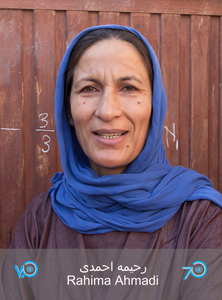
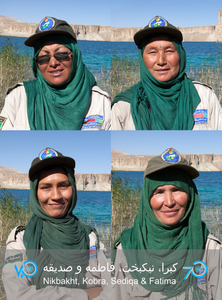
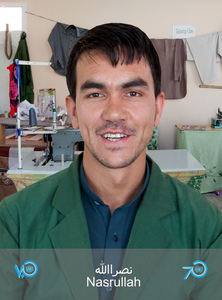
The United Nations has used stories of Afghan enterprise to show how development is grounded in everyday work. The UN70 “Strong UN. Strong Afghanistan.” campaign presented Afghan people and their contributions through photographs, messages and profiles. Its purpose was public engagement rather than a retail catalogue, yet the stories help explain how agricultural marketing can support peace, resilience and local economic participation.
Saffron and pistachios are well suited to this kind of storytelling. Both products carry a strong sense of place, require care and quality control, and can earn higher returns than many ordinary field crops when they reach the right market. Women involved in planting, harvesting, cleaning, grading, packaging or selling can gain a stronger position in household and community decisions.
For readers in Australia, the subject also connects with familiar habits: buying spices for weekend cooking, choosing premium nuts as snacks, visiting farmers’ markets in Melbourne or Adelaide, and looking for credible information about imported food. Understanding the supply chain makes it easier to see what “ethical” or “fair” purchasing can mean in practice, without treating a complex country as a simple marketing story.
From campaign storytelling to rural livelihoods
An official UN campaign can bring attention to people whose work is rarely visible outside their communities. In Afghanistan, that visibility matters because agricultural producers often face damaged infrastructure, limited finance, insecurity, drought and difficulty reaching dependable buyers. A cooperative can help members share equipment, organise collection, improve packaging and negotiate with traders.
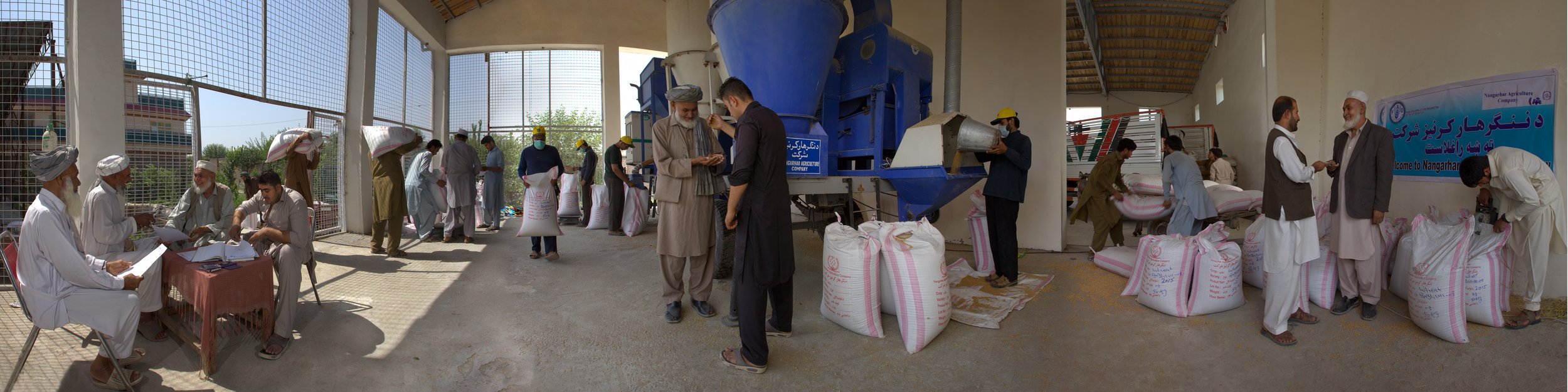
Women’s participation may take different forms depending on local customs and household circumstances. Some members work in fields, while others sort saffron threads, remove pistachio shells, manage records, prepare packaging or coordinate sales. These tasks are economically important even when they happen close to home and are not described as formal employment.
Marketing is part of development because production alone does not guarantee income. A farmer may grow a high-value crop but lose money if it is mixed with inferior produce, badly stored, poorly labelled or sold through a chain with little bargaining power. Training in quality assurance, bookkeeping and market information can give cooperative members a better chance of retaining value.
The archived UN70 site should be read in that context. It records a completed campaign and is no longer an active programme page. Its photographs and profiles can still help audiences understand the people behind Afghan agricultural products, but current availability, certification and purchasing arrangements require up-to-date information from relevant producers, importers or agencies.
Saffron and the value of careful processing
Afghan saffron comes from the red stigmas of the crocus flower. The crop is labour-intensive: flowers are picked by hand, and the delicate threads must be separated, dried and stored carefully. The final product is light in weight but high in value, which can make it attractive in areas where transport is expensive or farmland is limited.
The quality of saffron depends on factors such as colour, aroma, moisture, cleanliness and the absence of adulteration. Buyers may assess the appearance of threads, while laboratory testing can provide more reliable evidence of purity and strength. Good packaging protects the spice from light and moisture, and clear labelling helps distinguish whole threads from lower-value powder or blended products.
This is where women’s cooperatives can strengthen a local value chain. Collective workspaces and shared procedures may make it easier to train members in hygienic handling, standardise grades and prepare consistent orders. A cooperative can also provide a channel for information about prices, harvest timing and buyer requirements.
For an Australian cook, saffron may appear in a small jar used for rice, seafood, baking or festive dishes. The tiny quantity can seem expensive, yet a few threads infuse a dish with colour and fragrance. That high value-to-weight ratio explains why traceability and authenticity are particularly important: a premium price should reflect genuine quality and a supply chain that treats producers fairly.
Pistachios connect orchards with trade
Pistachios represent a different agricultural rhythm. Trees take years to mature, and orchard production depends on seasonal conditions, pruning, water management, harvesting and post-harvest handling. In parts of Afghanistan, pistachio resources have also been associated with natural woodlands and shared rural landscapes, making stewardship and access rights important alongside commercial opportunity.
The market value of pistachios is affected by size, flavour, moisture, shell condition, cleanliness and whether the nuts are sold raw, roasted, salted or processed into other foods. Poor drying or storage can damage a crop. Contamination risks, including mould and aflatoxins, are serious concerns in nut supply chains, so buyers need proper testing and storage systems.
Women may contribute to sorting, cleaning, processing and packaging even when they do not own orchards or control the initial sale. Cooperative arrangements can make that labour more visible and help members develop skills beyond seasonal picking. Shared processing and collective branding may also reduce the pressure to sell ungraded nuts immediately to the first available trader.
Pistachios have an obvious place in Australia’s food culture. They appear in lunchbox snacks, Persian and Middle Eastern sweets, restaurant desserts and supermarket nut aisles. Consumers in Sydney, Melbourne and Perth may encounter Afghan communities and businesses that create demand for familiar regional ingredients, although an Afghan-origin product will not necessarily be stocked in every mainstream store.
What UN marketing can mean in practice
The word “marketing” can suggest advertising, but development organisations often use a broader approach. They may help producers understand buyers, improve presentation, participate in trade events, connect with exporters or communicate a product’s origin. Public storytelling can create recognition, while technical and institutional support can address the practical barriers between a farm and a customer.
For women’s cooperatives, a market link is useful only if members can participate safely and retain a meaningful share of the proceeds. This may involve access to finance, transport, storage, mobile communication, literacy training and decision-making spaces. It can also involve negotiating with family members and community leaders so that paid work is accepted and women can control at least some of their earnings.
A strong brand cannot compensate for weak quality systems. Claims about origin, organic production, fair payment or women’s empowerment need evidence. Buyers should be wary of packaging that uses Afghan imagery while giving no information about the producer, processor, country of origin or chain of custody.
The UN70 campaign’s value was therefore symbolic and educational as much as commercial. By highlighting Afghan people as contributors, it challenged the idea that international assistance is only about recipients and relief. It presented agriculture as a field in which local expertise, enterprise and dignity matter. That message remains relevant even though the campaign itself has ended.
Buying Afghan products in Australia
Australian consumers operate within a regulated food system. Imported saffron and pistachios must meet Australian requirements, including rules under the Australia New Zealand Food Standards Code. Commercial importers also need to consider biosecurity conditions administered through the Department of Agriculture, Fisheries and Forestry, with requirements that can vary according to the product and its form.
Country-of-origin information is important. Australian food labels may use statements such as “Made in Australia from imported ingredients” or identify the country where food was grown or produced. The Australian Consumer Law, including rules overseen by the Australian Competition and Consumer Commission, is relevant when businesses make claims that could mislead shoppers. A product described as Afghan saffron should have a clear and accurate basis for that description.
Specialist grocers, Afghan and Central Asian food businesses, online retailers and independent spice merchants may provide more detailed product information than a standard supermarket label. Farmers’ markets in cities such as Brisbane, Adelaide or Canberra can also encourage conversations about provenance, although a market stall is not automatically proof of direct producer benefit. Ask for the producer or importer name, harvest information, processing details and evidence supporting special claims.
Australian households are also sensitive to price. A jar of genuine saffron or a bag of premium pistachios may cost more than a substitute or blended product, especially after freight, testing, packaging and retail margins. Paying more does not guarantee fair treatment, but transparent information gives consumers a better basis for judging value than a romantic picture of Afghan farms alone.
Turning awareness into responsible support
The most useful response to an agricultural story is informed attention. Consumers can learn how saffron is graded, compare ingredient and origin labels, and choose pistachios with clear information about processing and storage. Restaurants and food businesses can ask importers how they verify quality and whether their purchasing relationships extend beyond a single intermediary.
Support can also take forms that do not involve a purchase. Australian universities, diaspora organisations, food writers and community groups can share accurate information about Afghan producers without reducing women to symbols of hardship. A local cooking event featuring saffron rice or pistachio sweets can become an opportunity to discuss farming, trade, migration and the skills behind the ingredients.
Businesses that want to source Afghan products should look for long-term relationships rather than one-off promotional orders. Predictable purchasing, prompt payment, realistic specifications and respect for producer knowledge can be more valuable than a short campaign built around national imagery. Where possible, buyers should work with credible cooperatives, established importers and organisations able to verify claims.
The larger lesson is that a high-value crop becomes a livelihood only when people can control quality, reach markets and receive a fair share of the final price. Afghan women’s cooperatives sit at that intersection of farming, enterprise and community resilience. The archived UN campaign gives the public a window into that work; responsible Australian purchasing can keep attention focused on the people and systems behind the product.
Look for clearly labelled Afghan saffron and pistachios through reputable Australian retailers, ask how origin and quality are verified, and support businesses that provide specific information about producers. Share those standards with restaurants, community groups and food buyers so that interest in Afghan products becomes informed demand rather than passing curiosity.