
Making a Difference
How UN extension services can strengthen Afghan women in agriculture
Agriculture remains central to rural livelihoods across Afghanistan, where farming households depend on crops, livestock, orchards, gardens, and small-scale food processing. Women contribute throughout these systems, from seed selection and planting to animal care, harvesting, storage, and marketing. Much of this work is essential to household nutrition and local economies, although it is frequently unpaid or undercounted.
Agricultural extension services can connect women with practical knowledge, inputs, veterinary support, climate information, and markets. For Afghan women, the usefulness of an extension programme depends on more than the quality of its technical advice. Services must also be accessible, culturally appropriate, safe, and designed around the realities of women whose movement, time, literacy, and access to finance may be restricted.
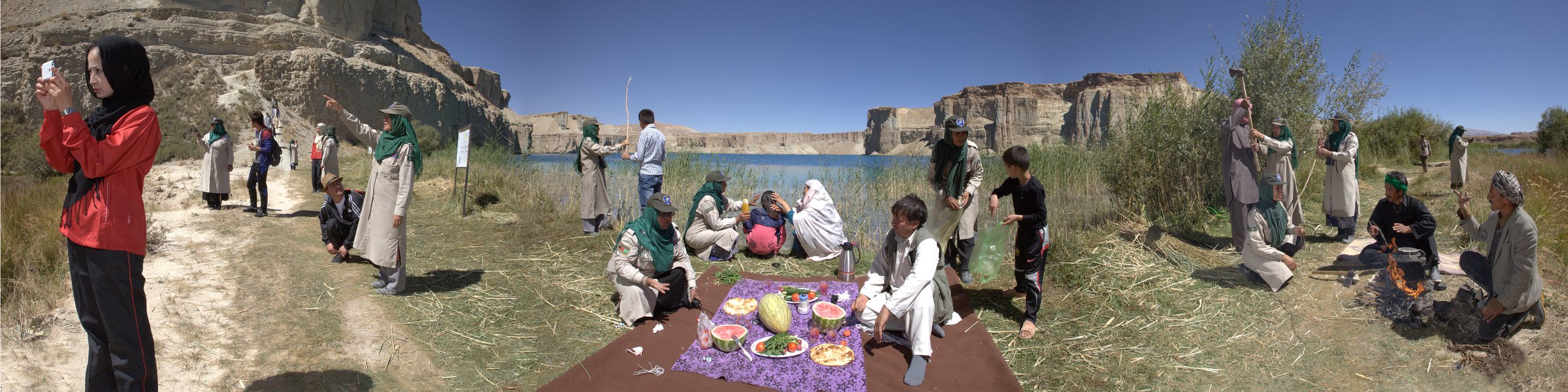
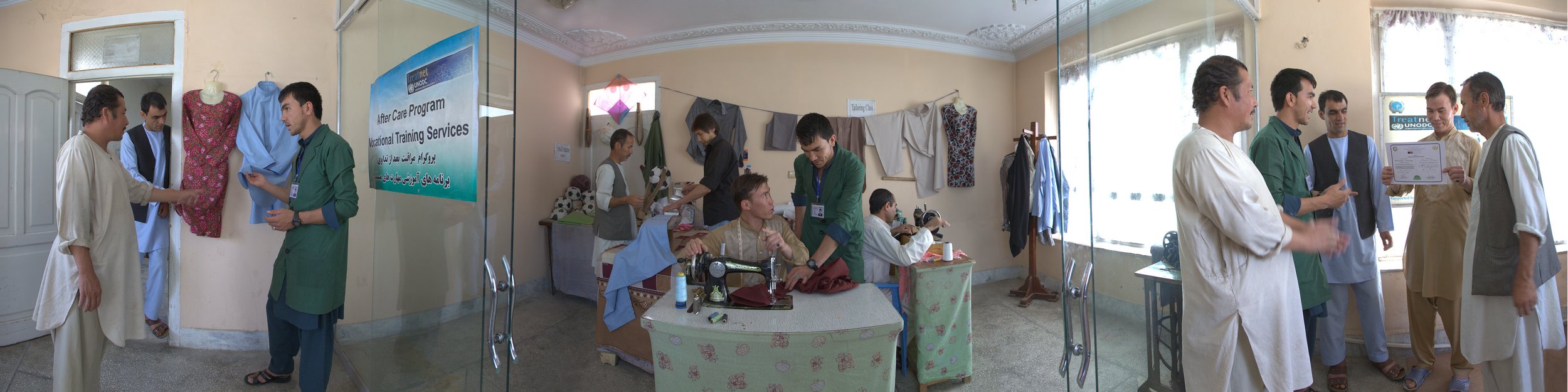
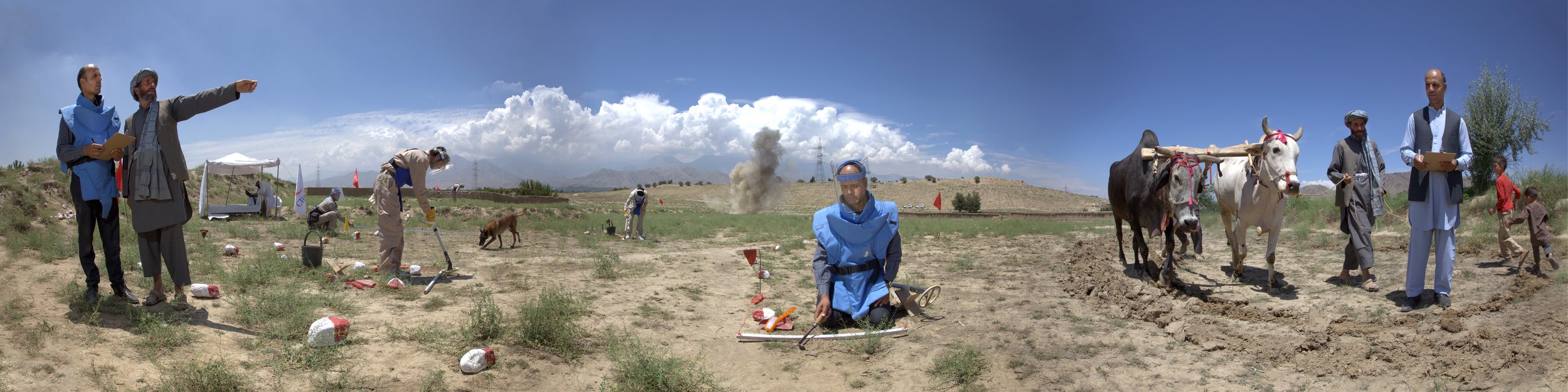
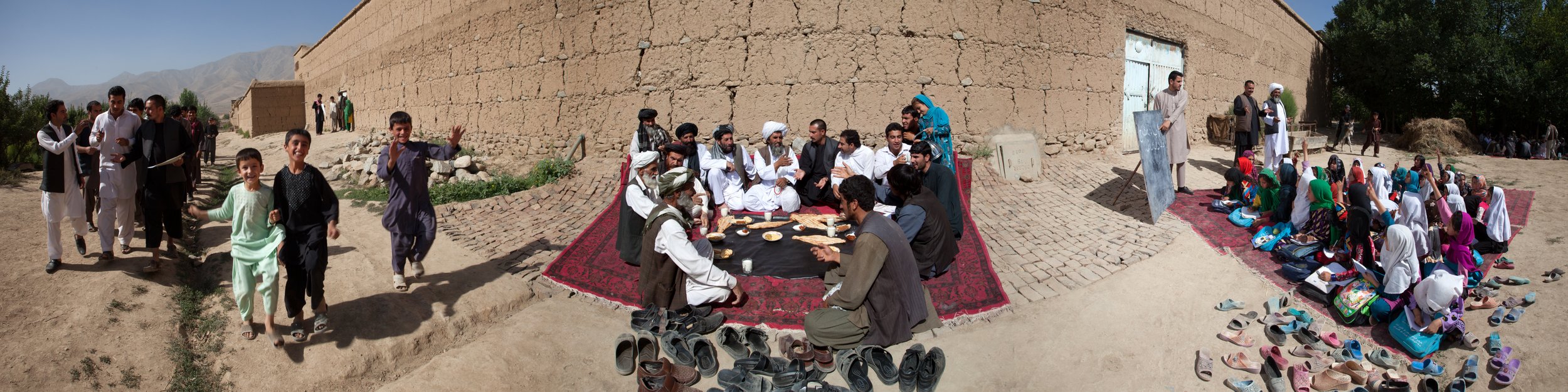
The United Nations and its partners have supported community-based approaches in Afghanistan through humanitarian, development, food security, and livelihoods programming. An archived UN Afghanistan campaign provides a useful reminder that national progress is built through the work and resilience of Afghan people themselves. Within that wider picture, women farmers and rural entrepreneurs deserve recognition as producers, decision-makers, and custodians of local knowledge.
Why agricultural extension matters to women
Agricultural extension is the bridge between research, public services, and farming communities. A well-designed service may demonstrate drought-tolerant cultivation, explain pest management, provide animal-health advice, improve post-harvest handling, or help farmers understand prices and buyer requirements. It can also connect households with seed banks, savings groups, irrigation initiatives, and social protection.
Women often need extension advice for activities that are closely tied to food security. Poultry, dairy production, kitchen gardening, beekeeping, small ruminants, and food preservation can provide household nutrition and modest income. Advice on vaccination, fodder, clean water, feed formulation, or hygienic processing can make these enterprises more productive without requiring large areas of land.
Traditional agricultural knowledge is also important. Women frequently preserve seed varieties, food-processing methods, herbal practices, and seasonal knowledge within families and villages. Extension should not treat local experience as an obstacle to modernization. It should combine farmer knowledge with tested technical guidance, documenting what works and adapting recommendations to local conditions.
Reaching women through trusted local networks
A service delivered only through distant offices is unlikely to reach many rural women. Female extension workers, community facilitators, health workers, teachers, cooperatives, and women’s groups can provide trusted channels for advice. Home visits, small village learning groups, demonstration plots, and women-only training sessions may be more practical than large public meetings.
Female agricultural advisers are especially valuable where social norms limit direct contact between women farmers and male officials. They can discuss sensitive subjects such as reproductive health in livestock, household nutrition, income control, and workload distribution. Their presence also gives younger women visible examples of professional participation in agriculture and rural development.
Radio, mobile phones, voice messages, and illustrated materials can extend the reach of face-to-face training. Yet digital tools should supplement, rather than replace, personal support. A phone-based service must account for shared devices, limited connectivity, language differences, and unequal control over household technology. Content in Dari and Pashto, delivered at suitable times and in accessible formats, can improve practical use.
Community acceptance is strengthened when local leaders, men, and families understand the household benefits of women’s participation. Extension programmes can explain that women’s knowledge contributes to healthier animals, better harvests, safer food, and more stable income. This approach frames women’s empowerment as a community asset while protecting women’s right to make decisions about their own work and earnings.
From technical advice to economic opportunity
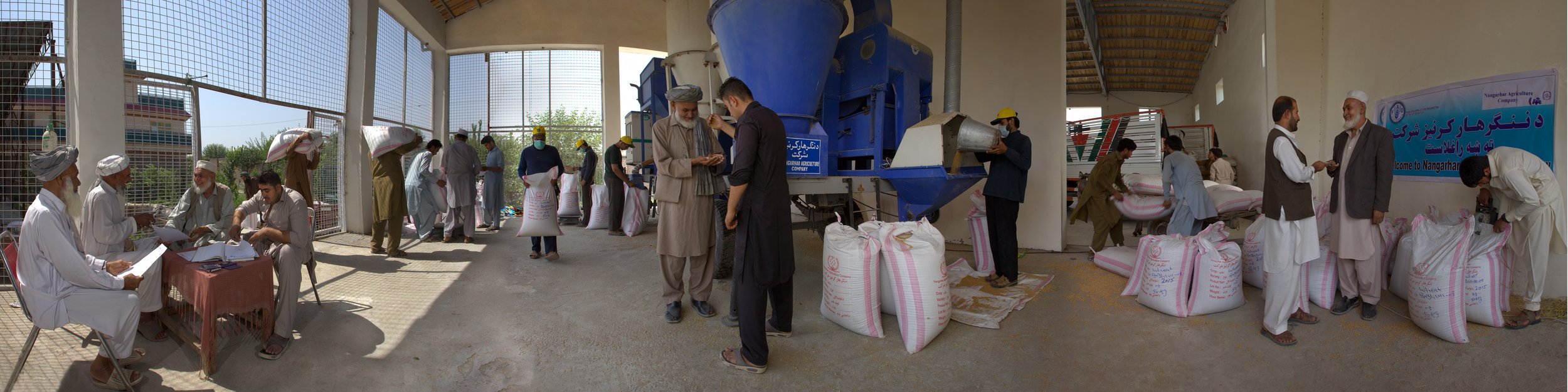
Knowledge alone cannot transform a farm if producers lack seeds, tools, water, credit, or a reliable buyer. Extension services therefore work best when they are connected to agricultural inputs and rural finance. A woman who learns improved vegetable production may still be unable to act on that advice if she cannot obtain quality seed, afford fencing, or transport produce to market.
Programmes should assess the complete value chain. For dairy producers, this may include animal feed, vaccination, milking hygiene, cooling, packaging, and links to local processors. For beekeepers, it may involve hive management, protective equipment, honey testing, branding, and seasonal market information. For home-based food enterprises, it can include safe processing, storage, labeling, and business planning.
Land and asset ownership also shape results. Women who cultivate family land without formal control may hesitate to invest in soil improvement or perennial crops. Extension partners can coordinate with legal aid, civil documentation, savings groups, and livelihood programmes so that agricultural training is supported by greater economic security.
Cooperatives and producer groups can reduce isolation and improve bargaining power. When women purchase inputs together, share equipment, or market goods collectively, they may achieve better prices and lower costs. Groups can also create spaces for peer learning, helping farmers test advice and adapt it to local conditions instead of relying on a single training session.
Making services responsive to Afghanistan’s rural conditions
Afghan agriculture is shaped by drought, irregular rainfall, water scarcity, harsh winters, pests, market disruption, and displacement. Extension advice must therefore prioritize resilience as well as yield. Water-saving irrigation, soil cover, composting, crop diversification, improved storage, and drought-aware planting calendars can help households manage uncertainty.
Livestock services are equally important. Animals often function as savings, food sources, and productive assets. Timely vaccination, parasite control, fodder planning, breeding advice, and emergency support can protect the value of a family’s herd. Female para-veterinary workers can reach women who may not be able to take animals to distant service points or speak freely in mixed settings.
Climate-smart agriculture should be explained through locally relevant demonstrations rather than abstract terminology. A farmer may be more interested in reducing the number of irrigation cycles, keeping chickens alive through winter, or preventing grain losses than in adopting a broad label. Extension workers can measure success through practical outcomes: lower costs, more reliable food supplies, improved animal survival, and income that lasts beyond one harvest.
Afghanistan’s cultural and environmental heritage should inform this work. Local seed diversity, traditional water management, terracing, orchard care, and food preservation methods can provide useful starting points for adaptation. The wider UN commitment to protecting knowledge and identity can be seen in initiatives such as digitizing ancient manuscripts, which reflects the importance of preserving Afghan heritage while making it accessible to future generations.
| Extension priority | Practical support for women farmers | Likely household benefit |
|---|---|---|
| Crop production | Seed selection, soil care, pest management, and water-efficient methods | More dependable harvests and lower input losses |
| Livestock | Vaccination, fodder planning, animal housing, and veterinary referrals | Healthier animals and protection of productive assets |
| Home gardens | Nutrition-sensitive crops, composting, and seasonal planning | Better diets and surplus produce for sale |
| Processing and storage | Food safety, drying, packaging, and loss prevention | Longer shelf life and improved prices |
| Enterprise development | Savings, record keeping, group purchasing, and buyer connections | Greater income control and bargaining power |
| Climate resilience | Drought planning, diversification, and early warnings | Reduced exposure to weather and market shocks |
Measuring whether extension is working
A programme should be judged by changes in women’s lives, not simply by the number of training sessions held. Attendance figures can conceal whether participants understood the advice, had the resources to apply it, or gained control over the resulting income. Monitoring should examine adoption, productivity, food consumption, earnings, workload, and decision-making.
Data should be collected in ways that recognize differences among women. A landowning farmer, a displaced woman cultivating a small plot, a pastoral household, and a woman running a home-based enterprise will have different priorities. Age, disability, location, language, household status, and access to technology can all affect participation.
Women should help define the indicators used to assess services. They may identify outcomes that outside planners overlook, such as reduced time spent collecting water, fewer animal deaths, safer storage, or the ability to keep children in school during a difficult season. Feedback mechanisms must be confidential and accessible, especially where women may fear criticism for speaking publicly.
Accountability also requires tracking who receives inputs and opportunities. Transparent beneficiary selection, community oversight, and separate feedback channels can reduce exclusion and favoritism. Where humanitarian assistance is involved, safeguarding standards and protection referrals should be integrated into agricultural activities rather than treated as unrelated concerns.
Partnerships that put women at the center
No single organization can provide every service required by rural women. Government agriculture departments, UN agencies, national and international NGOs, research institutions, women-led organizations, financial providers, traders, and community groups each bring different strengths. Strong coordination can prevent repeated assessments in the same villages while other communities receive little support.
Women-led Afghan organizations are essential partners because they understand local languages, customs, access constraints, and protection risks. They can help recruit female trainers, identify appropriate meeting places, design communication materials, and adjust activities when conditions change. Their role should extend beyond implementation to planning, budgeting, monitoring, and leadership.
Public agricultural institutions also need sustained support. Training extension staff, strengthening seed and veterinary systems, improving data, and maintaining local demonstration farms can create benefits beyond short-term projects. International assistance is most durable when it reinforces national and community capacity rather than creating parallel structures that disappear when funding ends.
Private-sector connections should be developed carefully. Traders and processors can open markets for women’s products, but contracts and pricing must be transparent. Extension services can help women understand quality standards and negotiate collectively, while safeguards protect them from exploitative purchasing arrangements and excessive debt.
Recommendations for inclusive rural services
- Recruit, train, and retain more female extension workers, including women from the provinces and communities they serve.
- Combine farm advice with access to quality inputs, veterinary care, savings mechanisms, transport, and market information.
- Use women’s groups, home visits, radio, voice messaging, and demonstration plots to reach producers with different levels of mobility and literacy.
- Design climate-resilient packages around local crops, livestock, water conditions, seasonal risks, and farmer knowledge.
- Measure women’s control over income, workload, food security, and agricultural decisions alongside yields and attendance.
When Afghan women receive relevant advice and the means to apply it, extension becomes more than a training activity. It can strengthen household nutrition, protect livestock and crops, create rural employment, and preserve knowledge that communities have developed over generations. It can also help women move from invisible labor toward recognized economic participation.
The most effective programmes will listen first, work through trusted Afghan institutions, and remain flexible as security, climate, and market conditions change. UN partners, public authorities, donors, and civil society organizations can support this effort by funding female-led delivery, coordinating services, and treating women farmers as partners with expertise.
Support for women’s agricultural livelihoods should be connected to the broader work of building a resilient Afghanistan. Share evidence from communities, invest in locally led extension, and make every agricultural intervention answerable to the women whose labor sustains rural life.