
Making a Difference

Afghan Wheat Seed Distribution for Better Harvests
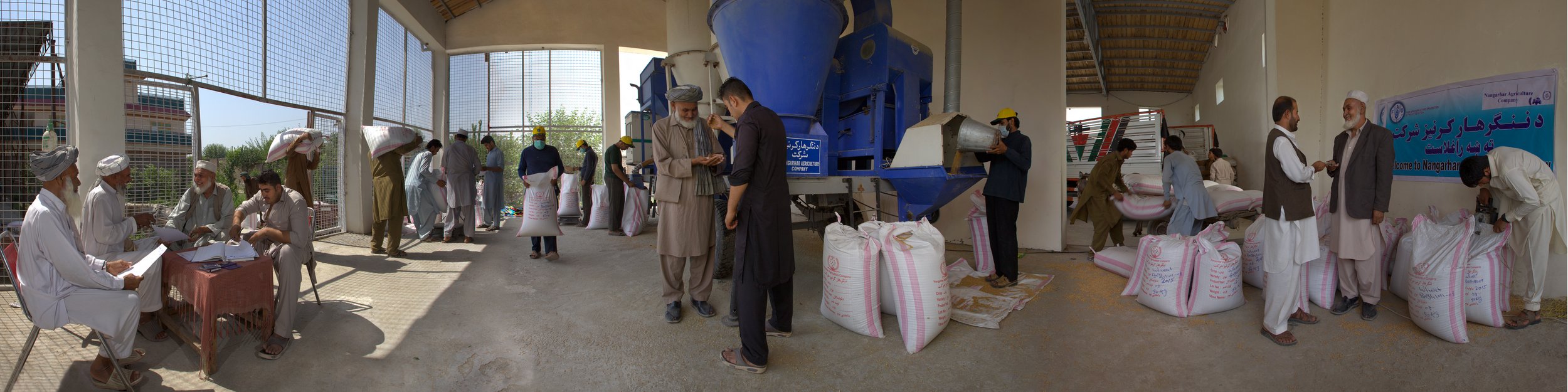
High-yielding wheat varieties distributed through UN-supported programmes can give farmers in Afghanistan a stronger starting point after drought, poor harvests or shortages of planting material. The Afghan wheat seed distribution examined here focused on the seed itself, while its wider value depended on local testing, farmer knowledge, timely planting and dependable access to markets and essential inputs.
Seed is not a guarantee of a successful crop, especially where rainfall is uncertain and fields have limited access to fertiliser or irrigation. Its value comes from combining suitable plant material with practical support. The UN Afghanistan website now preserves a record of a completed campaign, so current programmes and needs should be confirmed through active humanitarian and agricultural channels.
What the distribution involved
UN-supported seed assistance commonly works through Afghanistan’s agricultural institutions, local non-government organisations, farmer associations and implementing partners. Distribution may prioritise households with depleted seed stocks, farmers recovering from a failed season, and communities where local varieties perform poorly under difficult conditions. The objective is to restore planting capacity quickly without replacing long-term local seed systems.
Not every farm-saved grain is suitable for replanting. Seed lots can have low germination, mixed varieties, insect damage or unidentified disease risks. UN-provided high-yield varieties are selected to offer improved productivity, earlier maturity or tolerance to particular stresses. Their performance still depends on matching the variety to local rainfall, soil and disease pressure.
| Feature | Farm-saved or conventional seed | UN-provided high-yield variety |
|---|---|---|
| Planting consistency | May vary in germination, maturity and uniformity | Usually selected for stronger germination and predictable growth |
| Yield potential | Can perform well under suitable conditions | Carries greater yield potential when management and weather align |
| Availability | Depends on the previous harvest and household reserves | Supplied in planned quantities to selected communities |
| Farmer cost | Often requires money or seed from another harvest | May be free or subsidised during an emergency response |
| Key limitation | Variable quality and no guaranteed performance | Requires suitable land, timely planting, inputs and market access |
Careful distribution also protects the value of the intervention. Farmers need clear information about the variety, recommended sowing period, seed rate and expected harvest window. Where possible, demonstration plots and local-language guidance allow growers to compare the new material with familiar seed under their own conditions.
Why seed can reshape a wheat season
Much of Afghanistan’s wheat is grown without dependable irrigation, making the crop highly sensitive to seasonal rainfall. Snow-fed rivers, groundwater and late storms influence what farmers can plant and when they harvest. A short period of suitable moisture can create urgency, while a weak rain season can make even improved seed fail without supplementary support.
Different varieties suit different environments. Winter wheat is important in the colder highlands, while spring wheat is grown across many lowland areas. Traits such as early maturity can help a crop finish before heat or drought intensifies. Disease resistance may also matter where leaf rust, weeds or other local pressures threaten the crop. These characteristics need regional testing because a variety successful in one Afghan province may not perform equally well elsewhere.
Better planting material can increase the return from irrigation, fertiliser and labour. Farmers can also reduce the risk of losing an entire household food supply through one poor harvest. Women who manage household plots, food preparation or small livestock enterprises may benefit when additional grain improves both staple availability and the ability to sell surplus produce.
The strongest results come from treating distribution as an investment in future seasons. Farmers who understand how the variety responds can adjust their inputs, retain suitable grain for the next planting and share knowledge with neighbouring growers. This creates a pathway from emergency relief towards more resilient local seed production.
Support that turns seed into harvest
Training is essential because a high-yield label cannot replace sound agronomy. Field staff and local extension workers can advise on land preparation, sowing depth, seed rate, fertiliser use and the best planting window. They can also explain why a variety selected for high yield may need different management from a locally saved landrace.
Water and input access must be considered alongside seed. Some farmers can plant promptly but cannot apply sufficient fertiliser, control weeds or protect the crop from pests. Others have suitable inputs but lack labour at the critical sowing period. Effective programmes identify these constraints rather than assuming that seed alone will change the outcome.
Harvest handling determines whether additional production becomes food or income. Grain stored in damp, poorly ventilated conditions can develop mould or lose quality before sale. Clean equipment, safe drying practices and secure storage reduce post-harvest losses. Connections to nearby mills, bakers or wholesale buyers can also give farmers a reason to invest in the crop and retain a larger share of its value.
Local seed systems remain central to long-term reliability. Farmers, researchers and agricultural offices can multiply promising varieties, compare results across seasons and select seed for the next distribution. Such work reduces repeated dependence on imported material while preserving access to useful traits and varieties developed elsewhere.
Lessons from the Australian wheat sector
Australian consumers rarely think about the seed behind bread while shopping at supermarkets in Sydney, Melbourne or Brisbane. Bakers and pasta manufacturers depend heavily on domestic wheat, and loaves on city shelves are often made from Australian-grown flour. Familiar bread and pasta remain everyday purchases, yet their consistency reflects a sophisticated chain of variety testing, grain handling, milling and quality control.
Farmers across Western Australia and southern New South Wales also manage variable seasons, much like many Afghan growers. Rainfall can arrive early or late, while heat, frost and soil conditions affect variety performance. Australian producers use crop forecasts, soil testing, satellite information and precision-agriculture tools to refine decisions. These technologies offer useful examples of data-driven farming, although Australian machinery, markets and climate cannot simply be transferred to Afghanistan.
The Australian grain market illustrates why quality matters beyond yield. Wheat is classified for milling and other uses according to characteristics such as protein, moisture and grain quality. Producers and grain handlers receive market signals before harvest, helping them decide where to store grain and which buyer is most likely to value it. Afghan farmers can similarly benefit when food-security support is connected to reliable buyers rather than ending at collection.
Regulation is another Australian reality worth noting. Imported seed must satisfy the conditions published through BICON under the Biosecurity Act 2015, reflecting strict controls on pests and plant health. At the retail end, wheat and gluten are managed as allergens under the Food Standards Australia and New Zealand Food Standards Code. Clear labelling and controlled seed movement protect consumers, while Afghan programmes can learn from Australia’s emphasis on traceability and accountable standards.
Act to sustain Afghan wheat security
The value of a seed distribution programme lies in what remains after the handover: stronger harvests, safer stores, better prices and confidence among farmers. The archived UN record can support that legacy by showing why locally tested varieties, practical training and reliable partnerships matter. It can also guide Australian support toward Afghan-led systems rather than isolated one-off deliveries.
Australian policymakers, agricultural institutions and aid organisations can advocate for predictable funding for Afghan seed systems, climate-resilient varieties and farmer extension services. Universities and farming networks can contribute technical expertise, while humanitarian partners can strengthen procurement, storage and local distribution. Support should keep Afghan farmers, women in agriculture and local researchers at the centre of decisions about what is planted and how results are evaluated.
Individuals can also take a practical step by supporting reputable Afghan-led agricultural organisations, sharing documented examples of seed support with Australian agricultural communities and contacting federal representatives about humanitarian policy. Public attention helps preserve the link between Afghanistan’s wheat production, household nutrition and regional stability. Durable progress begins when farmers receive suitable seed and the knowledge, services and market connections needed to make every sowing season count.