
Making a Difference


Building Work Pathways Through Afghan Skills Certification
For Afghans returning from neighbouring countries or from longer periods overseas, vocational training can turn a difficult transition into a practical route towards income, stability and community participation. Skills in construction, agriculture, tailoring, solar maintenance, food processing, mechanics, information technology and hospitality can be valuable when they are taught in a way that reflects local demand and recognised through credible assessment.
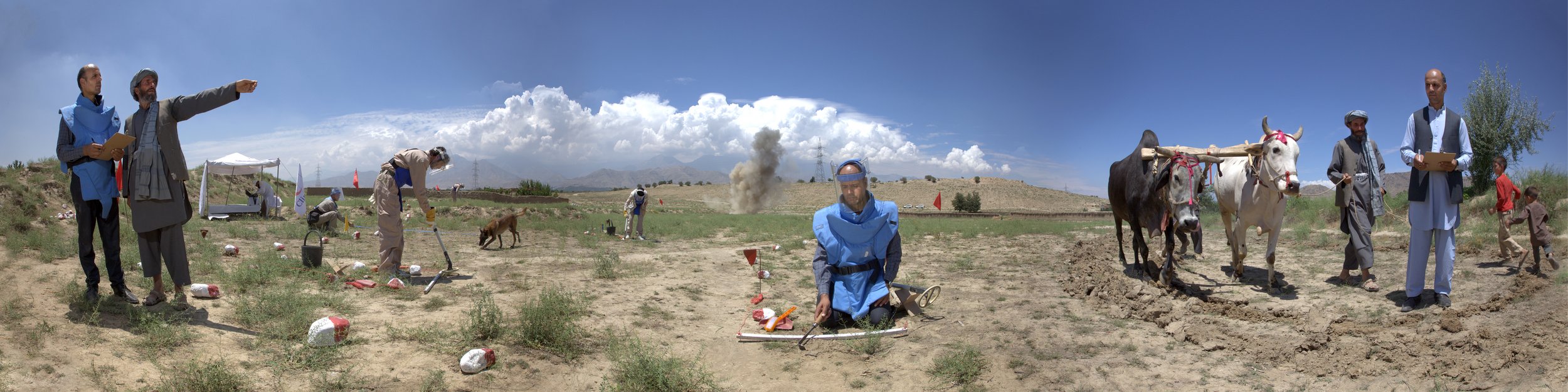
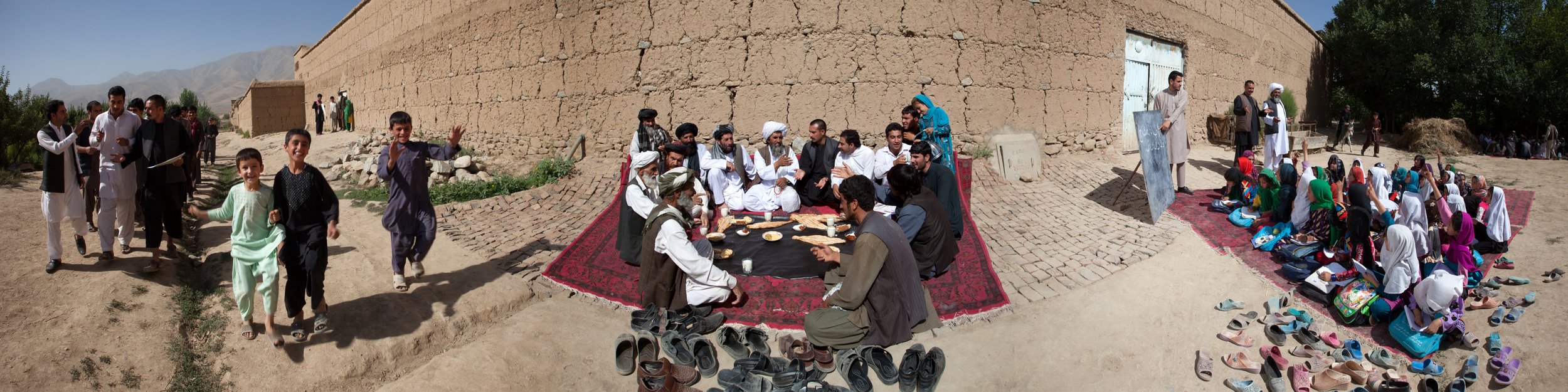
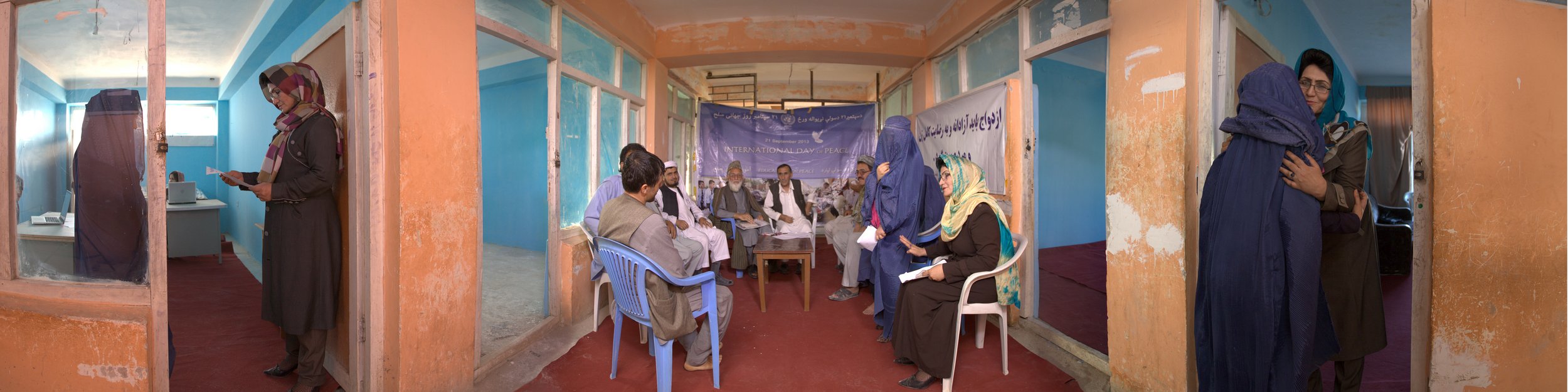
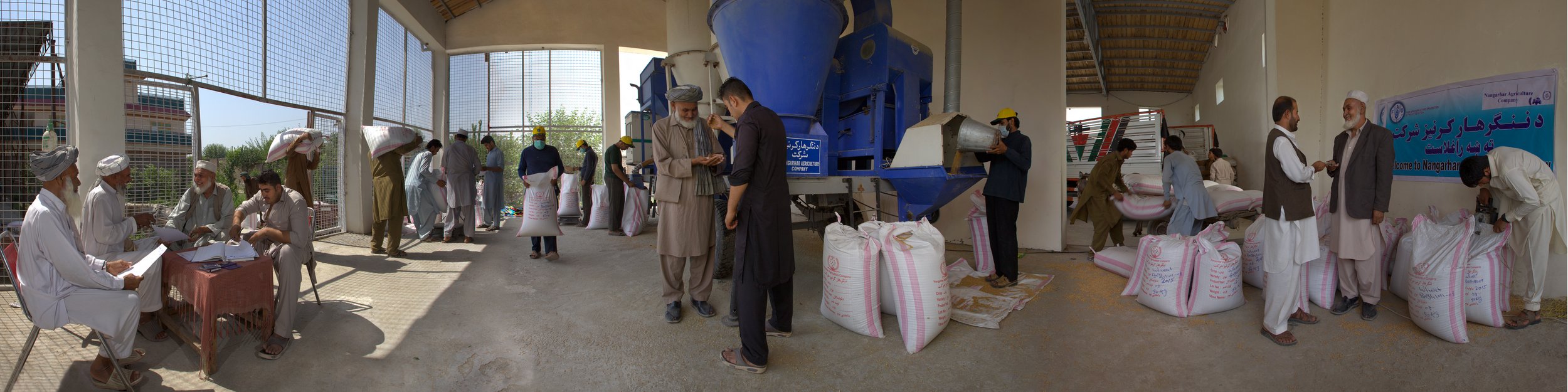
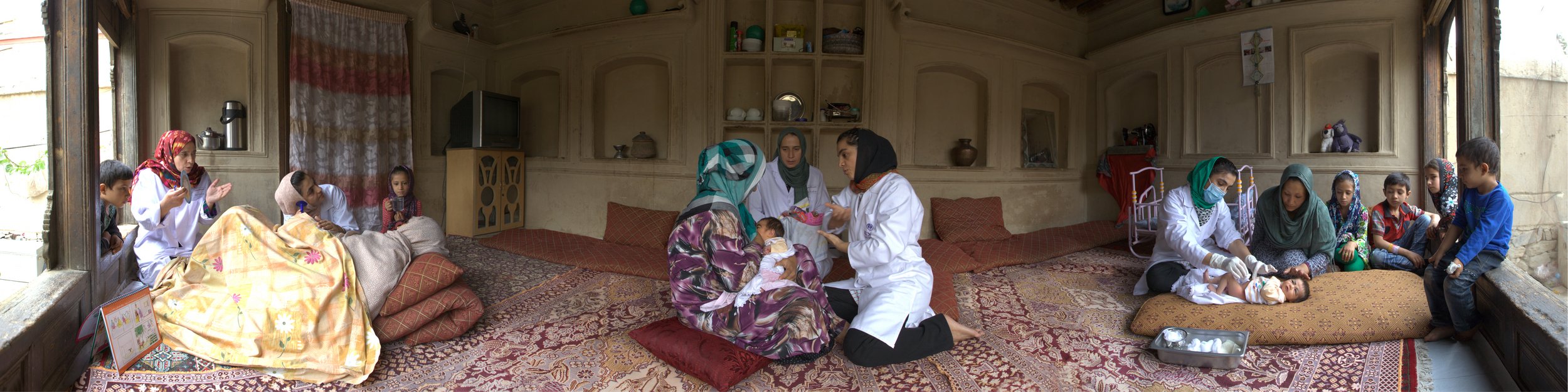
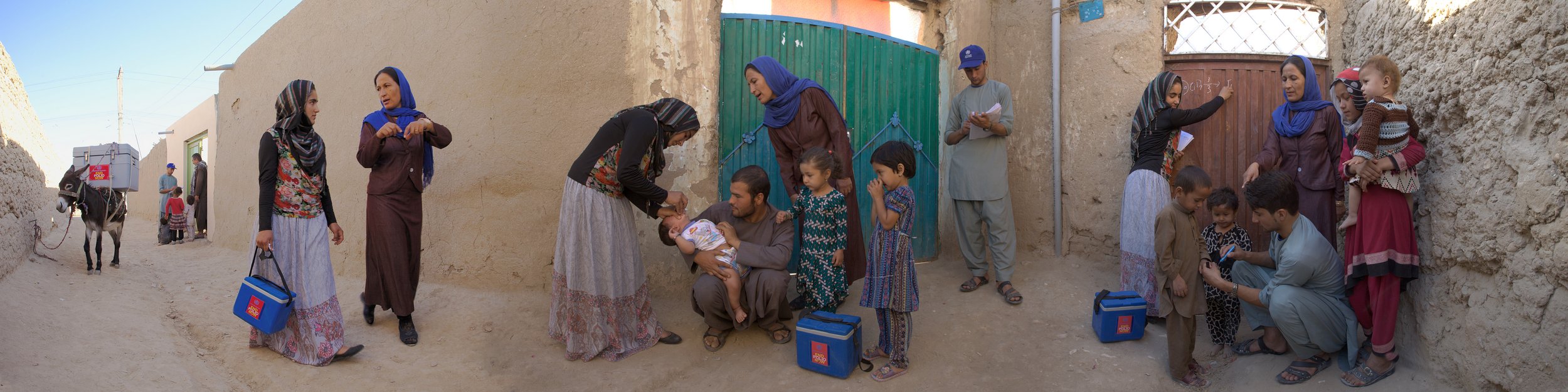
The UN Afghanistan UN70 campaign, built around the message “Strong UN. Strong Afghanistan.”, presented Afghan people as contributors to their country’s future. Its archived stories and photographs are no longer an active programme directory, yet they provide useful context for understanding how international organisations have supported communities. In this setting, “UN-Skills certification” is best understood as a practical umbrella for UN-supported or partner-delivered vocational training, assessment and referral services rather than as one universal qualification issued by a single UN body.
Why Certification Matters For Returnees
Returning to Afghanistan can involve more than crossing a border. People may arrive with interrupted education, limited savings, weak professional networks and uncertainty about where they will live. Some have acquired useful experience abroad but lack documents that employers, contractors or lenders can verify. A structured certificate gives that experience a clearer form and can help a trainee explain what they can do.
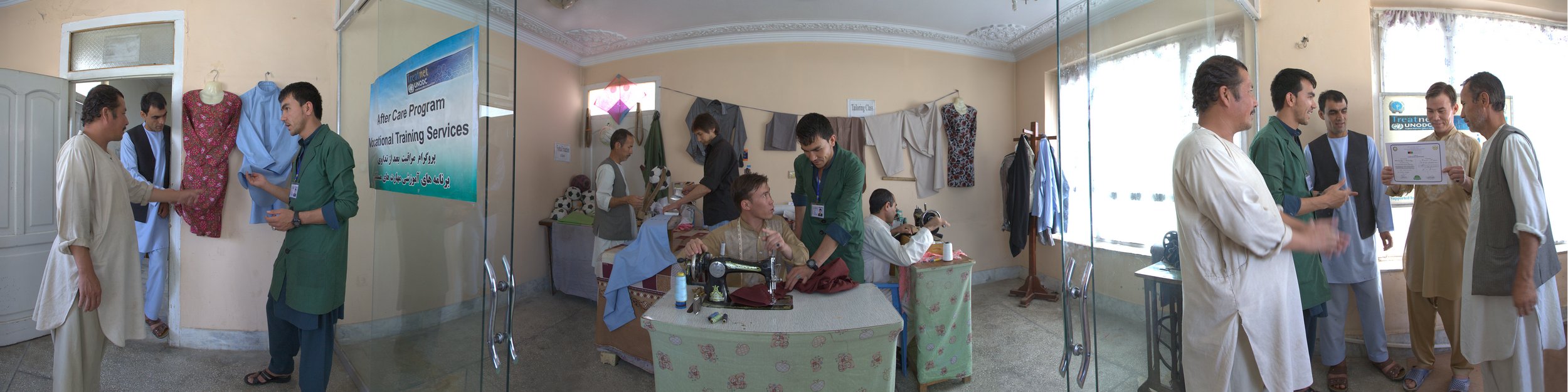
Effective programmes usually combine technical learning with basic employability skills. A construction course, for example, may cover bricklaying or electrical work alongside measuring, tool care, occupational safety and record keeping. A catering course may include food hygiene, stock control, customer service and pricing. These additions matter because small businesses and casual employers often judge workers on reliability, communication and safe work habits as much as on practical ability.
Certification also supports referral. A graduate can be connected with an apprenticeship, a job placement, a cooperative, a microfinance provider or a business development service. For returnees, that bridge is particularly important: training without a realistic route to tools, transport, work experience or customers can leave people with a certificate but no income. Programmes should therefore track employment and enterprise outcomes, not simply the number of certificates issued.
Designing Training Around Afghan Labour Markets
The strongest courses begin with a local market assessment. Trainers and community representatives can identify shortages in each province, speak with employers and review seasonal demand. A rural district may need irrigation repair, poultry production or solar-powered water systems, while an urban area may offer more openings in mobile-phone repair, driving services, tailoring, construction finishing and digital administration.
Short courses are often more suitable for returnees than long full-time programmes. Many participants need to earn, care for family members or travel between settlements. Flexible schedules, practical demonstrations and modular assessment can make learning possible for people who cannot attend a traditional college. Training centres should also consider literacy levels, language needs, disability access and the safety of women and girls travelling to class.
A credible certificate should state the skill area, training hours, learning outcomes, assessment method and issuing partners. It should include a verification process that employers can use without relying on informal personal contacts. Where a participant already has experience gained in Iran, Pakistan, the Gulf or elsewhere, recognition of prior learning can prevent unnecessary repetition and allow the person to complete a targeted skills gap course.
Linking Training With Protection And Inclusion
Returnee support works best when vocational education is connected with protection services. A participant may need help obtaining civil documentation, accessing healthcare, finding safe accommodation or managing debt before regular employment becomes possible. Referral systems should be confidential and designed so that a person is not excluded from training because they cannot immediately produce every document.
Women’s participation requires careful planning. Separate or women-led classes may be appropriate in some communities, while home-based production, safe transport and childcare can make attendance more realistic. Courses should avoid confining women to a narrow set of occupations. Digital services, bookkeeping, food processing, garment production, solar equipment maintenance and health-related support can all be explored where community conditions and safeguarding arrangements permit.
Young returnees also need protection from exploitation. A placement should have clear hours, supervision, safety equipment and an explanation of whether it is paid. Unpaid work must not become a substitute for ordinary employment. Training partners can provide information about contracts, wages, harassment reporting and safe migration so that graduates recognise abusive recruitment and understand where to seek assistance.
What Australian Stakeholders Can Learn
Australian employers, councils and settlement organisations encounter similar questions when supporting Afghan humanitarian entrants. In Sydney and Melbourne, a newcomer may find work through online applications, community referrals or labour-hire firms, while in Brisbane, Adelaide, Perth or regional towns the available pathway may depend on a smaller network of local employers. A certificate from Afghanistan may not automatically equal an Australian qualification, but it should not be dismissed before the person’s actual skills are assessed.
The Australian Qualifications Framework, registered training organisation requirements and the National Vocational Education and Training Regulator Act 2011 provide a useful benchmark for thinking about quality. An Afghan skills certificate should not be presented as an Australian trade licence or nationally recognised training credential unless it has gone through the relevant Australian assessment process. For regulated occupations, licensing rules differ between states and territories. Construction workers may need a White Card, electricians require state or territory licensing, and employers must check work rights through the appropriate official process.
Everyday routines can affect participation as much as formal rules. A trainee travelling by train in Melbourne may need a Myki card and a predictable timetable; someone working across Sydney may face long commuting distances and changing shifts. In Australia, many employers expect digital resumes, online induction modules, bank payments and basic workplace English. Familiar habits such as meeting a supervisor for coffee, responding to a text message promptly or completing a short online safety test can be unfamiliar to a recent arrival, so settlement support should teach these details without treating them as evidence of low ability.
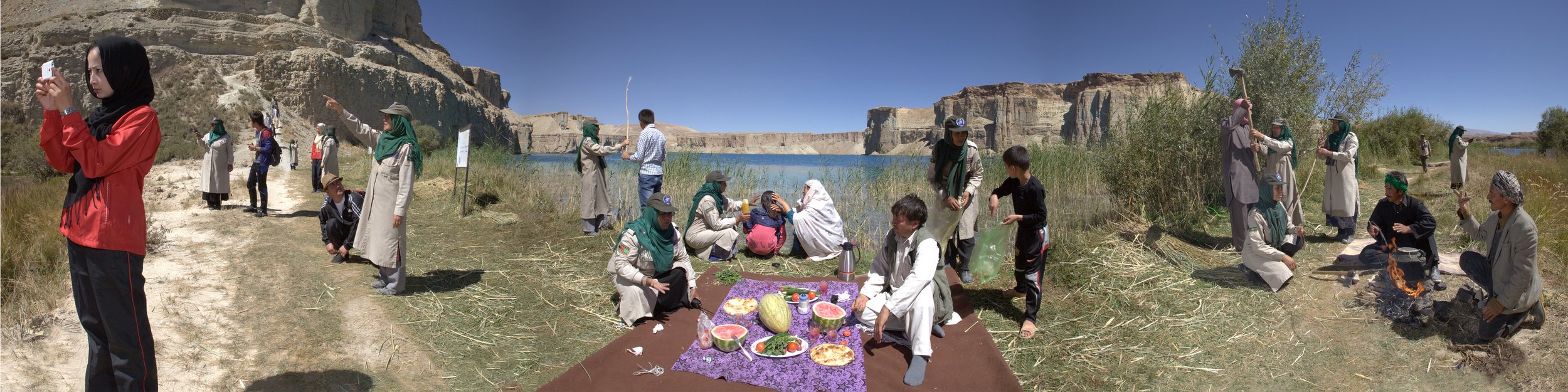
Hospitality and tourism offer a useful example of transferable training. A course can combine food safety, customer service, route planning and risk assessment. A simple excursion exercise, such as a guided springs visit, can illustrate how to check access, explain a location, manage a group and respond to weather or transport changes. The same competencies can later support work in an Australian café, regional visitor centre, hotel or community event, provided local certificates and legislation are addressed separately.
Practical Priorities For Stronger Programmes
UN agencies, Afghan authorities, non-government organisations, training providers and employers each have a role in making certification useful. International funding can help establish standards and reach underserved communities, while local organisations are better placed to understand language, trust, transport and household realities. Employers should participate in curriculum design and assessment rather than receiving graduates only after a course has finished.
For an Australian reader assessing a partnership, the following priorities offer a practical test of quality:
- Map courses to real vacancies, seasonal work and viable self-employment rather than selecting popular subjects alone.
- Publish learning outcomes, assessment methods, trainer credentials and a simple certificate-verification process.
- Include occupational safety, safeguarding, financial literacy, digital skills and workplace communication in technical courses.
- Recognise prior learning while offering bridging modules for gaps in tools, standards, literacy or language.
- Build direct links with employers, apprenticeships, cooperatives, local procurement and small-business support.
- Measure results six and twelve months after graduation, including employment retention, earnings, enterprise survival and participant safety.
- For Afghan entrants in Australia, refer qualifications to appropriate skills-assessment, licensing, settlement and employment services instead of promising automatic recognition.
A programme should also publish information about funding and selection. Returnees need to know whether training is free, whether tools or travel are covered, how places are allocated and what happens if a participant leaves temporarily for work. Transparent rules reduce rumours and help prevent gatekeeping based on family connections, political influence or informal payments.
From A Certificate To A Sustainable Livelihood
Certification becomes meaningful when it is part of a wider livelihood pathway. A graduate may begin with a supervised placement, receive a starter tool kit, join a producer group and later train another worker. Small grants can help, but mentoring, market access and reliable information about prices may matter just as much. In agriculture and trades, links with suppliers and buyers can determine whether a new skill produces regular income.
Monitoring should capture more than successful stories. Programme managers need to know who dropped out, which groups were unable to attend, whether women felt safe, whether employers used the certificates and whether graduates encountered discrimination. Feedback can then improve course timing, transport support, assessment methods and the balance between technical instruction and business preparation.
For Australian organisations, the most constructive approach is to treat Afghan experience as an asset that requires careful translation, not as a blank slate. Begin with a respectful conversation about what a person has done, observe the skill where possible, and then identify any Australian gap in licensing, safety or formal assessment. That process can protect standards while giving returnees a fair opportunity to contribute.
UN-supported vocational initiatives can help returnees rebuild livelihoods when they connect recognised skills with protection, employers and local economic realities. Support the approach by funding transparent assessment, partnering with credible Afghan training organisations and creating fair routes from overseas experience into Australian work. A strong certificate should be the beginning of opportunity: the next step is a safe placement, a paying customer or a sustainable enterprise.