
Making a Difference


Skills and stability in Afghan displacement camps
When families are forced from their homes, work does not disappear, but it becomes harder to enter. Certificates may be lost, tools separated, and a new settlement can place training, childcare and employment on different routes. For internally displaced people (IDPs) in Afghanistan, a local training room can therefore connect urgent household needs with a more secure future.
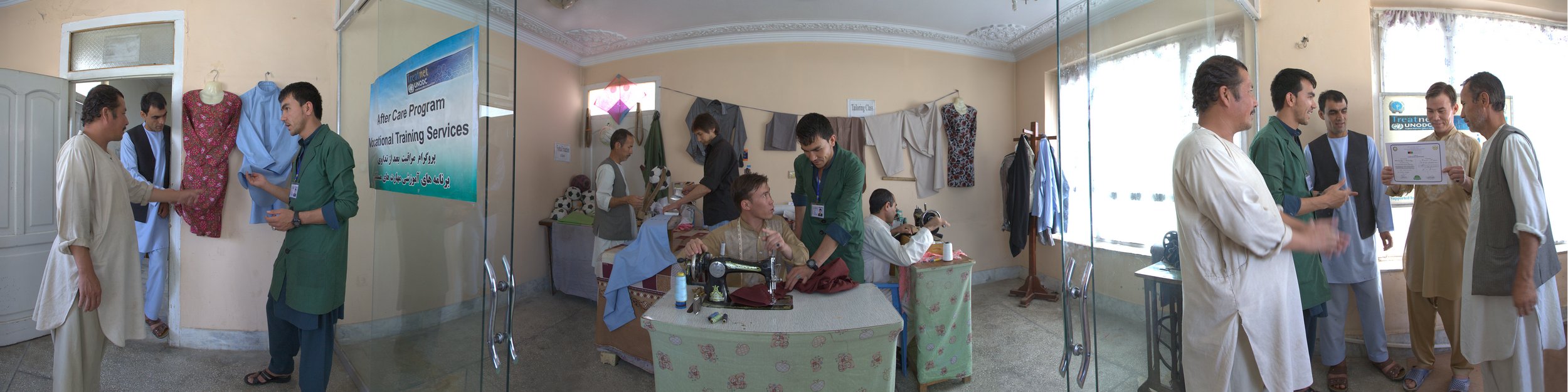
Afghan vocational centres for IDPs work best when they treat learners as people building careers rather than recipients of short courses. UN-Skills training in camp settings can combine practical occupations with literacy, numeracy, safeguarding and employment support. Its value rises when schedules, tools and instruction reflect how people live in camps and nearby towns, including the needs of women, older people, people with disabilities and households in peri-urban settlements.
Australian vocational educators, employers, councils and Afghan community leaders have relevant experience with people moving between countries, languages and labour markets. Their role can be practical: strengthen Afghan-led institutions, improve course quality, open employment pathways and ensure training reaches people who cannot easily attend a distant campus. Support should follow Afghan priorities rather than arrive with a fixed curriculum.
Why camp-based vocational centres matter
Vocational learning in a displacement setting operates under constraints absent from a normal campus. Learners may move between formal camps, informal settlements and host neighbourhoods. Fixed timetables and distant colleges exclude many people before instruction begins. Satellite classrooms, mobile workshops and community-based practical rooms bring training closer to daily routines, while modular delivery lets learners pause and return without losing their place.
Camp economies create genuine training demand. Tailoring, food preparation, vehicle repair, solar maintenance, construction, agricultural processing and care services require skills that local people need. Short courses can support neighbourhood businesses and strengthen nearby markets when graduates buy supplies, hire helpers or start small enterprises. A district-level labour check should identify viable occupations instead of importing a course list from another country.
Access requires deliberate design. Women may need safe, separate spaces, female instructors and childcare; older learners may require flexible hours or accessible venues. People with disabilities need adapted tools and assessments. Community consultation can reveal local restrictions and informal work patterns that national statistics miss. Inclusive centres can also become trusted places where residents exchange information about jobs, services and risks.
Training that fits displaced lives
A strong curriculum begins with work, then adds the knowledge needed to perform it safely. Carpentry, for example, can include measurements, material selection, site safety, maintenance and basic business records. Training for displaced workers should connect to occupations with credible local demand, while foundation learning is woven into instruction rather than placed before it as a barrier.
Credentials also need to travel. Stackable certificates can show what a learner can do at each stage, while recognition of prior learning respects apprenticeships and informal experience acquired before displacement. Practical assessments say more than attendance alone. Where electricity and connectivity are unreliable, printed visual guides, offline resources and low-tech materials can support theory without making the course depend on a functioning internet connection.
Learner support often determines whether training is completed. Transport costs, tools, protective equipment, childcare and modest food or attendance stipends can remove obstacles that dominate a low-income household budget. Centres should also establish referral routes for psychosocial care, documentation help, legal advice and disability services. A referral works only when partners are active, reachable and discreet; a list of telephone numbers is not enough.
Delivery should fit life rather than compete with it. Part-time schedules, catch-up sessions, evening classes and weekend workshops may suit displaced workers and carers. Trainers can use household visits and local workplaces to assess competence in context. Flexible models require coordination, yet they reduce dropout and produce a more representative group of qualified workers.
Partnerships that turn skills into work
Partnerships should connect Afghan institutions, training providers, employers, camp representatives, local authorities and international support. The mix varies by province, while displacement, security and restrictions on movement or work can affect access to formal training. Afghan technical institutes and community organisations should lead curriculum decisions, trainer selection and outreach, with international partners providing finance, equipment, technical advice and safeguards that local systems may lack.
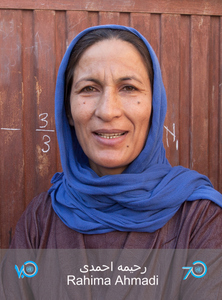
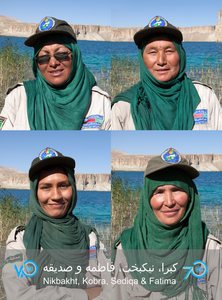
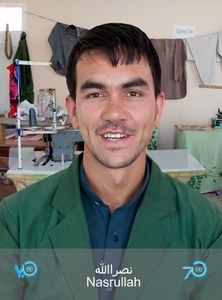
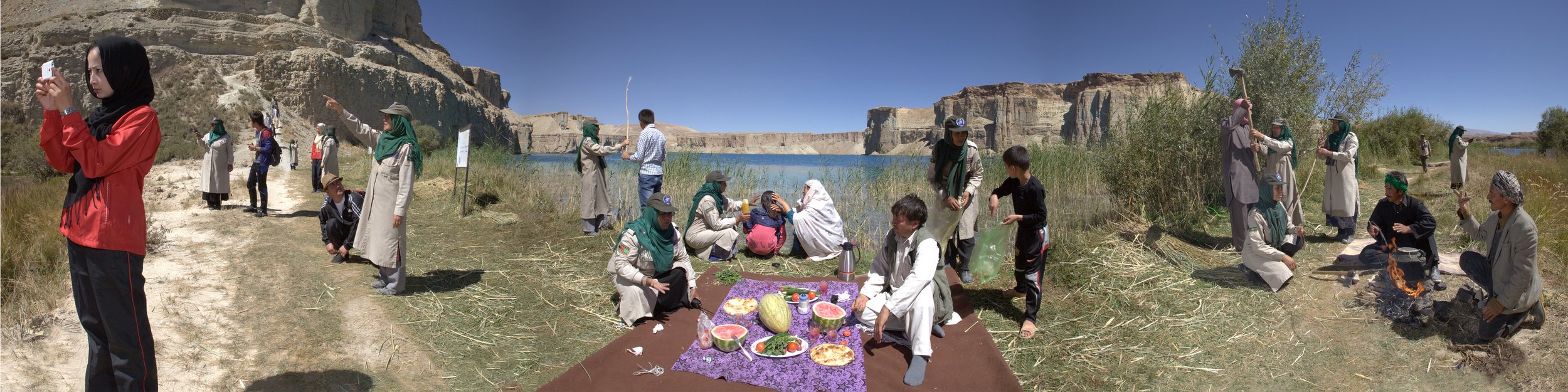
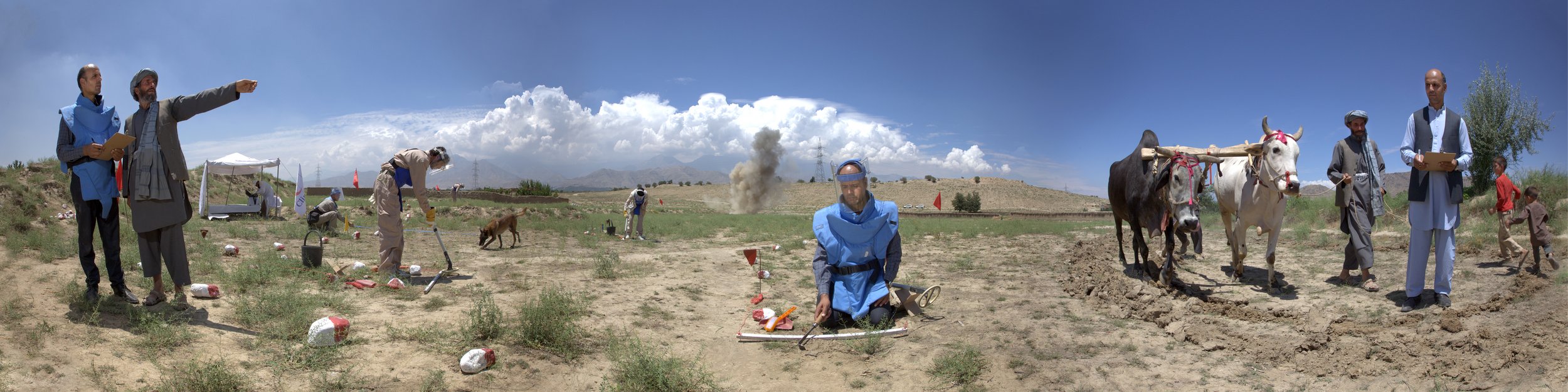
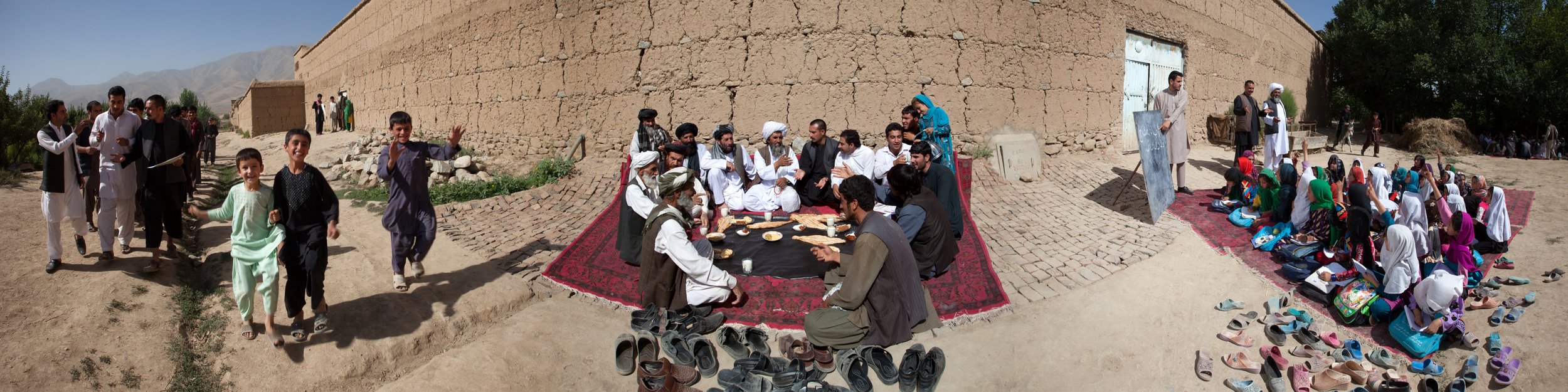
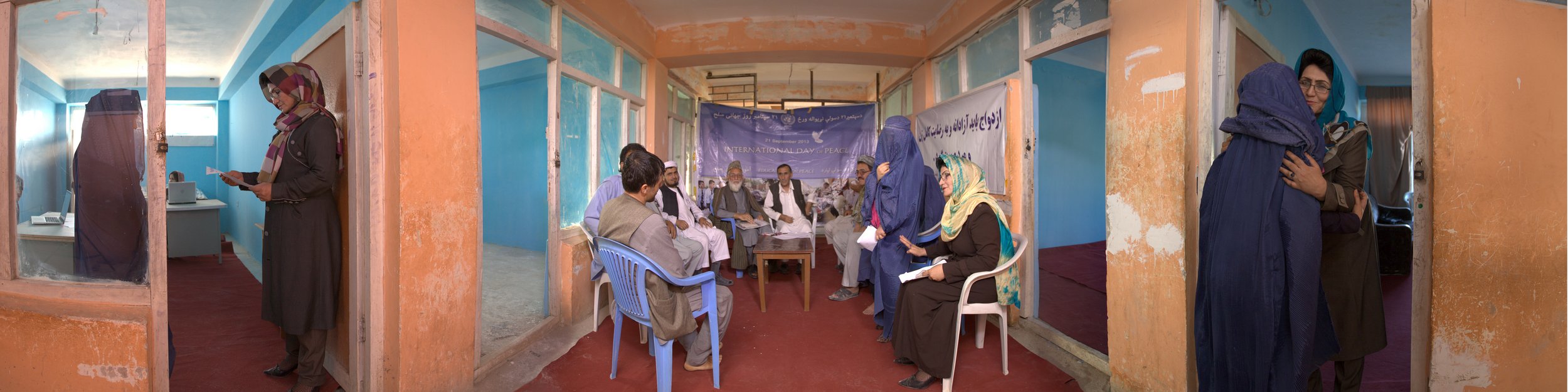
The archived UN Afghanistan campaign provides useful context for this partnership approach. Its Strong UN. Strong Afghanistan messages place Afghan experiences and contributions at the centre of UN engagement. Although the campaign has ended, its photographs, stories and links to United Nations media remain an example of public communication that emphasises local capacity and dignity. It should be used as background, not as proof of current programme reach.
A course becomes a pathway when participants can move into work. Programmes can arrange workplace visits, interviews, apprenticeships, toolkits for microbusinesses, reconstruction opportunities and referrals to local employers. Bridge grants may help workers accept lower starting wages while gaining experience, but incentives should be transparent and time-limited. Follow-up after three, six and twelve months can reveal whether training led to sustained employment, improved earnings, further study or a stronger existing business.
Evidence for stronger outcomes
Reporting enrolment gives a weak picture of social impact. Useful indicators include completion, demonstrated competence, job placement, earnings, retention, business survival and learner confidence. Data should be disaggregated without exposing individuals, with consent and clear limits on collection. Because displaced people may be wary of official records, centres should explain who can access information and allow feedback through secure, low-risk channels.
Monitoring should examine whether opportunity widened. Measures can track participation by gender, age, disability and displacement status, including whether women receive equipment and referrals rather than only theory. Learner interviews and employer feedback should be voluntary and independent enough to expose weak teaching or job links. Public dashboards can show progress, while personal stories require informed consent and careful editing.
Adaptation needs regular evidence. Trainer coaching, updated tools and revised lessons should follow completion rates, workplace assessments and employer demand. Changing direction does not mean a centre is failing; it can signal a responsive response to a fluid labour market and vulnerable population. Evaluation should distinguish correlation from causation and document unintended effects, such as tension over scarce jobs or perceptions that training favours certain groups.
Back Afghan skills pathways from Australia
Australia can contribute through institutions familiar with vocational qualifications, workplace safety and migrant inclusion. Melbourne and Sydney have Afghan businesses and community networks connected to construction, hospitality, automotive services, aged care and logistics, sectors also facing recruitment pressure in the Australian labour market. Multicultural networks in Adelaide and Brisbane can support mentoring, translation and employer engagement, provided diaspora organisations listen rather than claim to represent camp communities.
Australia’s TAFE and registered training organisation systems offer models for stackable credentials, recognition of prior learning and competency-based assessment, while workplace licences and industry tickets add local requirements. Camp training does not automatically meet Australian standards, and Afghan qualifications need careful assessment. Partners can help Afghan providers build transparent certification, align practical modules with recognised competencies and create routes to qualifications that may support later migration or professional recognition.
Support can also follow Australian community customs. Mosque notices, council forums, Eid gatherings, community picnics and sports days can help families learn about courses in trusted settings. Small-business associations can host tool demonstrations where women and men see equipment in use, while mentors arrange mock interviews in a learner’s preferred language. These familiar methods can cut through crowded humanitarian information channels.
- Prioritise Afghan-led course design, trainer development and outreach, with camp residents holding a formal role in decisions.
- Pair each occupation module with employer visits, practical placements and a documented route from learning to work.
- Protect access with transport, childcare, tools, safeguarding and psychosocial referrals rather than treating them as optional extras.
- Measure sustained employment, earnings and learner safety, then publish results in privacy-conscious form for partners and supporters.
Choose one practical action now: share the archived campaign’s Afghan-led stories within your networks, support a vetted Afghan vocational partner, or contribute trainer development, employer partnerships and learner support. Every contribution should follow Afghan requests, transparent costs and clear safeguards. Australians can help make camp-based training relevant, inclusive and connected to a real chance of work.