
Making a Difference
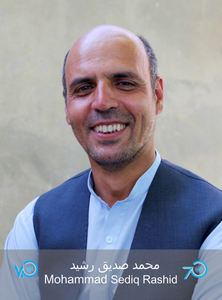
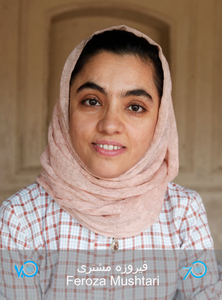

Afghan solar water pumps bring water to farms and homes
Access to water shapes the rhythm of daily life in Afghanistan. In dry provinces, families may rely on wells, streams and groundwater, while farmers need irrigation during short planting windows. A diesel pump can make water available, but fuel costs, breakdowns and unreliable roads leave supply vulnerable. Solar pumping changes the energy equation: once a suitable array and pump are installed, sunlight can keep water moving without a generator running beside every well. That change can free up time, improve reliability and support both household use and farm production.
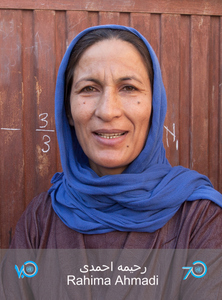
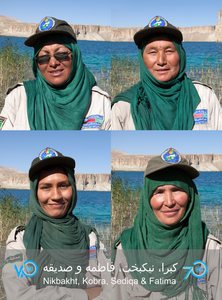
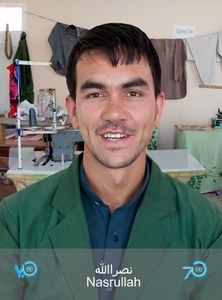
The UN Afghanistan UN70 campaign, Strong UN. Strong Afghanistan., highlighted how partnerships and practical solutions can improve lives across the country. Its stories put Afghan engineers, farmers, water committees and community leaders at the centre of development. The UN-installed solar water pumps featured in this work demonstrate a simple principle: infrastructure succeeds when it responds to local needs, uses local knowledge and remains useful long after installation. For an Australian audience, the lessons extend from drought-prone paddocks to remote communities where reliable water is equally essential.
Water at the centre of everyday life
Afghanistan’s water challenges are closely connected to livelihoods. Herders need dependable supplies for livestock, farmers require irrigation during dry months, and households need clean water for cooking, sanitation and drinking. Groundwater sources can decline when they are overused, while surface water varies sharply with rainfall and season. Solar pumps improve access to available sources, but they cannot create water where none exists sustainably.
UN-installed systems have supported agricultural production and community water supplies in different parts of Afghanistan. At farms, pumped water can extend a growing season, maintain fodder crops and reduce losses during dry periods. At community schemes, it can feed shared taps and standpipes. Reliable nearby water may also reduce long journeys, particularly for women and girls who traditionally carry much of the household collection burden.
A pump moves water; it does not make contaminated water safe. Household schemes still require appropriate testing, filtration, disinfection and protected storage. Where irrigation withdrawals could exceed recharge, communities also need groundwater monitoring and clear rules about pump use. Combining solar technology with sound water management produces more durable benefits than equipment alone.
How a solar pumping system works
A community solar pumping system usually brings together photovoltaic panels, a charge controller or inverter, an electric pump, pipes and storage infrastructure. The panels convert sunlight into electricity, while the controller manages the power supply. Pumps may draw from a groundwater bore, lift water from a canal or transfer it between tanks. Elevated storage can maintain pressure during cloudy periods or provide reserve supply for essential use.
The right size depends on the water source, lift height, daily demand and reliability required. A large pump can empty a shallow well quickly or burn more electricity than the array can supply. Designers therefore need to measure flow, water quality and seasonal groundwater levels. In some locations, a hybrid system that switches to a generator or grid power during poor weather offers useful flexibility, although a well-designed solar-only installation can be simpler to maintain.
Long-term performance depends on servicing. Afghan technicians need access to replacement cables, controllers, bearings, filters and pump parts, along with clear fault-checking procedures. Dust, summer heat and winter cold all affect equipment. Local training, spare-parts networks and a realistic maintenance budget are therefore as important as the initial installation.
Two landscapes with different water priorities
Afghanistan and Australia use similar pumps for very different operating conditions. Afghan community systems often serve scattered settlements and agricultural users where grid electricity is limited, fuel is expensive and service visits can take considerable time. Australian systems operate within mature agricultural markets, with many properties connected to grid power but others using off-grid solar for stock watering, irrigation and household supplies.
Across the Murray-Darling Basin, an irrigator still needs an allocation or licence to use water. Solar can reduce pumping costs, but it does not change legal entitlement to water. In Queensland’s “sunshine state”, growers around Bundaberg and Ayr routinely compare solar pumping with diesel and grid-connected alternatives, taking local solar exposure and irrigation schedules into account.
On farms in northern Victoria and southern New South Wales, “stock-and-domestic” systems may supply livestock troughs and household tanks from the same bore. Australian rural conversation has its own practical shorthand: a drilled well is a “bore”, and dependable equipment is often described as “fair dinkum”. The market generally runs through agricultural dealers, electrical contractors and pump specialists, with buyers comparing finance, warranties and local service support rather than focusing only on purchase price.
The comparison highlights where shared principles can help both settings.
| Design factor | Afghan community systems | Australian farm systems | Shared principle |
|---|---|---|---|
| Primary need | Household water, livestock and small-scale irrigation | Irrigation, stock watering and household supply | Design around actual demand |
| Power source | Often standalone solar where the grid is unreliable | Both grid-connected and off-grid solar | Match reliability to operating conditions |
| Service environment | Scattered locations and potentially long travel distances | Large properties with pumps often down track | Train nearby technicians and hold spare parts |
| Water governance | Community agreements and careful withdrawal limits | State licences, allocations and farm management plans | Confirm rights before expanding use |
| Ownership model | Often involves UN installation, local handover and community institutions | Usually private ownership supported by contractors and dealers | Make responsibilities and costs explicit |
The technology is transferable, but a solar pump should never be treated as a plug-and-play answer. Local water law, land access, farming practices, service networks and community decision-making determine whether the investment succeeds.
Ownership, maintenance and shared accountability
A handover ceremony is not the end of a water project. Ownership must be supported by authority over maintenance spending, access to spare parts and a mechanism for resolving failures. Community committees need training, written procedures and realistic financial plans. Where users contribute fees, collection should be predictable and transparent, with a clear understanding of what the payment covers.
Long-term service agreements are central to effective infrastructure partnerships. The models catalogued through Kosovo PPP practice illustrate the value of spelling out investment, maintenance and performance responsibilities. The transferable lesson for Afghanistan is not to copy another country’s legal model, but to ensure that nobody assumes someone else will repair the pump when it fails.
Accountability can be strengthened through simple records. Operators can log operating hours, delivered volume, repairs and unusual changes in groundwater levels. Remote monitoring may help, but community technicians still need the skills and parts to respond. A modest service reserve set aside before handover can prevent a minor fault from becoming a prolonged interruption.
Building reliable solar water services
Future installations should be judged as continuing public services rather than isolated pieces of equipment. The strongest programmes connect engineering design with local institutions, water governance and funding for the operating life of the system.
- Design from the source and demand. Measure groundwater yield, seasonal flow, lift height and household or farm requirements before choosing panels and pumps. Include realistic cloudy periods and future demand where these can be forecast.
- Pair water lifting with water safety. Protect wells and storage from contamination, test water regularly and provide treatment where needed. A reliable supply of unsafe water remains a serious health risk.
- Train and equip local technicians. Establish practical curricula, certify qualified repairers and maintain accessible stocks of commonly failed parts. Training should include electrical safety, pump protection and water-quality awareness.
- Fund the full operating life. Budget for cleaning, inspections, replacement components, communications and eventual equipment renewal instead of treating maintenance as an unfunded afterthought.
- Clarify ownership and payments. Record who owns the equipment, who authorises repairs, how operating costs are covered and what service level users should expect.
These measures should be agreed with farmers, water committees, local authorities and technical partners before commissioning. Participation during installation creates practical knowledge on the ground and reduces the likelihood that a functioning system becomes neglected after the delivery team leaves.
Keeping Afghan water systems flowing
The UN70 campaign is now an archived record, yet the Afghan stories it preserved remain relevant. Solar water pumps show how UN partnerships can connect global goals with community priorities: safe water, productive livelihoods, local employment and practical climate responses. Their value depends on what happens after the cameras leave and the installation certificates are filed.
Australian experience can contribute through technical partnerships, engineering expertise, fair supply chains and long-term funding models. The approach should support Afghan-led priorities rather than import Australian assumptions. Water entitlements, climatic conditions and infrastructure needs differ, but the emphasis on maintenance, transparent governance and dependable service is shared.
Explore the archived UN70 material, share Afghan water stories and support practical programmes that place reliable water, local engineering skills and long-term maintenance first. A solar pump is a powerful tool; sustained commitment turns it into a service people can count on every day.