
Making a Difference
UN assistance opens doors for Afghan female entrepreneurs
Across Afghanistan, women are quietly reshaping the small business landscape, opening tailoring workshops in Herat, food processing units in Mazar-i-Sharif, and digital services from home offices in Kabul. Yet for many, the journey from idea to legally registered enterprise is filled with obstacles that go far beyond a lack of capital. Limited literacy in bureaucratic procedures, restricted mobility, and cultural expectations can all stand between an ambitious woman and the paperwork that would let her operate openly, open a bank account, or sign a contract.
The United Nations has worked alongside Afghan communities for decades, and the UN70 "Strong UN. Strong Afghanistan." campaign celebrated that long partnership. Within that broader mission, targeted programmes have focused on helping women formalise their businesses, recognising that registration is not a bureaucratic formality but a gateway to credit, training networks, and protection under the law. Understanding how those programmes operate offers useful perspective for anyone interested in women's economic empowerment, including the many Australians who trace family ties to Afghanistan or support development causes from cities like Sydney, Melbourne, and Perth.
Navigating legal requirements for women-owned ventures
Registering a small business in Afghanistan typically involves several institutions, and the process can be daunting for first-time entrepreneurs. A business name must usually be reserved with the Central Business Registry, while sector-specific licences may be required from the Afghanistan Investment Support Agency, the Ministry of Commerce and Industry, or local municipalities. For women, the path can include additional layers, such as requirements around male guardians for certain signatures, inconsistent recognition of identity documents, and offices that are simply less accessible to female clients.
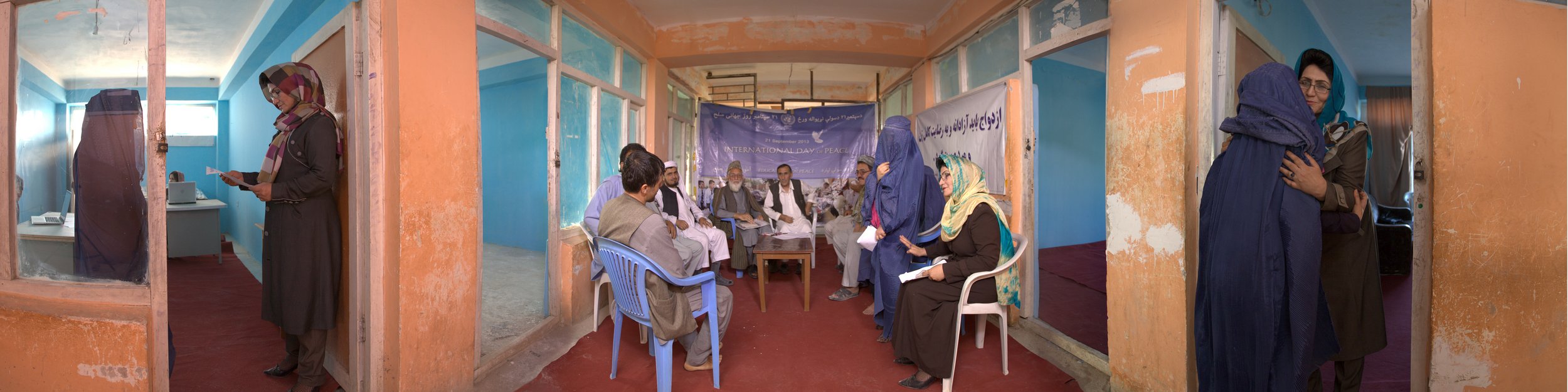
UN agencies have responded by mapping these requirements in plain language and producing step-by-step guides tailored to women. In several provinces, the UN has helped establish one-stop service centres where female staff assist women entrepreneurs with completing forms, verifying documents, and following up on applications. These efforts reduce the number of separate visits a woman needs to make, which matters enormously in a context where travel can be difficult and time away from family or business is costly.
The legal landscape continues to shift, with periodic reforms aimed at improving the business environment. UN advisors regularly feed practical observations from women entrepreneurs back into policy discussions, advocating for clearer fee structures, simplified procedures, and stronger protections against informal levies that disproportionately affect small operators. For many participants, simply knowing what the rules are becomes a powerful form of empowerment, allowing them to plan, negotiate, and grow.
UN programmes that walk women through business registration
Several UN entities play complementary roles in supporting female-led small business registration. UN Women has long championed economic empowerment programmes, often partnering with local NGOs to deliver registration clinics in districts where formal services are thin on the ground. UNDP contributes technical expertise to the central registry itself, helping digitise records and streamline approvals, while also supporting entrepreneurship incubators that take women from informal operations to fully licensed businesses.
UNIDO and the ILO bring a sector lens, working with women in crafts, food production, and light manufacturing to ensure that registration aligns with quality standards and labour protections. Their joint programmes often include components on workplace safety, fair wages, and product certification, which together make a registered business more credible to buyers and lenders.
| UN agency | Core support for female entrepreneurs | Typical entry point for registration support |
|---|---|---|
| UN Women | Advocacy, training, business clinics | Community-based registration workshops |
| UNDP | Registry modernisation, incubation | Partnerships with provincial trade offices |
| UNIDO | Sector standards, product certification | Industry-specific guidance for manufacturers |
| ILO | Labour rights, enterprise formalisation | Co-operatives and small employer networks |
These agencies coordinate through the UN Country Team in Kabul, which means a woman attending a UN Women clinic might be referred to a UNDP partner for help with digitising her accounts, or to the ILO for advice on hiring her first employee. The table captures the typical division of labour, though in practice programmes overlap and adapt to local needs.
Beyond paperwork: training, finance and mentorship
Registration is only the first step. A registered business still needs customers, capital, and the confidence to keep going. UN-backed programmes pair formalisation with financial literacy training, teaching women how to read balance sheets, separate household and business expenses, and approach banks with a credible proposal. In many cases, partner microfinance institutions offer small loans exclusively to women-led enterprises that have completed registration, treating the licence as evidence of seriousness.
Mentorship plays an equally important role. The UN has facilitated networks where experienced Afghan businesswomen, including some who have returned from the diaspora, share advice with newcomers. These networks often meet in safe, women-only spaces and continue online through chat groups and regular calls. For women in more remote provinces, mobile mentorship has proven particularly valuable, allowing advice to travel further than a mentor ever could.
Vocational training rounds out the package. From basic computing to inventory management, courses are designed to fit around family responsibilities, with flexible scheduling and childcare support where possible. The combined effect is that a woman who once sold goods informally from her home can, within a year or two, find herself signing export contracts or bidding for government supply tenders, opportunities that were effectively closed to her without a registered business.
From Kabul to Kandahar: ventures shaped by women
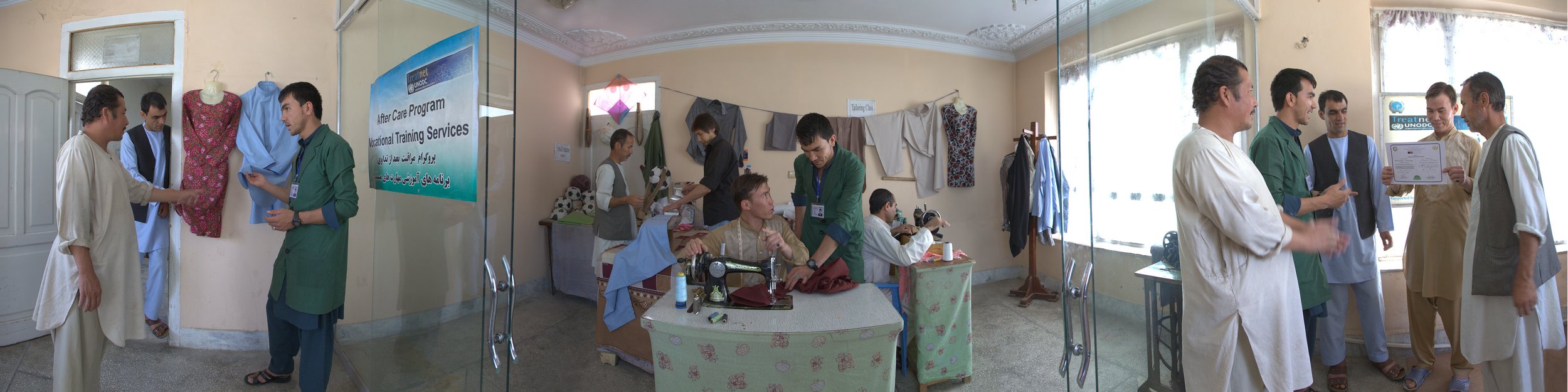
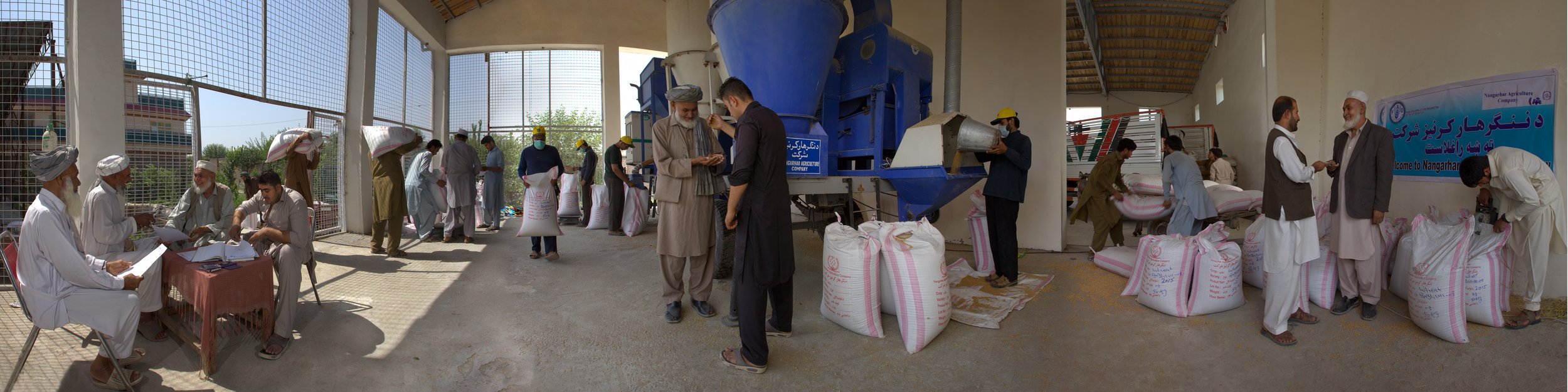
In Kabul, a group of women trained through a UN-supported programme now runs a small cooperative producing dried fruits and nuts for domestic markets. Registration allowed them to negotiate directly with wholesalers rather than relying on middlemen who took a large share of the profit. Their story is echoed across other provinces. In Herat, women have established tailoring businesses supplying school uniforms, while in Balkh, home-based food processors have formalised operations to supply local supermarkets and restaurants.
These ventures share common features. They tend to be small, often starting with just a handful of employees, and they focus on sectors where Afghan women have deep cultural knowledge and existing networks. The UN's role is rarely to invent these businesses from scratch. Instead, it removes the administrative friction that keeps them stuck in the informal economy and limits their growth.
The impact is felt beyond the businesses themselves. Registered enterprises contribute tax revenue, create employment, and provide role models for younger women. For girls watching a neighbour or older sister sign documents at a trade office, the very idea of what is possible begins to shift. That cultural change may be the most enduring outcome of all the registration drives combined.
What this means for Australian supporters and partners
For Australians who follow development news or have Afghan connections, this work offers a concrete way to understand how international cooperation translates into individual opportunity. Sydney and Melbourne are home to significant Afghan-Australian communities, and many families maintain close ties with relatives who would benefit from expanded economic participation. Australian small businesses themselves, with women owning roughly one in three of them according to long-running Australian Small Business and Family Enterprise Ombudsman data, offer a useful reference point for thinking about the everyday impact of formalisation.
Australian aid policy, administered through the Department of Foreign Affairs and Trade, has historically prioritised women's economic empowerment in its partner countries, and UN programmes in Afghanistan have drawn on this shared commitment. Universities and research institutions in Brisbane, Adelaide, and Canberra have produced studies on gender and entrepreneurship that resonate strongly with the Afghan experience, even when the local contexts differ. Engaging with that body of work helps Australian audiences move beyond headlines and into the practical realities of what registration actually delivers.
There are also meaningful ways for individual Australians to participate. Supporting charities that back Afghan women's cooperatives, attending cultural events that showcase products from women-led enterprises, or simply sharing accurate information about how UN programmes function all help broaden the conversation. For businesses considering ethical sourcing, partnering with registered Afghan suppliers offers a way to combine commercial interest with positive social impact.
The UN Afghanistan website continues to share stories from communities across the country, including updates on programmes that support female entrepreneurs. Following the campaign channels, signing up for newsletters, or engaging with the UN's social media presence keeps the conversation alive long after news cycles move on. Even as the broader UN70 campaign has ended, the partnerships it celebrated remain active, and the women behind them deserve visibility, recognition, and ongoing support.