
Making a Difference



Afghan school meals that nourish learning
For many children in Afghanistan, a school meal is more than a break between lessons. It can provide the energy needed to concentrate, reduce hunger at home, and make regular attendance possible. In communities affected by conflict, displacement, drought and economic hardship, nutritious meals delivered through schools help families keep children in education while improving their chances of learning.
The archived UN Afghanistan website reflects this wider purpose through its UN70 “Strong UN. Strong Afghanistan.” campaign. The campaign is no longer active, but its emphasis on Afghan participation, community partnerships and practical support remains relevant. United Nations agencies, particularly the World Food Programme, have worked with Afghan education authorities to provide meals and complementary nutrition assistance in areas where families and schools need them most.
School feeding is also a community investment. Food purchases can support local farmers and producers, while organised meal services create employment for cooks and kitchen workers. For Australian donors, the most useful support is guided by local needs, reliable delivery and careful accountability rather than assumptions about what children need. Australia’s own school food systems, supermarket networks and regulatory experience offer useful lessons, although Afghan communities must remain the drivers of decisions about menus and delivery.
Why school meals matter in Afghanistan
Good nutrition supports attention, memory and physical activity. Children who arrive at school hungry are more likely to struggle with concentration, and a nutritious midday meal can improve participation throughout the school day. The benefits are particularly important for younger pupils, adolescents and children recovering from illness, all of whom have different nutritional requirements.
Meals can also ease pressure on household budgets. When parents know that their children receive food at school, they may be better able to maintain a varied diet for the rest of the family instead of dividing a limited quantity of food among several people. Take-home rations can help in the same way for families whose children attend irregularly or whose communities face severe food shortages.
A school kitchen cannot solve every barrier to education, however. Safe transport, accessible buildings, clean water, sanitation, qualified teachers and a secure learning environment remain essential. Since 2021, restrictions affecting girls’ secondary and tertiary education have made this especially clear. School meals can strengthen a child’s wellbeing and readiness to learn, but they cannot replace the right to attend school safely.
What UN-supported feeding looks like
The World Food Programme has supported school feeding in Afghanistan in partnership with national and local authorities. Programmes have included meals served at schools, take-home food rations and nutrition support for children and families facing food insecurity. UNICEF and other UN partners contribute through broader nutrition, health, water and education initiatives, while local organisations help connect assistance with communities.
The appropriate delivery method depends on conditions. In-kind food is often necessary where roads, markets or storage facilities are disrupted. In places where markets function reliably, cash-based support can allow families to obtain fresh and culturally familiar foods while keeping more of the programme’s value within the local economy. Remote schools may need additional supplies for cooking equipment, fuel, storage and hygiene.
Monitoring requires more than counting meals. Programme teams should check nutritional quality, food safety, attendance patterns, wastage and feedback from families. Clear records also help identify whether children are receiving enough food and whether the service is reaching schools with the greatest needs. Community committees can strengthen this system by reporting problems and helping adjust menus or schedules.
Building meals around Afghan tastes and budgets
Afghan food preferences vary by region, household and income, so menus should not rely on a single national cuisine. Familiar dishes can include flatbread, rice, potatoes, lentil or chickpea stews, dairy products, eggs, seasonal vegetables and dried fruit. A simple meal combining a cereal, a protein source and fruit or vegetables is usually more nutritionally useful than a menu based only on wheat flour.
Nutrition standards should also reflect age, gender and local health needs. Younger children need appropriately sized portions and foods they can eat safely. Adolescents require sufficient energy, iron, calcium and other nutrients during periods of rapid growth. Locally available fortified foods can help address deficiencies, yet supplements do not replace dietary diversity, and programme teams should check that fortified products are appropriate and properly stored.
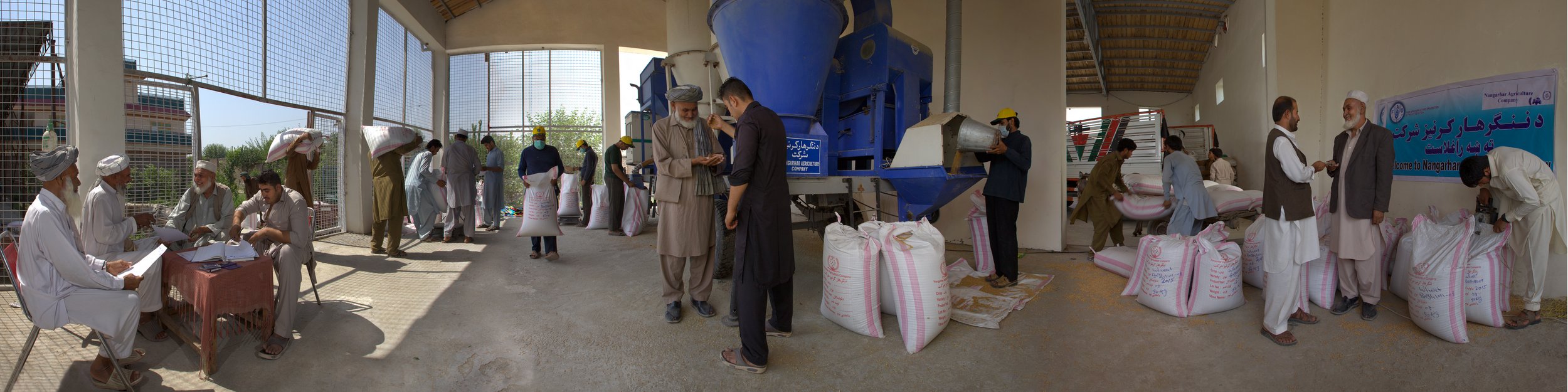
Procurement decisions influence both nutrition and local resilience. Buying wheat, pulses, milk, eggs or produce from nearby producers can support family incomes and reduce transport costs. Programme managers must balance this local benefit against price fluctuations, seasonal shortages and food-safety requirements. Women’s producer groups and community-based suppliers can play an important role when they have fair access to contracts, training and timely payment.
The role of girls and community ownership
School feeding can be especially valuable for girls, who may otherwise carry a greater share of domestic work or receive less food within the household. A reliable meal can support regular attendance, concentration and adolescent health. Menstrual hygiene, clean water and private washing facilities should be considered alongside food so that students can attend school with dignity.
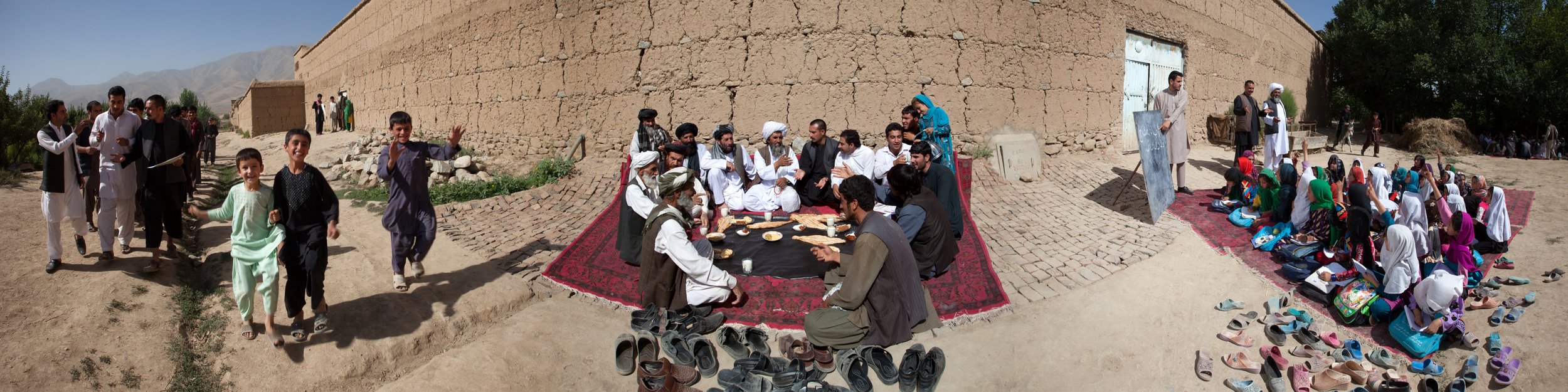
Local involvement helps a programme become part of everyday community life. Teachers can identify attendance and nutrition concerns, while parents, health workers and local authorities can guide menus and monitor hygiene. Cooks and kitchen committees need fair pay, training and safe working conditions. Involving women in procurement and meal preparation can strengthen local food systems, although participation should be voluntary and should not add unpaid responsibilities to women already carrying heavy workloads.
Feedback systems must also protect children from stigma. Assistance should be based on need without publicly labelling pupils as poor or vulnerable. School meal services work best when they feel routine and inclusive, supported by practical information for families and referral pathways for children who need additional health or nutrition care.
What Australian experience can teach
Sydney and Melbourne have long-established Afghan and wider diaspora communities, including families in western Sydney and Melbourne’s north. Schools in these areas serve highly diverse student populations, offering Australian partners examples of multilingual menus, community fundraising and the value of Afghan-led organisations. Ingredients used in Afghan cooking—such as pulses, flatbread, tahini, yoghurt and dried fruit—are available through supermarkets such as Coles and Woolworths, as well as independent grocers, although selection and prices vary between stores and suburbs.
Everyday Australian school routines are also familiar: many children bring a lunchbox containing a sandwich or wrap, fruit, yoghurt and packaged snacks, while some schools provide breakfast through specialised programmes. Australian supermarkets operate extensive cold chains and logistics networks, yet these advantages should not be transferred directly to Afghanistan. Reliable local procurement there depends on roads, seasons, market access and functioning kitchens, so menus must be adapted to what can actually be obtained and prepared.
Education and food governance in Australia is primarily managed by state and territory governments rather than through one national school-meal system. In New South Wales, the Children’s Wellbeing and Schools Act 2009 provides a statutory basis for the Student Meals and Free Breakfast Program. Food sold in Australia is governed by the Australian Food Standards Code and standards set by Food Standards Australia New Zealand. These frameworks offer models for labelling, fortification and accountability, but Afghan programmes still need to apply nutritional guidance within local dietary and cultural settings.
Elements that make a strong school meal service
- Menus use affordable, seasonal foods that children know and can safely eat
- Portions and nutrients reflect each age group rather than applying one standard ration
- Local cooks, families and education staff share responsibility for oversight
- Meal records, attendance data and community feedback guide regular adjustments
Practical ways Australian communities can contribute
- Donate through the World Food Programme’s official channels so logistics, procurement and accountability remain professionally managed
- Organise school or community fundraising for WFP school feeding, avoiding unsupported direct food shipments
- Partner with Afghan diaspora organisations that can advise on culturally appropriate menus and community engagement
- Share Afghan stories, photographs and expertise with permission, crediting contributors rather than treating them only as recipients
Support Afghan students’ nutrition
Investing in school meals can give Afghan children more than a full stomach. It can help them attend lessons, participate in school life and develop the physical and cognitive foundations needed for their future. It also supports local cooks, farmers and education teams, making school feeding a practical partnership rather than a one-way transfer of food.
The archived UN Afghanistan campaign provides valuable examples of Afghan leadership and community participation, while the World Food Programme’s current information is the appropriate source for active programmes and donations. Supporters should check the status of funding needs and ensure that contributions are directed to school meals or clearly related nutrition objectives.
Give Afghan students a stronger start by backing accountable school feeding through the World Food Programme, supporting Afghan-led community organisations, and building lasting partnerships around nutritious food, inclusive education and shared local responsibility.