
Making a Difference
School bags and supplies for rural Afghan students
In rural Afghanistan, a school bag may hold exercise books, pencils, a water bottle and a rain layer, but its value extends beyond its contents. For a child walking between a village and a distant school, a sturdy bag can protect learning materials and reduce an everyday physical burden. Afghan school backpacks and supplies can also give families visible proof that their children’s education is a shared priority.
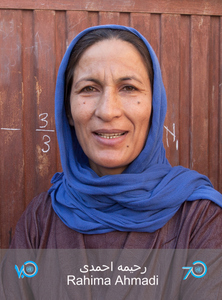
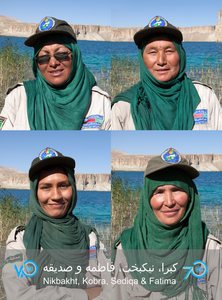
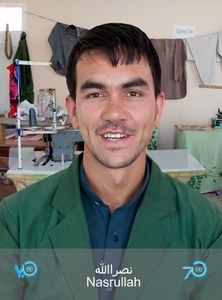
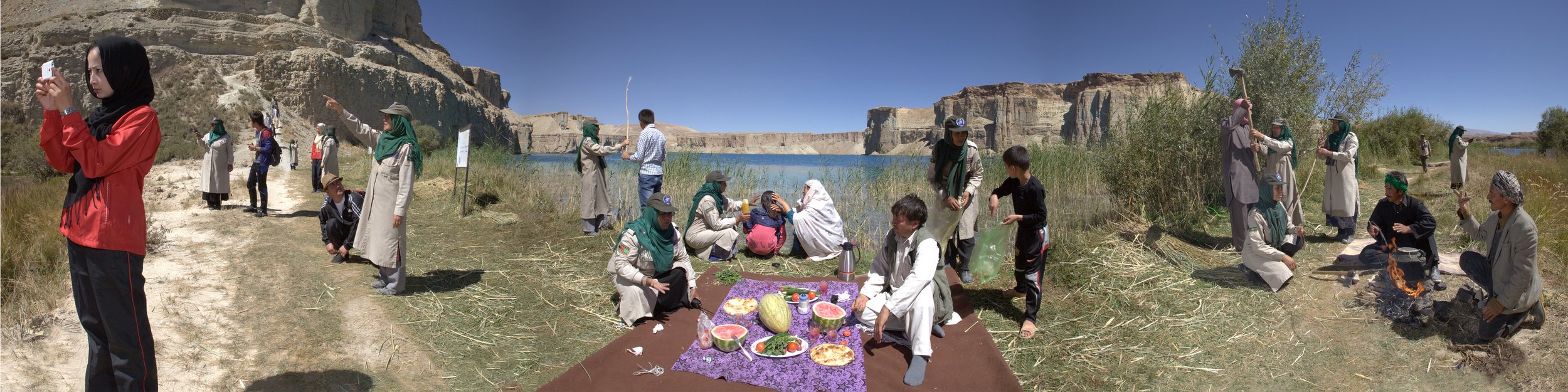
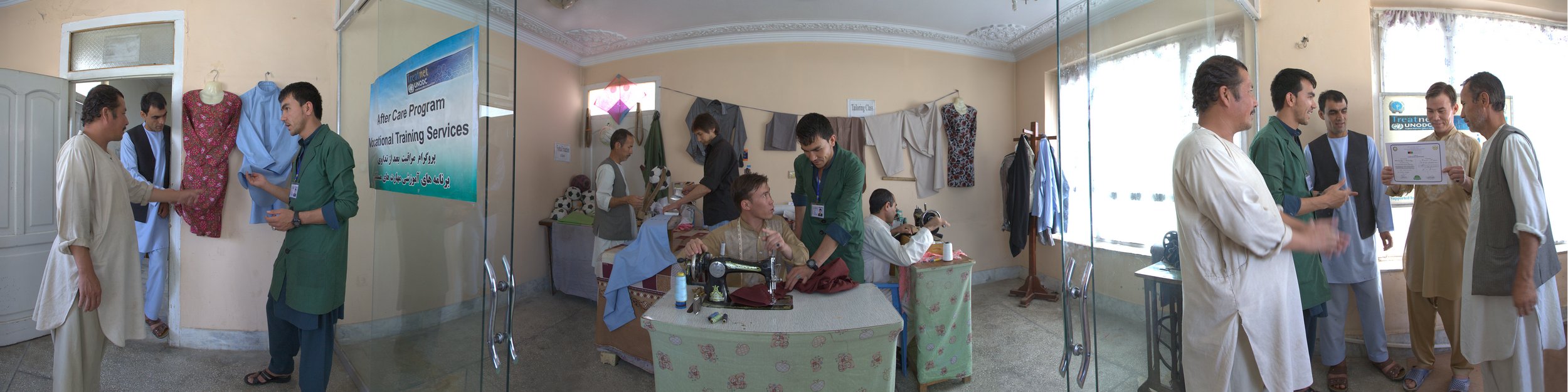
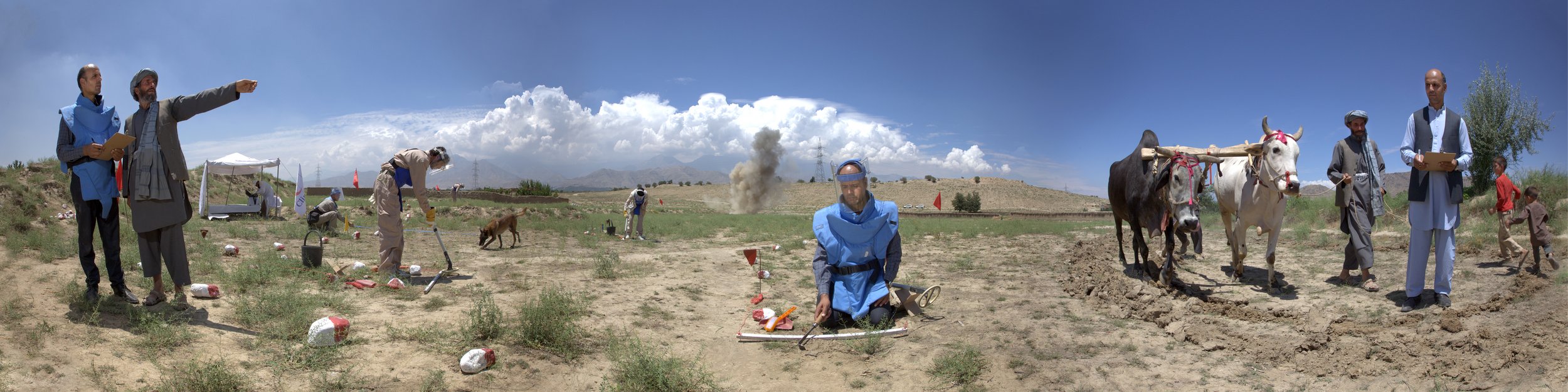
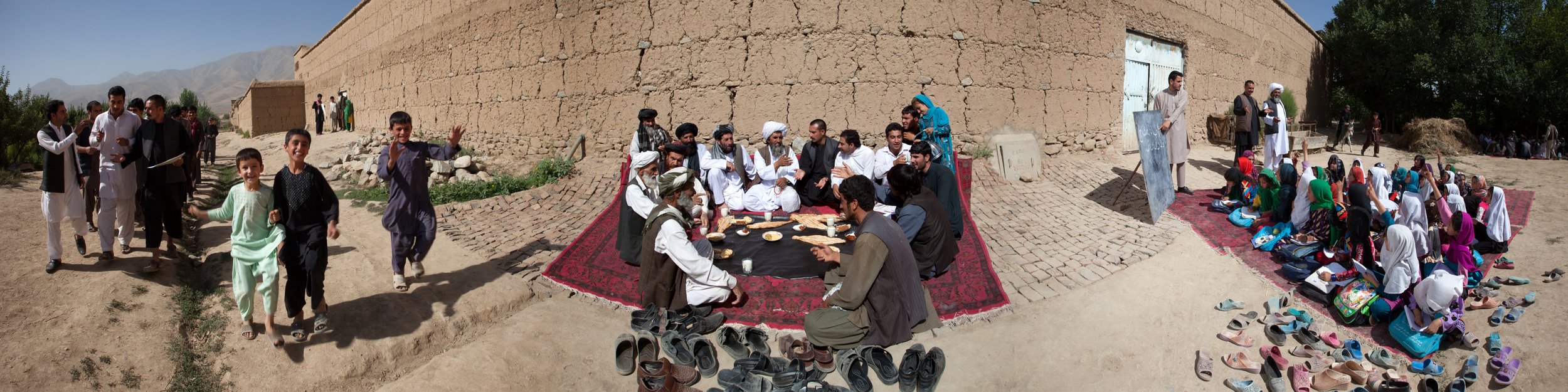
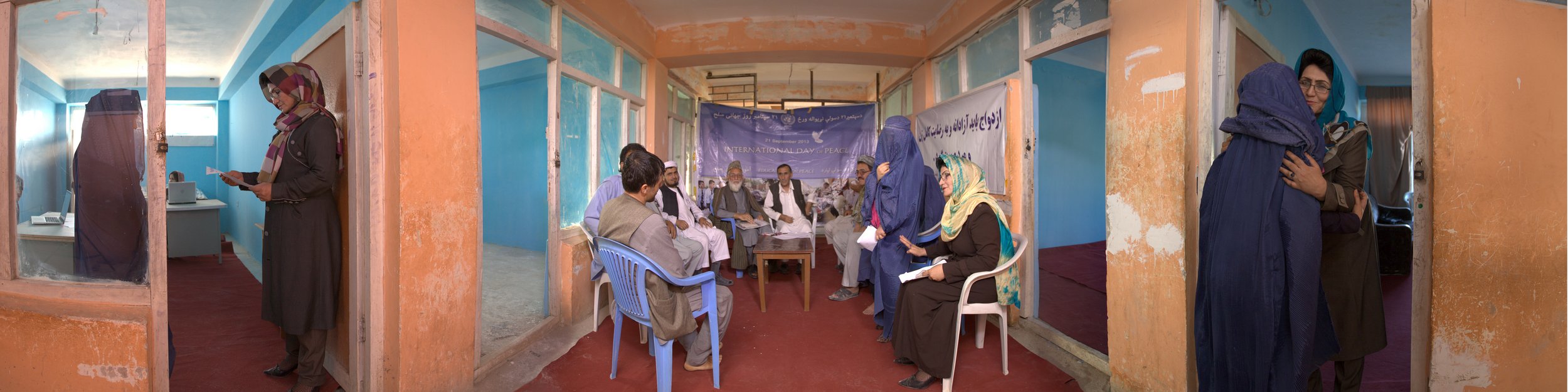
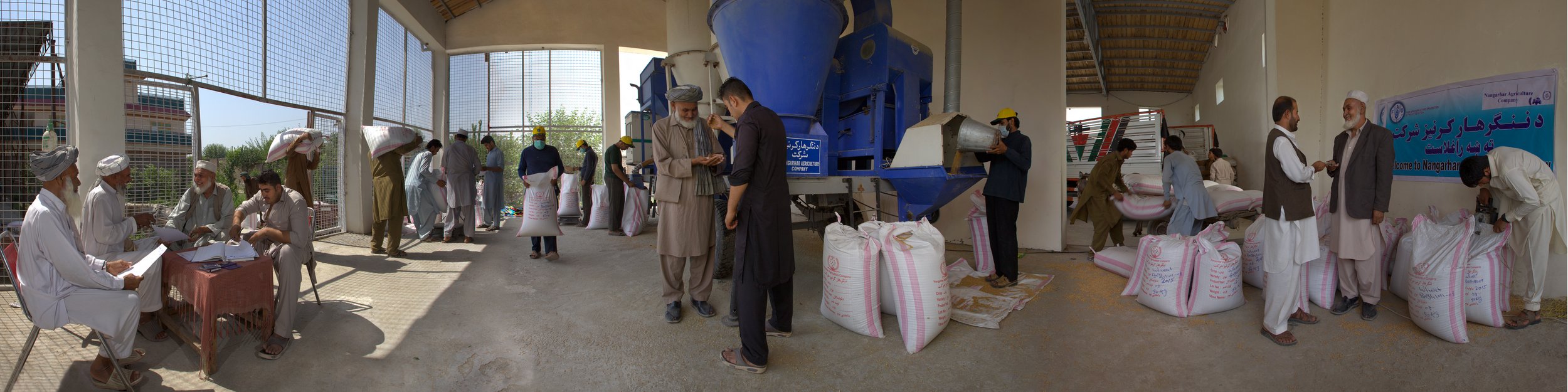
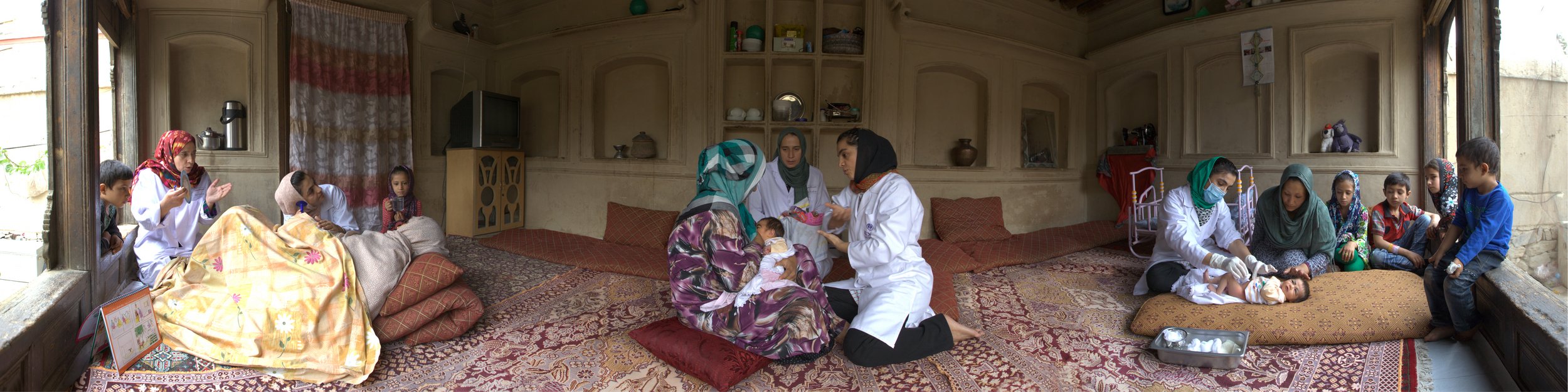
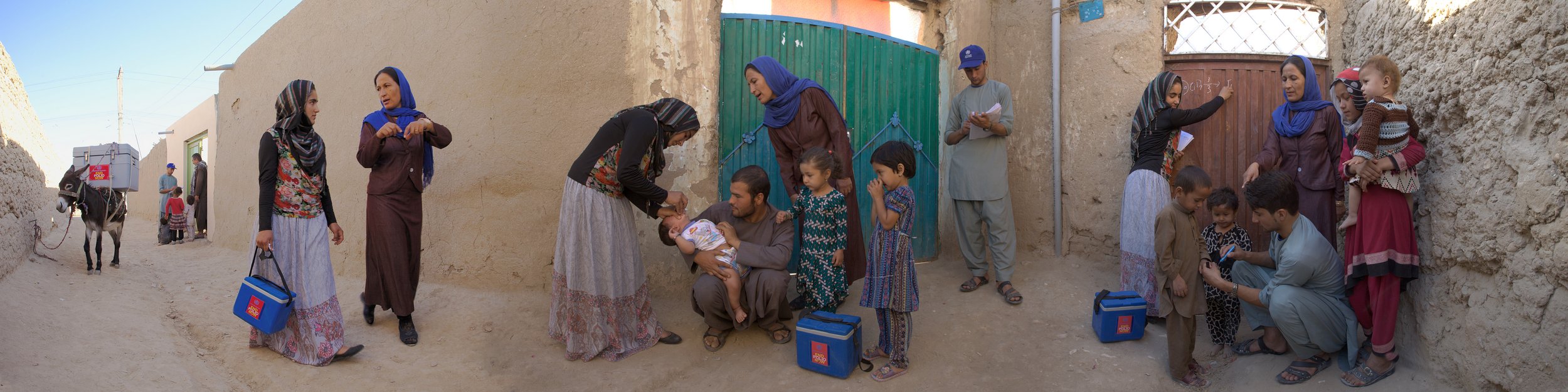
The UN Afghanistan page for the UN70 “Strong UN. Strong Afghanistan.” campaign presents the value of partnership between the organisation and Afghan communities. Its messages from the Special Representative of the Secretary-General, photographs and news resources remain useful as an archive of that completed campaign. Because the site is a snapshot and is no longer active, it should be read as campaign history rather than a live appeals page.
Rural education in Afghanistan is shaped by long journeys, difficult roads, harsh winters, hot summers, displacement and limited access to services. Conditions differ markedly between provinces, so a single national formula cannot suit every district. Distribution must respond to local realities while protecting children’s dignity, privacy and right to learn.
Australian readers know the familiar back-to-school rush involving notebooks, lunch boxes and backpacks sold by retailers such as Officeworks and Kmart. Afghan families may share that desire for safe, reliable school gear, but the scale, geography and public systems behind the need are very different. The useful lesson is not to treat the situations as identical; it is to apply Australian logistics, fundraising and accountability experience responsibly.
From a distribution point to a learning journey
A UN-supported school bag and stationery distribution works best when it is designed with communities rather than delivered as an isolated shipment. District education authorities, teachers, parent groups, women’s organisations and child-protection partners can help identify eligible schools, forecast attendance and set realistic collection arrangements. Where schools are far apart, staggered distribution points can prevent long journeys and queues.
The standard learning kit may include a durable backpack, notebooks, exercise books, pencils, pens, erasers, sharpeners, rulers and other grade-appropriate materials. Some children may also need hygiene items, menstrual supplies, a water container or weather-appropriate clothing. Contents should reflect age, learning level, disability and local use; a heavier bag filled with identical items is not automatically more useful.
A handover is also a moment to protect dignity. Materials should be practical, culturally suitable and free of political branding, and children should not be singled out publicly because their families have received assistance. Distribution records can monitor reach without collecting unnecessary personal data. Teachers and caregivers need a simple way to report missing items, damaged bags and children who cannot attend the collection point.
Rural realities that shape access
Distance is often the first barrier. Some pupils travel for hours, sometimes in winter snow or summer heat, and a backpack must withstand dust, rain and rough storage conditions. Australian families in regional New South Wales or Queensland may recognise the effect of long road journeys and bus travel on school participation, although Afghan terrain and security conditions can make the challenge far more severe.
Gender also changes what a school kit must contain and how it is used. Older girls may combine school with caring for siblings, collecting water or earning income, while menstruation can force them to miss lessons when facilities and products are unavailable. Safe, private sanitation, water and disposal guidance are therefore part of effective school supply provision, not separate add-ons.
Children with disabilities, newly displaced families and learners from linguistic minorities require additional consideration. A standard bag may be difficult to wear, and a standard distribution may miss children who are absent, mobile or enrolled outside formal records. Community consultation should include disability advocates and mobile families, with referral routes for children whose needs cannot be met by a general school kit.
Choosing practical, dignified contents
Procurement should compare durability, repairability, weight and suitability, not simply purchase the lowest price. Local makers can reinforce straps and seams for local use, while suppliers can provide notebooks, pens and basic hygiene materials. A clear specification protects quality and allows organisations to explain why items cost what they do.
| Distribution choice | Rural Afghan priority | Australian planning reference |
|---|---|---|
| School bag | Lightweight, reinforced and repairable | Backpack styles commonly stocked by Australian school-supply retailers |
| Stationery | Enough for a full term without excessive weight | Familiar items on back-to-school lists in Sydney, Melbourne and Brisbane |
| Learning materials | Age-appropriate books and exercise materials | State curricula and year levels vary across Australia |
| Climate support | Protection against rain, cold, heat and dust | Melbourne’s damp winters contrast with Darwin’s tropical heat |
| Hygiene support | Menstrual products, soap and safe water storage | Lunch boxes and refillable bottles are familiar school norms |
These comparisons concern planning methods, not equivalence. Afghan requirements must come from local evidence rather than being imported wholesale from Australia. A bag design that performs well in Melbourne may still need different seams, ventilation or strap lengths for an Afghan school journey. The strongest procurement process combines shared quality standards with locally informed adaptation.
Local production and accountable delivery
Buying locally can reduce freight, support tailoring and repair businesses and create income for women-led cooperatives. It also makes quality control more direct when makers understand the journeys, weather and repair problems children face. National or central procurement may be needed for standard stationery, so a mixed approach can combine scale with local knowledge.
Accountability requires more than shipping records. Communities should know the selection criteria, and the responsible organisation should explain whether items are new, donated or locally manufactured. Audits can check weights, quantities, delivery points and feedback mechanisms. Readers comparing delivery models can consult school supply partners for additional examples, then verify each organisation’s registration, finances and links to Afghan communities before recommending it.
Australian supporters should also resist treating overseas postage as a simple solution. International shipping through Australia Post can be expensive, slow or unavailable on particular routes, and imported goods may attract GST while needing to meet Australian customs and quarantine rules. Donations sent directly to families can also create an uneven, duplicated effort. Funding transparent local procurement is often more dependable than posting random second-hand items across borders.
Turning short-term aid into lasting support
School supplies matter most when they join a functioning education system. Teachers need training and materials, schools need safe sanitation and heating or cooling, and children need reliable transport and protection from disruption. A backpack can bridge a short-term gap, but sustained support should strengthen schools and community organisations so families are not left to manage every shock alone.
Ways Australians can contribute responsibly
For schools, councils and community groups
- Partner with a current Afghan education organisation after independent due diligence, then agree on needs and delivery together.
- Fund locally made, repairable bags and basic stationery through transparent purchasing and procurement.
- Include disability advisers, girls’ groups and mobile families in planning so kits reach learners who are often missed.
- Measure useful outcomes such as attendance, bag durability and teacher feedback, rather than only the number of parcels sent.
For individual supporters
- Give through a registered Australian charity or an active Afghan-led organisation with a verifiable Afghanistan project and an Australian tax receipt where eligible.
- Use retailers such as Officeworks, JB Hi-Fi or Kmart as quality references, but let verified local partners specify what children actually need.
- Check Australia Post, customs, GST and quarantine requirements before attempting international postage, and avoid sending unsuitable used clothing or school gear.
- Share current, consent-based stories from active UN or Afghan channels instead of reposting archival campaign images.
The archive of “Strong UN. Strong Afghanistan.” demonstrates what credible partnership can look like: Afghan voices central, local needs visible and practical support connected to community priorities. Since the campaign page is no longer active, supporters should use current UN channels and verified Afghan organisations for action. Choose one accountable route today and help ensure that a rural child receives more than a bag: the tools, safety and continuity needed to stay in the classroom.