
Making a Difference

Afghan rural electrification through solar home systems
Reliable electricity is more than a convenience for people living beyond Afghanistan’s reach of the national power grid. It enables children to study after sunset, clinics to refrigerate medicines, families to charge phones, and small enterprises to preserve goods or operate equipment. In remote communities, a dependable energy service can reduce the time and money spent seeking fuel for lighting while opening opportunities that household-only power rarely reaches.
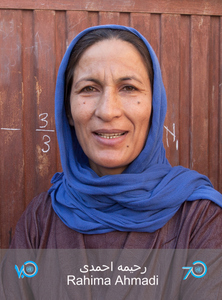
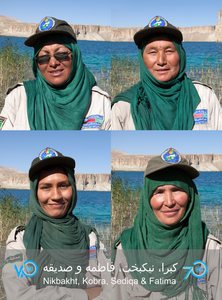
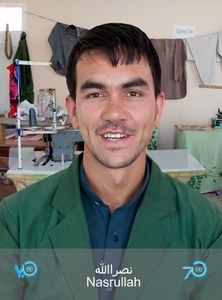
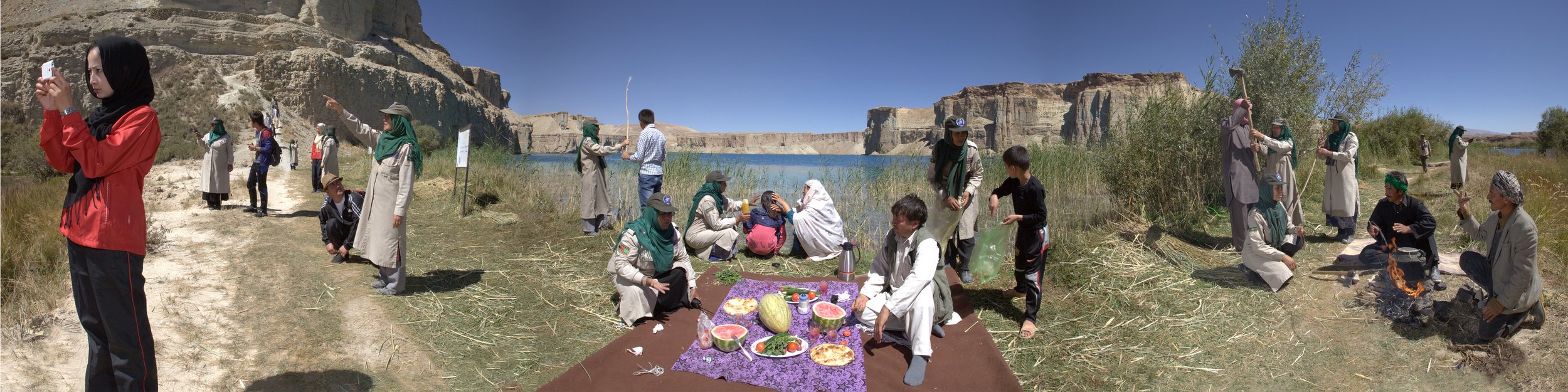
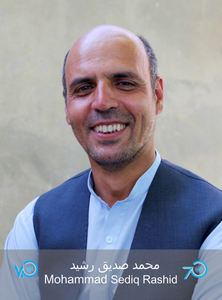
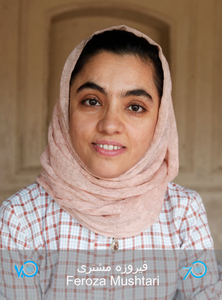
Solar home systems provide a practical form of decentralized electrification for off-grid villages. Their value depends on more than placing panels and batteries on a roof: sound sizing, affordable finance, trained technicians, spare parts and long-term community ownership determine whether the equipment remains useful. The UN Afghanistan campaign archive documents how Afghan individuals contribute to stronger communities and records the wider partnership behind sustainable development. As an archived snapshot rather than a live programme portal, it offers valuable context for understanding the human centre of rural energy services.
Energy access as a daily necessity
Afghanistan’s geography makes grid extension difficult in sparsely populated areas. Roads, mountains and seasonal weather can place a village hundreds of kilometres from a substation, while the cost of connecting each household rises as networks extend further from demand centres. For communities with modest and dispersed electricity use, standalone renewable systems can deliver a useful service more quickly and at a lower lifecycle cost than waiting many years for a central network.
The benefits begin with ordinary household routines. A solar-powered lamp creates safe evening lighting without repeated purchases of kerosene, candles or batteries. A phone charger keeps families connected to work, services and family networks. When a system supports a radio, fan, sewing machine or small refrigerator, its value extends into income generation as well as personal needs. The scale of these gains should not be exaggerated, but their consistency can be transformative.
Energy access also changes what public facilities can offer. A rural clinic may maintain communications during an outage, while a school can use electric lighting for evening classes or charge educational devices. These services work best when the village receives a dependable allocation of power and local staff know how to maintain it. Otherwise, a promising installation can quickly become an inactive box of electronics after a damaged cable or depleted battery is left unresolved.
How an off-grid solar home system works
A basic solar home system combines photovoltaic modules, a charge controller, battery bank, wiring and energy-efficient loads. Depending on local needs and available skills, a kit may include LED lights, sockets, switches, phone-charging outlets and a radio. Larger community systems can also serve a school, health centre or nearby business. Unlike a grid connection, the system must generate, store and regulate all the electricity it provides throughout the year.
Sizing begins with actual demand rather than the number of appliances mentioned during installation. Technicians calculate how much energy the household uses at night, how many cloudy days the battery must bridge and whether additional power is needed for productive activities. The solar resource, panel orientation, temperature, shading and seasonal snow cover also affect production. A system designed only for a few lights may overload once families add a fan or business appliance, while an oversized system can waste money on unused capacity.
The type of storage is equally important. Batteries must suit local temperature conditions, be protected from moisture and be safely enclosed. Charge control, electrical protection and correctly installed wiring reduce fire and equipment risks. Standards for connectors and voltage can also make future repairs easier, particularly if common components can be purchased from Afghan suppliers. Local technicians therefore need training in both installation and safe electrical work, not merely instructions for mounting panels.
Local skills and ownership determine success
No off-grid design arrives fully formed. Afghan engineers, electricians, community leaders, women’s groups and village users understand the conditions that equipment will face. Their knowledge of dust, snow, travel constraints, household routines and local repair networks can reveal weaknesses that a distant assessment would miss. Training Afghan technicians creates employment while ensuring that knowledge stays within the community when outside funding or project staff depart.
Ownership also affects how carefully a system is used. A household that pays a modest service fee or contributes labour may have a stronger reason to report faults and protect its assets. A cooperative model can work for shared village assets, but it needs transparent accounts, clear responsibilities and an agreed reserve for replacement batteries. Women should have a meaningful role in these decisions, especially where they manage household energy budgets or spend substantial time collecting fuel and water.
Reliable after-sales support requires realistic budgets. Warranties are valuable only if spare parts, technicians and transport are available within reach. Programmes should therefore set aside maintenance funding, train multiple service providers and monitor equipment after handover. Australian experience in remote areas reinforces this point: solar equipment is only as dependable as the local installation network behind it. Systems installed by qualified tradespeople and supported through accountable servicing can perform very differently from poorly supervised assets.
Making systems affordable and dependable
The principal obstacle is often the initial purchase price. Poor families may value a solar system highly while lacking the cash required for panels, batteries, installation and replacement. Cost-sharing grants, low-interest finance, instalment plans, leasing and results-based partnerships can spread the expense over time. Any model still needs to protect households from unsustainable debt and ensure that essential energy remains affordable after subsidies or external support end.
Local markets matter because they create choices for buyers and pathways for technicians to earn income. In Australia, households in Sydney and Melbourne routinely obtain quotes for rooftop solar, compare batteries, and consider whether daytime generation will offset evening tariffs. People in remote parts of the Northern Territory often combine solar with generators for resilience. These familiar patterns show how energy services succeed when pricing, tariffs, backup and maintenance reflect daily life, although Afghan household budgets and operating conditions require their own tailored solutions.
Public policy can help create those conditions. Australia’s Renewable Energy (Electricity) Act 2000 has used national targets and certificates to influence renewable generation, while state and territory legislation governs electricity connections and electrical licensing. The precise policy mix cannot simply be transferred to Afghanistan. The transferable lesson is that transparent standards, competent providers and enforceable consumer protections can turn an initial subsidy into a durable market rather than a one-time equipment distribution exercise.
Health, learning and local enterprise
The clearest gains from rural electrification often appear in health and education. Consistent lighting reduces eye strain and allows household activities to continue safely after dark. Schools can hold classes, prepare materials and use audiovisual resources more effectively, while clinics can improve communication and protect temperature-sensitive supplies. These outcomes do not replace trained staff, medicines or functioning health systems, but reliable power gives essential services a stronger operating base.
Productive uses can make household systems economically more resilient. A tailor, bread seller, farmer or phone-based service provider may use electricity for tools, refrigeration or communications. Demand for such uses should inform system design, yet it must be assessed carefully because productive equipment can consume far more energy than a handful of lights. Training in energy-efficient equipment and an affordable tariff for small enterprises can help households gain income without depleting the battery needed for basic needs.
The social and environmental benefits require equal attention. Replacing kerosene lamps can reduce indoor smoke, burns and regular fuel journeys, particularly for women and children. Electric cooking may offer further health benefits, although household lighting systems should not be presented as a complete clean-cooking solution. Community acceptance improves when Afghan users help choose the services they need and when project information is available in accessible local languages. A technology-led approach without those conversations risks mismatched systems and weak maintenance habits.
A durable path to rural electrification
Durable off-grid electrification depends on sequencing. Villages can first be assessed for demand, resource potential and existing infrastructure, then offered the service mix that best fits them: solar home systems, shared mini-grids or grid connections where density makes extension viable. Community representatives should participate from the start, while technical plans should include financing, technician accreditation, spare-parts supply, battery replacement and monitoring over several years.
Accountability should extend beyond the handover ceremony. Public and donor reporting can track whether lights remain active, whether service costs are affordable and whether local technicians are earning income. Independent feedback gives communities a way to report problems without relying solely on project personnel. Environmental safeguards also matter, particularly where damaged batteries or panels could contaminate soil and water. A credible programme treats maintenance and waste management as core responsibilities rather than optional extras.
The campaign’s emphasis on Afghan partnership is essential to this approach. International organisations can provide funding, technical expertise and visibility, but Afghan institutions and residents must direct priorities, operate services and shape the next phase. Australian NGOs, universities, businesses and individuals can support credible Afghan-led work by funding technician development, sharing procurement and systems expertise, and amplifying Afghan voices through official channels. Those contributions should strengthen local enterprises rather than create dependencies.
A brighter Afghan village will be built when Afghan expertise sets priorities, international support remains long enough to make systems accountable, and every promise of electricity is matched by a plan for spare parts, skills and trust. Back durable, community-owned rural electrification and help turn off-grid solar from a short-term installation into a lasting public service.