
Making a Difference

Solar Home Systems And Rural Energy In Afghanistan
For many rural Afghan households, electricity is less a matter of convenience than a foundation for safety, education, communications and income. A small solar home system can provide light after sunset, charge a mobile phone and power a radio or efficient appliance without waiting for a national grid connection. In scattered settlements, where roads, security conditions and difficult terrain raise the cost of transmission, decentralised renewable energy can be a practical development tool.
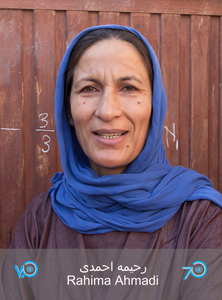
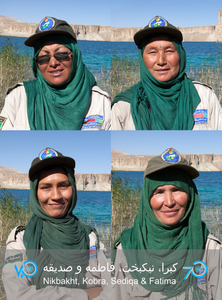
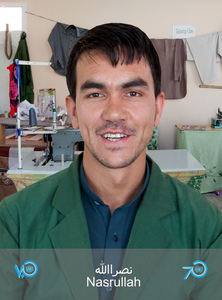
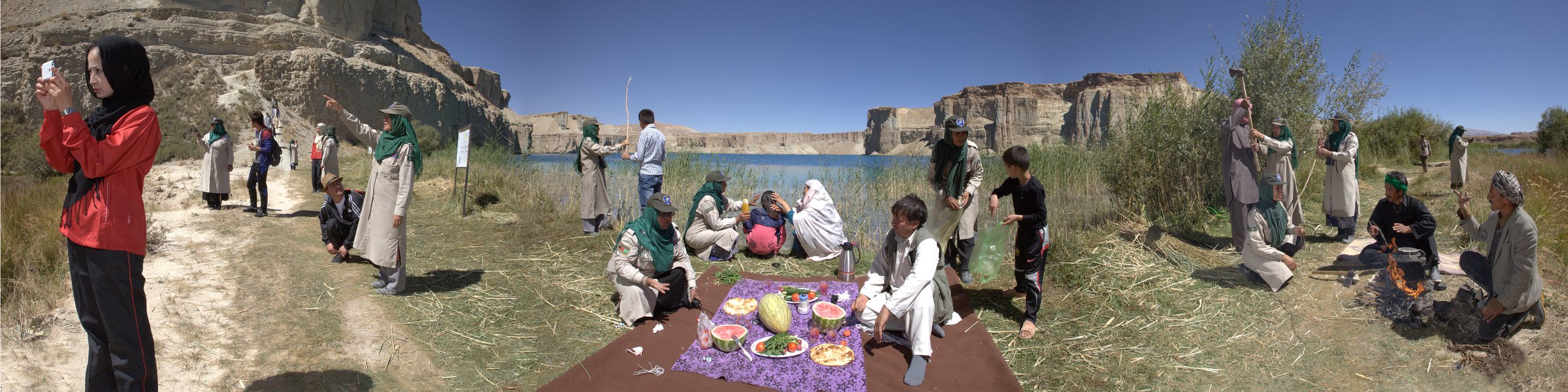
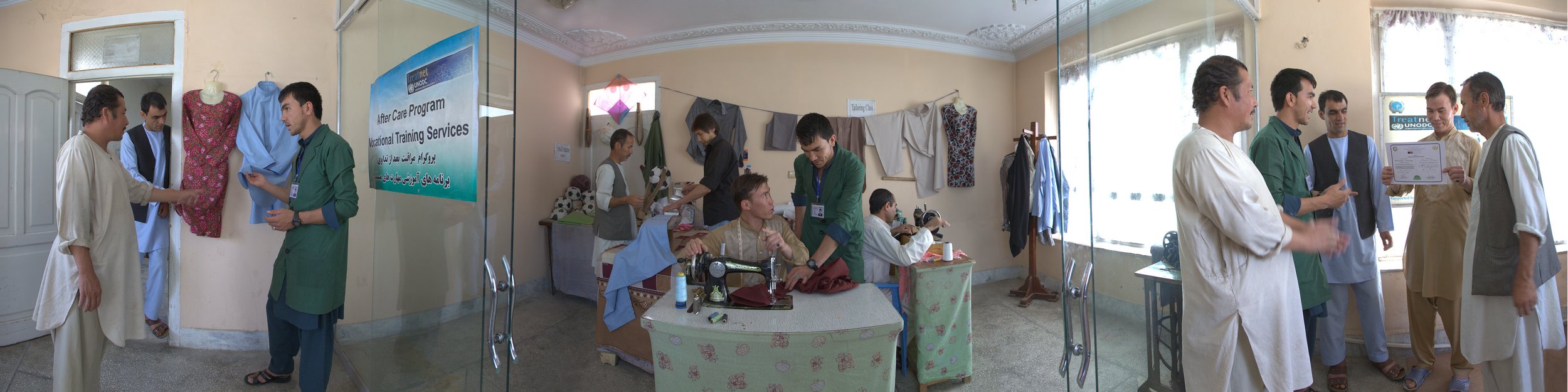
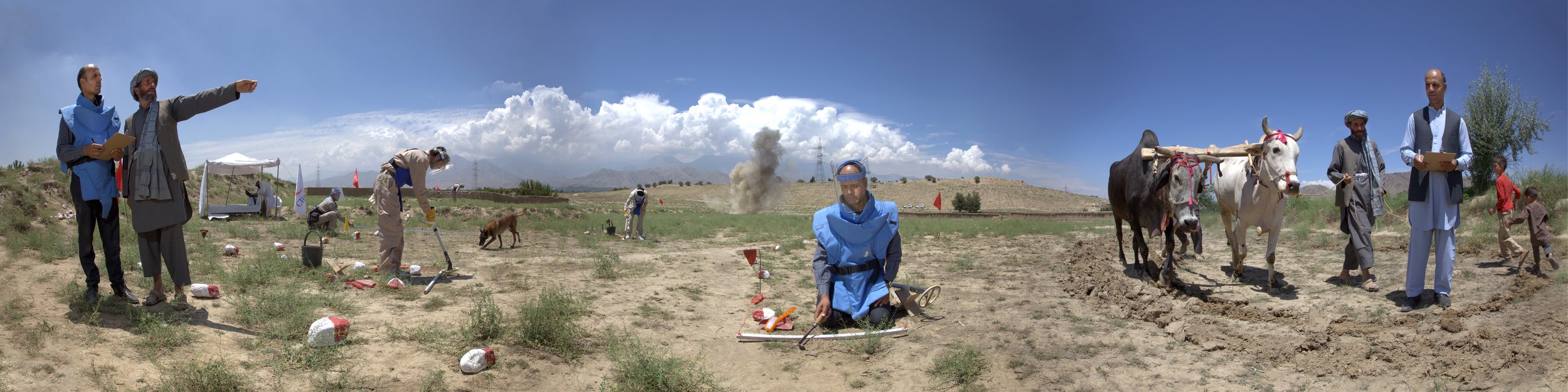
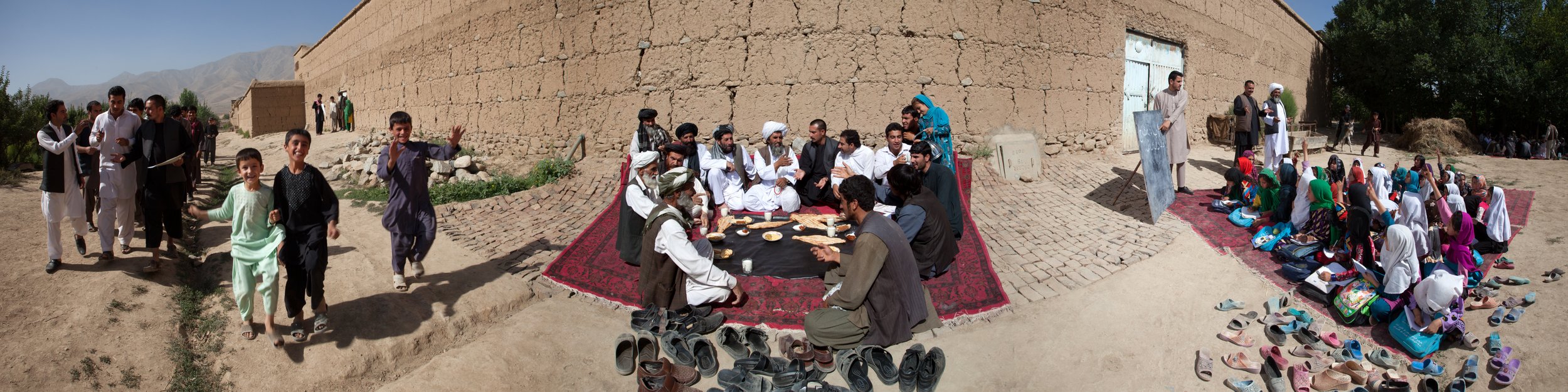
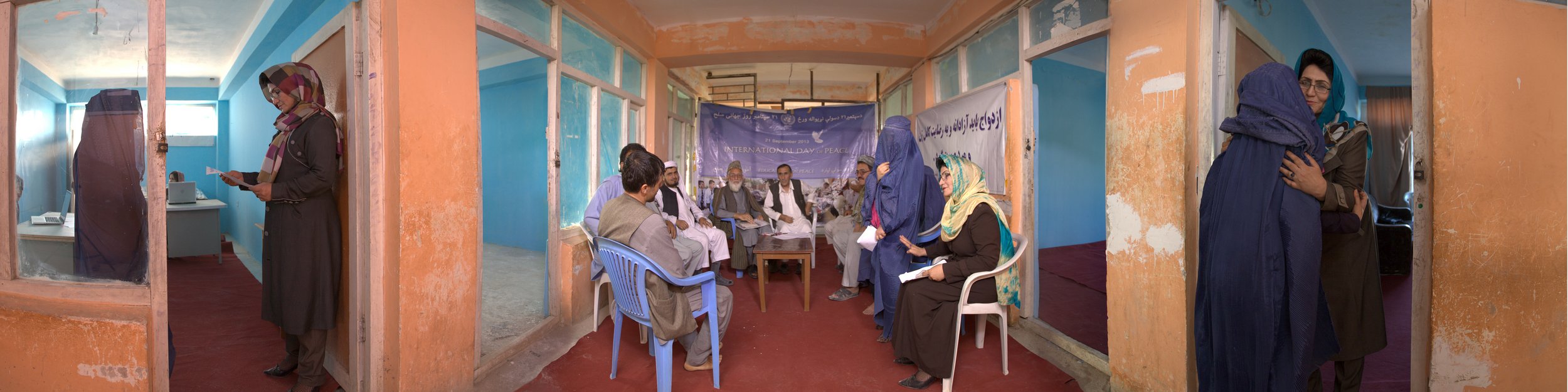
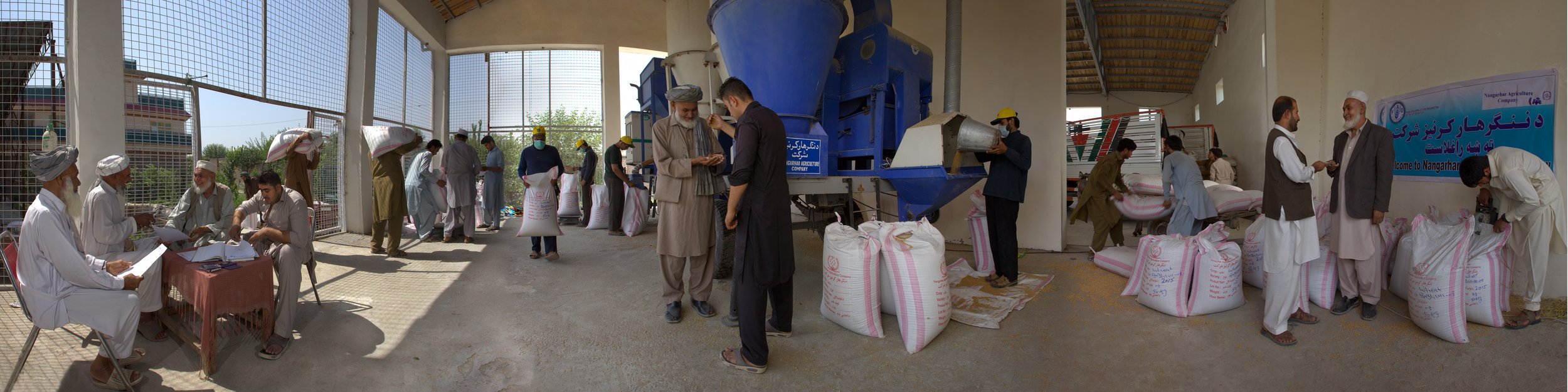
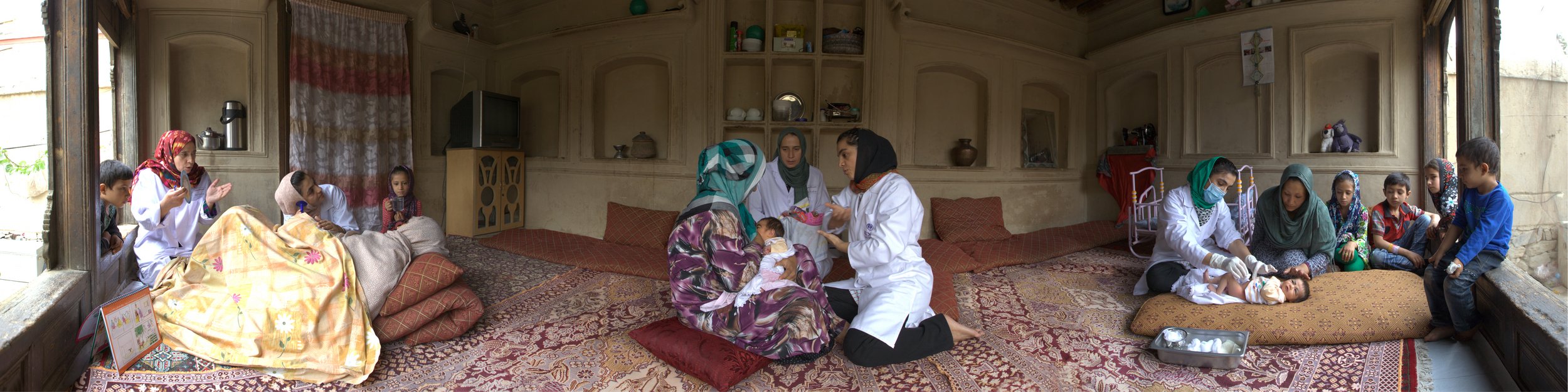
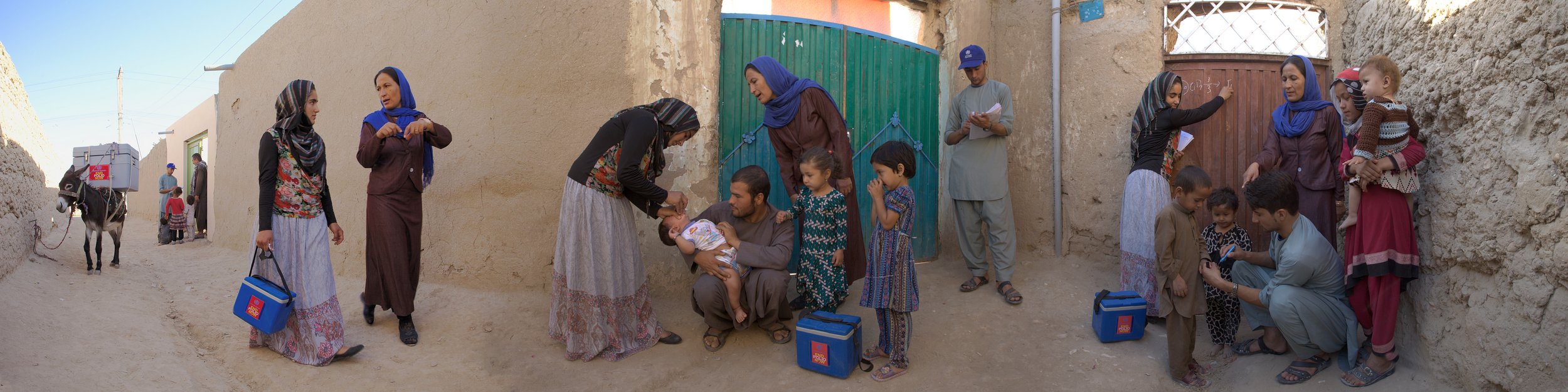
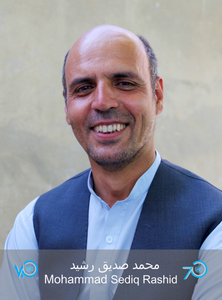
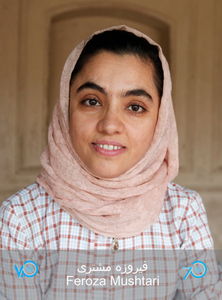
UN-supported energy work sits within a wider effort to help communities withstand economic and humanitarian pressures. The archived UN70 campaign, built around the message “Strong UN. Strong Afghanistan.”, highlighted Afghan people and local contributions rather than presenting development as something delivered by outsiders. Readers can explore that wider institutional context through the UN Afghanistan archive, which includes campaign material, photographs, messages and links to UN media channels.
| Feature | Solar home system | Grid connection | Diesel generator |
|---|---|---|---|
| Best suited to | Remote homes and small community facilities | Dense settlements near existing networks | Short-term or high-load local use |
| Main energy source | Sunlight | Central power generation | Imported or locally purchased fuel |
| Running costs | Generally low after installation | Tariffs and connection charges | Ongoing fuel and maintenance costs |
| Typical strengths | Quiet, modular and quick to deploy | Higher potential capacity | Can operate at night and in poor weather |
| Main limitations | Battery replacement and limited output | Expensive network expansion | Pollution, noise and fuel price exposure |
Why Off-Grid Power Matters
Afghanistan’s geography makes universal grid access difficult. Mountain valleys, high plateaus and widely dispersed villages can require expensive infrastructure for a relatively small number of connections. Seasonal snow, damaged roads and insecurity can interrupt construction and maintenance. A photovoltaic panel, charge controller and battery can reach an individual household without the poles, substations and long distribution lines required by a conventional network.
A basic system usually includes one or more solar panels, a battery, internal wiring, LED lights and charging points. Larger packages may support a television, a small fan, a sewing machine or other low-wattage equipment, but capacity must be matched to household needs. Good design matters: a system that promises more than its battery or panels can deliver will quickly lose community confidence.
The value extends beyond the household. Evening lighting can allow children to study without kerosene smoke, while a charged phone helps families contact relatives, health workers or markets. A midwife or community representative may use a light in an emergency, and a shopkeeper can extend trading hours. These benefits are modest in isolation, yet significant when repeated across a village.
How UN-Backed Delivery Can Work
The United Nations does not operate as a single electricity retailer. Renewable energy projects are generally delivered through agencies, funds, non-government organisations, government counterparts and specialist contractors. Their roles can include needs assessment, procurement, training, cash or voucher support, community consultation, monitoring and coordination with other services.
A responsible programme begins with local priorities. Household surveys can identify families living far from the grid, homes led by women, people with disabilities and households supporting older relatives. Community meetings can clarify where equipment will be installed, who will maintain it and how disputes will be handled. Local technicians should be trained before equipment arrives, rather than leaving villages dependent on a distant supplier.
Procurement also deserves attention. Panels and batteries need to meet technical specifications, while installation must account for snow, dust, roof strength and theft risk. Clear warranties and spare-parts arrangements are essential. A low purchase price is not a good result if batteries fail after a year or if a broken charge controller must be transported across several provinces.
The UN70 material is best understood as an archived record of people and partnerships, not a live catalogue of products. That distinction is useful for Australian readers assessing development claims: credible reporting should identify the location, delivery partner, number of systems, system capacity, maintenance arrangements and evidence of household use.
Household Benefits And Practical Limits
Electric light changes the rhythm of rural life. Families can prepare food, complete domestic work and study after dark with less reliance on candles or kerosene. Phone charging can save a long journey to a market town, while a radio can provide news and public information. For women and girls, lighting may improve mobility within the home and reduce exposure to open flames.
Solar electricity can also support small-scale livelihoods. A tailor may use a compact machine during daylight supplemented by evening light; a food seller may keep a phone charged for customer orders; a farmer can communicate with buyers or access weather information. These examples should not be inflated into claims that a small household system will transform an entire local economy. Power availability is only one part of a livelihood, alongside roads, finance, demand and security.
There are clear constraints. Winter cloud, dust on panels and battery degradation reduce available energy. Families may add appliances that exceed the system’s design, creating frustration or shortening battery life. Replacement costs can be difficult when incomes are irregular. Repairs may also be delayed by poor roads, limited spare parts or restrictions on movement.
Programmes therefore need consumer education in local languages. Households should know how much energy the system can provide, how to clean panels safely and what signs indicate a battery problem. A simple log of faults, visits and replacements can help project managers distinguish a one-off failure from a recurring design or supply-chain issue.
Lessons For Australia’s Remote Energy Market
Australia is familiar with solar power, yet its own experience shows why installation is only the beginning. Rooftop photovoltaic systems are common in Brisbane, Perth and Adelaide, and battery storage is increasingly visible in the local market. Remote Aboriginal and Torres Strait Islander communities, however, can face high transport costs, limited trades access and distinct cultural requirements. A rural Afghan programme cannot be copied directly, but the shared lesson is that technology must be supported by local capability.
The contrast between a Melbourne household comparing feed-in tariffs and an Afghan family receiving a small off-grid kit is substantial. Australian buyers may choose among retailers, warranties and finance products; humanitarian households may have little bargaining power and no reliable cash flow for repairs. Australian Standards, electrical licensing and consumer protections provide a framework that should never be assumed in fragile settings. Safety, product quality and after-sales support remain relevant in both markets.
Local government experience also offers a useful comparison. Community-focused work in Queensland, including the City of Logan, shows how place-based partnerships can connect residents, services and civic institutions. In Afghanistan, comparable trust-building may involve village elders, women’s groups, schools, health workers and local technicians. The principle is familiar to Australians: a programme is more likely to last when the people using it have a role in decisions.
Seasonal realities matter in Australia as well. A system designed for Darwin’s wet season, a remote community in the Northern Territory or a cold inland settlement will have different storage and maintenance needs. The same applies across Afghanistan’s provinces. Solar resource is not the only variable; temperature, dust, snow, transport and patterns of household use shape performance.
Building A More Durable Rural Energy Service
The strongest approach treats solar home systems as part of an energy service rather than a one-time donation. That means planning for installation, user training, inspections, battery replacement and eventual recycling or safe disposal. It also means deciding whether a household kit is enough or whether a school, clinic or water point would gain more from a larger solar mini-grid.
Monitoring should combine technical and human measures. Project teams can record whether systems are operating, how often repairs occur and how long batteries last. They should also listen to residents: Are children studying more? Are phones being charged reliably? Are women participating in decisions? Has the cost of lighting fallen? Such evidence gives funders a clearer picture than the number of panels distributed.
Affordability and inclusion require care. A contribution from households may encourage ownership, but even a small fee can exclude the poorest families. Subsidies, revolving funds or community maintenance funds each carry benefits and risks. Transparent criteria are needed so that support reaches households according to need, without creating conflict or exposing vulnerable people to public labelling.
Useful principles for donors, programme managers and community partners include:
- Assess household energy needs before choosing system size or appliance packages.
- Use durable components with documented warranties and accessible replacement parts.
- Train local technicians, including women where safe and culturally appropriate.
- Publish clear information about capacity, maintenance, costs and complaint channels.
- Include schools, clinics and community facilities in energy planning.
- Measure continued operation and social benefits, not just installation numbers.
- Plan battery recovery, recycling and safe disposal from the start.
Rural electrification is most credible when it respects local knowledge and reports its limits. Solar panels cannot resolve every barrier facing Afghan communities, yet dependable light and phone charging can strengthen other services. When linked with education, health, livelihoods and accountable local partnerships, small systems can become a practical part of wider resilience.
Australian readers can use the archived UN material to understand how international cooperation is represented and why community stories matter in development work. Support evidence-based humanitarian organisations, scrutinise claims about project outcomes and value programmes that budget for maintenance as carefully as installation. Follow the UN Afghanistan archive and share credible information about renewable energy partnerships that place Afghan communities at the centre of decisions.