
Making a Difference

Afghan Rainwater Cisterns Bring Household Water Closer
Water shapes the rhythm of daily life in Afghanistan, particularly in communities where rainfall arrives unpredictably and groundwater is under pressure. Women and children may spend hours collecting water, reducing time for school, work and household care. A well-placed household cistern can ease that burden by storing seasonal runoff close to home, provided it includes effective treatment, maintenance and local management.
UN-constructed cisterns for household use are one practical expression of international partnership with Afghan communities. The archived Strong UN. Strong Afghanistan campaign highlights how progress depends on Afghan builders, water committees, local authorities and UN partners combining their respective skills. Infrastructure becomes sustainable when the people who will use it also have a voice in its design and oversight.
For Australian audiences, these projects offer valuable lessons about climate variability, water conservation and community-led management. Australian households already encounter rainwater systems, drought restrictions and strict plumbing controls. The experience of Afghan communities shows that appropriate technology matters less when it is disconnected from local needs, affordable maintenance and reliable rules for keeping water safe.
Water Security at the Household Scale
Afghanistan’s water conditions vary sharply by province and season. Snowmelt feeds rivers and groundwater in many areas, while prolonged summers bring falling water tables, dry streams and greater dependence on wells, springs or distant sources. Kabul faces pressure from rapid population growth and demand on ageing networks, while rural communities can face long journeys between villages and dependable water points.
Household rainwater storage can shorten those journeys and provide a supplementary source during dry periods. It cannot guarantee a constant supply, replace every groundwater source or meet all domestic needs on its own. Its value lies in adding flexibility: runoff captured during a storm or snowmelt event can remain available for washing, cleaning and other controlled household uses, reducing pressure on shared sources.
From Runoff to Stored Water
The first design decision is where the runoff will come from. Some cisterns collect roof water through gutters and downpipes; others use a carefully chosen nearby slope or small catchment. The site must be high enough to avoid contamination from animals, wastewater and floodwater, yet close enough to households for manageable delivery.
Runoff then passes through basic treatment stages. A settling area can capture sand and leaves, while a first-flush diverter discards the dirtiest water after a rainstorm. Screens and accessible filter points help protect the storage chamber from debris. The size of each component depends on rainfall intensity, roof area, household demand and local construction methods.
The storage chamber is usually lined or built from durable masonry and protected with a secure cover. It needs a reliable outlet, safe access for cleaning and an overflow route that sends excess water away from homes. Where treatment and monitoring are limited, the system should be described as supplementary storage rather than automatically assumed to provide drinking-grade water.
Designing for Afghan Conditions
Rainfall in Afghanistan can be brief, intense and highly destructive. Designs based on gentle, evenly distributed rain may fail when a short storm delivers a large volume of water in a few hours. Channels need to carry peak flow without eroding, while storage must accommodate rapid filling without overtopping. Local engineers and residents are therefore well placed to judge actual storm patterns and terrain.
Material choices should reflect local skills and supply chains. Local masons can often build lined chambers more readily than imported systems can be assembled, while local aggregates and cement suppliers reduce transport costs. Designers must also consider winter frost, intense summer heat, landslides, flash flooding and seismic risks. A simpler structure that local workers can repair will often serve longer than a sophisticated unit requiring specialist parts.
Water demand must be included from the beginning. A household estimate should cover drinking, cooking, hygiene, cleaning and laundry without assuming every need can be met continuously. A smaller tank with realistic use, a protected source and an affordable maintenance plan may provide more dependable benefits than an oversized installation that quickly exceeds the community’s capacity to manage it.
Local Ownership Keeps Systems Working
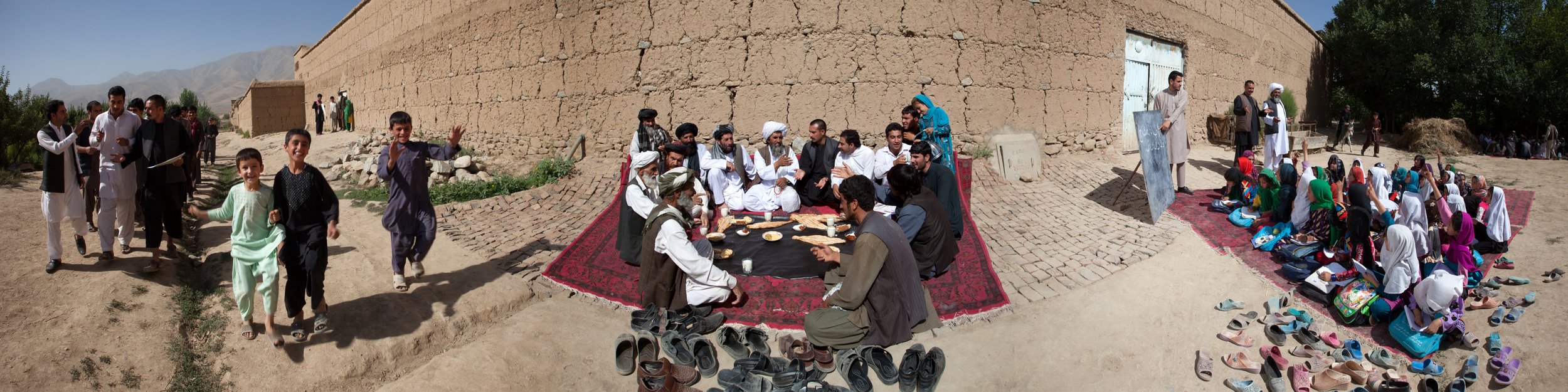
A cistern needs a clear operating agreement from the day it opens. A user committee can set collection times, record contributions, arrange repairs and report water-quality concerns. Simple jobs such as clearing screens and checking the cover can be assigned to trained caretakers, while money for replacement filters or major repairs can be collected through affordable user fees or a community maintenance fund.
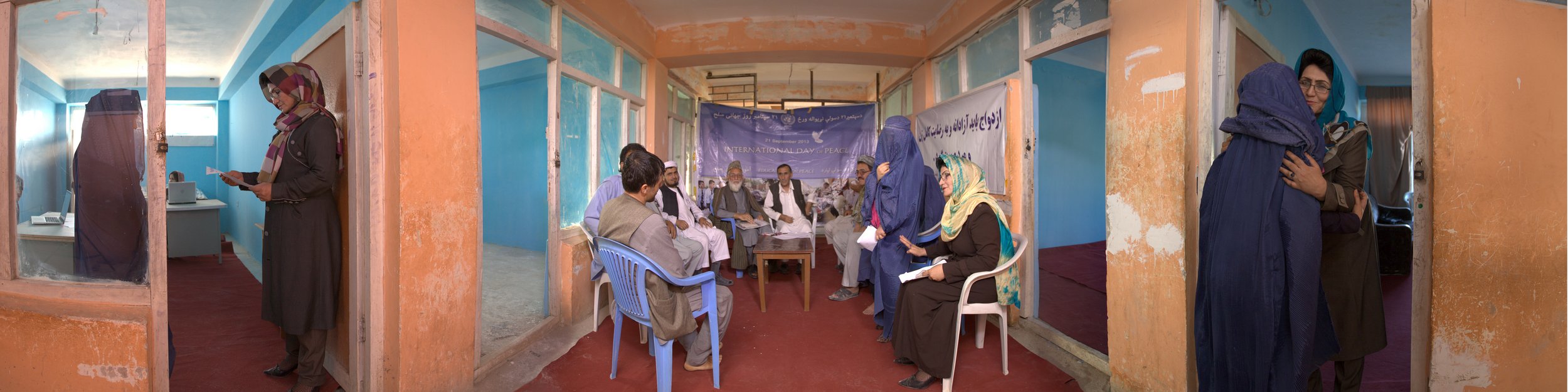
Women’s participation can improve the design and management of household water systems. Women usually have detailed knowledge of water collection, cooking, hygiene and the times at which taps are most heavily used. Their involvement in siting, access arrangements and quality checks can reveal practical issues that a technical survey alone may miss.
Partnership should also place Afghan expertise at the centre. Further reading on Bichura community work offers a useful entry point for international partners seeking Afghan perspectives on practical development. The strongest funding models invest in local leadership, spare-parts networks and sustained follow-up after construction has ended.
Health, Safety and Trusted Water
Covering a cistern protects stored water from dust, animals, insects and human interference, but it is only the first health safeguard. Sediment must be removed regularly, filters must be maintained and water should be tested when the source or treatment process changes. Households need clear instructions on boiling, filtration or disinfection when the safety of a supply is uncertain.
Safe access matters too. Deep chambers require secure ladders, rest platforms and lids that cannot be lifted easily by children. Ventilation should discourage mosquito breeding, while overflow points should direct water away from foundations and walking routes. Repair work should not leave open holes, contaminated tools or unprotected water near household activities.
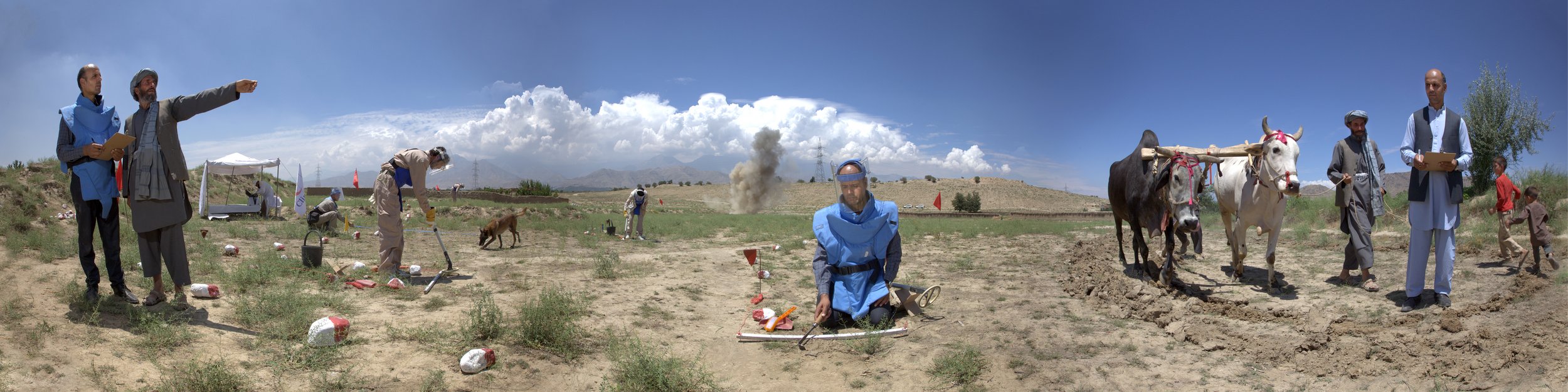
The wider UN record in Afghanistan shows why safety must extend beyond the tank itself. The United Nations’ mine-risk education programme demonstrates how local awareness and clear safety messages help communities move safely around village hazards. Infrastructure teams need similarly clear information, trained local guides and routes that avoid dangerous areas before equipment, workers or residents reach a construction site.
What Australian Communities Can Learn
Australian cities face different pressures, yet the need for integrated water planning is familiar. Melbourne’s variable climate has encouraged water-sensitive urban design, including gardens that slow runoff, permeable surfaces and rainwater reuse in new developments. Sydney households in many established suburbs use rainwater tanks for irrigation, and Adelaide residents regularly manage water allocations during dry periods. These examples show the value of planning for rainfall rather than treating every storm as an emergency.
Regulation also shapes how systems operate. In New South Wales, the Water Act 2007 and Plumbing and Drainage Act 2011, together with council requirements and Sydney Water rules, affect tank installation and connections. Backflow prevention, pump isolation, structural support and safe electrical work may all need professional attention. The Australian retail market offers polyethylene and fibreglass tanks, first-flush devices, gutter guards and automated pumps, with WaterMark-certified products and qualified plumbers providing essential quality controls.
Everyday habits differ from those in many Afghan communities. Australian households routinely use mains water for drinking, toilet flushing, garden irrigation and car washing, while collected rainwater is often directed to non-potable tasks. Community education should make those distinctions clear and never encourage people to drink untreated tank water. The exchange can be reciprocal: Afghanistan can share experience in locally managed supply systems, while Australia can contribute engineering knowledge, quality testing and funding partnerships shaped around Afghan priorities.
A Shared Path to Water Security
A practical comparison makes the differences in scale and governance visible. Afghan household cisterns are often community assets designed around seasonal scarcity and collective maintenance. Australian systems are commonly household assets embedded in a regulated plumbing market and used for a broader range of non-potable purposes. Their shared need is reliable operation through clear responsibilities and maintenance that ordinary users can sustain.
| Feature | Afghan household cistern | Australian rainwater tank system |
|---|---|---|
| Capture | Roof runoff or a selected nearby catchment | Roof gutters, downpipes and first-flush diversion |
| Storage | Lined masonry or concrete, often partly below ground | Polyethylene or fibreglass tank above or below ground |
| Essential safeguards | Covered chamber, settling area, screens, safe access and overflow | Insect screens, backflow prevention, pump isolation and structural support |
| Management | User committee, local caretaker and community repair fund | Household maintenance supported by council guidance and qualified trades |
| Typical contribution | Reduces seasonal collection burdens and supplements other sources | Supports garden irrigation, toilet flushing and other approved non-potable uses |
| Legal setting | Community agreements supported by local authorities and development partners | State plumbing law, council rules and water-authority requirements |
The strongest lesson is to match each technology to its service system. Afghanistan needs locally led construction, accessible spare parts, water-quality monitoring and realistic operating plans. Australian projects likewise benefit from clear rules, trained installers and maintenance advice suited to ordinary households.
Support Afghan-led water programmes by sharing this example with schools, councils and water retailers, and by seeking ways to contribute technical expertise or funding. Direct support towards community management, filtration, testing and repair networks so that each cistern remains useful long after its opening day.