
Making a Difference
Supporting Afghan peace jirgas through inclusive mediation
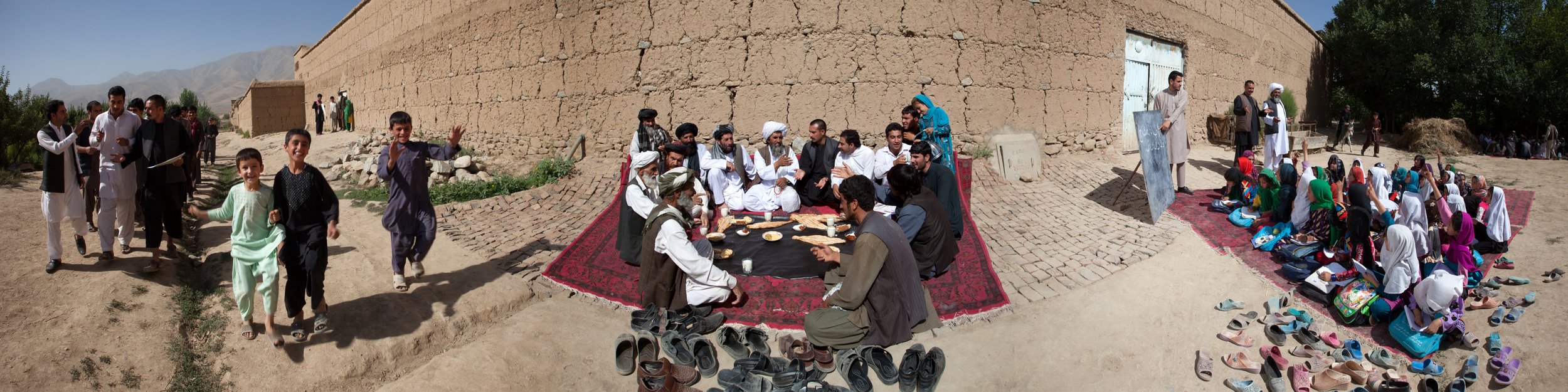
Jirgas have long served as a practical bridge between communities, families and local authorities in Afghanistan. The word can describe different kinds of assemblies: a loya jirga has historically referred to a national gathering, while local jirgas may hear disputes, settle land matters or organise collective decisions. Customs and legitimacy differ across districts, so no single model can stand in for every Afghan society.
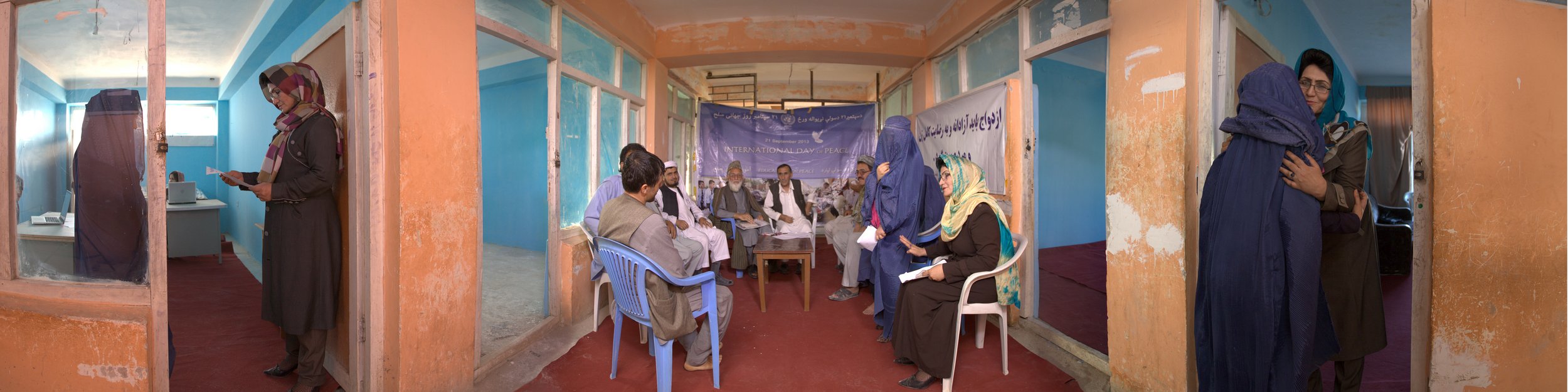
Afghan Peace Jirga Support places mediation expertise behind Afghan decisions without treating communities as empty recipients. A UN facilitator can help parties prepare for dialogue, make concerns understood, connect them with independent experts and document voluntary agreements. The role is neither to impose a settlement nor to grant disputed arrangements international approval. It works best when Afghan mediators retain control, participants understand their choices, and human rights, humanitarian law and accountability remain visible throughout.
Why jirgas remain central to local peace
Decades of conflict, displacement and weak services have left formal institutions with heavy caseloads and limited reach. Many residents cannot travel long distances to court, afford transport or navigate unfamiliar legal procedures. In some places, people distrust state officials because of corruption, partisan influence or past abuses. A nearby jirga, made up of trusted elders, religious scholars, families and local officials, may therefore offer a more accessible way to begin resolving a dispute.
Jirgas can draw on detailed customary knowledge about land, water, grazing, marriage and community obligations. Their public deliberation may create local pressure for a decision, while oaths, compensation and community witnesses can help restore relationships. These strengths coexist with serious risks. Authorities may pressure complainants to withdraw, exclude women, impose unfair terms or treat a settlement as final when serious crimes require investigation. Mediation cannot convert coercion into consent or provide immunity for abuses.
A useful comparative lens is the way local institutions sit within public administration. Bamako municipal information offers context on Bamako’s civic structures and how municipal government can support community decision-making. The comparison does not transplant one political system into Afghanistan; it reinforces the principle that credible local processes need a clear relationship with the state, courts and accountability bodies.
A UN role guided by Afghan ownership
UN-facilitated traditional conflict resolution begins with a request from credible Afghan actors and a clear understanding of what the mediator can do. The UN checks consent, conflicts of interest, security and the likely consequences of discussion. It then supports an agreed process rather than taking over it. Local leaders set the agenda and determine which issues can be negotiated, while facilitators clarify boundaries, explain options and ensure that silence is not mistaken for agreement.
Good practice involves creating safe meeting arrangements, providing Dari, Pashto and other appropriate interpretation, and making space for women, youth, people with disabilities and minority representatives when they are affected. Female mediators can be essential, especially where women face barriers to appearing before mixed public assemblies. Facilitators also distinguish a dispute suitable for mediation from matters needing criminal investigation, emergency protection or urgent legal assistance.
The UN can connect local mediators with Afghan civil society, provincial institutions, legal representatives and humanitarian specialists while documenting agreements for follow-up. UNAMA and other UN partners can help with impartial process advice, monitoring and links to services. Consent remains central: the organisation cannot police every jirga, enforce every decision or claim that an agreement ends a legal case. Its contribution is strongest when it strengthens local ownership and refers participants to the right support.
Clear communication is part of neutrality. Before talks, mediators should explain their mandate in Dari and Pashto and answer questions about confidentiality, records, costs and the limits of UN involvement. Public statements should report the process and agreed actions without naming complainants, witnesses or confidential details. When parties disagree about what was promised, records and separate follow-up conversations matter more than slogans. This protects trust while giving local media and community leaders accurate information to share.
Safeguards that keep mediation credible
Credibility depends on safeguards that communities can see and use. The following standards are practical rather than a single national template, because legitimate traditions and legal obligations must be checked against one another.
Core safeguards
- Participation is informed, voluntary and broad enough to represent people directly affected by the dispute.
- Confidentiality is protected, with clear exceptions for imminent harm, crimes that must be reported and information required by law.
- Serious violations are not quietly exchanged for amnesty, compensation or a promise that evidence will disappear.
- Mediators disclose conflicts of interest, remain impartial and do not accept gifts or benefits linked to an outcome.
Practical standards
- Agreements clearly record the parties, terms, deadlines, witnesses and agreed follow-up arrangements.
- Interpreters, independent observers or confidential feedback channels support informed consent and accountability.
- Referral routes connect participants with legal, medical, protection and psychosocial services.
- Time-bound reviews assess implementation, detect retaliation and allow terms to be adjusted through consent.
Afghan elders and local mediators provide cultural legitimacy and knowledge of how relationships function. UN personnel provide neutral process support, access to independent advice and a way to escalate risks that exceed local capacity. Neither side should ask the other to lend legitimacy in advance. A jirga may reconcile interests, but it must not block access to justice, displace responsibility for crimes or expose complainants to retaliation.
Monitoring should avoid turning sensitive testimony into public data. Teams can use consent-based visits, confidential interviews and aggregated lessons rather than publish names. Participants should know when confidentiality cannot be guaranteed and how alleged misconduct against the mediation can be challenged. This discipline protects both the process and the possibility of future cooperation.
Turning dialogue into durable agreements
A workable process moves through several connected stages. Mediators first listen separately, clarify the dispute and identify what each side seeks. They then agree on ground rules, bring participants into a joint session, explore restitution or other remedies, and record a voluntary settlement. Crucially, implementation begins before the closing ceremony: obligations need named people, resources, deadlines and a safe way to report non-compliance.
A composite land dispute might involve farming households who disagree about an irrigation boundary. Local elders may interpret customary tenure while a woman mediator speaks privately with a widowed claimant, who might otherwise be excluded from the public council. A UN-supported interpreter can explain each proposal without deciding its merit. If the eventual agreement includes compensation and shared maintenance duties, local agricultural officials and community witnesses can help confirm that the terms are workable.
Implementation support may include referrals for documents, neutral verification, mediation of renewed misunderstandings and public messaging that does not identify vulnerable participants. Where an issue falls outside negotiated authority, the UN can explain the limits of the jirga and connect people with Afghan legal or humanitarian services. A mediation agreement can reduce tension, but only lawful institutions can determine broader questions of liability, security and political settlement.
Australian solidarity for Afghan-led peace
Australian readers may recognise community mediation from legal centres in Melbourne and Sydney, conversations over coffee beside stalls at Preston Market, or meetings reached by suburban train. Australian civic life also relies on libraries, school councils, sports clubs and neighbourhood groups as familiar places to settle practical disputes. These examples are comparative, not a substitute for Afghan custom. Their value lies in showing how trusted spaces, accessible venues and ordinary routines can help people enter dialogue.
Local law offers a second comparison. Australian mediators work within the Privacy Act 1988, and organisations must confront exclusion and discrimination, including the effects of the Racial Discrimination Act 1975. No Australian statute governs an Afghan jirga, yet the underlying discipline is transferable: protect personal information, provide fair interpretation, guard against discriminatory pressure and explain when a matter needs a court.
Take practical action by sharing Afghan-led stories from the archived Strong UN. Strong Afghanistan. campaign, supporting trusted UN humanitarian and peacebuilding appeals, and inviting Australian communities to learn from Afghan mediators rather than speaking for them. Organisations can host culturally respectful discussions, fund interpreters and accessibility, and direct assistance through recognised UN channels. Use official campaign material and UN Afghanistan media channels to find accurate stories, and verify dated content before resharing it. Amplifying Afghan agency while enforcing the same dignity, safety and accountability standards turns solidarity into meaningful support for peace.