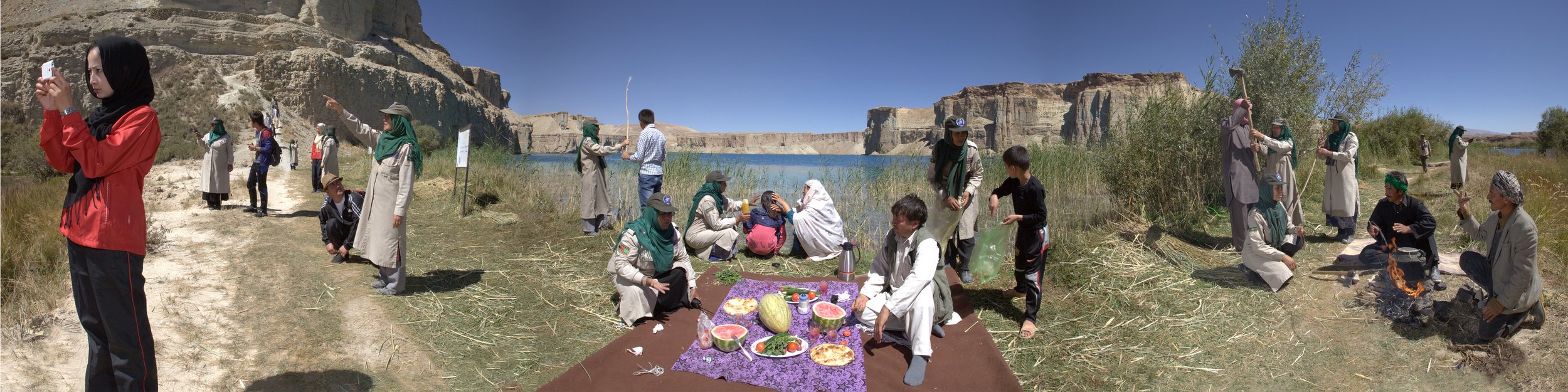
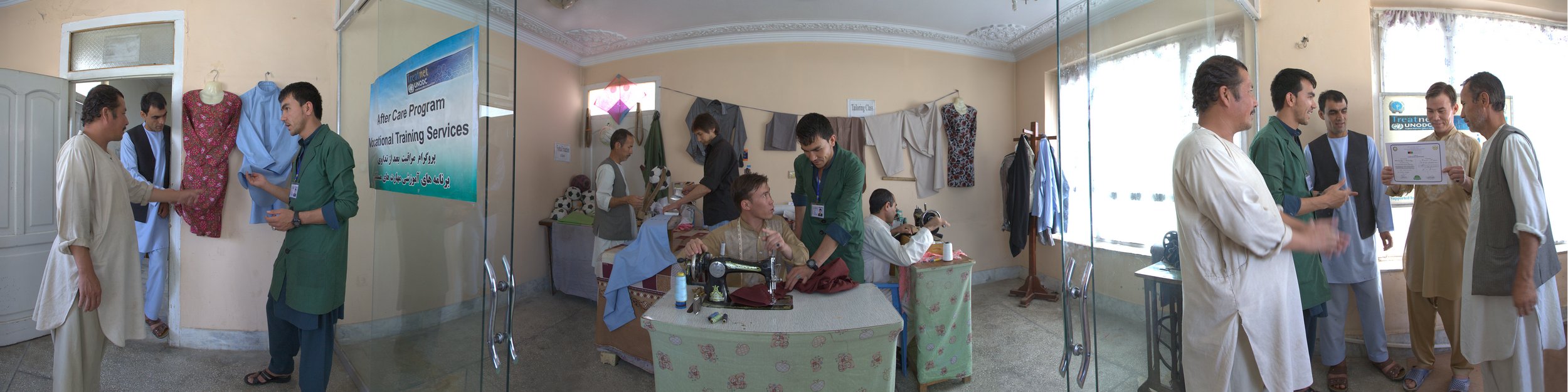
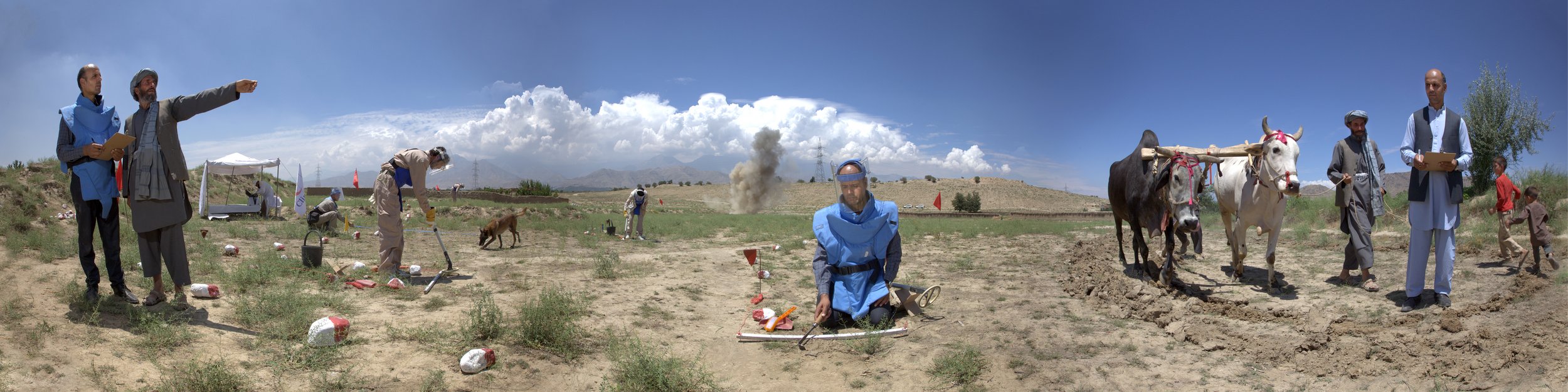
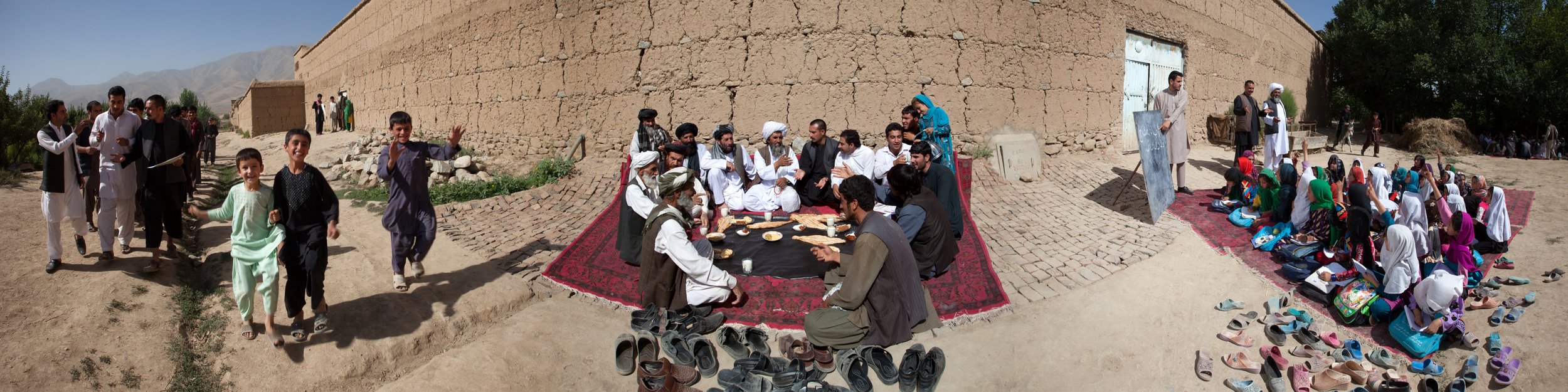

Making a Difference
Afghan mothers and remote prenatal care
Pregnancy in rural Afghanistan can involve a journey measured in hours, not kilometres: a mountain road may close after snow, a river may rise after rain, and a referral can require a horse, borrowed vehicle or helicopter. When distance meets poverty, displacement and shortages of female health workers, routine antenatal care becomes a series of difficult choices for expectant mothers and their families.
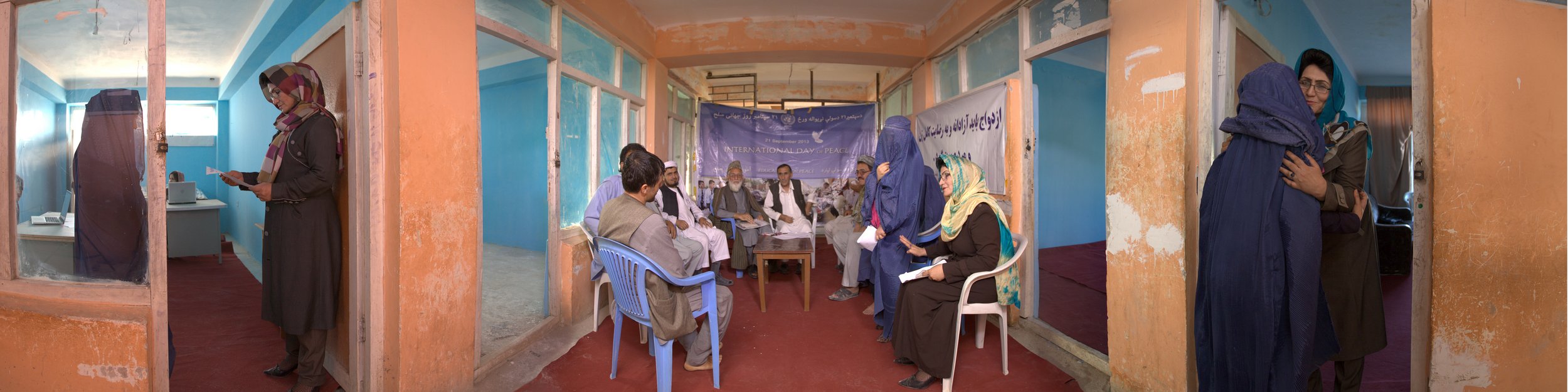
UN-supported Afghan mother and child health clinics work to shorten those journeys. They connect community midwives and health workers with medicines, technical support, referral services and nutrition programmes, while the UN70 campaign, “Strong UN. Strong Afghanistan,” centres Afghan expertise and community partnership. The archived campaign records local people as drivers of change, not passive recipients of aid.
Distance is a health risk
Afghanistan’s settlements are often separated by steep valleys and rugged passes. A village may have a health post but no laboratory, ultrasound or blood bank, while the nearest maternity hospital can lie beyond several difficult stages of travel. This geography increases delays when a pregnancy develops high blood pressure, bleeding, infection or another obstetric emergency.
The consequences extend beyond the delivery itself. A mother may postpone checks because she cannot leave older children, livestock or paid work unattended. Bad roads can block outreach teams and delay supplies. Winter access is especially precarious, while drought or flooding can interrupt transport and household food security. These barriers contribute to preventable maternal and newborn deaths.
Effective support therefore treats accessibility as a clinical priority. Outreach sessions, mobile clinics, community medicines and a workable referral plan can turn a distant service into a realistic series of steps. The aim is to strengthen the people and facilities already serving each community.
What prenatal clinics provide
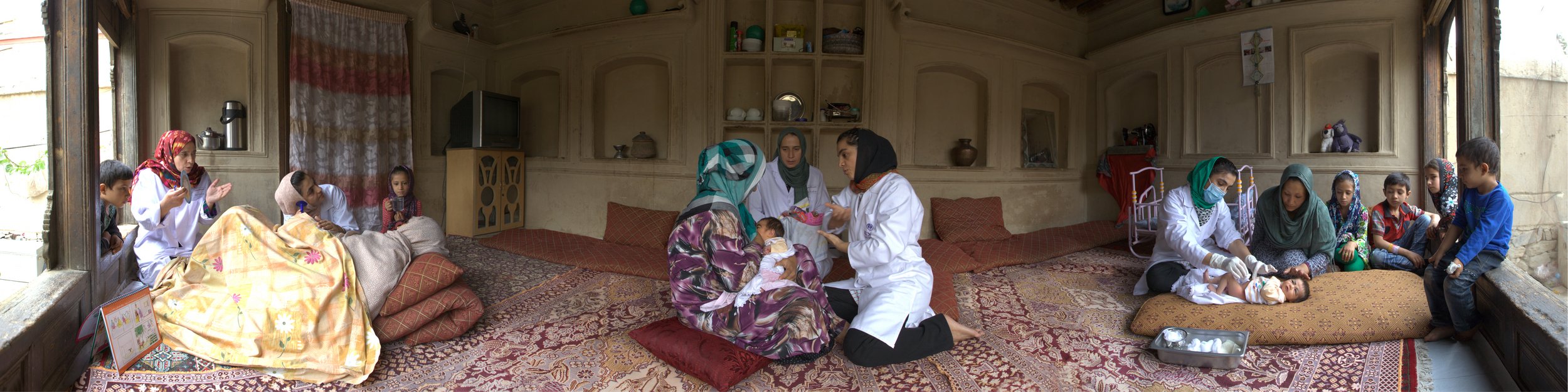
A useful antenatal visit does much more than check fetal growth. Trained midwives or health workers can take a history, measure blood pressure, test urine, assess weight gain and nutrition, examine for danger signs and discuss the birth plan. They can also identify anaemia, gestational hypertension, pre-eclampsia, infections, malaria risk and the need for further investigation.
UN support commonly makes these checks possible through equipment, essential commodities, supplies such as iron and folic acid, vaccination support and technical guidance. Joint work by UNFPA, UNICEF and WHO with Afghan health authorities, local providers and implementing partners can connect village services with reproductive health, nutrition and child-health programmes. Exact services vary by location, so a clinic’s referral network matters as much as its stockroom.
Privacy and dignity influence whether women return. Female providers, local language, confidential consultations and respectful engagement with husbands, mothers-in-laws and other family decision-makers can strengthen trust. Community feedback should shape opening hours, outreach schedules and the balance between home visits and fixed-site care.
Local workers, local leadership
Community midwives are often the first and most consistent clinicians a pregnant woman sees. Their work includes antenatal checks, safe referral, breastfeeding support and health education, but it also depends on recognition, fair pay, supervision and reliable supplies. A skilled worker without medicines or a transport plan cannot close the gaps created by remote geography.
UN partnerships can provide coaching, refresher training and links to higher-level care, while community health houses, local councils and women’s groups help set priorities. This local oversight keeps services aligned with practical needs such as women’s travel, household budgets and cultural preferences for care.
Clinic sustainability also depends on administration, procurement and negotiation, skills often strengthened through business management training. The UN Afghanistan story of women’s cooperatives shows how enterprise skills can support health workers and community services, provided clinical quality and accountability remain central.
Care beyond the birth
The highest-risk point for skilled birth attendance is not always the pregnancy itself. Labour can begin at night, and early newborn problems may appear after the family has returned home. A referral pathway should therefore be prepared before the due date, including transport contacts, money for fares, agreed clinical criteria and a receiving team able to respond.
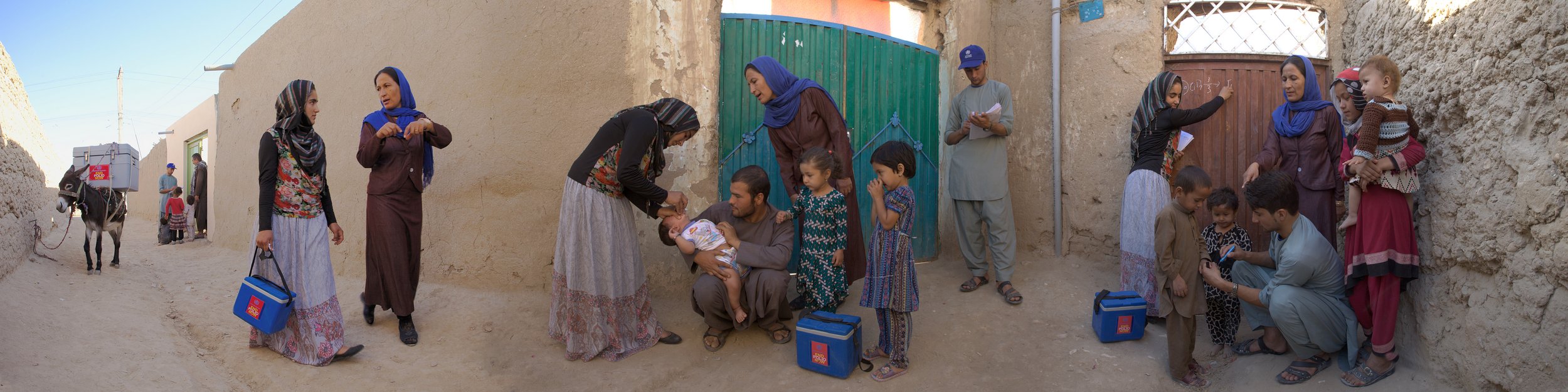
Postnatal and neonatal follow-up helps detect postpartum haemorrhage, infection, severe hypertension and newborn illness. At the same time, breastfeeding counselling, infant growth checks, micronutrient support and immunisation connect maternal care with the child’s first years. Families benefit when these visits form one service rather than separate queues at different facilities.
Maternal and child nutrition also depends on broader support. Food insecurity raises the risks of anaemia, underweight birth and poor infant growth, while inadequate feeding can contribute to undernutrition and stunting. Voluntary family planning, respectful counselling and support for adolescent mothers and survivors of violence complete the wider picture of reproductive health.
Referrals, resilience and accountability
A clinic is only as strong as the route from a village to a hospital. Reliable communication, a pre-arranged driver, fuel or transport funds, and a receiving maternity unit are critical. Some services use community ambulance schemes; others rely on local vehicles or contracted transport. Each option has limits, which is why emergency planning must reflect the actual road, season and distance.
Supply chains face the same test. Heat, snow, conflict and damaged roads can delay medicines, blood, vaccines or replacement equipment. Cold-chain capacity, safe storage and stock monitoring matter because a preventive medicine that arrives unusable cannot protect a patient. Local reporting should flag shortages early enough for partners to solve the problem.
Transparency also strengthens confidence. Public spending records can reveal whether funding reaches staff, facilities and remote communities, although the most useful evidence combines national datasets with local knowledge. For readers comparing public systems, guidance on bulk spending data explains how APIs can download figures across jurisdictions without treating every dataset as identical.
Australian parallels without false equivalence
In Sydney, Melbourne and Brisbane, pregnancy often begins with a pharmacy pregnancy test, a general-practitioner appointment and a referral to a public maternity service. Medicare helps cover eligible care, while private obstetric and midwifery options are widely available. The familiar path still depends on patients booking checks, taking medicines and navigating appointments, much as it does in Afghanistan.
Australia also has remote communities. Central Queensland and the Northern Territory rely on telehealth, road and air services, and organisations such as the Royal Flying Doctor Service. These systems offer useful lessons in planned referral and continuity, but they operate with stronger roads, communications, regulation and public funding than many Afghan districts.
In everyday Australian life, grocery and pharmacy trips often combine collecting food, household items and health products. Pharmacy chains make pregnancy tests and medicines easy to obtain, while supermarkets stock vitamins and other health products. This retail reach can remove an early barrier to care, although price, location and health literacy still shape who seeks advice promptly.
Australian law provides another point of comparison. The National Health Act 2011, the Health Practitioner Regulation National Law and the Privacy Act 1988, together with state and territory health-records rules, shape funding, practitioner standards and handling of sensitive health information. Afghan clinics face different legal and operational realities, yet consent, confidentiality and clear complaints processes remain shared safeguards.
Turning insight into support
Comparing settings is useful only when it clarifies principles rather than flattening differences. Remote Afghan clinics combine trusted local workers with medicines, outreach and referral; Australian services combine accessible primary care, public hospitals, digital tools and, in some places, flying teams. Both models show that nominal coverage is not enough if families cannot reach care.
| Remote Afghan prenatal setting | Australian health context | Shared lesson |
|---|---|---|
| Village health post, health house or mobile outreach | Community general practice, pharmacy, telehealth or outreach | Put a trusted entry point close to home |
| Community midwife or female health worker | Registered midwife, general practitioner or Aboriginal and Torres Strait Islander health practitioner | Make local and culturally safe workers central |
| Blood pressure and urine checks, nutrition support, vaccines and maternal referrals | Medicare-supported GP visits, diagnostic tests, medicines and public maternity care | Combine prevention with a dependable escalation route |
| Household and newborn follow-up, breastfeeding support and immunisation | Maternity and child-health follow-up, breastfeeding support and the national immunisation schedule | Continue care after the birth |
| Donor-supported supplies plus public health-house reporting | Medicare, state funding and published health budgets | Track money, commodities and outcomes together |
| Local confidentiality and consent practices | Privacy Act and state health-records obligations | Protect sensitive information and enable feedback |
The transferable lesson is to build a chain of care, not a collection of isolated interventions. In Afghanistan that means supporting female health workers, replenishing village supplies, improving transport and listening to women who use the service. In Australia it means protecting rural access, affordable primary care and culturally safe maternity services. Accountability should show both achievements and gaps.
Read the archived UN Afghanistan stories, share this account with colleagues and community groups, and back organisations that keep maternal and newborn care close to families. The campaign is closed, but the need to protect every pregnancy, birth and early childhood remains immediate.