
Making a Difference
Mobile Health Vans Reaching Afghanistan’s Remote Communities
Afghan mobile health clinics—UN-equipped vans for remote districts—bring essential healthcare to communities that may be many hours from a fixed health facility. They support antenatal checks, childhood vaccinations, nutrition screening, treatment of common illnesses and referrals to larger hospitals. For families living beyond the reach of paved roads, these vehicles can mean the difference between receiving timely care and waiting until a medical emergency becomes critical.
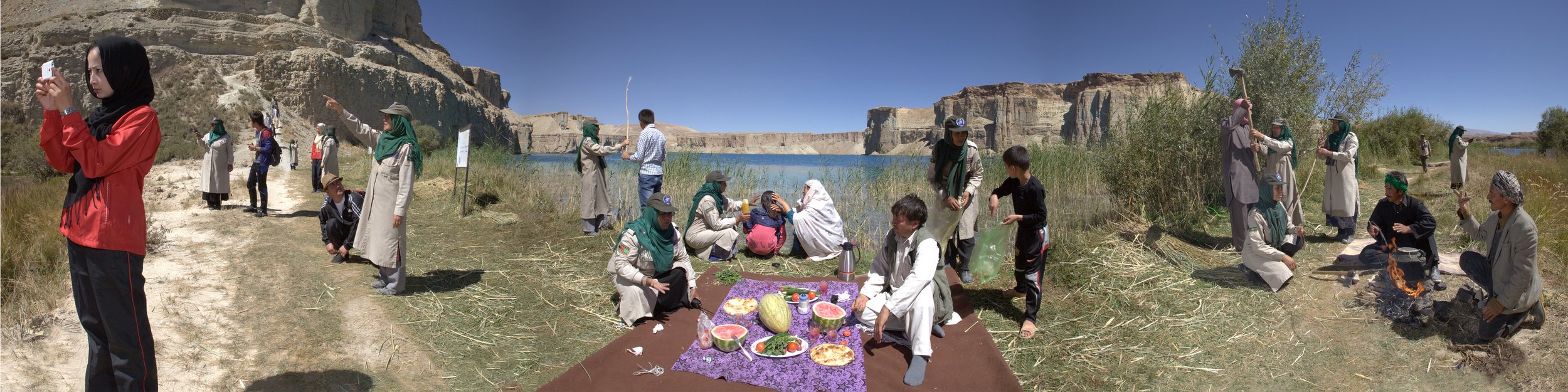
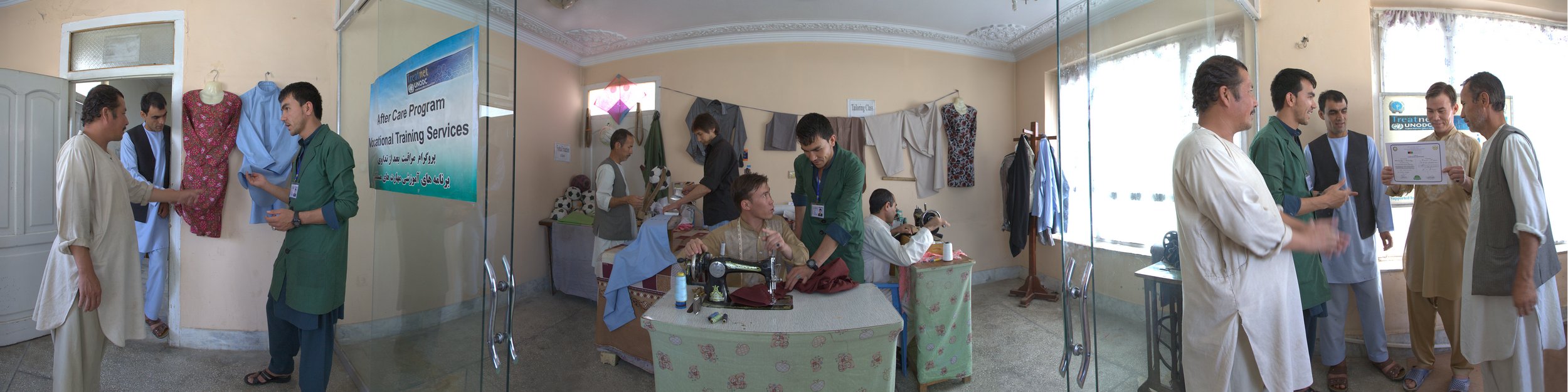
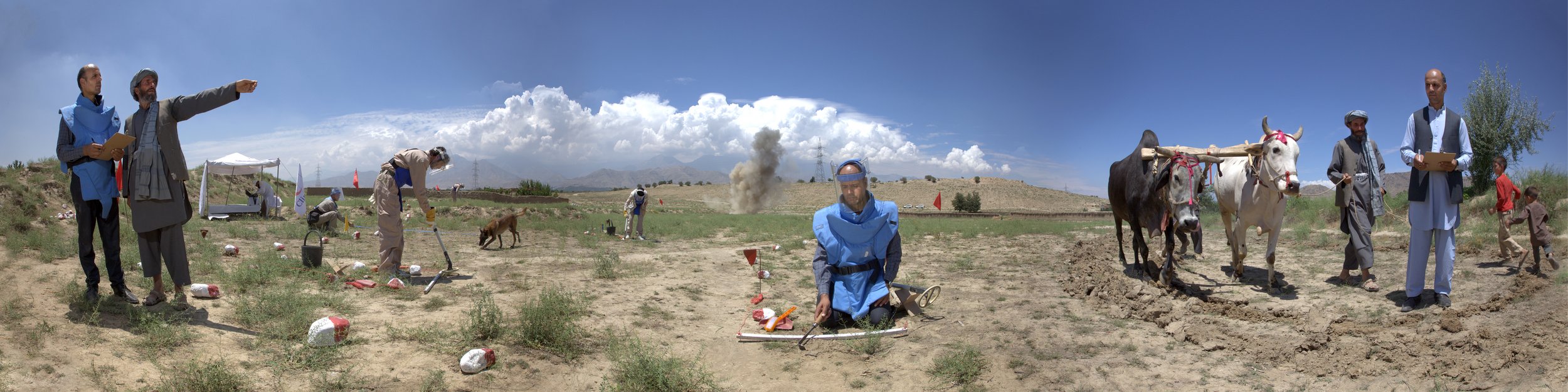
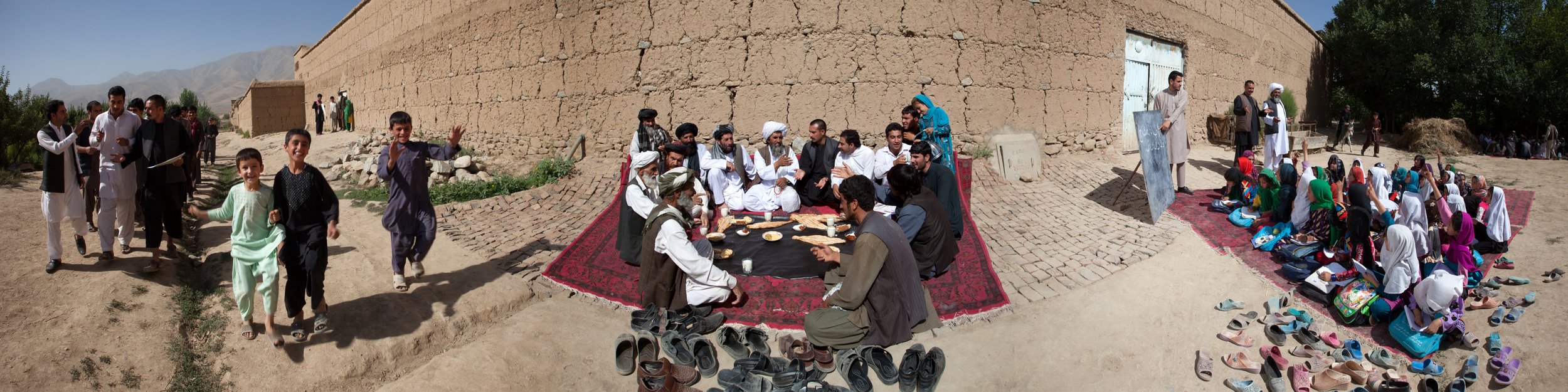
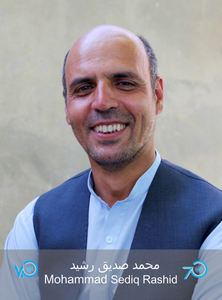
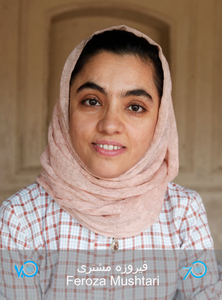
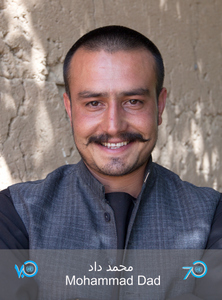
The UN Afghanistan website preserves the completed UN70 “Strong UN. Strong Afghanistan.” campaign as an archived snapshot. Its photographs, news and stories about Afghan contributors reveal how UN support works through people, partnerships and practical delivery rather than through distant promises. Mobile clinics are one clear example of that approach: equipment travels, but decisions about priorities, access and trust remain closely connected to the communities being served.
Care beyond paved roads
Afghanistan’s geography makes healthcare access highly uneven. Some districts are connected by roads that become difficult to navigate after snow, flooding or landslides. Others include long routes across mountains, desert and remote valleys. A fixed clinic may exist in the district centre while people in outlying villages still have limited transport, few financial resources and little influence over how services are designed.
UN-equipped vans turn that mobile clinic into a small, travelling health centre. Depending on the assignment, a vehicle may carry seating for consultations, refrigeration for medicines and vaccines, cold boxes, wound-care supplies, basic laboratory test kits and equipment for blood pressure, glucose or other routine checks. Solar charging, mobile connectivity and secure medicine storage can help teams work where fixed electricity and communications are unreliable.
The vehicle is only one part of the service. Mobile teams may include a nurse, midwife, doctor, vaccinator, laboratory worker, community health worker and driver, with the mix changing according to local needs. Local staff can explain unfamiliar medical terms, identify cultural sensitivities and recognise signs that an illness requires more specialised care. Their knowledge often determines whether people feel comfortable enough to seek help early.
A wide range of essential services
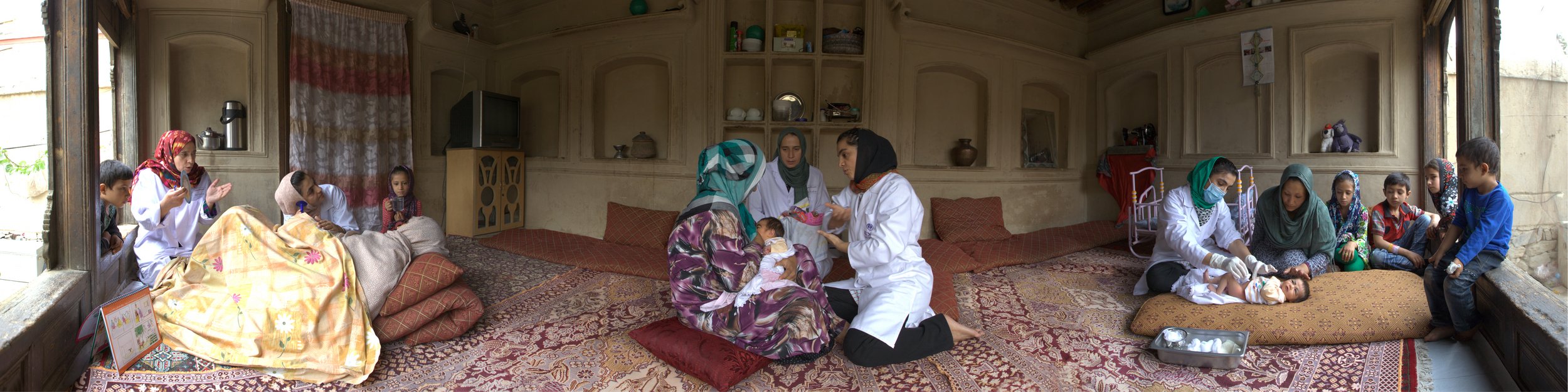
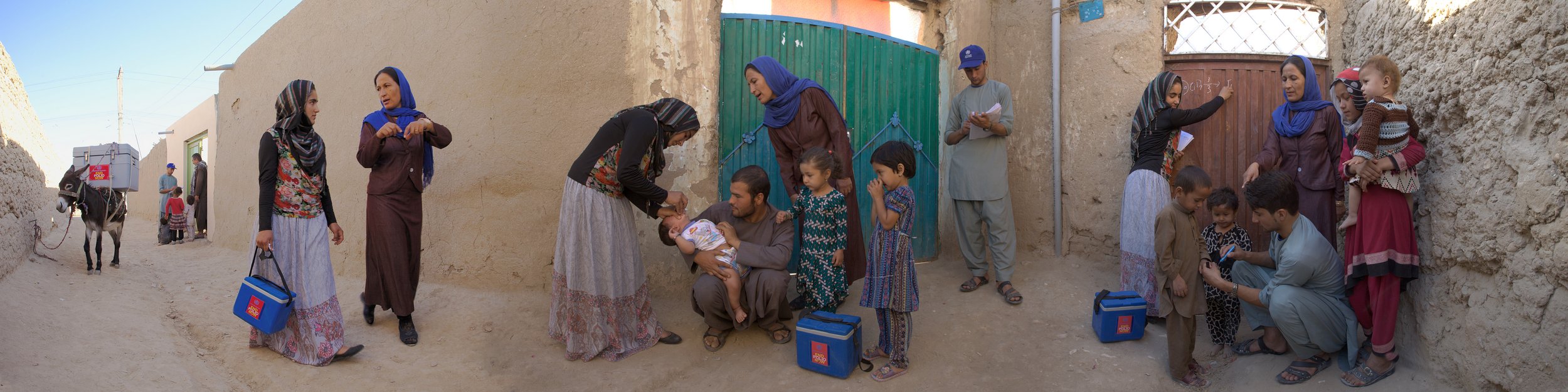
The strongest outreach programmes combine treatment with prevention. Pregnant women can receive antenatal care, information about safe delivery and referrals for complications. Children may be assessed for acute malnutrition, given routine immunisations and checked for respiratory or diarrhoeal illness. Family-planning information, reproductive healthcare and respectful maternity support can also be provided where the health team has the appropriate training and supplies.
Mobile clinics are equally important for adults with chronic conditions. Blood pressure monitoring, diabetes care, tuberculosis screening, wound care and advice on long-term medication help prevent minor health problems from becoming disabling. Teams can identify cases that need follow-up at a district hospital, arrange referral transport and return information to the receiving facility. This continuity matters because a consultation without a clear referral pathway can leave a patient stranded between village and hospital.
Mental health and protection services may also be connected to outreach work through trained community personnel, confidential advice and referral. Such support must be adapted carefully to security, stigma and local expectations. Health workers must know how to recognise distress, maintain confidentiality and respond without exposing patients to harm. Mobile delivery does not remove difficult questions about care; it creates a way to address them closer to the patient’s home.
Preparation for difficult operating conditions
A medical van must be ready before it leaves the district centre. Teams check fuel, tyres, spare parts, emergency equipment, medicines and cold-chain requirements. Weather forecasts and reports from local drivers influence the route. In some areas, the team may need to travel with extra water, food and fuel, or postpone outreach if a road has become unsafe. Maintenance delays can therefore affect access just as directly as a shortage of clinical supplies.
Refrigeration is a particular concern for vaccines and heat-sensitive medicines. Temperature monitoring, cold boxes and reliable transport help ensure that outreach does not waste products that would otherwise be used in a fixed facility. Regular supply chains must connect central warehouses with district teams, while clear stock records reduce losses and identify gaps before they interrupt care. Mobile work is logistically demanding because every item must perform during transit as well as at the destination.
Communication links connect the van to district hospitals, supervisors and emergency services. Mobile networks, radio or satellite systems can support clinical advice, stock reporting and referral coordination. They are especially valuable when a midwife encounters a complication or a doctor needs advice on an unfamiliar case. These tools do not replace trained staff or functioning hospitals, but they make a mobile team less isolated and help ensure that patients are referred to the right level of care.
Access is also negotiated with local authorities, health workers and communities. This is essential in a country where security conditions and movement restrictions can change quickly. Dialogue with communities can clarify which villages need attention, which routes are viable and how services should reach people facing barriers such as distance, gender restrictions or fear of discrimination. UN neutrality, local knowledge and careful planning support access without treating communities as passive recipients.
Lessons from an Australian perspective
Australia offers a useful, though imperfect, point of comparison because it also has remote populations and demanding travel conditions. The Royal Flying Doctor Service provides primary healthcare and emergency support across parts of rural and northern Australia through aircraft, outreach clinics and telehealth. Its work demonstrates the value of reliable transport, professional teams and medical advice available at a distance. Afghan mobile vans operate in a far more constrained environment, so copying the Australian model would not be appropriate.
The experience of Aboriginal and Torres Strait Islander communities also highlights the importance of trusted local health workers, culturally safe care and services designed with communities rather than simply delivered into them. Community-controlled health services and local Aboriginal medical workers have demonstrated the value of continuity, local leadership and respect for distinct histories and cultures. These lessons should be exchanged without suggesting that Afghan communities are the same as Australian First Nations communities; their circumstances, systems and rights are distinct.
Australian cities show another side of the challenge. Sydney and Melbourne contain large networks of hospitals, community health centres and pharmacies, yet access still varies with income, language, transport and digital inclusion. Both cities also have established Afghan communities connected through places of worship, schools, local councils and charitable organisations. Community fundraising for Afghan health and relief is a familiar Australian custom, offering a practical way to build awareness while ensuring that Afghan organisations and affected communities help direct the support.
The local health market matters too. Medicare supports primary care, the Pharmaceutical Benefits Scheme helps cover many medicines, and community pharmacies, private diagnostic providers and ambulance services form part of a broader network. In remote supply chains, Australian buyers also rely on specialist four-wheel-drive markets, spare-parts networks and aviation support. These systems provide useful examples of infrastructure and procurement, but Australia’s stronger transport links and public financing mean that its conditions should not be used to underestimate the risks faced by Afghan outreach teams.
Preserving Afghan stories and programme lessons
The archived “Strong UN. Strong Afghanistan.” campaign is valuable because it places Afghan experiences at the centre of the UN’s story. Mobile clinic photographs can show a vehicle and its equipment, but they cannot by themselves explain the negotiations, clinical decisions and community relationships behind each journey. Stories about drivers, nurses, midwives, community health workers and patients provide that context and counter the tendency to portray humanitarian assistance as a faceless delivery operation.
The archive also records a broader lesson about how international support works best. Vehicles, medical supplies and digital tools require national health systems, local professionals, functioning referral hospitals and sustained financing. Afghan institutions understand the language, geography and social conditions of their districts. Partnerships that strengthen their capacity are more durable than emergency deployments that arrive with equipment but leave without building lasting capability.
Preserving the campaign therefore supports accountability and learning. Readers can examine how UN partners coordinated with Afghan health workers, what communities valued and where logistics failed or improved. This evidence can guide future mobile services, including better route planning, stronger referral systems, more reliable cold chains and greater participation by female health workers. It can also help donors and policymakers judge support by the continuity and quality of care rather than by the number of vehicles delivered.
The most important story is not simply that a van reached a village. It is that a team listened to local needs, provided appropriate care, identified cases requiring further treatment and connected the patient to the next safe step. Afghan mobile health clinics show how a practical vehicle can support a much wider system of people, partnerships and trust.
Explore the archived “Strong UN. Strong Afghanistan.” materials through the UN Afghanistan website to see Afghan stories, campaign photographs and messages from UN leadership. Share the archive with schools, community groups and local councils, and support current humanitarian and development priorities through UN Australia and verified Afghan-led health organisations.
Sustained attention matters because healthcare in remote districts depends on every link in the chain: a maintained vehicle, trained personnel, safe referrals, reliable supplies and a community that trusts the service. By recognising Afghan leadership and contributing to accountable, locally directed support, Australians can help ensure that essential care reaches the people who need it most.