
Making a Difference
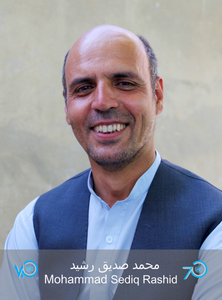
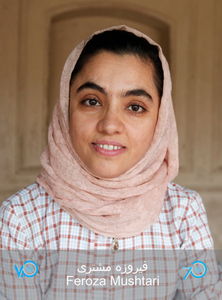
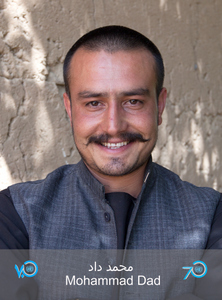
skilled midwives for Afghanistan's rural clinics
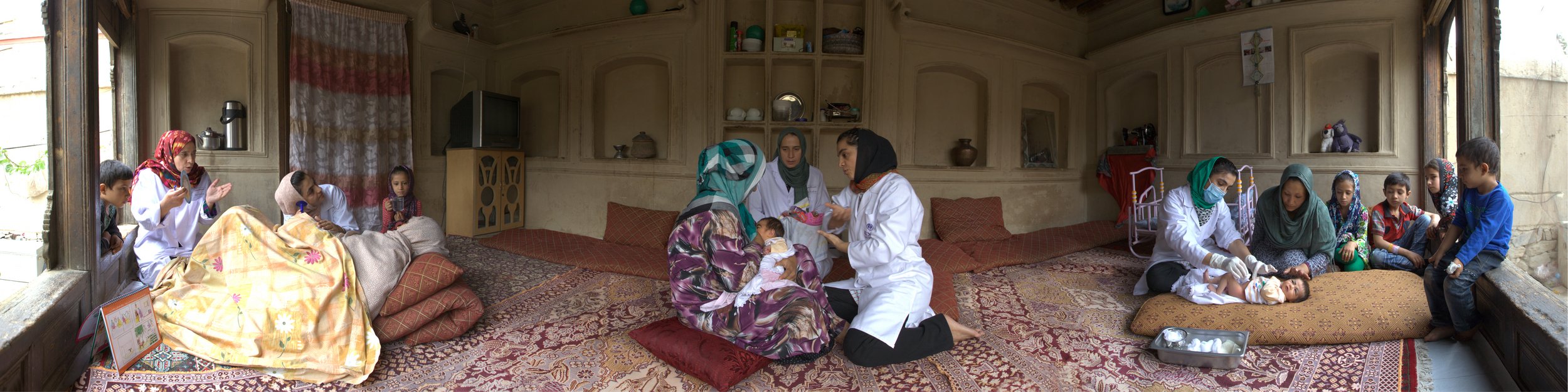
Afghanistan has one of the highest maternal mortality rates in the world, and rural women face the steepest odds. Decades of conflict have hollowed out the health workforce, leaving many villages without a trained birth attendant. UN-supported midwife training programs have stepped into this gap, building a cadre of skilled clinicians who can deliver babies safely, manage complications, and educate mothers in places where no doctor is available for hours of travel.
The approach echoes broader thinking about how countries with vast distances and scattered populations train community health workers. In Australia, where the Royal Flying Doctor Service covers millions of square kilometres and remote communities from the Kimberley to western Queensland rely on outreach nurses and Aboriginal health practitioners, similar conversations are happening. Workforce planners in both settings wrestle with how to keep skilled professionals in small clinics, how to support them with continued training, and how to recognise the cultural competence required to serve women who may never have left their home district.
Comparing training pathways at a glance
| Training element | Afghanistan rural midwife program | Comparable Australian rural health pathway |
|---|---|---|
| Entry requirement | Grade 9-12 completion, female applicants prioritised | Year 12 completion, Aboriginal and Torres Strait Islander applicants encouraged |
| Duration | 18-24 months of residential plus field placement | 3-4 year undergraduate degree, or 12-month graduate diploma for nurses |
| Core curriculum | Antenatal care, normal delivery, emergency obstetrics, newborn resuscitation, health education | Midwifery, remote area nursing, cultural safety, primary health care |
| Supervised practice hours | 800-1000 hours in district and basic health centres | Around 1000 clinical placement hours in hospitals and community settings |
| Certification | Recognised by Afghan Midwives Association and MoPH | Registered with AHPRA (Australian Health Practitioner Regulation Agency) |
| Career pathway | Community midwife, then senior midwife, educator, or clinic manager | Registered midwife, nurse practitioner, clinical educator, or remote area manager |
| Retention support | Housing allowance, rural posting incentives, mentoring | Remote area allowances, scholarship programs, professional development grants |
The parallel is striking: both systems need practitioners who can work independently, make sound clinical judgements without a specialist on call, and earn the trust of women who would otherwise delay care until a crisis forces travel.
The state of maternal health in rural Afghanistan
Across Afghanistan's mountainous and desert provinces, getting to a hospital can mean a half-day journey by donkey, motorbike, or whatever transport a family can afford. The World Health Organization estimates that more than 60 percent of Afghan women give birth without a skilled attendant present, a figure that climbs higher in districts where female literacy is low and where cultural norms discourage women from being examined by male providers. Skilled midwives are the single most effective intervention to reduce maternal deaths in such settings, according to repeated analyses from UNFPA and the broader UN system.
Yet training a midwife in a place like Badakhshan or Helmand is not a simple matter of enrolling students in a classroom. Recruits need to come from the communities they will serve, because a midwife who speaks the local dialect, understands family hierarchies, and can navigate conversations with mothers-in-law and husbands is far more effective than one flown in from Kabul. UN-supported programs therefore prioritise applicants who will return to their home districts after graduation, and who have already demonstrated a commitment to community service.
The pattern is familiar to Australian health educators working in the Northern Territory and across northern Queensland, where Aboriginal health practitioners trained within their own communities consistently achieve stronger engagement with local families than clinicians recruited from capital cities. Retention follows a similar logic in both countries: invest in local people and they stay.
How the midwife training programs are structured
The flagship curriculum supported by UN agencies runs over 18 to 24 months and combines classroom teaching at provincial midwifery schools with extended placements in basic health centres and district hospitals. Trainees learn anatomy, the mechanics of labour, how to recognise obstructed labour and haemorrhage, and how to perform neonatal resuscitation using equipment that may be improvised. Modules on communication and gender-sensitive care run throughout, recognising that clinical skill alone is not enough.
What sets these programs apart from older models is the emphasis on competency-based assessment rather than time-served learning. A student cannot progress to managing deliveries independently until she has demonstrated a checklist of skills under direct supervision. The approach mirrors developments in Australian midwifery education, where the Australian Nursing and Midwifery Accreditation Council requires students to log specific procedures and pass objective structured clinical examinations before registration.
Aboriginal health practitioners in the Northern Territory follow a similarly rigorous competency pathway, and educators at institutions like Charles Sturt University and the remote campus of Flinders University in Alice Springs have shared curriculum ideas with colleagues working on Afghan programs. The exchange is informal but genuine, and it underscores how workforce challenges in vastly different contexts often prompt surprisingly similar solutions.
Skills taught in community clinic settings
In a rural Afghan clinic, a trained midwife does far more than catch babies. She monitors blood pressure and anaemia during pregnancy, tests for malaria and syphilis, refers complicated cases upward, and supports women who have experienced loss. Postnatal visits cover breastfeeding, recognition of infection, and family planning, which is offered discreetly to women who want it.
The training programs therefore include a substantial primary health care component, so graduates can manage the everyday ailments that bring women through the clinic door. Nutrition counselling matters in a country where food insecurity remains acute, and mental health screening has been added in recent years to identify women suffering from depression or the lingering effects of trauma. Some courses now include basic literacy refreshers, because being able to read medication labels and fill in registers accurately is a quiet but essential skill.
In remote Australia, outreach midwives working through services like the Royal Flying Doctor Service or state-run community programs in places such as Broken Hill and Cairns perform an analogous range of duties. They might drive four hours between clients, deliver a baby in a homestead kitchen, and then check on a postnatal mother the next day, all while documenting care on a tablet that connects to a hospital many kilometres away. The clinical breadth required is comparable, even if the equipment and infrastructure differ.
The role of UN agencies and international partnerships
Multiple UN bodies contribute to midwife training in Afghanistan, with UNFPA leading on the technical curriculum and supplies, UNICEF focusing on newborn care components, and WHO providing guidance on emergency obstetric protocols. Funding flows through the Afghanistan Humanitarian Fund and bilateral donors, with the UN system coordinating training standards across provinces so that a midwife graduating in Herat has skills equivalent to one trained in Nangarhar.
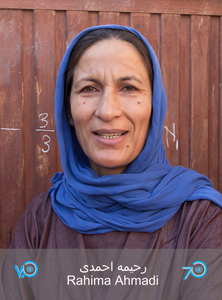
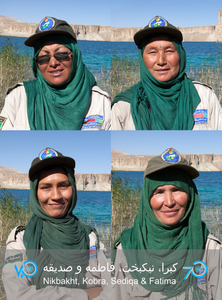
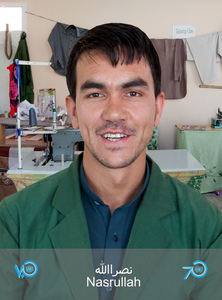
The UN70 campaign, documented at the UN Afghanistan campaign site, highlighted individual stories of women whose lives were changed by access to skilled care, and the wider role that training plays in rebuilding community trust in public services. Partnerships with non-governmental organisations, including the Afghan Midwives Association, give the programs a national identity and a professional body that advocates for better pay and working conditions.
Australia contributes indirectly through its aid program, which has historically supported maternal and child health initiatives across South Asia. Researchers at the Burnet Institute and the University of Melbourne have collaborated with Afghan counterparts on studies of midwifery education quality, and Australian-funded scholarships have enabled a small number of Afghan midwives to undertake short courses in the region. These connections are modest in scale but valuable in reinforcing professional networks that outlast any single project.
Outcomes and challenges in remote provinces
Graduation numbers tell a hopeful story. The Afghan Midwives Association reports that thousands of community midwives have completed training since the mid-2000s, and maternal mortality in districts with active programs has dropped measurably. Surveys of women in served communities consistently rate trained midwives more highly than untrained traditional birth attendants, and uptake of antenatal care has climbed.
Challenges remain stubborn. Security concerns restrict travel between facilities, and some graduates cannot be supervised regularly in the clinics they are posted to. Equipment shortages, including functional blood pressure cuffs and delivery kits, force improvisation. Pay is low, and many midwives leave the government system for work with NGOs or for opportunities abroad, creating turnover that erodes the investment in training.
Retention strategies borrowed from other contexts are being tested. Rural incentives, secure housing near clinics, and continuous professional development delivered by mobile teams have all shown promise. Some provinces pair new graduates with experienced mentors for their first year, a model familiar to anyone who has watched a new remote area nurse settle into a posting in the Kimberley or along the Cape York peninsula.
Lessons that resonate with Australia's rural health workforce
Australia's own struggle to staff remote clinics offers a useful mirror. The National Rural Health Alliance has long argued that training local people is the most reliable path to a stable workforce, and programs such as the Rural Health Multidisciplinary Training program have increased the number of medical, nursing, and allied health graduates who choose rural practice.
Midwifery specifically has seen renewed attention. Federal and state initiatives have expanded the number of clinical placements available to student midwives in regional hospitals, and continuing professional development is increasingly delivered online so that practitioners in places like Mount Isa or Esperance can access specialist input without travelling. Cultural safety training, developed in close consultation with Aboriginal and Torres Strait Islander communities, is now a core requirement rather than an optional extra.
The Afghan experience reinforces the centrality of these approaches. When midwives are recruited locally, trained to a clear standard, supported with supervision, and paid enough to stay, maternal outcomes improve. The setting differs, but the principles travel well. For Australians interested in supporting women's health beyond their borders, engaging with organisations that fund and advocate for midwife training in places like Afghanistan is a practical way to contribute to a workforce model that has proven its worth.
Share this story with a colleague in the health sector, follow the UN Afghanistan channels for further updates from the field, and consider supporting organisations that invest in midwifery education as one of the most cost-effective ways to save mothers' lives.