
Making a Difference


Emergency Obstetric Kits Supporting Afghan District Clinics
Pregnancy and childbirth in Afghanistan can become life-threatening within minutes, particularly when a woman lives far from a referral hospital. A district clinic may be the closest health facility for several villages, yet it often works with limited staff, irregular electricity, difficult roads and shortages of essential medicines. In that setting, an emergency obstetric kit can give trained health workers the equipment and supplies needed to respond while a patient is stabilised or transferred.
The United Nations has supported Afghanistan’s health system through partnerships with government services, local organisations and communities. Emergency maternal care forms part of that wider effort. The focus is practical: keep essential supplies closer to families, strengthen the ability of frontline teams to manage complications and help clinics remain prepared when transport to a provincial hospital is delayed.
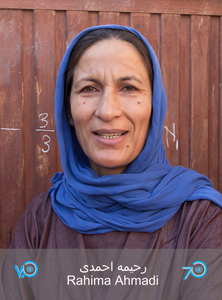
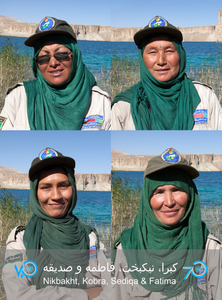
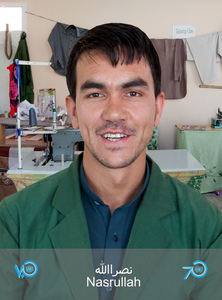
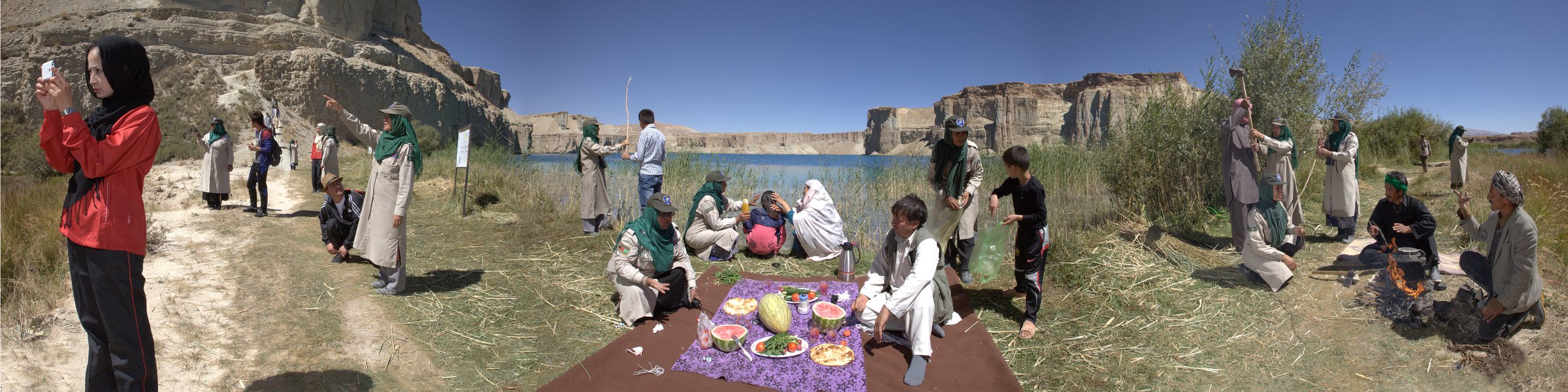
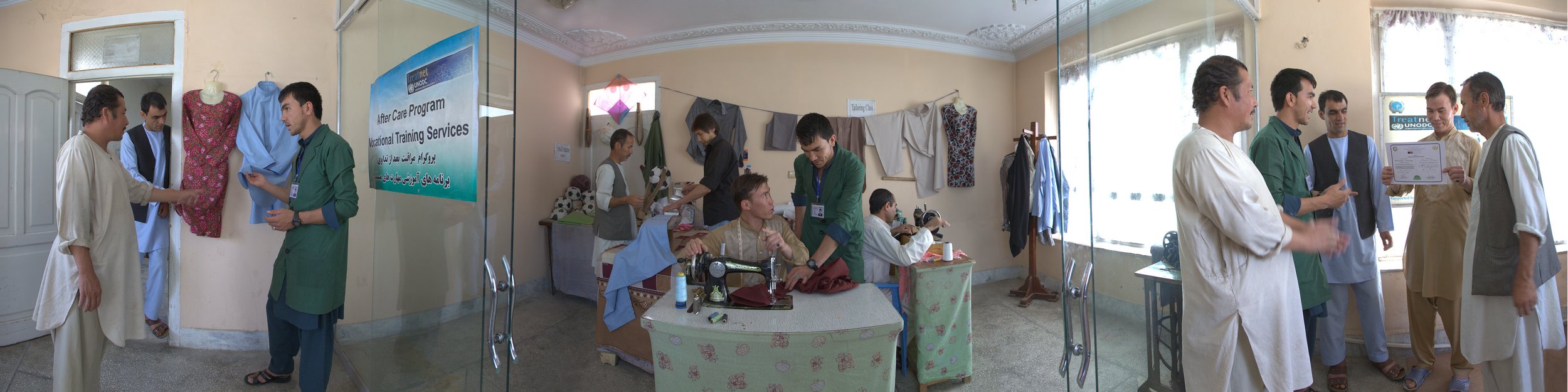
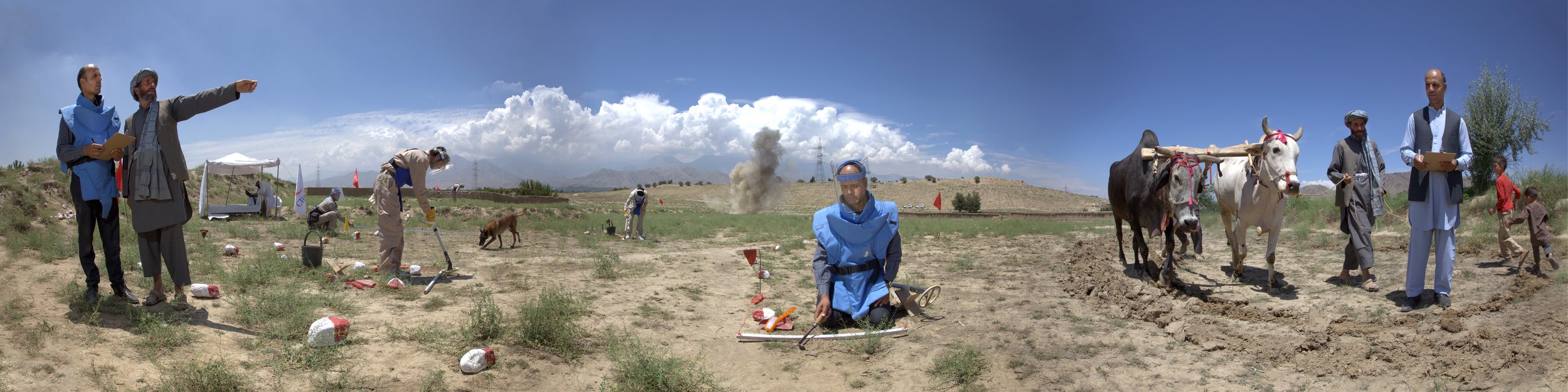
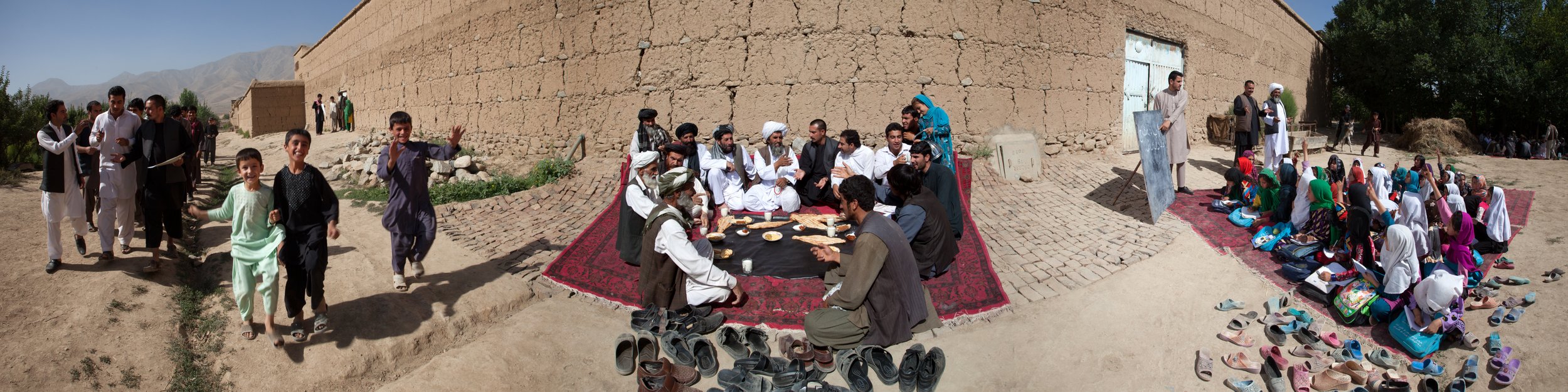
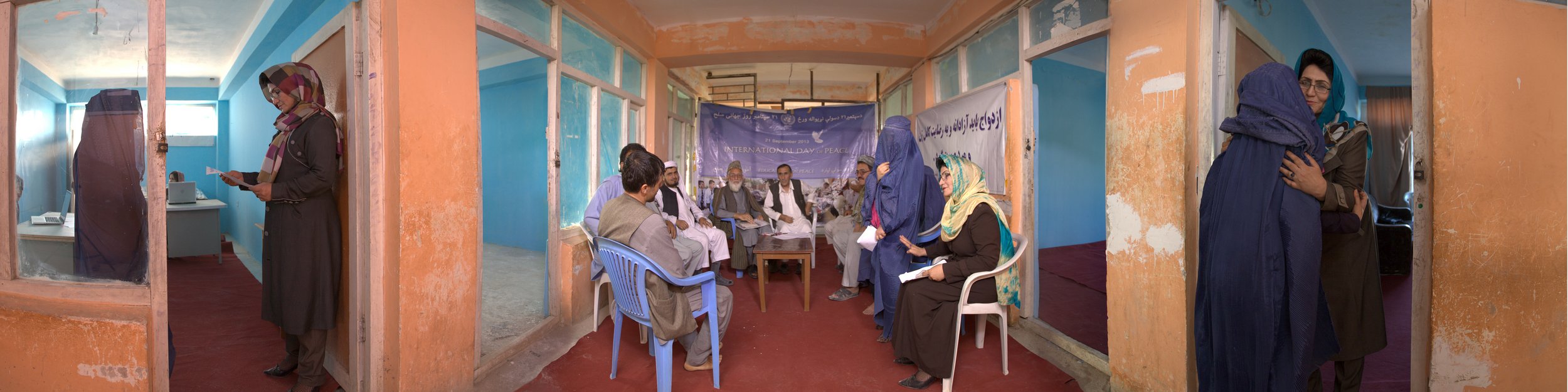
The UN70 “Strong UN. Strong Afghanistan.” campaign presented Afghan people as contributors to their communities rather than passive recipients of aid. That perspective matters when considering maternal health. A birth attendant, midwife, driver, community health worker or family member may each influence whether a woman reaches care in time. The kit is valuable, but it works within a local network of knowledge, trust and decision-making.
Why District Clinics Matter
Afghanistan’s geography makes distance a major factor in maternal survival. Mountainous terrain, unpaved roads, seasonal flooding and insecurity can turn a journey of a few kilometres into several hours. In some districts, a clinic is the only reliable point of care between a household and a provincial hospital. A woman experiencing severe bleeding or obstructed labour may need urgent treatment before a vehicle can reach a referral centre.
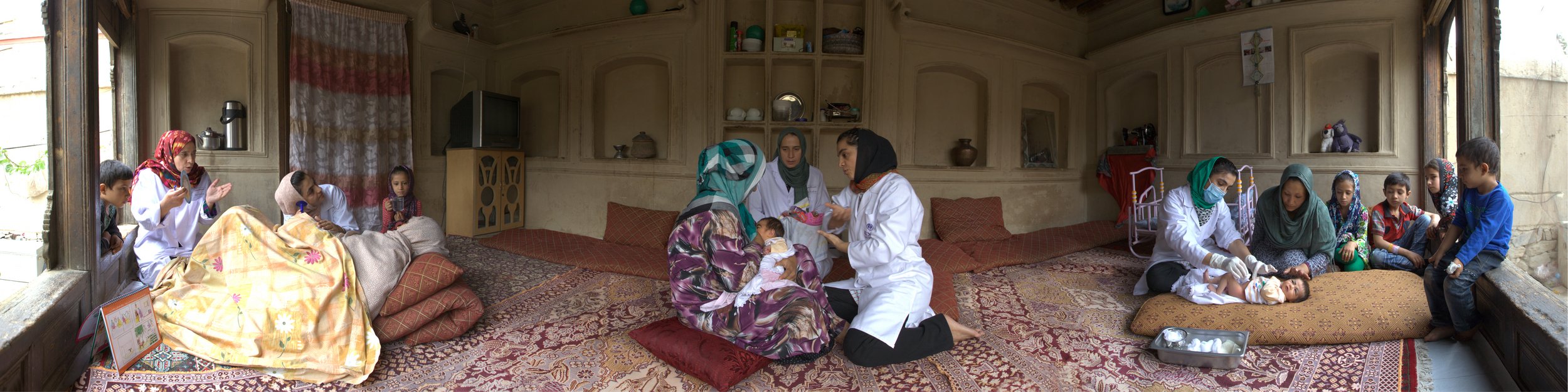
District health facilities also provide care closer to home, which can make families more willing and able to seek help. Travel costs, childcare responsibilities and concerns about safety can all delay a decision to leave the village. A functioning clinic with female health workers, privacy and basic medicines can reduce those barriers. It can support antenatal consultations, recognise warning signs and arrange referral before an emergency becomes critical.
For an Australian audience, the comparison with remote maternity care is familiar even if the circumstances differ. A pregnant woman in a remote Northern Territory or Western Australian community may also face long distances and limited local services, with retrieval systems such as the Royal Flying Doctor Service helping connect patients to hospitals. Afghanistan’s roads, resources and security conditions create a different scale of difficulty, yet the underlying lesson is similar: the first facility reached must be ready to act.
What Emergency Obstetric Kits Provide
An emergency obstetric kit is a practical package designed for urgent maternal and newborn care. Its precise contents depend on the programme, facility level and clinical guidelines, but supplies may include sterile gloves, antiseptics, syringes, needles, intravenous equipment, dressings, sutures and medicines used by trained professionals. Some packages include items for assisted delivery, management of postpartum haemorrhage, treatment of eclampsia and immediate newborn support.
The purpose is not to replace a hospital, specialist team or blood bank. It is to ensure that a midwife or other authorised clinician is not forced to improvise with missing basics during the first critical minutes. A stocked kit can help a team administer appropriate medication, establish intravenous access, monitor a patient and prepare for transfer. These actions can preserve time and reduce preventable deterioration.
Safe use depends on training, clinical protocols and regular stock checks. Medicines need correct storage, sterile materials must remain sealed and equipment must be replaced before expiry. A kit placed in a locked cupboard but inaccessible during a night-time emergency has little practical value. Clinic managers need clear inventory systems, staff orientation and arrangements for replenishment.
This principle is familiar in Australian healthcare, where emergency trolleys, medication registers and cold-chain procedures support safe clinical practice. The same discipline applies in an Afghan district clinic, even when the setting is more constrained. Procurement is meaningful when it connects to supervision, maintenance and accountability.
Managing The Most Dangerous Complications
Severe bleeding after childbirth is one of the most urgent threats in maternal care. It can develop rapidly after delivery and requires immediate assessment, uterotonic medicines where clinically indicated, intravenous fluids, monitoring and referral if advanced treatment is needed. An emergency kit can place several of those first-response supplies within reach. It cannot remove the need for skilled care, a functioning referral pathway or access to blood products.
Hypertensive disorders of pregnancy, including pre-eclampsia and eclampsia, are another major concern. Severe headache, visual disturbance, high blood pressure or seizures require urgent clinical management. Trained health workers may use anticonvulsant treatment according to national protocols, monitor the woman and coordinate transfer. Early antenatal contact helps identify risk, though late presentation remains a serious challenge when transport and household finances are limited.
Obstructed labour and infection also demand timely recognition. A clinic may provide initial assessment, infection prevention, basic treatment and referral, while a hospital may be required for surgery or more advanced obstetric care. The kit therefore supports a chain of action: assess, stabilise, communicate and transfer. Breaking any link can place both mother and baby at risk.
The quality of communication is especially important. Families may need clear explanations about why referral is urgent, while transport coordinators need accurate information about the patient’s condition. Community health workers can help women recognise danger signs and encourage birth planning. Respectful communication in local languages can build confidence and reduce the delay caused by uncertainty.
Supply Chains, Staff And Local Trust
Delivering supplies to Afghanistan’s district clinics is a logistics task shaped by geography, weather, customs procedures and changing access conditions. Kits must be assembled to a standard, transported securely and distributed according to facility needs. A remote clinic may require a different replenishment schedule from a facility near a major city such as Kabul, Herat or Mazar-e Sharif. Stock data must travel back through the health system so shortages are visible before they become emergencies.
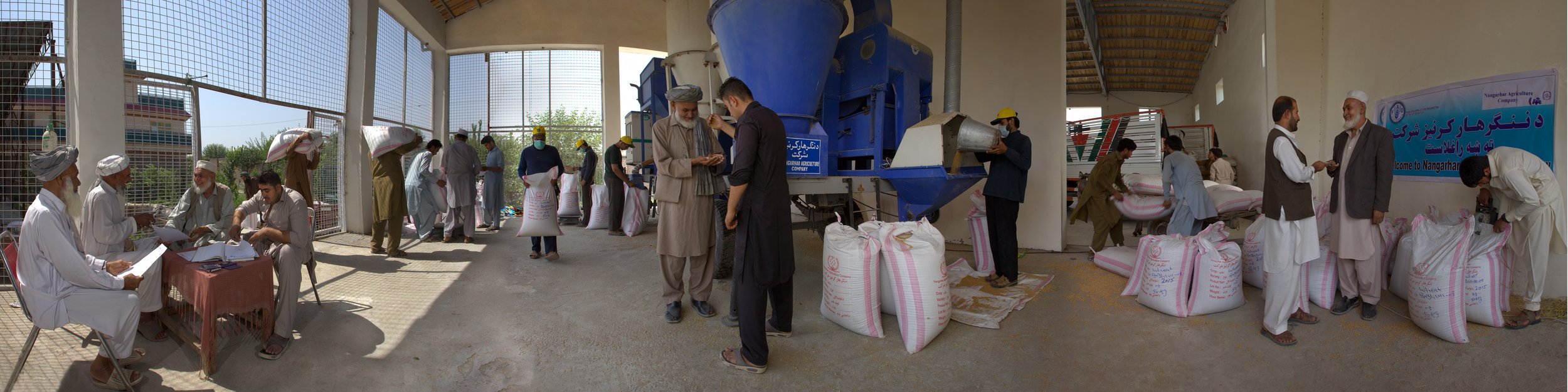
Local procurement can sometimes shorten delivery routes and support Afghan businesses, while international procurement may be necessary for specialised or quality-assured products. Either approach requires checks for product safety, authenticity, storage conditions and value for money. The lowest purchase price is not a useful measure if items arrive late, expire unused or cannot be replaced.
Readers in Australia will recognise the importance of reliable supply networks from ordinary pharmacy and supermarket life. A medication may be available on a Sydney shelf because manufacturers, wholesalers, regulators and retailers have coordinated successfully. In a district clinic, the chain may be longer and more vulnerable, with fewer suppliers and limited transport options. A missing item can affect an entire catchment rather than one patient’s convenience.
Local trust is equally important. Women may prefer care from trained female staff, and families may weigh advice from relatives, community elders and religious leaders. Programmes that involve Afghan health workers and listen to community concerns are more likely to be used. Support for maternal health should strengthen local capacity, respect privacy and avoid treating communities as passive endpoints for imported supplies.
Archived campaign material can help explain the human side of this work, but readers should distinguish historical storytelling from current operational information. Independent regional resources, including a local public portal, can look very different in purpose and context from an official UN humanitarian archive. Checking who publishes a page, when it was updated and what evidence it provides is essential before relying on any health or aid-related claim.
Measuring Whether Support Reaches Families
The success of emergency obstetric kits cannot be measured only by the number of boxes delivered. Useful monitoring asks whether clinics received the correct supplies, whether products remained usable, whether staff knew how to use them and whether women received timely treatment. Records may track stock-outs, referrals, births attended by skilled personnel and the management of obstetric emergencies.
Data must be handled carefully. A rise in referrals could indicate improved recognition of danger signs, or it could show that local treatment capacity is inadequate. Fewer reported complications might represent better outcomes, or it might reflect incomplete reporting. Health teams need context, supervision and feedback from communities to interpret the figures responsibly.
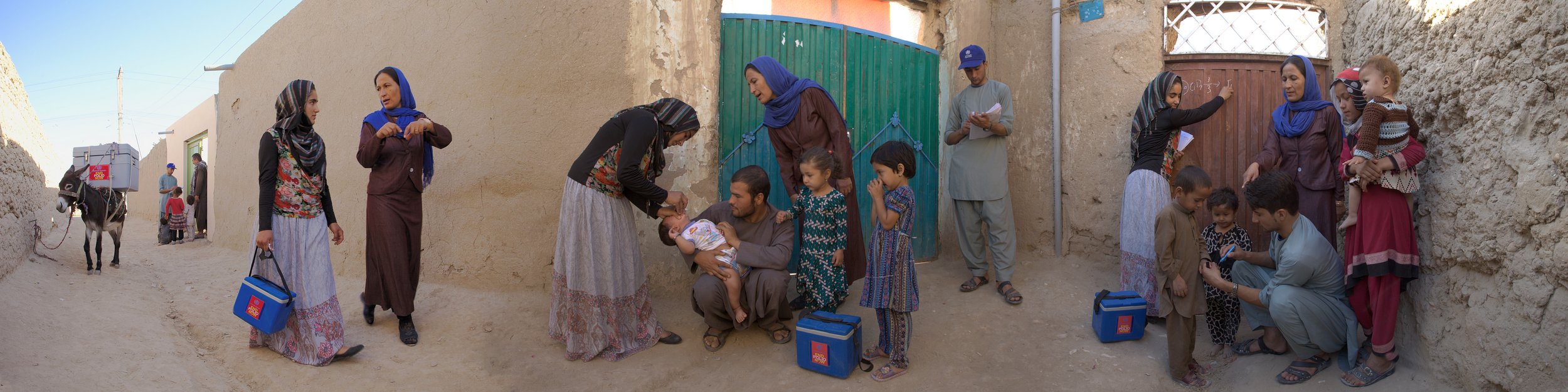
Maternal health also depends on services beyond the delivery room. Antenatal and postnatal care, family planning, nutrition, immunisation, newborn services and health education all influence outcomes. A woman who receives advice during pregnancy may recognise a warning sign earlier. A mother who receives a postnatal check may obtain help for infection, high blood pressure or breastfeeding difficulties before the problem worsens.
For Australians following humanitarian programmes, this wider view is important. The availability of a hospital in Melbourne, Brisbane or Perth does not by itself guarantee good outcomes; staffing, transport, communication and continuity of care matter as well. Afghanistan’s district clinics face harsher constraints, but the core principle is universal: safe maternity care is a system, not a single product.
A strong programme leaves behind more than distributed equipment. It helps health workers practise emergency procedures, improves referral coordination, supports accurate records and gives communities confidence in seeking care. It also makes room for Afghan leadership. Sustainable progress comes when local clinicians, administrators and families shape the service and can keep it functioning after a campaign or funding cycle ends.
The archived UN Afghanistan campaign offers a reminder that international support is most meaningful when it is connected to real people and local action. Emergency obstetric kits represent a focused intervention, yet their value reaches beyond the container. They can strengthen a district clinic’s readiness, protect precious time and support a woman’s chance of receiving skilled care close to home.
Readers can help preserve attention on maternal health by sharing reliable UN and humanitarian information, supporting organisations with transparent safeguarding and procurement practices, and learning how emergency care systems work in remote settings. For journalists, educators and community groups, use the archived campaign as a starting point for careful discussion about Afghan health workers, district services and the conditions required for safe childbirth. A well-informed public keeps essential care visible long after a campaign banner has disappeared.