
Making a Difference



Afghan Livestock Vaccination Campaigns And Veterinary Support
Livestock are central to household income, food security and rural identity in Afghanistan. Sheep, goats, cattle and poultry provide meat, milk, wool, cash and a form of savings that families can draw on when crops fail or markets become unstable. When preventable animal diseases spread, the effects reach far beyond a single herd: families lose income, traders face shortages, and vulnerable communities have fewer resources to withstand the next shock.
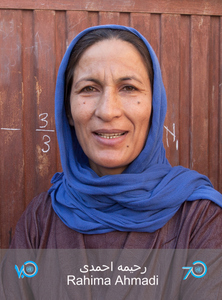
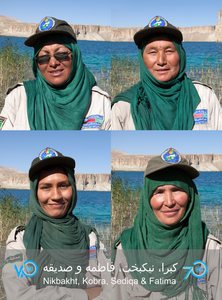
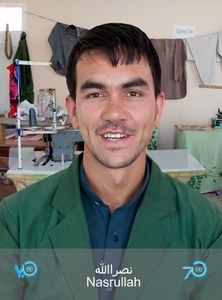
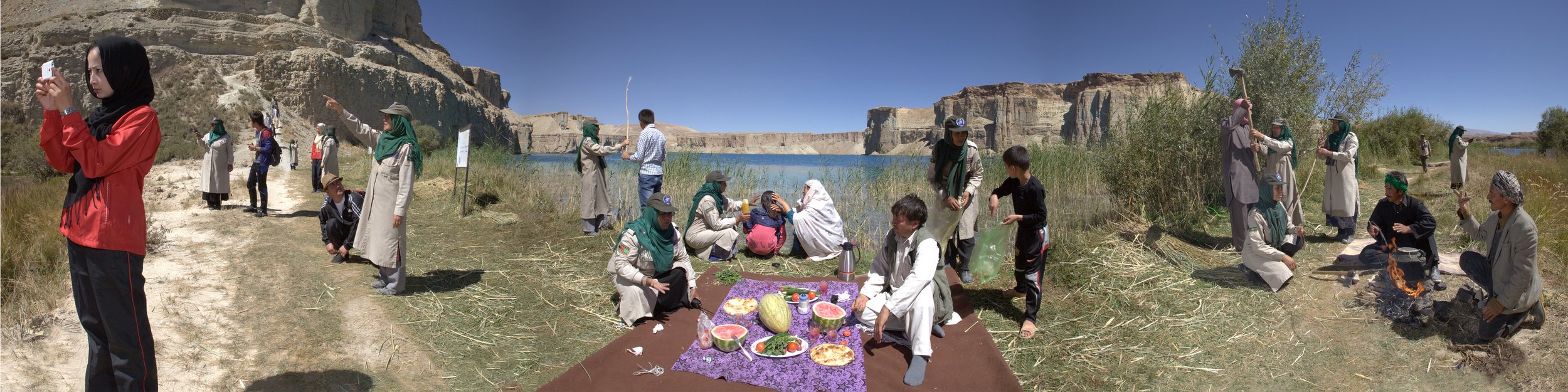
Afghan livestock vaccination campaigns have therefore been an important part of wider humanitarian and development work. UN-supported programmes have helped connect government veterinary authorities, international agencies, community animal health workers and livestock owners. The UN Afghanistan archive preserves the wider campaign context, including stories of Afghan people whose practical contributions strengthened their communities.
Why Animal Health Matters To Afghan Families
Afghanistan’s livestock economy operates across very different environments, from highland pastures and dry valleys to densely settled areas around major cities. Many rural households keep relatively small herds, so the loss of several animals can represent a serious financial setback. A disease outbreak can reduce fertility, milk production and weight gain before owners even recognise the cause.
Common livestock diseases can also affect trade and public health. Foot-and-mouth disease can move quickly between herds, while peste des petits ruminants, often called PPR, can be devastating among sheep and goats. Anthrax, brucellosis and other infections require careful surveillance, diagnosis and control. Vaccinating animals does not solve every veterinary problem, yet it can reduce preventable deaths and limit the movement of disease through villages, markets and migration routes.
The consequences are relevant to an Australian audience familiar with the economic value of animal health. Australian producers rely on biosecurity systems, property identification, veterinary advice and movement records to protect national herds and export access. In Afghanistan, formal systems may be harder to maintain because of distance, insecurity, limited laboratory capacity and the cost of reaching remote farms. A vaccination visit can therefore serve as both a preventive treatment and an opportunity to identify wider animal health risks.
How UN-Supplied Veterinary Services Work
UN-supplied veterinary services generally involve more than delivering boxes of vaccine. A functioning campaign needs disease planning, procurement, transport, cold storage, trained personnel, community communication and reliable records. Veterinary teams must determine which disease is being targeted, where infection is most likely, which animals should receive a dose and when follow-up vaccination is required.
The Afghan Ministry of Agriculture, Irrigation and Livestock and provincial veterinary structures have often been important partners in this work. International organisations and donors can provide technical expertise, vaccine supplies, equipment or funding, while local professionals and community-based workers carry out much of the direct engagement. This partnership matters because animal owners are more likely to accept a campaign when information comes through trusted local channels and services are adapted to seasonal herding patterns.
Community animal health workers are particularly valuable in areas where a government veterinarian cannot visit every settlement. They may provide basic treatment, recognise suspicious symptoms, keep vaccination registers and refer serious cases. Their role is practical rather than a replacement for qualified veterinary services. Strong programmes establish clear supervision, safe injection practices, referral pathways and communication about what a vaccine can and cannot protect against.
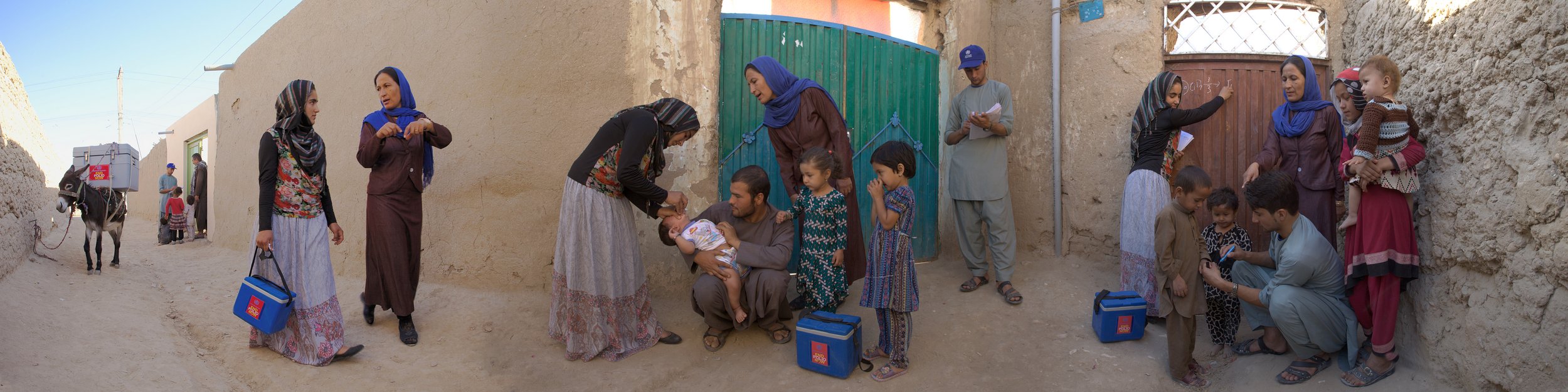
Cold-chain management is another essential element. Many veterinary vaccines must remain within a controlled temperature range from the supplier to the final vaccination point. Refrigeration, insulated carriers and careful handling become difficult when roads are long, electricity is unreliable or teams are travelling through rugged terrain. A campaign can appear successful on paper while losing effectiveness if storage conditions are not maintained.
Reaching Herds Across Difficult Terrain
Afghanistan’s geography makes the last kilometre of service delivery especially demanding. Herd owners may live far from district centres, move animals seasonally or gather livestock only at particular market days. Campaign teams need local maps, transport, safe access and a realistic understanding of when people are available. Timing vaccination around agricultural work, religious observance and seasonal migration can influence participation as much as the supply of vaccine itself.
Communication is equally important. Owners need to know why animals are being vaccinated, which species are included, whether repeat doses are needed and what minor reactions may occur. Information may be delivered through village elders, religious leaders, radio, agricultural officers and animal health workers. Clear messages can counter rumours, explain the value of vaccination and encourage owners to report sick animals rather than hide an outbreak.
Women can also have a significant role in animal care, particularly where they manage poultry, dairy animals or household goats. Cultural norms may affect who can enter a home compound or speak with a visiting team. Programmes that account for these realities can improve access by using female outreach workers, suitable consultation arrangements and communication methods that reach the people responsible for daily husbandry.
The market dimension is important too. Livestock often move through local markets before reaching larger trading centres. A vaccination programme that reaches isolated villages but ignores market routes may leave major gaps in disease control. Combining village-based services with surveillance at markets, advice to traders and movement awareness creates a more complete protective network.
Benefits Beyond A Single Dose
The immediate value of vaccination is a lower risk of disease, mortality and production loss. Healthy animals are more likely to provide milk, reproduce successfully and reach market weight. For a household with limited savings, preserving a breeding ewe, dairy cow or group of goats can protect future earning capacity as well as current food supplies.
Vaccination campaigns can also strengthen veterinary institutions. Each campaign generates experience in estimating animal populations, ordering supplies, organising field teams and recording coverage. Those capabilities can later support emergency responses to outbreaks, drought-related livestock stress and other animal health priorities. Training local workers helps retain knowledge in communities rather than concentrating all expertise in national or international offices.
The public health connection should not be overlooked. Some animal diseases can pass between animals and people, while unsafe handling of sick or dead livestock can increase risks. Veterinary officers who explain hygiene, isolation and reporting procedures help communities make safer decisions. Early detection also gives authorities more time to investigate unusual illness and limit further spread.
Results need to be measured carefully. The number of doses administered is useful, but it does not show whether the right animals were reached, whether the vaccine remained potent or whether disease incidence declined. Better monitoring combines vaccination records with field observations, laboratory confirmation where available, livestock owner feedback and follow-up surveys. Transparent data helps donors, agencies and Afghan authorities decide where future resources are most needed.
Lessons For Australia And Regional Cooperation
Australia has a sophisticated livestock health framework, yet its producers also understand that disease prevention depends on everyday participation. The National Livestock Identification System supports traceability for cattle, sheep and goats, while the Biosecurity Act 2015 provides a national legal framework for managing biosecurity risks. Australian producers are accustomed to property records, movement documentation, vaccination advice and reporting obligations because market access depends on confidence in the system.
The scale and conditions are different in Afghanistan, but the underlying principle is familiar: prevention is cheaper and less disruptive than responding after disease has spread. A sheep producer near Wagga Wagga, a cattle operator in Queensland and a goat keeper outside Kabul may face very different logistics, yet each benefits from early detection, trusted veterinary guidance and accurate animal movement information. In Australian cities such as Sydney and Melbourne, consumers may encounter these systems indirectly through supermarket supply chains, abattoir standards and food safety controls.
Australia’s seasonal conditions also offer a useful point of comparison. Drought, flood, heat stress and long transport distances can place pressure on animal health, even where infrastructure is strong. Afghanistan’s constraints are more severe in many locations, but both countries show why veterinary services must be planned around climate, geography and the realities of livestock owners’ routines.
Regional cooperation can extend these lessons. Training in vaccine handling, disease surveillance, laboratory methods and community engagement can support neighbouring countries facing similar transboundary risks. International assistance works best when it strengthens national institutions and local expertise, rather than creating a parallel system that disappears when a project ends.
| Area | Afghanistan-focused campaigns | Australian comparison |
|---|---|---|
| Main delivery challenge | Remote settlements, seasonal movement, insecurity and limited infrastructure | Large distances, drought, flood, heat and dispersed properties |
| Core partners | Government veterinary services, UN agencies, donors and community animal health workers | State and federal authorities, private veterinarians, producers and industry bodies |
| Key disease-control tools | Vaccination, field surveillance, owner education and outbreak reporting | Vaccination, traceability, movement controls, surveillance and regulated reporting |
| Cold-chain needs | Insulated transport and dependable storage across difficult routes | Established veterinary supply chains with strict handling requirements |
| Wider benefit | Protecting household income, food supplies and rural resilience | Protecting production, public confidence, domestic supply and export markets |
| Long-term priority | Building local veterinary capacity and dependable monitoring | Maintaining biosecurity compliance and rapid response capability |
Afghan livestock vaccination campaigns show how a targeted veterinary service can support livelihoods, food security and community resilience at the same time. The strongest programmes combine reliable vaccines with local knowledge, trained personnel, responsible data collection and respect for the people who care for animals every day.
Readers in Australia can explore the archived UN Afghanistan material to understand how international support was connected to Afghan leadership and community action. Sharing accurate information about animal health, supporting responsible biosecurity and recognising the value of veterinary workers are practical ways to keep that wider lesson relevant.