
Making a Difference
Afghan Legal Identity And The Drive For Birth Certificates And Tazkeras
Legal identity is a practical foundation for participation in public life. In Afghanistan, a birth certificate can establish a child’s age, parentage and place of birth, while a tazkera—an Afghan national identity document—helps an individual access education, healthcare, employment, travel and public services. Without these records, families can face barriers that affect several generations. Learn more about Spisok Kandidatov Dopushchennykh K Raspredeleniyu Deputat Skikh Mandatov 15b5.
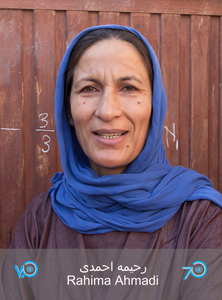
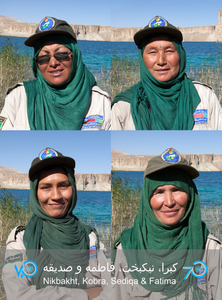
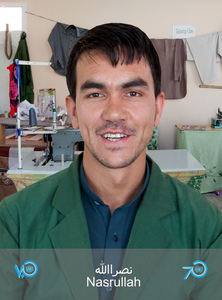
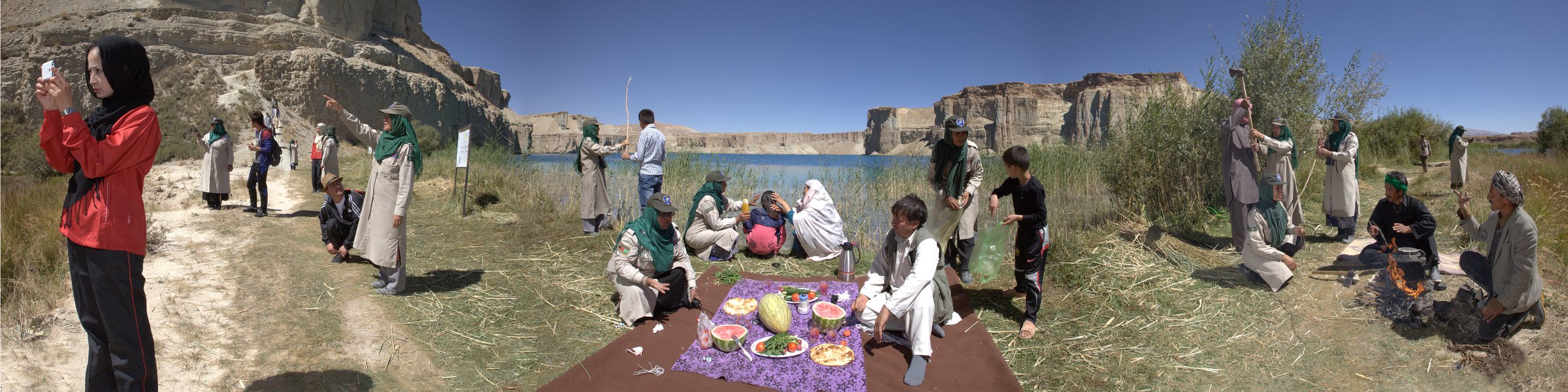
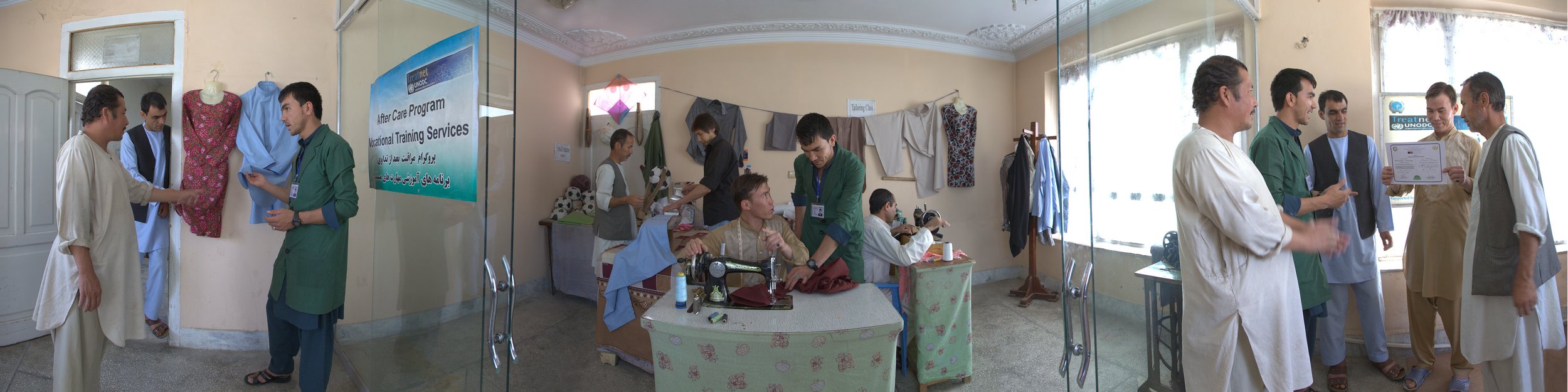
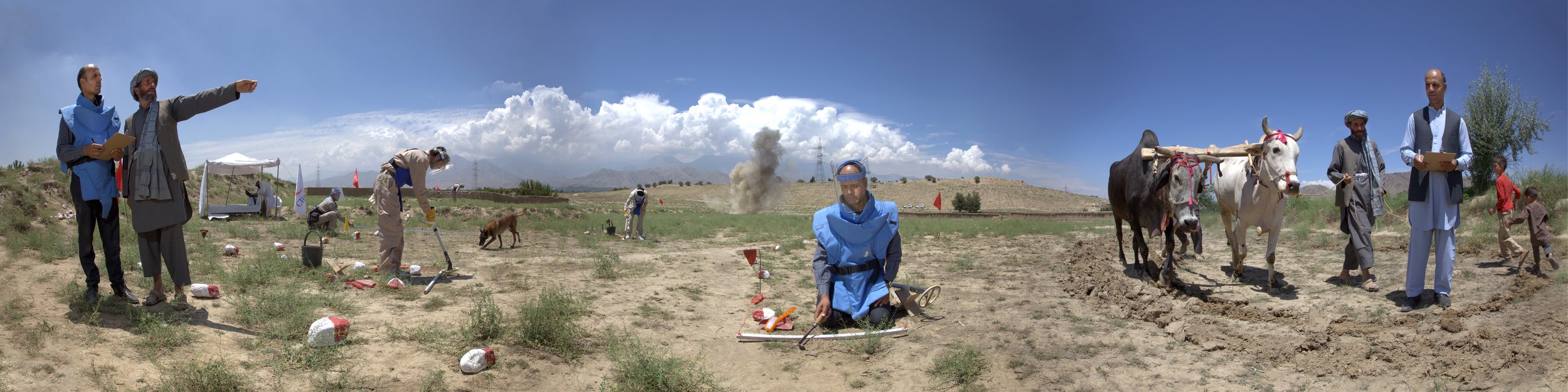
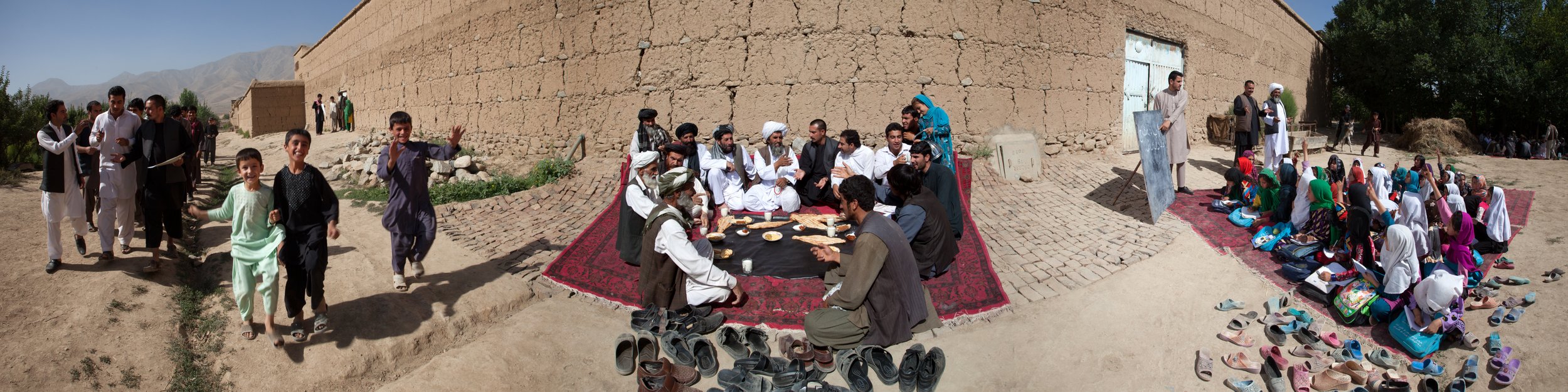
The United Nations has long supported efforts to strengthen civil registration and identity documentation in Afghanistan. The UN70 campaign, remembered through the archived “Strong UN. Strong Afghanistan.” website, presented Afghan people and communities whose daily contributions shaped the country’s future. A document drive for birth certificates and tazkeras fits within that wider purpose: giving people the proof they need to claim rights, use services and be recognised by institutions.
Why Legal Identity Matters In Afghanistan
A birth certificate is usually the first official record in a person’s life. It can record a child’s name, date of birth, sex, parents and place of birth. That information may later support school enrolment, a tazkera application, family reunification, inheritance claims and access to humanitarian assistance. When a birth is never registered, correcting the record years later can become complicated and expensive.
The tazkera serves a broader identity function. It may be requested when someone seeks formal work, applies for a passport, registers property or deals with government offices. For women, children, displaced people and families living in remote provinces, obtaining a document may involve travel, fees, missing records or the need to navigate unfamiliar procedures.
Legal identity also supports better public planning. Reliable population information helps authorities and aid agencies estimate how many children need vaccination, how many students require classrooms and where displaced households need support. A document drive therefore has an individual purpose and a community-wide benefit.
How A Document Drive Can Reach Families
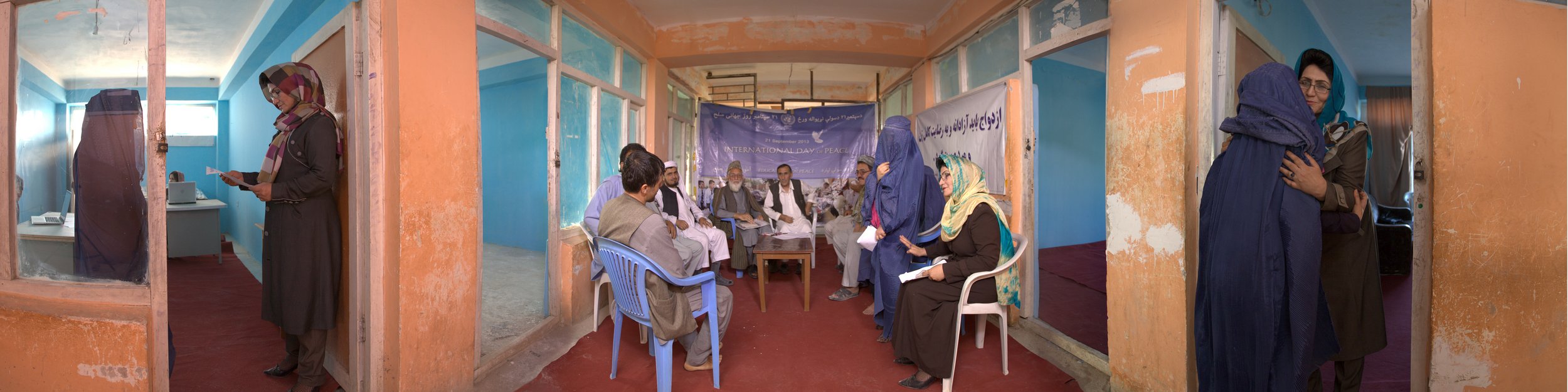
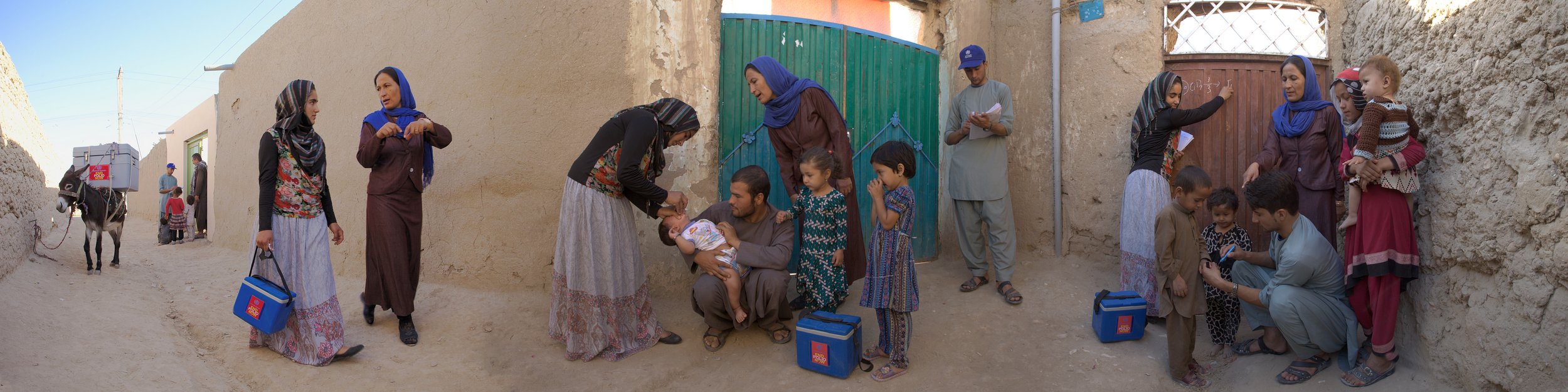
A successful campaign needs to bring services closer to people rather than expecting every household to travel to a central office. Mobile registration teams can visit villages, displacement sites, schools, health centres and areas affected by conflict or natural disasters. Local elders, women’s groups, teachers and health workers can help explain the process and identify households that have been missed.
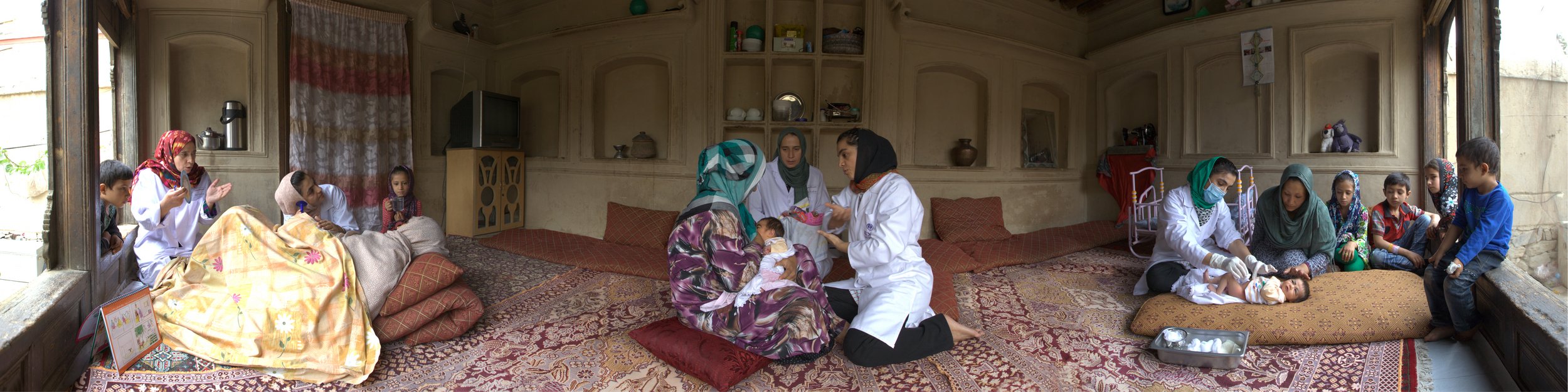
Birth registration is often easiest when linked to another service. A midwife, clinic or vaccination team may provide information about registration soon after delivery. Schools can help families understand why a birth record matters before enrolment becomes urgent. Humanitarian distributions can include clear, voluntary referrals to civil registration offices without making food, shelter or medical assistance conditional on documentation.
Trust is essential. Families need to know which documents are required, whether a fee applies, how their information will be protected and how long processing will take. Staff should communicate in local languages and provide an accessible complaints pathway. Women and people with disabilities may require private assistance, transport support or female staff to participate safely.
Protecting Women Children And Displaced People
Documentation gaps are rarely distributed evenly. Children born at home, people displaced by fighting or drought, nomadic communities and households in remote districts may have fewer opportunities to register. Women can face additional obstacles if procedures rely on male relatives, require travel without safe transport or fail to recognise the realities of widowed, separated or female-headed households.
A child’s identity should be recorded without discrimination. The process must avoid penalising families because parents lack documents, because a birth occurred outside a hospital or because a child was born during displacement. Clear rules for late registration, replacement documents and corrections can prevent small administrative problems from becoming permanent exclusions.
Privacy and safeguarding must be built into every stage. Identity information can expose people to fraud, stigma, family disputes or security risks if it is copied or shared carelessly. Registration officers should collect only necessary information, store records securely and explain who may access them. Community outreach should never publish personal details in public lists or use a person’s documentation status to shame them.
Birth Certificates And Tazkeras In Practice
A household may need different records for different purposes. A birth certificate generally verifies the event and details of birth, whereas a tazkera establishes a person’s identity within the national administrative system. The two documents can support each other, but one should not automatically be treated as a substitute for the other.
Families should keep original documents in a dry, secure place and store photocopies separately. A trusted relative may hold a copy in another location, particularly where flooding, fire or displacement is a risk. People should avoid handing over originals to unofficial intermediaries and should request a receipt whenever documents are submitted to an office.
The most useful outreach materials are simple and specific. They can explain where to apply, which documents may be accepted, whether late registration is possible, how to report a lost tazkera and how to identify authorised staff. Information should be available through radio, community meetings, schools, mosques, clinics and women’s networks rather than relying only on internet access.
Practical reminders for households include:
- Record every child’s full name, date and place of birth accurately.
- Ask for a receipt when submitting an application or supporting document.
- Keep copies separate from original birth records and tazkeras.
- Use official offices or recognised registration teams where possible.
Lessons For An Australian Audience
Australia offers a useful comparison, although its system is organised differently. Births are registered through the relevant state or territory authority, such as Births, Deaths and Marriages in New South Wales, Victoria or Queensland. A birth certificate is commonly used to prove identity for a passport, school enrolment or other formal purpose, while a driver licence or proof-of-age card may be used for everyday identification.
An Australian family might order a certificate online, manage services through myGov, visit a Service NSW centre in Sydney or a Births, Deaths and Marriages office in Melbourne, and keep a digital scan in a secure password manager. These habits reflect reliable infrastructure and regular internet access, conditions that cannot be assumed in every Afghan district. In Afghanistan, a mobile team travelling to a rural community may be the only realistic route to registration.
Australian legislation also shows why identity systems require careful safeguards. The Privacy Act 1988 regulates the handling of personal information by many organisations, while state and territory laws govern birth registration and access to official records. People in Australia are accustomed to showing identification when opening a bank account, applying for a rental property or collecting a parcel, yet they may still have alternatives when one document is unavailable. For an Afghan family without a birth record or tazkera, the consequences can be far more serious.
Local market practices make the contrast visible. Australians often use tap-and-go payments, online banking and supermarket loyalty accounts that depend on accurate personal details. In Afghanistan, cash transactions, informal work and limited connectivity can reduce the paper trail that institutions use to confirm identity. Any document campaign must therefore work with real household routines, not assume that every person has a stable address, smartphone or transport to a government office.
Building Trust Through Clear Public Information
Public communication can make a registration campaign more credible. People need consistent messages from government offices, UN agencies, civil society organisations and community leaders. Posters and radio announcements should use the same terminology for birth certificates, tazkeras, application steps and fees. Where procedures change, the update should be announced quickly through channels that communities already use.
Digital information can help, but it must be verified. A family should be directed to an official office or recognised partner instead of being told to pay an unknown broker through a social media message. The broader civic principle is simple: people deserve clear, checkable information about public institutions, whether they are reviewing a published candidate list or checking where identity documents can be obtained.
The UN70 archive provides a useful reminder that institutions are strongest when their work is connected to people’s lived experiences. Stories about Afghan teachers, health workers, community organisers and families can show why documentation matters without reducing people to statistics. A campaign should protect dignity, include local voices and report progress honestly, including delays or districts that remain unreached.
A practical monitoring system can track applications received, documents issued, processing times, rejected cases and complaints resolved. Those figures should be broken down carefully by province, sex, age and displacement status while protecting personal privacy. Independent review can identify whether the campaign is reaching people who were previously excluded rather than simply serving households already close to administrative centres.
Turning Documentation Into Opportunity
A legal identity document has value when institutions accept it and people can use it without discrimination. Registration should connect with schools, health facilities, social assistance, employment services, banking and justice mechanisms. A tazkera alone cannot remove poverty or insecurity, but it can reduce one administrative barrier between a person and an available service.
Children benefit when identity records are created early. Registration can support school admission, age-appropriate health care and protection from early marriage, trafficking or unlawful recruitment. For adults, documentation may assist with employment, property claims, travel and participation in local decision-making. The benefits become stronger when agencies coordinate their procedures instead of asking families to repeat the same information many times.
Communities also need a path to correct mistakes. A misspelled name, an incorrect date or a lost document should not permanently undermine a person’s identity. Accessible appeals, replacement procedures and legal aid can help people resolve problems without relying on exploitative intermediaries. Special attention is needed for people whose names, family circumstances or places of origin have changed through displacement.
The campaign’s lasting measure is therefore broader than the number of cards printed. It is whether children are registered, whether women can obtain documents independently, whether displaced families can replace lost records and whether government services treat documentation fairly. Those outcomes require sustained investment, trained personnel and cooperation among Afghan authorities, UN partners and communities.
Important safeguards for a durable system include:
- Use mobile teams and local partners in remote and displacement-affected areas.
- Publish fees, processing times and complaint channels in accessible languages.
- Train staff in privacy, inclusion, disability access and gender-sensitive service.
- Review data regularly to find communities that remain outside the system.
A birth certificate or tazkera can be a small paper document, but its effect reaches far beyond a government counter. It can help a child enter school, help a family access assistance and help an adult participate in economic and civic life. Supporting accurate, safe and inclusive registration is a practical way to strengthen Afghanistan’s social fabric and the public institutions that serve it.
Readers can support this work by sharing verified information, backing responsible humanitarian and civil registration programmes, and treating identity documents as a matter of rights and dignity. The archived UN Afghanistan campaign remains a reminder that a stronger country is built through the everyday recognition and participation of its people.