
Making a Difference

Afghan land rights awareness: UN workshops on property documentation
Land is more than an asset in Afghanistan. It provides shelter, sustains livelihoods, carries family histories and shapes where communities can rebuild after displacement. Land rights awareness helps people understand what they own, how evidence of ownership works, and where to seek help when a claim is disputed. UN workshops on property documentation turn complex legal and administrative processes into information that communities can use in daily life.
Afghanistan’s land landscape is shaped by formal records, customary tenure, family arrangements and locally recognised documents. Conflict and displacement have separated many people from their property and the paperwork proving their interests. Missing civil records, distant registration offices, security concerns and unclear procedures can make formal ownership difficult to establish. Women may face additional barriers when claiming land, registering inheritance or recovering property after the loss of a male relative.
For readers in Australia, the subject offers a chance to compare systems without assuming they are identical. Familiar processes involving home titles, councils and property checks provide a reference point, while Afghan experiences show why legal certainty must also account for displacement, community justice and women’s equal rights. The central lesson is that documentation works best when people can access it, challenge errors and use it with confidence.
Why land documentation matters
A property claim becomes defensible when it can be explained, verified and connected to the person making it. Documents create an accountable record for purchases, inheritance, leasing and long-term use. They also help communities distinguish a registered interest from a verbal promise, reducing the risk that land is occupied, sold or transferred more than once.
Secure rights to land, housing and property support more than household security. They can improve access to credit, protect inheritance and reduce costly disputes. Clear evidence also gives families a stronger position when dealing with local authorities, courts, prospective buyers or aid programmes. For people returning to former homes, this security can be essential to rebuilding a livelihood.
Documentation alone cannot guarantee justice. An inaccurate register can exclude legitimate owners, while a certificate cannot legitimise a transaction obtained through coercion. Land awareness must therefore cover how records are created, how mistakes can be corrected and how impartial dispute resolution works. The goal is not simply more paperwork, but reliable evidence that supports fair treatment.
What UN property workshops explain
UN-supported workshops help participants understand the relationship between official records and the land they use. Sessions may explain deeds, inheritance documents, survey information, certificates of possession and locally accepted evidence. Local legal specialists, public officials and civil-society organisations can then show where each document fits within the wider system of land administration and justice.
The process often involves several linked records. A cadastral map identifies boundaries, while an administrative file may connect a parcel to its registered holder. Civil registration records can support claims involving birth, marriage or death, and inheritance may require evidence beyond the land file itself. Workshops become more useful when they explain this chain clearly rather than presenting one document as the sole answer.
Legal diversity makes a one-size-fits-all approach unsuitable. Urban households may hold formal title, while rural communities, pastoralists and families using land under customary arrangements may depend on different forms of evidence. Sessions should not suggest that one route is always superior. Their value lies in explaining available options, known limitations and the institutions that can help each claimant pursue a recognised interest.
Making documentation inclusive and secure
Identity is the foundation of many property claims. When birth certificates, marriage records or death certificates are unavailable, people may struggle to prove who they are or how land passed between generations. A person can possess evidence of possession yet remain unable to complete an inheritance or sale because another required record is missing. Workshops should identify these gaps without making participants disclose sensitive personal information publicly.
Customary rights deserve careful explanation. Oral agreements and community-accepted tenure can provide genuine security, yet some practices may exclude women or people without influential family backing. Facilitators should distinguish legitimate local authority from discriminatory exclusion and make space for women to describe their own land use and inheritance claims. Customary arrangements are neither automatically invalid nor automatically fair.
Secure recordkeeping must also address privacy and safety. Digital registration may reduce repeated visits and lost files, but it can expose information about land, family networks or political activity. Sensitive records require clear consent, restricted access and reliable safeguards against misuse. A secure system should offer assisted alternatives for people who cannot read, travel, use digital devices or attend a formal office.
Lessons from Australian property systems
Australian property markets show how much can depend on reliable public records. In Sydney, auction-style sales and strata apartments make title registers, survey plans and body-corporation rules central to everyday property decisions. Melbourne’s townhouse and apartment market adds owners-corporation levies to council rates and insurance obligations. In Brisbane, flood overlays and climate-risk information increasingly shape buyer due diligence. Across Australia, purchasers commonly rely on licensed conveyancers, state land registries and council rates notices rather than an informal family assurance alone.
These comparisons are useful only with care. Native Title and Indigenous Land Use Agreements recognise Aboriginal and Torres Strait Islander interests under Australian law and are not simply variants of a standard freehold title. They show why accurately defining rights matters. Consular services offer another comparative lens: the Ecuadorian Embassy in Spain provides a public example of the civil-status guidance citizens may need when managing records from overseas. It does not govern Afghan land rights, but it underscores why identity records and authentication procedures matter wherever people live.
Designing workshops around community trust
Effective awareness sessions begin with safety and relevance. Participants need to ask questions without fear of embarrassment, retaliation or unwanted publicity. Trusted local facilitators, careful use of real examples and a clear explanation of confidentiality can make difficult subjects easier to discuss. Public workshops should generally use simulated documents rather than collect original identity papers or title records.
Practical exercises help knowledge survive beyond the event. Participants might examine a sample deed, identify the parties named in a map, trace the documents required for inheritance or compare a formal sale agreement with an informal assurance. Facilitators can also explain how to report an error, request a correction and locate legal assistance. These tasks connect abstract rights with steps someone can take in their own district.
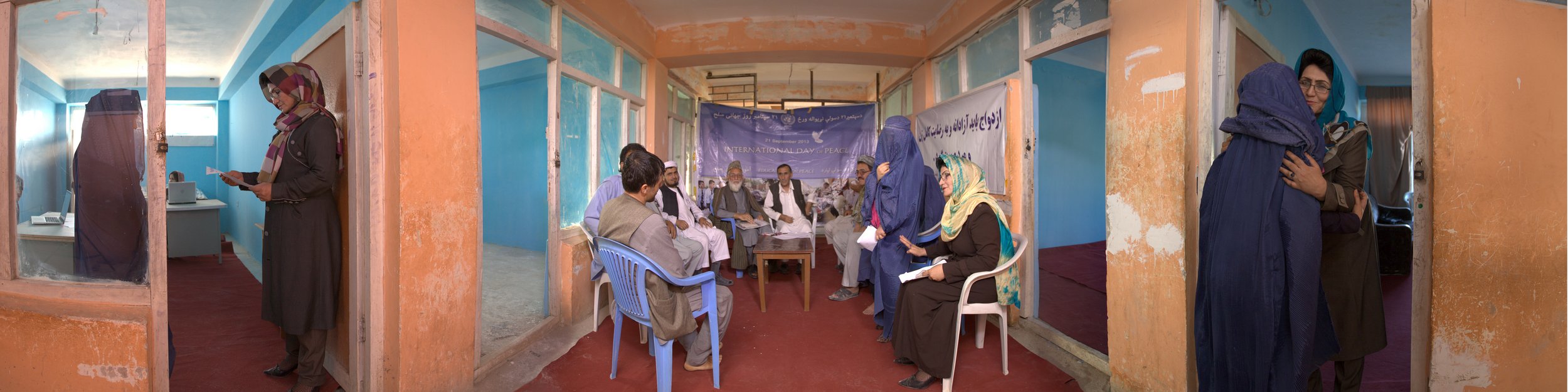
Inclusive design requires attention to who can attend and speak. Separate discussions for women can provide room to raise inheritance, safety and household decision-making without pressure from relatives or elders. Mobile sessions, transport support, accessible venues and appropriate interpretation can bring remote communities into the process. Returnees, displaced households, tenants, pastoralists and people with disabilities should not be treated as peripheral groups.
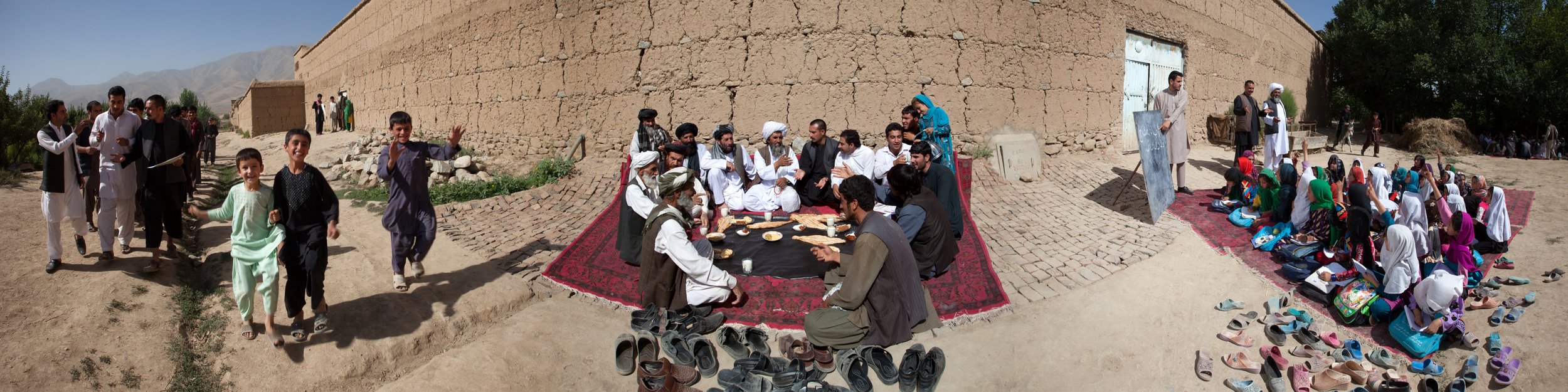
Communication should continue after the workshop closes. The archived UN Afghanistan resources preserve the former Strong UN. Strong Afghanistan campaign, including Afghan voices, photographs and messages that demonstrate the value of locally led communication. As an archive rather than an active campaign site, it provides useful context, while participants still need current referral information from authorised Afghan institutions.
Practical recommendations for durable land security
The strongest model leaves behind capable local institutions, accessible information and dependable referral pathways. It also respects existing community knowledge while making room for rights-based safeguards. Recommendations for the workshops should address both immediate learning and the conditions that allow land claims to remain secure.
- Publish plain-language guides in Dari, Pashto and other commonly used languages, explaining the purpose of each record, who can access it and which authorities can assist with corrections.
- Create local referral maps connecting participants with land offices, civil registration services, legal aid providers, mediation initiatives and recognised human-rights organisations.
- Require informed consent and strict controls whenever identity, cadastral or inheritance information is collected, with special safeguards for records that could expose a claimant to harm.
- Track practical outcomes such as successful record checks, corrected errors and referrals completed, rather than judging success only by attendance numbers or speeches delivered.
Recommendations should be shaped with Afghan communities rather than imposed from outside. Local organisations can identify which barriers are most urgent, which institutions remain accessible and which messages people trust. Monitoring should then test whether participants can obtain, correct and use documentation in ordinary life. Continuity of funding matters because one-off events cannot replace trained local staff, maintained registries and repeatable legal support.
Turning awareness into action
Land documentation becomes meaningful when people can use it confidently and institutions respond fairly. A workshop should help participants secure reliable evidence, understand the limits of that evidence and find an appropriate route when a claim is challenged. Those without access to formal services also need accountable alternatives that recognise legitimate community arrangements without allowing discrimination to pass unexamined.
Support Afghan communities by sharing verified information, backing locally led legal assistance and promoting documentation that strengthens people’s security rather than creating new barriers. Preserve the knowledge carried by Afghan women, elders, legal professionals and local leaders, and help ensure that land records remain accurate, accessible and useful for the next generation.