
Making a Difference


Afghan Flood Control Canals And The Strength Of Local Infrastructure
Afghanistan’s rivers and seasonal streams support farming, drinking water and livestock, yet they can also become destructive with little warning. Intense rain, rapid snowmelt and blocked waterways can send torrents through villages, damaging homes, roads, fields and irrigation systems. In this setting, a flood control canal is more than a concrete channel: it is part of a wider system for managing water, protecting land and sustaining livelihoods.
The United Nations has worked with Afghan communities and public institutions on water management, disaster risk reduction and rural recovery. In many projects, the UN’s contribution has involved technical assessment, engineering advice, funding, procurement, training and coordination. Local authorities and residents remain essential to choosing routes, supplying labour, maintaining structures and ensuring that a canal serves the landscape rather than cutting across it.
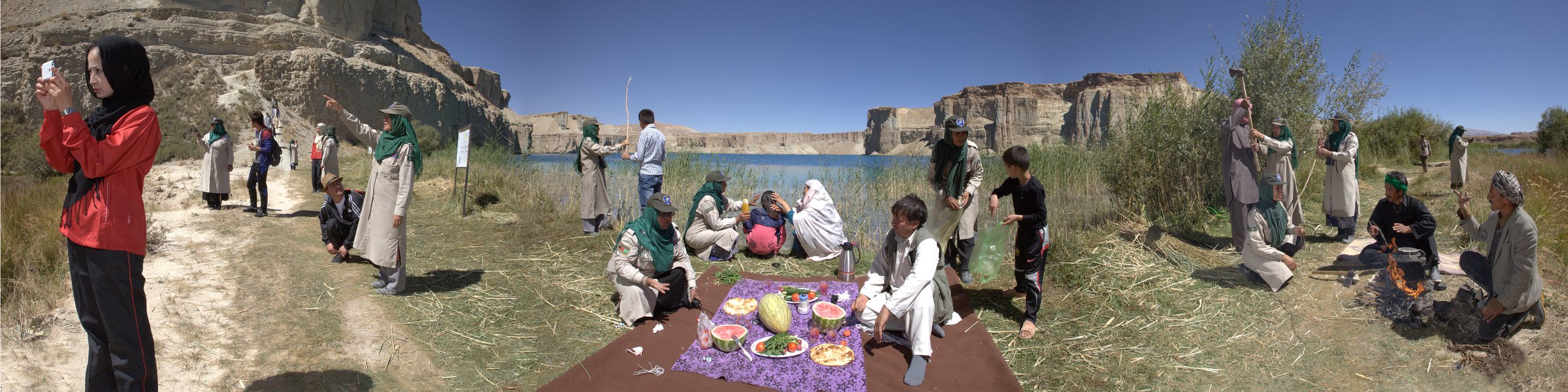
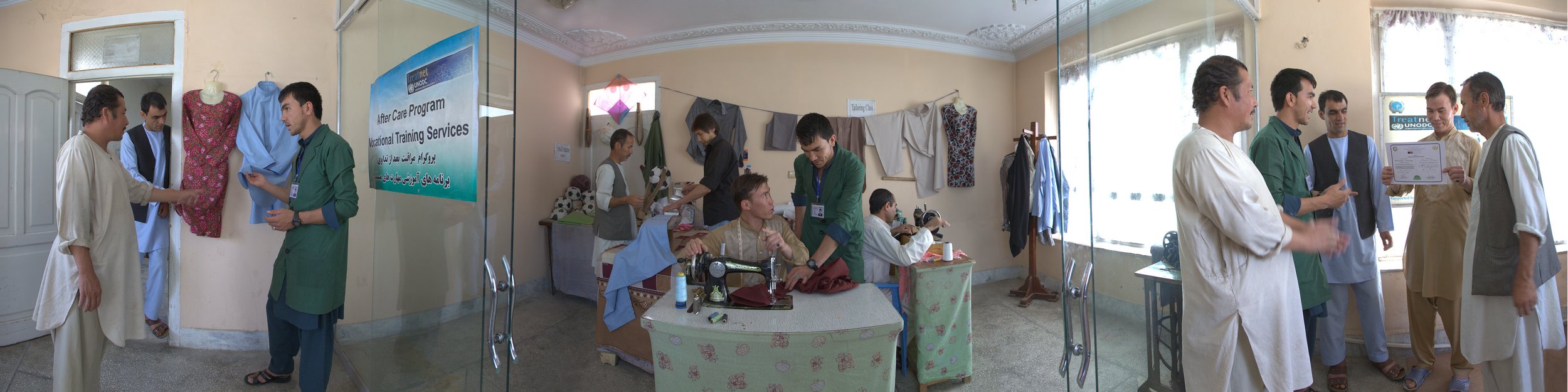
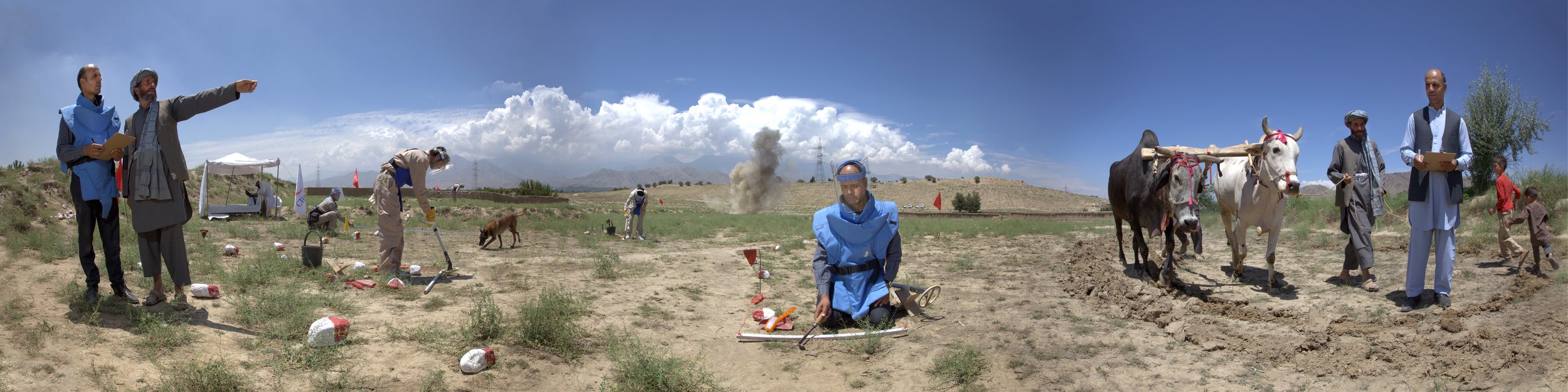
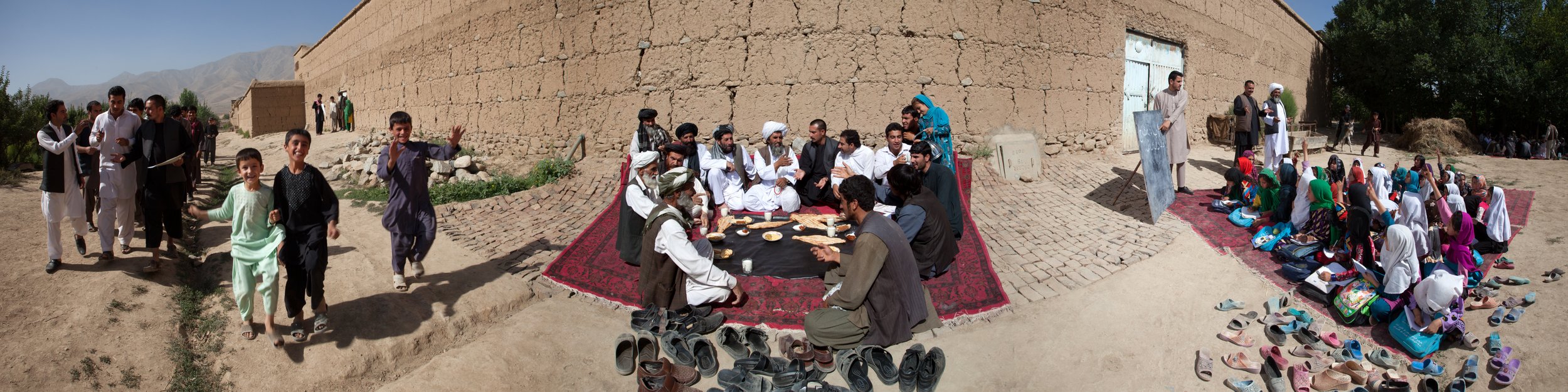
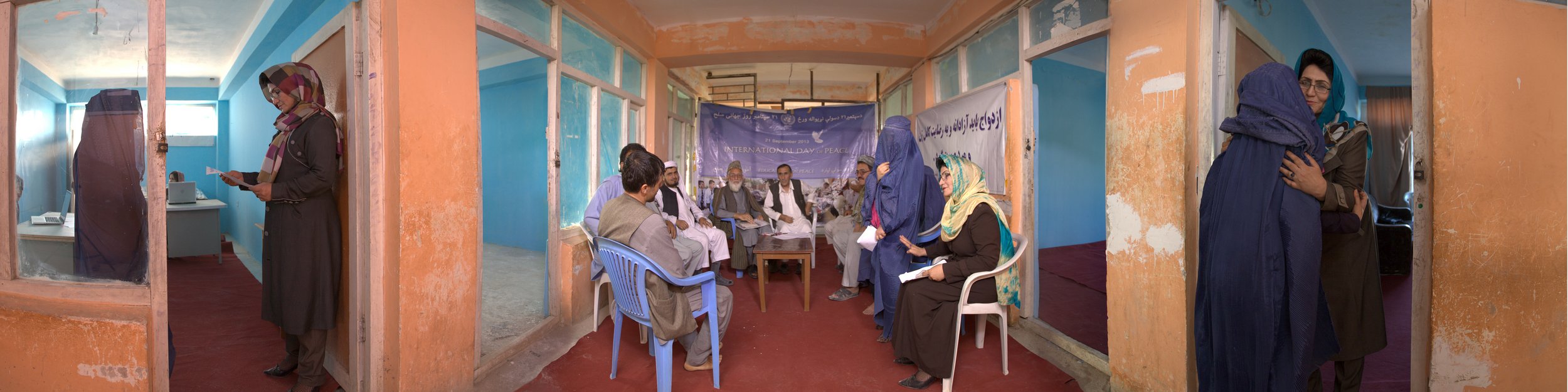
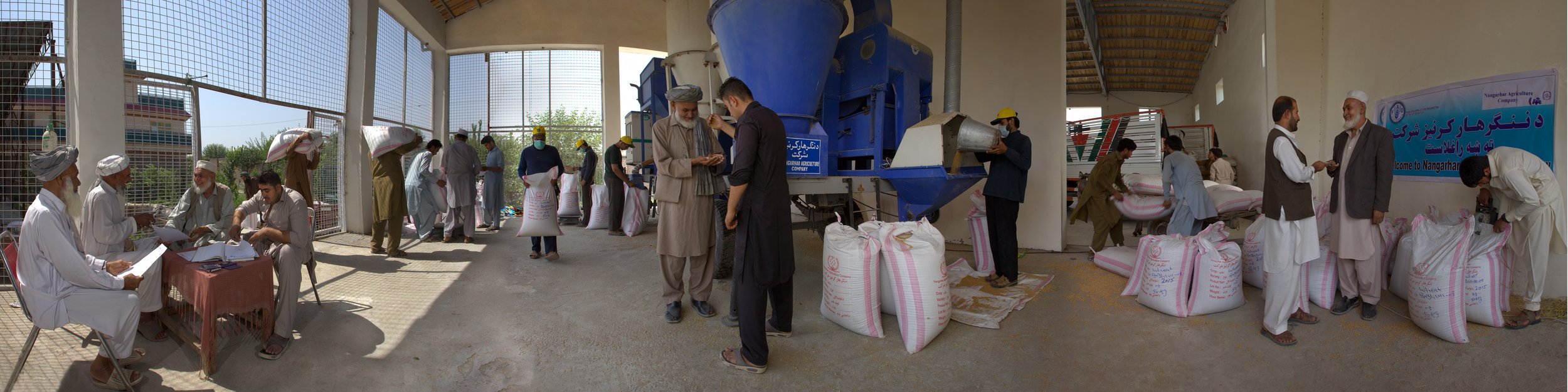
The UN70 “Strong UN. Strong Afghanistan.” campaign presented Afghan people as active contributors to their country’s future. That perspective matters when considering infrastructure. A flood protection project is most effective when it is understood as a partnership with farmers, village committees, engineers, district officials and humanitarian organisations. The physical canal may be the visible result, but local knowledge often determines whether it works.
For an Australian audience, the subject has familiar points of comparison. Brisbane residents remember how quickly floodwater can rise after intense rainfall, while communities around the Murray-Darling Basin manage competing demands for irrigation, environmental flows and town water. Australia’s water projects also operate within legislation, environmental assessment and public consultation. These parallels help explain why Afghan flood control requires sound engineering alongside governance, maintenance and community trust.
Why Flood Canals Matter In Afghanistan
Afghanistan’s terrain creates sharply different water risks. Mountain valleys can receive fast-moving runoff, while low-lying plains may experience prolonged inundation after rivers overflow. Many settlements depend on irrigation channels that were built for agricultural use and were never designed to withstand major flood events. When sediment, rubbish or collapsed banks obstruct those channels, water may change course and enter homes or cultivated areas.
Flood control canals can redirect excess water away from densely settled places, distribute flows across safer areas or connect waterways with retention basins. Their design may include embankments, culverts, spillways, diversion gates and protected outlets. A well-planned system aims to slow water and reduce damage rather than simply move the hazard downstream.
The benefits extend beyond emergency protection. Farmers may regain usable land, roads may remain open for markets and health services, and communities can reduce repeated repair costs. In a country where households often have limited savings and access to insurance, preventing the loss of a harvest or a home can have a major social effect.
How UN Technical Support Becomes Local Infrastructure
A project described as UN-designed flood control should be understood carefully. UN agencies may provide hydrological surveys, flood mapping, engineering standards, project management and financial support, while Afghan engineers, authorities and community members shape the final solution. The UN often works through government departments, national organisations and implementing partners rather than acting as a standalone construction authority.
The first stage is usually risk assessment. Specialists examine rainfall patterns, river behaviour, ground levels, soil conditions, existing irrigation works and the location of homes, schools, roads and farmland. Satellite imagery can help identify flood paths, but field inspections are needed to verify local changes. Residents may know which bridge blocks during heavy rain, where a river has shifted, or which embankment has failed in previous seasons.
Design then has to balance competing needs. A channel that protects one settlement could increase risk for another if its outlet is poorly placed. A raised bank may safeguard fields but restrict access to water or roads. Engineering drawings therefore need to be tested through local consultation, land access agreements and environmental review. The best projects combine technical evidence with practical knowledge held by the people who live beside the water.
Building Canals For Real Flood Conditions
A canal’s dimensions must match the catchment it serves. Engineers consider the expected volume, speed and frequency of floodwater, including the possibility that a rare storm will exceed ordinary design assumptions. In Afghanistan, uncertainty can be high because rainfall records are limited in some regions and climate patterns are changing. Designs need safety margins and clear overflow routes so that failure does not turn a protective structure into a larger hazard.
Materials and construction methods also affect performance. Stone pitching, gabions, concrete lining and compacted earth each have a place, depending on local soil, water velocity and available skills. Concrete can resist erosion but may be expensive and vulnerable if foundations shift. Earthen embankments may be easier to repair but require careful compaction, vegetation control and protection from overtopping.
Maintenance is part of the design, not an afterthought. Sediment must be removed, gates checked and damaged sections repaired before the wet season. Access tracks allow inspection teams to reach the canal, while marked spillways give excess water a controlled path. Community maintenance groups can report cracks, illegal dumping and blocked culverts early, reducing the chance that a small defect becomes a major breach.
| Feature | Afghan flood control setting | Comparable Australian consideration |
|---|---|---|
| Main water threat | Flash floods, river overflow, snowmelt and sediment | River floods, intense storms, coastal inundation and stormwater surges |
| Typical infrastructure | Diversion canals, embankments, spillways, gabions and irrigation channels | Levees, detention basins, drainage channels, wetlands and floodways |
| Key design issue | Limited data, shifting channels and difficult access | Development controls, engineering standards and climate risk |
| Local participation | Village committees, farmers and district authorities | Councils, Traditional Owners, residents and catchment groups |
| Ongoing requirement | Clearing silt, repairing banks and managing gates | Asset inspections, vegetation control and emergency maintenance |
| Governance context | Humanitarian coordination and local public institutions | State and territory rules, planning law and the Water Act 2007 |
Community Ownership And Everyday Safety
Infrastructure lasts longer when people understand its purpose and have a role in managing it. Afghan canal projects can involve water user groups, elders, women’s representatives, farmers and local officials. These groups may help agree on land use, organise cleaning days, identify vulnerable households and communicate warnings before heavy rainfall. Their participation can also reduce disputes over water distribution and access routes.
Flood protection must include more than the channel itself. Warning systems, evacuation routes, safe public buildings and emergency drills help communities act before water arrives. A canal may reduce the depth or speed of flooding, but it cannot eliminate risk. Homes built directly on floodplains, bridges that create bottlenecks and roads that cut across natural drainage can still create dangerous conditions.
Australian practice offers a useful comparison. In Brisbane and other Queensland communities, residents are familiar with flood warnings, sandbag stations and advice from the State Emergency Service. Australians also see how household habits affect drainage: keeping gutters clear, avoiding rubbish in stormwater channels and checking local flood maps can support wider protection. In Afghanistan, comparable measures must be adapted to local resources, literacy levels, communication networks and seasonal routines.
Environmental And Legal Considerations
A canal changes the movement of water, sediment and nutrients. If it is built without environmental assessment, it may damage wetlands, reduce downstream flows, erode riverbanks or disrupt groundwater recharge. It may also affect grazing areas, agricultural plots and habitats used by birds and aquatic species. Good planning looks at the full catchment instead of treating the construction site as an isolated strip of land.
Projects must also consider land rights and compensation. A canal route can cross fields, compounds, roads or communal areas. Transparent consultation helps establish who may be affected and how access will be restored. Written agreements, grievance procedures and independent monitoring are especially important where households have limited legal or financial capacity to challenge decisions.
The Australian context demonstrates how formal rules shape water infrastructure. The Environment Protection and Biodiversity Conservation Act 1999 can apply when nationally significant environmental matters are involved, while the Water Act 2007 governs important aspects of the Murray-Darling Basin. State planning systems, local council approvals and environmental licences may also be required. Afghanistan’s legal and administrative arrangements differ, but the underlying lesson is shared: flood works need accountable decisions, clear responsibilities and protection for people and ecosystems.
Measuring Success Beyond The Canal
A completed canal is easy to photograph, but its real value appears during the next major rainfall. Monitoring should examine whether water follows the intended route, whether homes and fields remain safer, and whether erosion develops at bends, outlets or crossings. Measurements can include flooded hectares, damaged assets, travel interruptions, crop losses and the time required to restore services.
Success also depends on household resilience. If a canal prevents floodwater from reaching a village but a damaged road still isolates it from markets, the community remains vulnerable. Linking flood control with bridges, roads, irrigation, drinking water and early warning systems can produce stronger results. Small improvements at several points may protect livelihoods more effectively than a single large structure.
Funding arrangements should reflect this long-term view. Emergency grants can build a canal quickly, but routine maintenance needs reliable local budgets, trained personnel and accessible tools. Local construction firms may provide useful employment and practical knowledge, while transparent procurement helps ensure that materials meet agreed standards. This is where the local market matters in both Afghanistan and Australia: durable infrastructure depends on skilled labour, dependable suppliers and contracts that reward quality rather than speed alone.
The archived UN70 campaign provides a useful way to view these efforts. Its emphasis on Afghan contributions places infrastructure within a broader story of partnership. Engineers, farmers, municipal workers, community organisers and young people all influence whether a flood protection measure becomes a functioning public asset. International support is most valuable when it strengthens those local capabilities and leaves behind knowledge that can be applied to the next hazard.
Afghan flood control canals show how practical engineering can support safety, agriculture and community confidence. Their success depends on accurate assessment, suitable materials, environmental care, public accountability and regular maintenance. For Australian readers, the comparison with Brisbane flood management, Murray-Darling water governance and local emergency practice makes the principle clear: water infrastructure works best when design, law and everyday responsibility operate together.
Support informed attention to community-led infrastructure and responsible water management by following UN Afghanistan’s archived campaign stories, photographs and official media resources. Sharing these accounts helps recognise Afghan expertise and keeps the wider conversation focused on resilient communities rather than projects viewed in isolation.