
Making a Difference
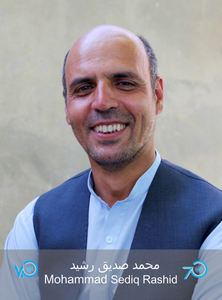
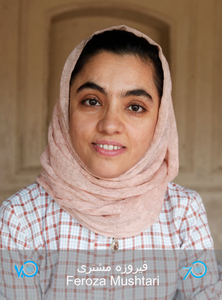

Afghan horticulture nurseries: UN-supported seedlings for farmers
An archived feature from the UN70 “Strong UN. Strong Afghanistan.” campaign highlights Afghan horticulture nurseries as local partners in food security. The approach connects UN-supported seedling distribution with nursery production and advice after planting. Public support reaches farmers through growers and nursery workers who already understand local soils, water supplies, varieties and market needs, making the work grounded in the communities it is designed to serve.
Horticulture can supply fruit, vegetables, tree crops and household income while adding variety to diets. Yet a farmer who receives a weak plant may still lose a season to drought, disease or poor establishment. Nurseries therefore carry responsibility beyond filling bags or trays: the material must survive transplanting, fit local growing conditions and remain productive across future seasons.
For Australian readers, the case offers a useful comparison of public support, local nurseries and farmer knowledge. Seasonal timing, crop varieties and supply chains differ sharply, so the Afghan model cannot simply be transplanted into an Australian context. This article draws on an archived record of a completed campaign; it does not represent current seedling handouts, an active Australian programme or a promise of funding.
Why seedlings matter for Afghan food security
Seedling distribution addresses a basic constraint: many farmers can grow excellent plants but lack reliable access to suitable planting material. A healthy, locally adapted seedling gives a young tree, vine or vegetable a stronger start than a poorly handled plant supplied at the last moment. It can also shorten the time required to establish productive orchards or kitchen gardens.
The Afghan nursery network adds value by producing material close to demand. Nursery staff can select varieties suited to particular districts, replace failed stock and respond to information from farmers after each planting season. That local feedback is essential because conditions can change quickly, from a severe winter to an unusually dry summer or pressure from pests.
Distribution is only the first point of contact. Plants need practical guidance on watering, spacing, soil preparation and protection from animals or pests. Farmers also need a route for reporting losses and obtaining replacements where survival is low. The strongest model treats a seedling as the beginning of a support relationship, rather than the end of a distribution exercise.
From nursery stock to farm plots
Nursery production starts with dependable source material. Depending on the crop, propagation may involve seed, cuttings or grafting fruit trees onto suitable rootstock. Young plants are raised in controlled conditions, hardened gradually and inspected for disease before they are ready for distribution. Keeping these steps together improves consistency and reduces losses at the farm gate.
Selection criteria should be clear and practical. Farmers need plants suited to their soil, water access, altitude and household plans, while nurseries need enough notice to prepare the required quantities. Local collection arrangements can make distribution more accessible, although they must avoid crowding out private nurseries or creating long travel distances for people with limited transport.
After planting, nursery teams and agricultural advisers can establish a simple feedback loop. Basic records should show where plants went, whether they survived and what support they received. Information about damaged plants, slow growth or poor yields can then guide the next nursery cycle. This continuous cycle turns distribution into a learning system for both the programme and local growers.
Quality assurance across the seed chain
Healthy planting material requires more than a convincing label. Useful records identify the crop and variety, the nursery source, the propagation method and relevant quality checks. Farmers can then judge what they are receiving and report problems that might affect future deliveries. Clear labelling also discourages inferior stock from entering the same distribution network.
UN Afghanistan’s account of improving wheat seed quality shows how inspection, farmer guidance and yield follow-up can strengthen a seed system. Wheat seed is not a horticultural seedling, yet the operational lesson carries across: quality controls are useful only when farmers receive the material, understand its management and can report results.
Local knowledge should shape every stage. Women farmers may hold detailed knowledge about household nutrition and preferred vegetables, while livestock owners understand grazing pressure and the value of fodder crops. Farmers with disabilities or limited access to land can also face distinct barriers during collection and planting. Inclusive selection and accessible distribution help ensure that public support reaches people who can use it productively.
An Australian lens on local seedling supply
Southern Australia follows an opposite seasonal calendar from Afghanistan. Autumn planting of brassicas and broad beans in Australia can coincide with spring planting in Afghanistan, while Australian fruit trees are commonly planted during winter dormancy. Any comparison must therefore start with climate and timing rather than transferring a distribution calendar unchanged.
Australian gardeners often buy vegetable seedlings in punnets, the small multi-cell trays sold by garden centres and independent nurseries. A backyard “vegie patch” may hold rows of lettuce, tomatoes and herbs in potting mix, while farmers buy larger batches for commercial beds. The familiar advice to “pot them up” or “get them in the ground” captures the same care required for distributed stock in Afghanistan.
Conditions vary sharply across Tasmania, the Adelaide Hills, the Riverland and inland New South Wales. Frost can damage young plants in southern regions, while Riverland and Sunraysia growers manage irrigation allocations, heat and salinity. Drip irrigation, mulch and soil-moisture monitoring are familiar tools in Australian farming, yet water security in Afghanistan can be far more immediate for smallholders.
Commercial distribution also differs. Growers may sell through wholesalers, farm gates or farmers’ markets, and nurseries supply both retail packs and bulk contracts. Community groups such as Landcare and local seed networks can support exchange and training. The transferable lesson is to strengthen these local networks while protecting nurseries that already provide paid services and dependable employment.
Lessons from dryland horticulture
Dryland farming rewards plants that are well matched to their location. In Afghanistan, nursery teams can compare local drought tolerance, water requirements and household preferences before deciding what to distribute. This approach is more resilient than choosing a high-yield variety on paper and then discovering that it cannot cope with local stress.
Australia offers relevant experience in water-conscious horticulture, seed saving and community propagation, although its climates, farming systems and plant diseases differ. Native plant restoration projects also demonstrate the value of matching species to soil and rainfall. Their methods can prompt useful questions about Afghan nurseries without turning one landscape into a simple model for another.
Readers seeking a wider regional perspective can consult the Laghouat rural development portal for a view of rural livelihoods and dryland agriculture in Algeria’s Saharan interior. Its value here is comparative: policy, crops and institutions differ, while questions of scarce water, resilient production and local knowledge recur.
Comparing distribution systems
Publicly supported nurseries can reach households that private suppliers cannot serve easily, but they need transparent targeting and reliable links with established growers. Commercial nurseries offer continuity, specialist knowledge and an existing route to payment. Community plant exchanges are inexpensive and strengthen local networks, although they may have limited capacity to produce large quantities of grafted trees or vegetable seedlings.
The two systems therefore operate at different scales and can complement each other. A comparison should focus on the functions each arrangement performs, rather than assuming one model is automatically better.
| Feature | UN-supported Afghan nursery approach | Australian local supply network |
|---|---|---|
| Main supply route | Supported nurseries coordinate planting material with eligible farmers | Garden centres, independent nurseries and contracted growers serve retail and commercial markets |
| Plant material | Locally adapted vegetable and tree nursery stock | Broad choice, often sold as punnets, larger trays or bulk contracts |
| Advice | Distribution is linked with locally delivered guidance and follow-up | Support comes from agronomists, farm advisers, suppliers, Landcare and grower networks |
| Targeting | Transparent criteria can prioritise vulnerable households | Retail buyers choose freely, while public programmes target community sites and underserved areas |
| Main risk | Poor aftercare, weak targeting or unfair competition with local nurseries | Fragmented advice, seasonal shortages, freight costs and loss of local genetic diversity |
| Measures of success | Survival, growth, yields, income, participation and nursery viability | Establishment, crop performance, affordability, supply reliability and grower confidence |
Neither model should be judged only by the number of plants handed over. A larger distribution count can hide poor survival, while a smaller programme may provide lasting value if trees remain productive and farmers gain reliable access. Comparisons should include plant survival, household income, biodiversity, fair access and the effect on local nurseries.
Read the archived UN Afghanistan feature and share its story with growers, Landcare groups, community gardens and agricultural advisers. Invite a nursery worker or local farmer to explain how planting material, aftercare and market access fit together in your region, creating a practical exchange grounded in lived experience.
Support locally led nurseries, visit a community planting project and keep the campaign’s central principle in public discussion: strong institutions and capable local growers work together to turn seedlings into lasting food security. Share the story, organise the exchange and focus on plants that survive, thrive and strengthen the communities that tend them.