


Making a Difference



Keeping Afghan Harvests Fresh From Farm to Market
In Afghanistan, a successful harvest can still become a financial loss when produce has nowhere safe to wait. Fruit, vegetables, dairy products and other perishables must move quickly from farms to traders, but roads, electricity supplies, seasonal weather and market distances can make that difficult. A short delay may mean bruising, spoilage or a forced sale at a very low price.
Cold storage facilities constructed or supported through United Nations programmes address this gap between production and sale. They give farmers and cooperatives more control over timing, allowing food to be held in suitable conditions until buyers are available. The result can be less waste, improved quality and a stronger negotiating position for rural households.
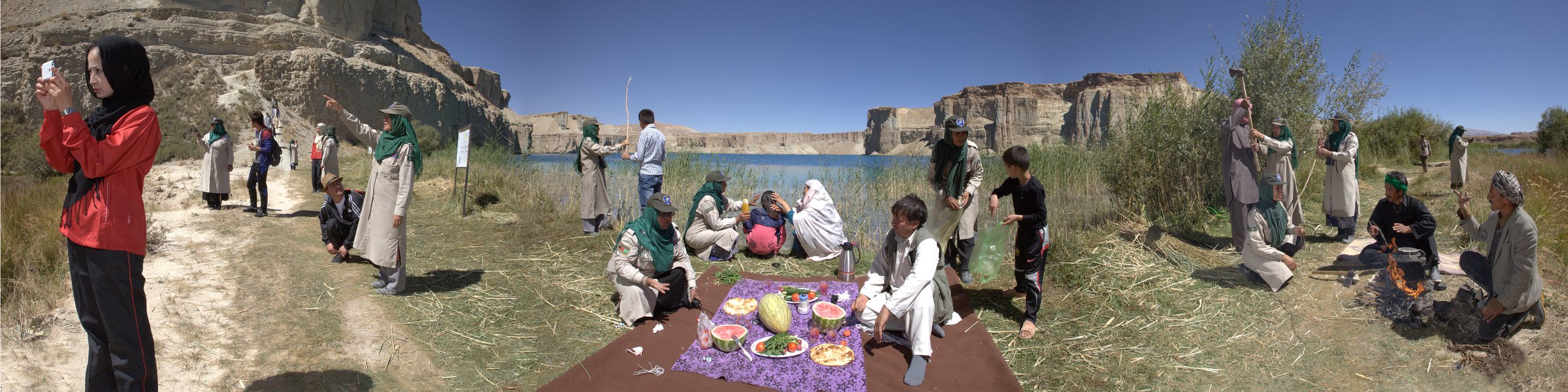
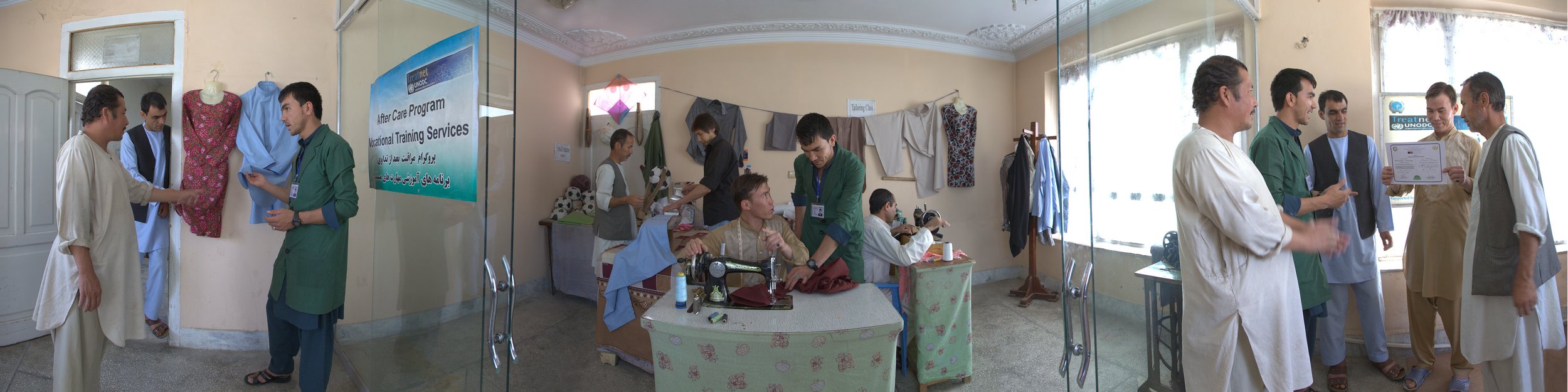
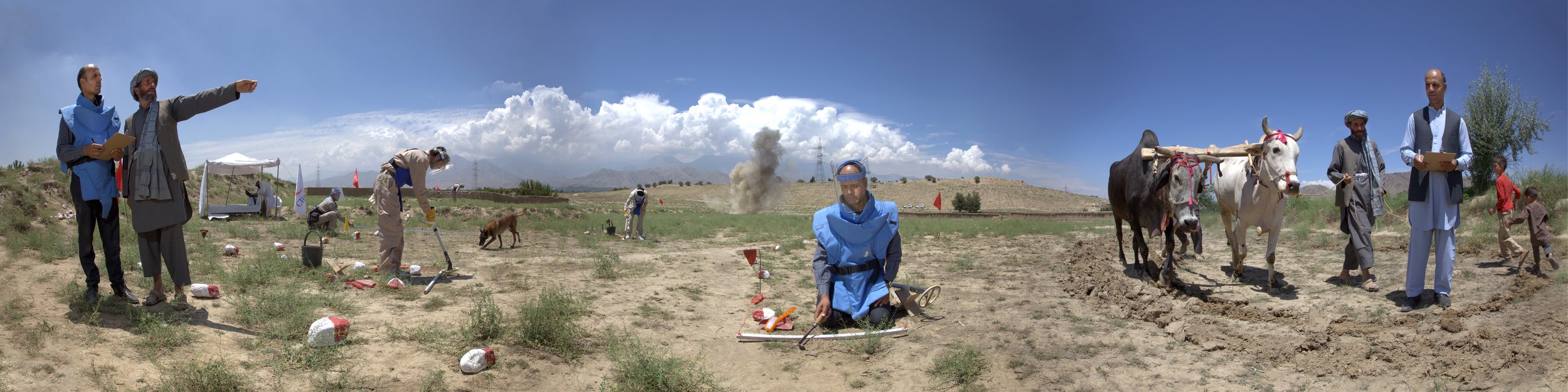
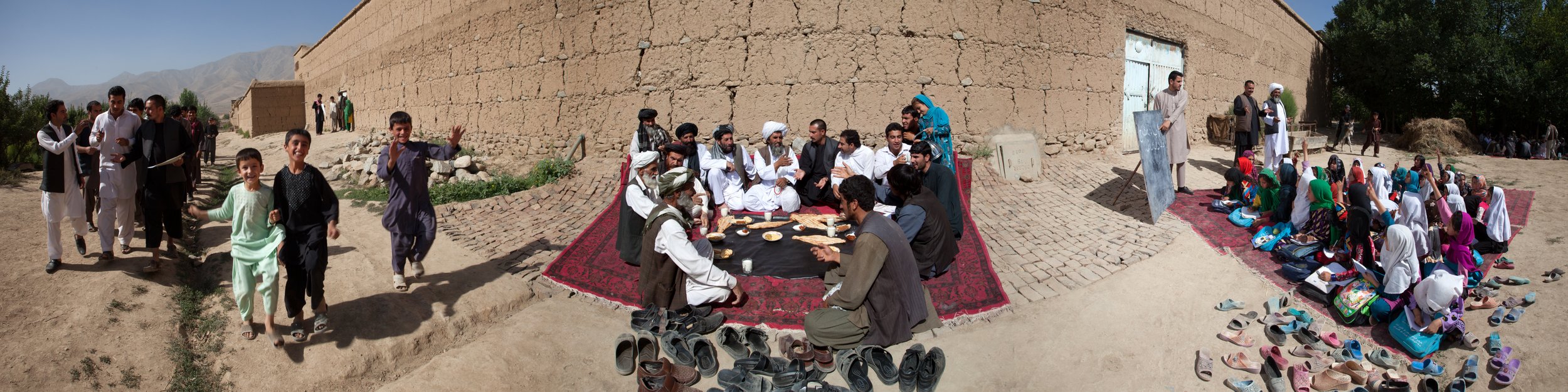
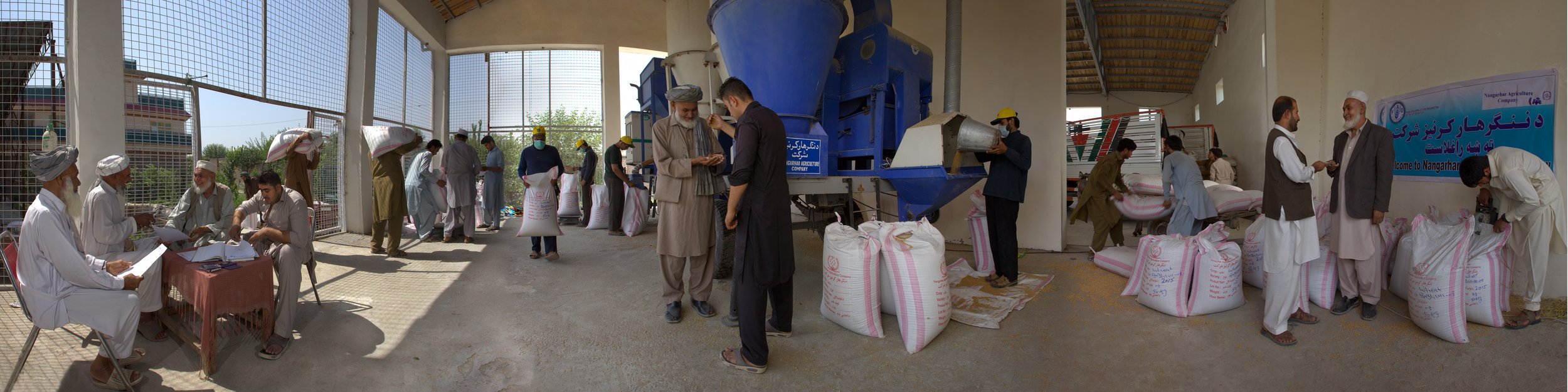
The UN Afghanistan “Strong UN. Strong Afghanistan.” campaign presented the work of Afghan people and communities, including the practical infrastructure that supports livelihoods. Its archived material is best understood as a record of completed activity rather than a current service directory. The facilities form part of a wider effort to connect rural producers with reliable markets.
For an Australian audience, the idea is familiar. Shoppers in Sydney, Melbourne or Brisbane expect fresh produce to remain safe through transport, distribution and retail. Afghan farmers often face a much less predictable chain, so a modest cold room can have an outsized effect on household income and food security.
Why Perishables Need Protection
Fresh produce continues to change after harvest. Respiration, moisture loss, microbial growth and physical damage reduce its value, particularly in warm conditions. Apricots, grapes, pomegranates, apples, leafy vegetables and dairy goods all have different storage requirements, but each benefits from careful handling and a controlled temperature.
Without a nearby cold room, a farmer may sell immediately, even when local prices are poor. Traders who can transport goods to a larger town may gain the advantage because producers cannot wait. Storage therefore has an economic function as well as a technical one: it separates the harvest date from the sale date.
Afghanistan’s geography makes that separation especially important. Farms may be far from provincial centres, and travel can be slowed by poor roads, insecurity, snow or extreme heat. Electricity interruptions can also threaten refrigeration. A properly planned facility must account for these conditions rather than copy a system designed for a large Australian distribution centre.
What A Cold Storage Facility Provides
A cold store normally combines insulated rooms, refrigeration equipment, loading space, shelving or crates, temperature monitoring and basic hygiene controls. The facility may also include a sorting or packing area, because damaged or overripe produce can affect the rest of a consignment. Good airflow and sensible stacking are as important as the cooling unit itself.
UN-constructed or UN-supported facilities are intended to create a practical point between the farm gate and the wholesale market. Their value depends on how they are used: who can book space, how charges are set, who checks the equipment and whether farmers receive advice on grading and packing. Construction is the visible part of the intervention, while daily management determines whether the investment lasts.
A cold room cannot rescue produce that was already mishandled. Harvesting at the right maturity, using clean containers, reducing exposure to sunlight and removing damaged items all contribute to quality. Training and local management arrangements therefore need to accompany the building and machinery.
Connecting Farmers With Buyers
Storage becomes useful when it is linked to transport, market information and buyer relationships. A cooperative might collect produce from several farms, sort it by quality, place it in a shared cold room and arrange a larger shipment. This can reduce duplicated transport and make the group more attractive to wholesalers, processors and retailers.
The timing of sales matters. If farmers can hold a crop for several days or weeks, they may avoid the sharpest price drops during the peak harvest. They can also assemble a consistent quantity, which is often required by institutional buyers. The benefit is not guaranteed: energy costs, market prices and storage fees still need to be managed carefully.
Women and smaller producers may face additional barriers if access is controlled by established traders or if facilities operate at inconvenient hours. Transparent booking rules, affordable fees and representation in management committees help ensure that the infrastructure serves the wider farming community. A facility that is technically sound but socially inaccessible will have limited impact.
Comparing Cold Chain Conditions
The Afghan model and the Australian model operate in very different environments. Australia has extensive refrigerated logistics, established wholesale markets and relatively dependable access to commercial equipment. Afghanistan often needs smaller, locally managed systems that can function with limited power and longer journeys between farms and buyers.
| Consideration | Rural Afghanistan | Regional Australia |
|---|---|---|
| Typical need | Protect harvests where farms may be distant from major markets | Maintain quality across established supply chains |
| Energy concern | Unreliable grid supply may require backup or efficient equipment | Grid connection is usually stronger, though costs remain significant |
| Market access | Farmers may depend on local traders and seasonal roads | Producers commonly connect with supermarkets, wholesalers and farmers’ markets |
| Facility scale | Shared community or cooperative cold rooms can be practical | Commercial cool rooms, packhouses and refrigerated transport are common |
| Main risk | Spoilage, forced low-price sales and weak maintenance capacity | Energy expense, food waste, compliance costs and supply-chain delays |
| Regulatory setting | Local arrangements and programme requirements vary by site | Food Standards Australia New Zealand rules and state or territory laws apply |
The comparison shows why a small Afghan facility should not be judged by the scale of an Australian packhouse. Its success may be measured by reduced spoilage, improved farmer income and safer local food supplies rather than by throughput alone.
Lessons From Australian Food Markets
Australians are accustomed to buying chilled milk, pre-packed salads and fresh berries with confidence that the cold chain has been maintained. Weekend farmers’ markets in cities such as Melbourne and Adelaide also create a direct connection between producers and consumers, although vendors still need to protect food from heat and contamination. A shopper carrying groceries home in a reusable insulated bag reflects the same principle at household level.
Australia’s large distances provide another useful comparison. A grower near Mildura may need to move produce to Melbourne, while a regional producer supplying Brisbane may coordinate storage, grading and freight across long routes. Afghan farmers face different infrastructure constraints, but the underlying challenge is similar: quality declines when time, temperature and handling are not controlled.
Food Standards Australia New Zealand develops the Australia New Zealand Food Standards Code, while state and territory authorities oversee many practical food safety requirements. Businesses may also use hazard analysis and critical control point systems to identify risks. These formal systems are not directly transferable to every Afghan rural facility, yet the principles—clean handling, monitoring, traceability and corrective action—remain useful.
Keeping Equipment Working
Refrigeration equipment needs power, spare parts, trained operators and a realistic maintenance budget. A facility may perform well during a project period and then deteriorate if nobody is responsible for compressor servicing, insulation repairs, temperature logs or fee collection. Long-term planning must begin before construction is complete.
Solar generation, batteries, efficient cooling systems and backup generators can reduce exposure to electricity interruptions, but each option brings costs and technical requirements. Solar panels may support daytime operation, while batteries or generators may be needed through the night. The right combination depends on local sunlight, security, fuel availability and the type of produce being stored.
Water management and hygiene also matter. Condensation, cleaning practices and waste disposal can create risks if they are ignored. Operators need simple procedures that staff can follow consistently, with records that show whether temperatures and maintenance tasks are being monitored.
Building Trust Around Shared Assets
A community cold store is a shared economic asset, so its governance affects its usefulness. Clear ownership, public fee schedules and fair access reduce disputes. Cooperatives can assign responsibility for bookings and maintenance, while local authorities and development partners may provide technical oversight or training.
Reliable records help demonstrate impact. Operators can track quantities received, storage duration, rejection rates, energy use, repairs and final sale prices. These figures show whether farmers are genuinely reducing losses or simply shifting costs from the farm to the facility.
The strongest arrangements connect infrastructure with broader agricultural support. Farmers may need improved seedlings, advice on harvest timing, packaging materials, credit and market information. A cold room creates an opportunity, but it does not replace these services. It works best as one link in a coordinated rural value chain.
Priorities For Durable Farmer Benefits
The experience of UN-supported rural infrastructure points to several practical priorities for planners, operators and partners:
- Place facilities close to producing communities while retaining dependable access to roads and buyers.
- Match cooling capacity with local crops, harvest seasons, electricity availability and expected volumes.
- Establish transparent booking, pricing and maintenance arrangements before the facility opens.
- Train operators and farmers in grading, crate use, hygiene, temperature monitoring and stock rotation.
- Include backup power, spare parts and an affordable repair fund in the operating model.
- Measure reduced food loss, farmer earnings, user access and equipment performance over time.
- Connect storage with cooperatives, transport providers, processors, wholesalers and local markets.
These priorities also clarify why construction alone is an incomplete measure of success. A facility can be physically impressive yet underused if farmers cannot afford the fees or buyers do not offer a price that rewards better quality. Conversely, a modest cold room can make a meaningful difference when it is managed locally and linked to dependable demand.
A Stronger Link Between Harvest And Opportunity
Cold storage is a practical form of resilience. It helps Afghan farmers protect the value of their work against heat, distance and unpredictable market timing. When facilities are paired with training, fair governance, transport and market information, they can reduce waste while supporting more stable rural incomes.
The archived UN Afghanistan campaign offers a snapshot of this broader approach: strong communities depend on infrastructure, local participation and partnerships that turn investment into daily opportunity. Its stories remain relevant because food loss, energy access and market power continue to shape farming communities well beyond Afghanistan.
Explore the archived UN Afghanistan campaign materials, photographs and community stories to see how rural infrastructure fits within wider humanitarian and development work. Use these examples to support informed discussion about cold chains, farmer-led markets and practical investment in food security.