
Making a Difference



Afghan Cooperative Models Build Resilience Through UN-Backed Legal Frameworks
For decades, agricultural communities across Afghanistan have relied on subsistence plots and informal market arrangements that leave small producers vulnerable to drought, price swings and middlemen. The United Nations, working alongside Afghan ministries and farmer associations, has spent years helping growers understand how a properly constituted cooperative can change that picture. Legal and accounting guidance supplied through UN agencies gives village associations a route out of precarious barter arrangements, allowing them to negotiate as a single voice, access credit, and keep records that withstand scrutiny from buyers and banks. The result is a shift from isolated survival to structured enterprise.
Australian readers may wonder why a campaign originally built around Afghan voices still resonates from Sydney to Perth. The answer lies in shared agricultural DNA. Both nations depend on farmers who must weather volatile commodity prices, distant supply chains and climate variability. The Murray-Darling Basin wheat farmer and the Helmand orchardist face surprisingly parallel obstacles when trying to pool resources, register a formal entity, or comply with the kind of bookkeeping that unlocks export finance. UN guidance on cooperative formation therefore offers a case study that travels well, particularly for the multicultural neighbourhoods of Melbourne and Brisbane where Afghan Australians continue to shape food culture, hospitality and small business.
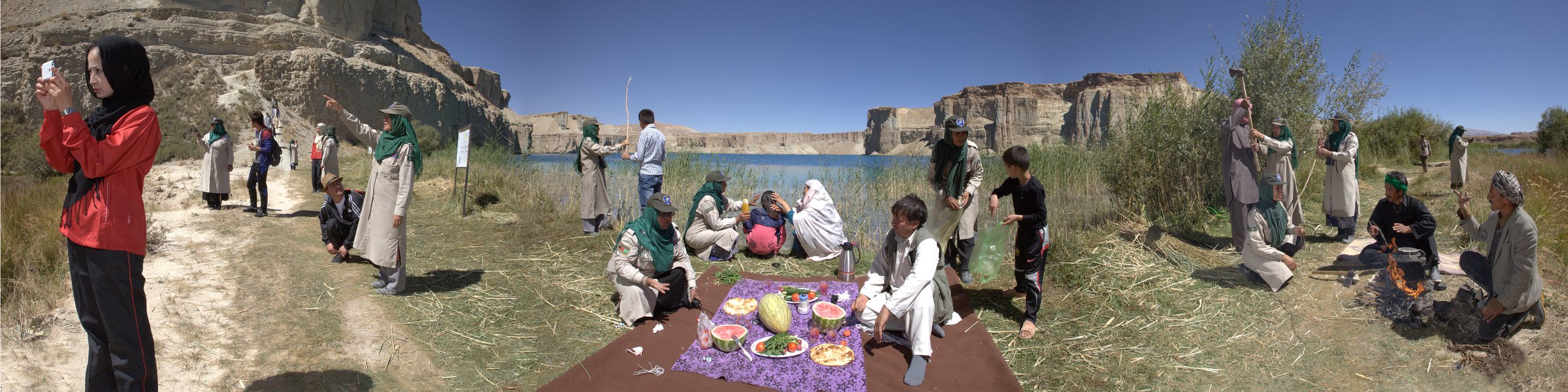
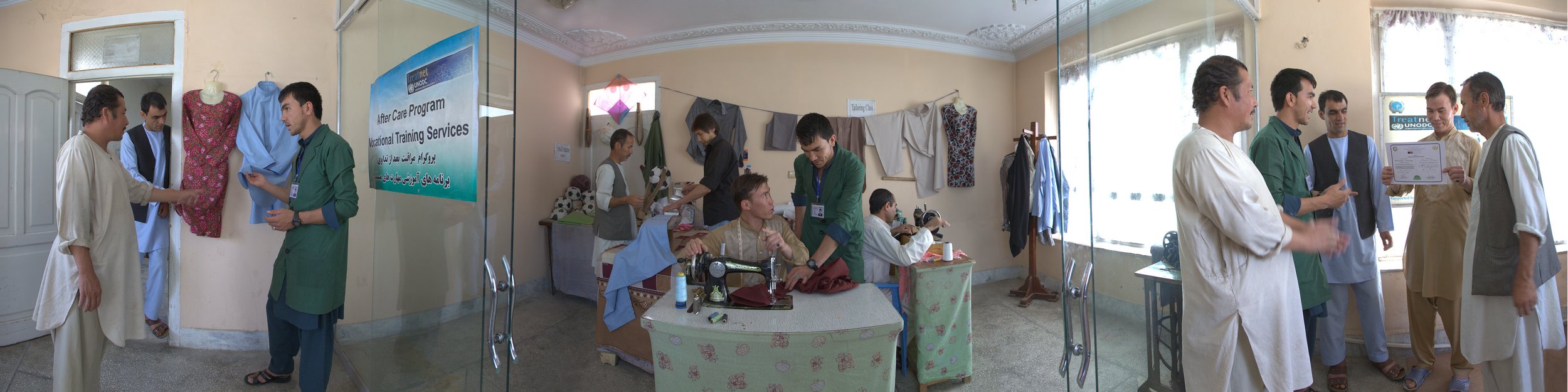
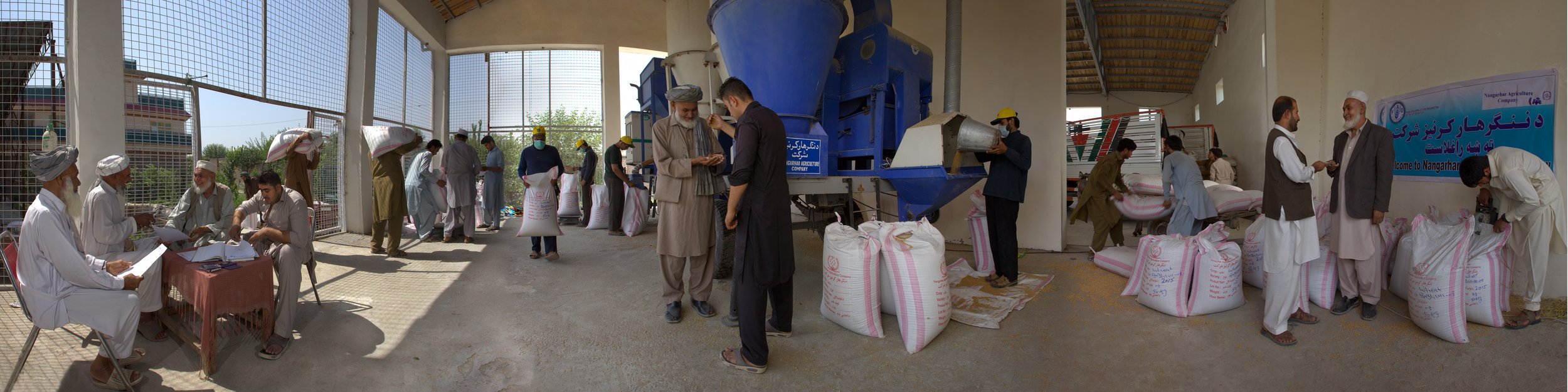
The framework that emerges is a layered approach combining Afghan law, international standards and practical training. UN advisors help groups draft bylaws, elect management committees, open collective bank accounts, and adopt double-entry bookkeeping suited to low-literacy environments. Photographs from the campaign show farmers gathered under canvas in Kandahar and Balkh provinces, clutching ledgers and stamped registration papers. Those images tell a story of institutional quietness, where change arrives through paperwork as much as through ploughshares.
Why Cooperatives Matter in Afghan Agriculture
Cooperative structures offer something that individual smallholdings rarely can: collective bargaining power. In provinces where a single farmer might harvest a few hundred kilograms of almonds or saffron, joining with twenty or thirty neighbours creates a marketable volume that attracts wholesale buyers, cold-storage operators and even international exporters. The UN has consistently promoted this model because it aligns with rural development goals that emphasise food security, gender inclusion and post-conflict recovery.
In Afghanistan, where roughly forty percent of the workforce is engaged in agriculture, cooperatives also serve as a vehicle for women who are otherwise excluded from formal markets. UN-backed programs have supported all-female saffron cooperatives in Herat, where growers cultivate, harvest and process the crop before selling under a unified label. The legal personality granted by registration allows these groups to sign contracts, open bank accounts and apply for microcredit, none of which is reliably available to a lone farmer working an unregistered plot.
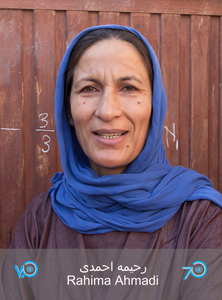
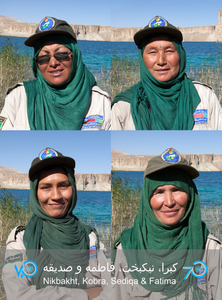
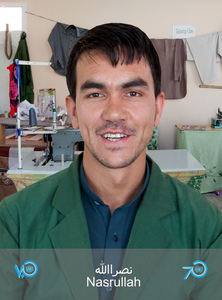
Beyond economics, cooperatives build social cohesion in districts fractured by years of conflict. Members meet regularly, resolve internal disputes through documented bylaws, and develop the habit of recording transactions. That habit, modest as it sounds, becomes the foundation for trust between villages, traders and government authorities. It is the kind of quiet institutional reform that the Strong UN. Strong Afghanistan. campaign repeatedly highlighted through portraits of farmers, herders and beekeepers who had transformed their livelihoods by joining a recognised association.
The UN's Legal Guidance Framework for Cooperative Formation
Legal guidance issued through UN agencies draws heavily on International Cooperative Alliance principles, adapted for Afghan legal practice. Advisors typically walk new groups through a five-step process: convene a founding meeting, draft and adopt bylaws, elect a management committee, register with the Ministry of Agriculture's Cooperative Department, and obtain a tax identification number. Each step has a written template, often translated into Dari and Pashto, that members can adapt to local crops and customs.
The bylaws themselves cover membership criteria, share capital, profit distribution, voting rights and dissolution procedures. UN advisors stress that bylaws are not a formality but the constitution of the enterprise. They determine how surplus is shared, how a member can be expelled, and how decisions are taken when harvest fails. A well-drafted bylaw in the Helmand valley looks remarkably similar to one drafted for a grain pool in regional New South Wales, demonstrating how cooperative law is a portable skill set.
Registration, once completed, gives the cooperative legal standing. It can enter contracts, hold title to land or storage facilities, and appear in court as a single entity rather than as a fragmented group of individuals. UN campaigns have documented the moment farmers receive their registration certificate, often photographed beside UN staff and ministry officials. For a community that has long operated outside formal legal recognition, the certificate represents a tangible shift toward economic citizenship.
Accounting Standards That Keep Farmer Cooperatives Accountable
Accounting guidance from the UN focuses on simplicity, transparency and consistency. Advisors typically introduce a single-entry cash book for very small groups and a double-entry system as the cooperative grows. Templates cover member share contributions, seasonal sales, input costs, loans, depreciation on shared equipment and distribution of surplus. The aim is not to mimic a multinational corporation's general ledger but to produce records that survive an audit and reassure a bank.
In the Afghan context, special attention is paid to literacy levels and seasonal work patterns. Ledgers are designed with pictorial icons, large print and pre-printed categories such as seed, fertiliser, transport, labour and sale proceeds. Training sessions, often held in community halls or mosque courtyards, walk members line by line through sample entries. Photographs from the campaign show women in headscarves bent over ledgers in Balkh, learning the discipline that underpins every successful cooperative from Kabul to Canberra. Such training demystifies finance and reduces the risk that one literate individual controls all information.
Internal controls form another pillar. UN advisors recommend separating the roles of cashier, recorder and authoriser, requiring two signatures on withdrawals above a set threshold, and conducting monthly reconciliations. These safeguards protect cooperatives from the mismanagement that has historically undermined collective ventures in many developing economies. External audits, even simple ones conducted by ministry staff or contracted accountants, provide additional assurance to members and lenders. The framework is intentionally modest, designed to function in environments where electricity, internet and formal banking may be unreliable.
Lessons From Australian Agricultural Cooperatives
Australia has its own rich history of farmer cooperatives, from the Murray River trading houses of the nineteenth century to the modern dairy and grain giants that emerged across Victoria and South Australia. The lessons are instructive. Australian cooperatives such as Murray Goulburn, CBH Group and Norco have demonstrated the value of member ownership, professional management and disciplined financial reporting, while also illustrating the dangers of demutualisation, debt-fuelled expansion and loss of member control.
Australian farmers in places like the Wimmera, the Darling Downs and the Adelaide Hills have grappled with exactly the issues facing Afghan cooperatives: how to pool harvests without losing individual identity, how to share profits fairly, how to weather a season of drought, and how to navigate the Australian Securities and Investments Commission when raising capital or issuing shares. ASIC's treatment of member shares, the Australian Taxation Office's rules around cooperative tax status, and the Australian Competition and Consumer Commission's oversight of collective bargaining all offer parallels to the regulatory environment Afghan cooperatives face at home.
For Afghan Australians running small agricultural businesses in suburbs such as Dandenong, Auburn or Granville, the cooperative model also has local application. Some have explored forming buying groups for halal produce, collective marketing arrangements for Afghan restaurants, or community-supported agriculture schemes supplying herbs, grains and fruit to inner-city markets. The UN's cooperative guidance, translated and adapted, can support these initiatives by offering tested templates for bylaws, financial records and member agreements that satisfy Australian regulators.
Member-Owned Structures and Governance Principles
The cornerstone of any cooperative is democratic member control, typically expressed as one member, one vote regardless of share size. UN guidance emphasises this principle repeatedly because it distinguishes cooperatives from private companies where voting power follows investment. In Afghan villages where landholdings are uneven, the one-member-one-vote rule prevents wealthier families from capturing the organisation and turning it into a private vehicle.
Governance structures typically include a general assembly of all members, a management committee elected by the assembly, a supervisory board or audit committee, and in some cases a manager hired to run day-to-day operations. UN templates provide job descriptions, meeting agendas and reporting formats for each role. The discipline of regular meetings, documented minutes and transparent reporting builds habits that strengthen the cooperative and spill over into other areas of community life.
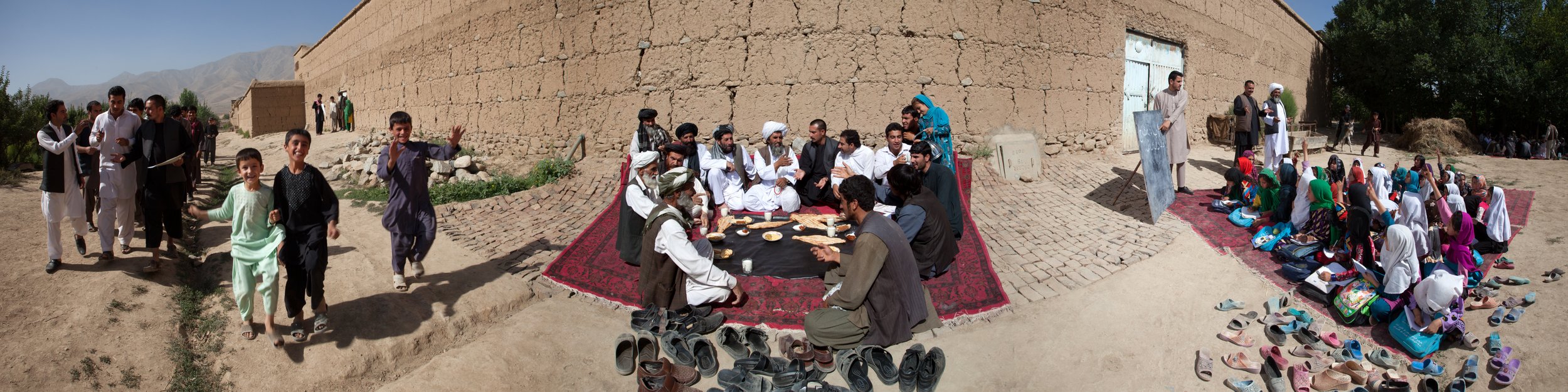
Training in governance is often the most valuable component of the program. Members learn how to chair a meeting, how to propose and second a motion, how to read a financial statement, and how to hold elected officials accountable. These are transferable skills that strengthen civic life beyond the cooperative. Photographs from the Strong UN. Strong Afghanistan. campaign frequently captured these moments of learning, where farmers who had never sat in a formal meeting were running their own assemblies for the first time.
Compliance, Registration and Reporting Requirements
Compliance is where many cooperatives stumble. UN guidance therefore devotes significant attention to the mechanics of registration, taxation and ongoing reporting. In Afghanistan, registration involves submission to the Cooperative Department, with verification of bylaws, member lists and share capital. Once registered, cooperatives must file annual returns, hold annual general meetings and maintain financial records that can be inspected by authorities.
- Drafting bylaws aligned with national cooperative law and International Cooperative Alliance principles.
- Electing a management committee, supervisory board and, where appropriate, a paid manager.
- Opening a cooperative bank account requiring dual authorisation for withdrawals.
- Maintaining a cash book, member share register and annual financial statements.
Reporting requirements typically include annual financial statements, a report from the management committee, a report from the supervisory board, and a proposal for distribution of surplus. Members must receive notice of the annual general meeting at least two weeks in advance, with agenda, financial summary and proposed resolutions. These requirements mirror best practice found in Australian cooperatives operating under the Co-operatives National Law, which applies across most states and territories.
Taxation can be complex. In Afghanistan, cooperatives may qualify for exemptions on certain activities, while in Australia cooperatives enjoy particular treatment under Division 9 of the Income Tax Assessment Act 1936. Afghan cooperatives exporting saffron or dried fruit face additional customs documentation, while Australian cooperatives exporting wheat or wool to Asia navigate biosecurity protocols and free trade agreements. Both environments reward cooperatives that keep meticulous records and seek professional advice.
Pathways Forward for Afghan Farming Communities
The path ahead requires sustained investment in training, infrastructure and finance. Access to credit remains a binding constraint, as most Afghan banks remain reluctant to lend to agriculture without collateral. UN programs are working with microfinance institutions to develop cooperative lending products backed by group guarantees and stored produce. Warehouse receipts, where farmers deposit harvest in a certified warehouse and receive a receipt usable as collateral, are being piloted in several provinces.
Climate adaptation is another urgent priority. Afghan agriculture is highly vulnerable to drought, and cooperatives offer a vehicle for collective investment in water harvesting, drip irrigation and drought-resistant seed varieties. UN agencies are partnering with research institutions to test and distribute improved cultivars, with cooperatives serving as the dissemination channel. This mirrors Australian efforts in the Murray-Darling Basin, where grower-funded bodies such as Murray Dairy and the Grains Research and Development Corporation invest in research and extension on behalf of members.
The strongest signal of success is the emergence of second-generation cooperatives that add value beyond primary production. Almond processing facilities, saffron packaging operations and honey bottling plants are springing up in cooperative form, capturing more of the value chain for farmer members. These ventures require more sophisticated governance, professional management and access to capital, but they demonstrate the trajectory available to groups willing to invest in institutional capacity. The UN's cooperative guidance is designed to support that trajectory, step by step, season by season.
Build on this knowledge by exploring the Strong UN. Strong Afghanistan. campaign archive, where photographs, beneficiary stories and policy briefs bring these frameworks to life. Australian readers can dive deeper by examining how ASIC regulates cooperatives, how the ATO treats cooperative tax status, and how the Co-operatives National Law applies across New South Wales, Victoria and Western Australia. Follow UN Afghanistan on social channels to keep up with new publications, and consider supporting cooperative development organisations working in your local community.