

Making a Difference


Afghan Farmers And Climate Resilience Through Drought-Tolerant Crops
Across Afghanistan, farming is closely tied to household income, food security and community stability. For many rural families, a failed harvest affects far more than one season’s earnings: it can reduce food supplies, weaken livestock holdings and force people to borrow money or leave their land.
Water scarcity has made that risk sharper. Repeated droughts, declining groundwater and irregular rainfall have placed pressure on wheat, pulses, vegetables and fodder crops. In this setting, trials of drought-tolerant seed varieties offer a practical way to help farmers produce food with less reliable water.
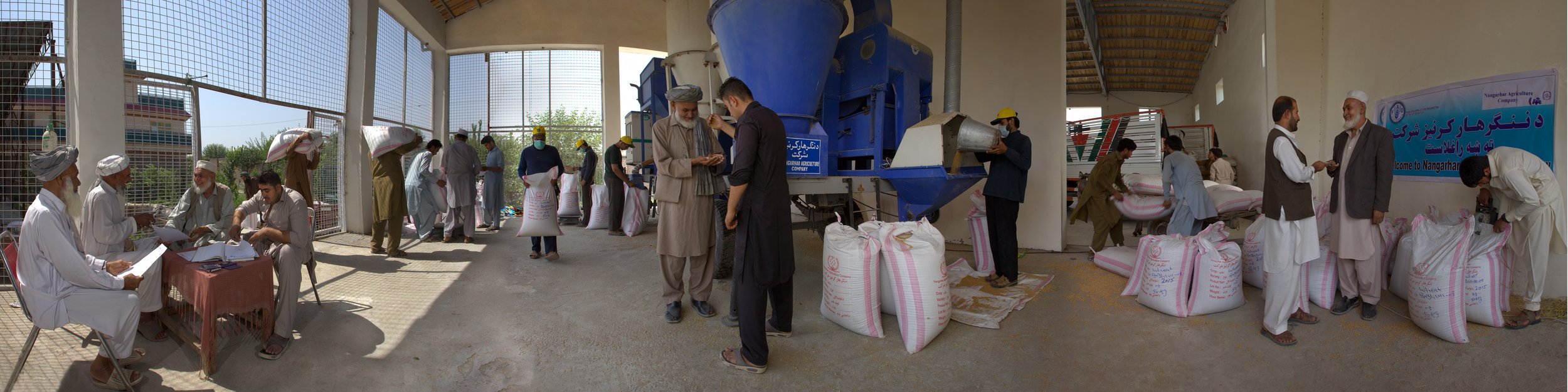
The United Nations has supported agricultural work in Afghanistan through partnerships with local communities, government institutions and technical organisations. Such efforts can include testing seed varieties, improving farming practices and sharing evidence with growers before a crop is adopted at scale.
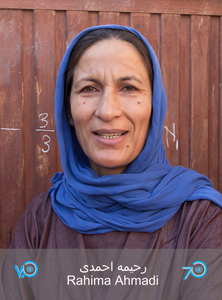
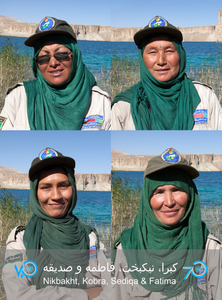
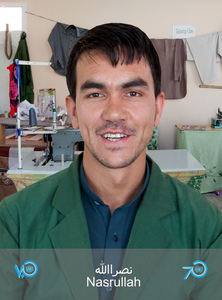
The UN70 “Strong UN. Strong Afghanistan.” campaign was an archived public information initiative rather than an ongoing programme. Its stories about Afghan people provide useful context for understanding how international support is connected to local knowledge, including the persistence and problem-solving capacity of farmers.
Why Drought Has Become A Farming Emergency
Afghanistan’s agriculture depends heavily on rainfall and limited irrigation systems. When winter snow is light or spring rains arrive late, farmers may have too little water for planting, flowering or grain formation. A single dry year is difficult; several dry seasons in succession can exhaust household reserves and reduce the quality of seed saved for the next planting.
The effects vary between regions. Farmers in arid provinces may rely on shallow wells, karez systems or seasonal streams, while communities in river valleys face competition for irrigation water. In the north and west, wheat production is particularly important to household diets and local markets. In other areas, horticulture, pulses, maize and livestock feed form a larger part of the farming economy.
Climate change adds uncertainty to decisions that were already risky. Higher temperatures increase evaporation, while sudden storms can wash away soil after a long dry period. Warmer conditions may also alter the timing of pests and plant diseases. Farmers therefore need crops that can mature with less moisture, withstand heat and still provide acceptable yields in ordinary as well as difficult seasons.
Drought-tolerant seed cannot solve every agricultural problem. A variety may perform well in one valley and poorly in another because of soil, altitude, planting dates or disease pressure. The value of field trials lies in identifying what works locally and allowing farmers to judge the results under conditions they recognise.
How Crop Trials Work In Afghan Communities
A crop trial is a structured comparison between varieties or farming methods. Researchers and extension workers may plant several types of wheat, barley, chickpea, lentil or other crops beside a commonly used local variety. They record germination, days to maturity, plant health, grain quality, yield and performance under limited irrigation.
Farmers are central to this process. They understand soil behaviour, labour constraints, livestock needs and the preferences of local buyers. A variety that produces a high yield but requires expensive fertiliser, unfamiliar equipment or a later harvest may be less useful than a slightly lower-yielding crop that is reliable and easy to manage.
Trials can also examine planting density, seed treatment, water-saving irrigation and the timing of fertiliser application. These details matter because drought resilience is usually created by a package of decisions rather than a single seed characteristic. Early-maturing crops, for example, may escape the driest part of summer, while good soil cover can reduce moisture loss.
Demonstration plots help turn technical findings into visible evidence. Farmers can inspect plants, discuss results with neighbours and compare harvested grain. When women and men who work in agriculture are included in training and evaluation, the trial reflects more of the household’s practical knowledge, including food preparation, seed storage and livestock management.
Comparing Options For A Drier Season
The most suitable crop depends on rainfall, soil, market access and household priorities. A farmer producing grain for home consumption may value stable harvests and cooking quality. Another selling to a trader may prioritise grain size, uniformity and a variety that buyers already recognise.
| Crop or approach | Potential value in dry conditions | Important consideration |
|---|---|---|
| Drought-tolerant wheat | Can protect a staple harvest when rainfall is short or uneven | Needs local testing for disease resistance, taste and milling quality |
| Early-maturing barley | May finish before the harshest heat and can support food or livestock needs | Yield and market demand can vary by district |
| Chickpea and lentil | Often require less water than many summer crops and add dietary protein | Sensitive to planting time, soil conditions and storage pests |
| Improved fodder crops | Help maintain livestock during dry periods and reduce pressure on grazing land | Seed supply and water requirements must be assessed locally |
| Water-saving irrigation | Delivers moisture more efficiently and may reduce pumping costs | Requires maintenance, training and fair access to water |
These options should be assessed through local evidence rather than treated as universal solutions. Seed multiplication is important as well. If a trial performs well but farmers cannot obtain affordable seed for the following season, its impact will remain limited.
Quality control matters from the first multiplication cycle. Farmers need seed that is correctly identified, clean and stored in conditions that protect germination. Local seed networks, cooperatives and trusted agricultural services can help make improved varieties available without displacing useful traditional seed.
Market conditions are another part of resilience. A crop that survives drought but cannot be sold at a reasonable price may not support household recovery. Roads, storage, milling facilities and access to traders influence whether a farmer can benefit from a successful harvest.
Lessons For Australia’s Dryland Farmers
The Afghan experience has relevance for Australian readers because water security is also a major agricultural concern across the country, even though the farming systems and resources differ greatly. Producers around Dubbo, Wagga Wagga and Toowoomba regularly make decisions about planting windows, stored soil moisture and the cost of irrigation. Australian growers also have access to sophisticated forecasting, machinery and research networks, but uncertainty remains a familiar part of dryland farming.
The comparison is especially useful at the level of method. Testing a variety in a demonstration plot, recording results over several seasons and combining seed choice with soil and water management are sound principles in both countries. An Australian wheat grower might compare a new cultivar with a trusted local variety, while an Afghan farmer may make a similar comparison using smaller plots and fewer inputs.
Local markets shape adoption in Australia too. Grain quality standards, contracts with bulk handlers and demand from flour mills influence which varieties are planted. At farmers’ markets in Melbourne or Adelaide, consumers may value heritage grains, pulses or produce grown with water-efficient practices. In remote communities, transport costs and reliable storage can matter more than a premium label.
Australian customs and community networks also have a role. Field days, grower groups, agricultural shows and advice shared through rural supply stores create places where practical evidence travels quickly. These networks are different from Afghan village structures, yet the underlying principle is similar: farmers are more likely to adopt a change when they can see it, discuss it with trusted people and understand its financial implications.
Building Resilience Beyond The Seed
A drought-tolerant variety is most effective when combined with healthier soils. Reduced tillage, retaining crop residues, controlling erosion and adding organic matter can improve the soil’s ability to hold moisture. Crop rotation can interrupt disease cycles and spread financial risk across several products.
Water governance is equally important. Where wells, canals or streams are shared, technical improvements must be matched by agreements about access and maintenance. If one household pumps more water, neighbouring farms may lose access. Community-based planning can help reduce disputes and protect scarce groundwater, although it requires clear participation and accountability.
Livestock should be included in farm planning. During drought, animals compete with people for grain and water, while the sale of livestock may be a family’s main emergency income. Fodder trials, veterinary support and better storage can reduce the need to sell animals at distressed prices.
Climate information can improve timing. Seasonal forecasts are not perfect, but alerts about likely rainfall or heat can help farmers decide whether to plant, delay sowing, change crop selection or reserve water for the most valuable fields. Such information is most useful when it is communicated in local languages and linked to practical choices.
Practical Signals Of A Stronger Farm System
- Seed is tested locally across more than one season.
- Farmers can obtain clean seed at a realistic price.
- Crop choices match household food and income needs.
- Soil, water and livestock planning are treated as connected decisions.
A resilient programme also measures outcomes that may be missed by yield statistics. Did households have more grain available before the next harvest? Did women have a meaningful role in selecting crops? Were farmers able to reduce debt, keep livestock or avoid selling productive assets?
Questions That Matter In The Field
- Does the crop mature before the most severe heat?
- Can the harvest be stored safely and sold locally?
- Will the seed remain available for future planting?
- What happens if rainfall is lower than the trial season?
From Demonstration Plot To Wider Food Security
Scaling up successful trials requires coordination. Agricultural researchers can identify promising lines, extension workers can explain management practices, and local organisations can help organise demonstrations. Seed producers and traders then need enough information and stock to make the variety accessible beyond the original trial sites.
Communication should avoid presenting improved seed as a miracle product. Farmers deserve clear information about expected performance, water requirements, disease risks and possible trade-offs. Transparent results build confidence, including when a variety performs poorly. A failed trial can prevent many households from investing in an unsuitable crop.
The wider food system must also be considered. Better harvests have greater value when roads remain usable, markets function, storage losses are controlled and families can access credit without harmful interest rates. Nutrition programmes, school meals and local procurement can create demand for crops such as pulses and nutritious grains.
International support is most durable when it strengthens Afghan capacity rather than replacing it. Training local technicians, supporting farmer-led evaluation and improving seed systems can leave useful skills in communities after a particular project ends. The role of an organisation such as the United Nations is to help connect expertise, resources and local priorities while keeping communities at the centre of decisions.
The archived UN70 campaign’s emphasis on Afghan people is relevant here. Agricultural resilience is built by farmers who test, adapt and share knowledge under difficult conditions. External assistance can provide tools and opportunity, but local experience determines whether an innovation becomes part of everyday farming.
For Australian readers, following this work is a reminder that climate adaptation is grounded in practical cooperation. Support for reputable humanitarian and agricultural organisations can help fund seed research, extension services, water management and community recovery in Afghanistan. Sharing credible information also matters, particularly when public attention moves quickly from one crisis to the next.
Explore verified UN Afghanistan resources and support organisations working with Afghan farming communities. Sustained attention can help drought-tolerant crops move from carefully managed trials to dependable harvests, stronger household incomes and a more secure food future.