
Making a Difference
Afghan disabled persons’ rights and the power of inclusion
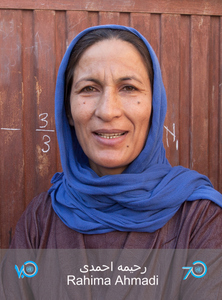
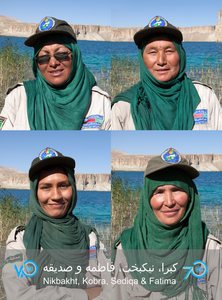
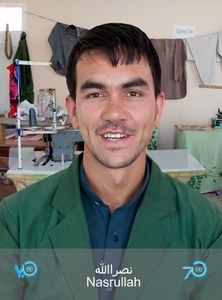
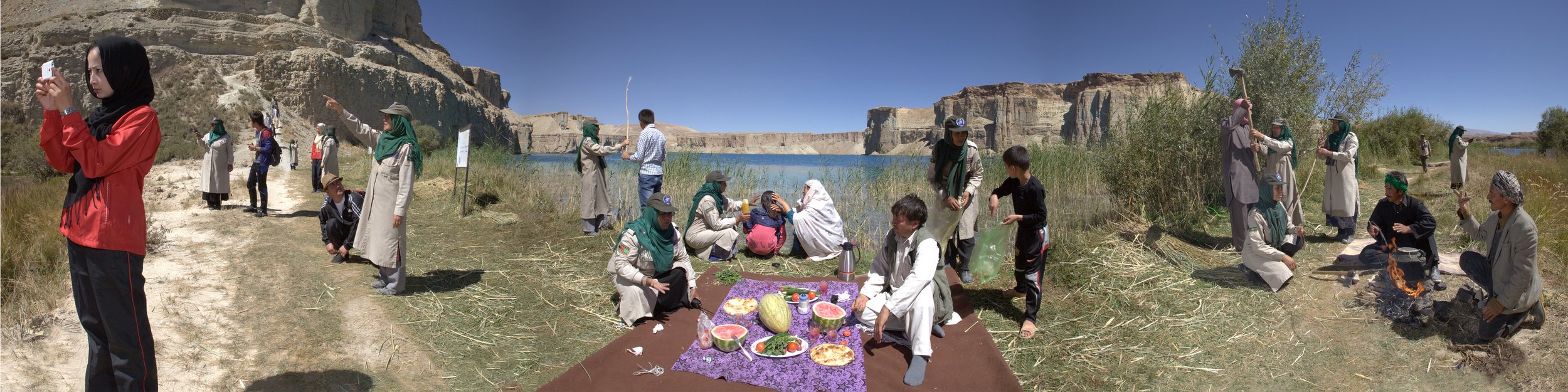
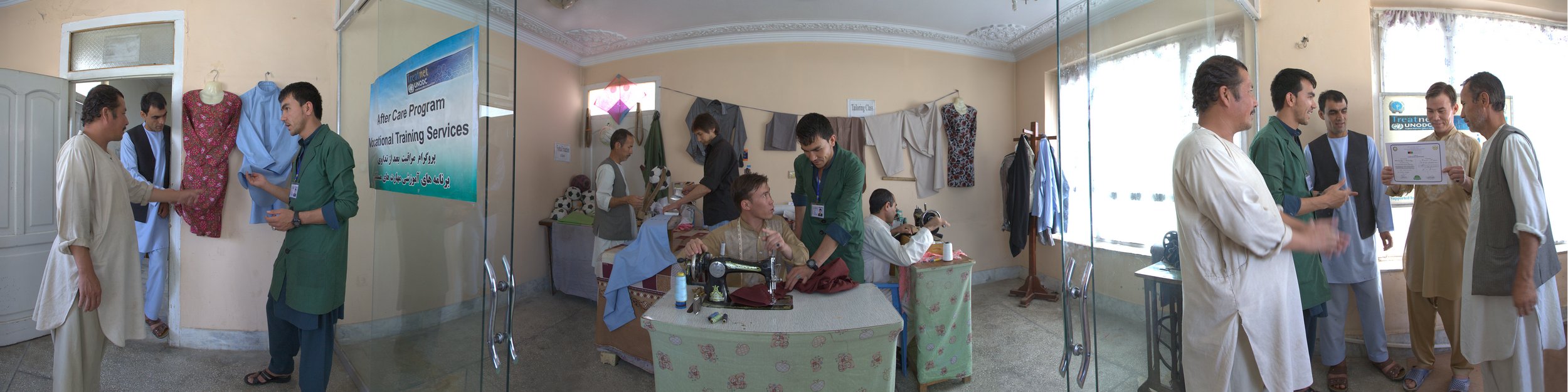
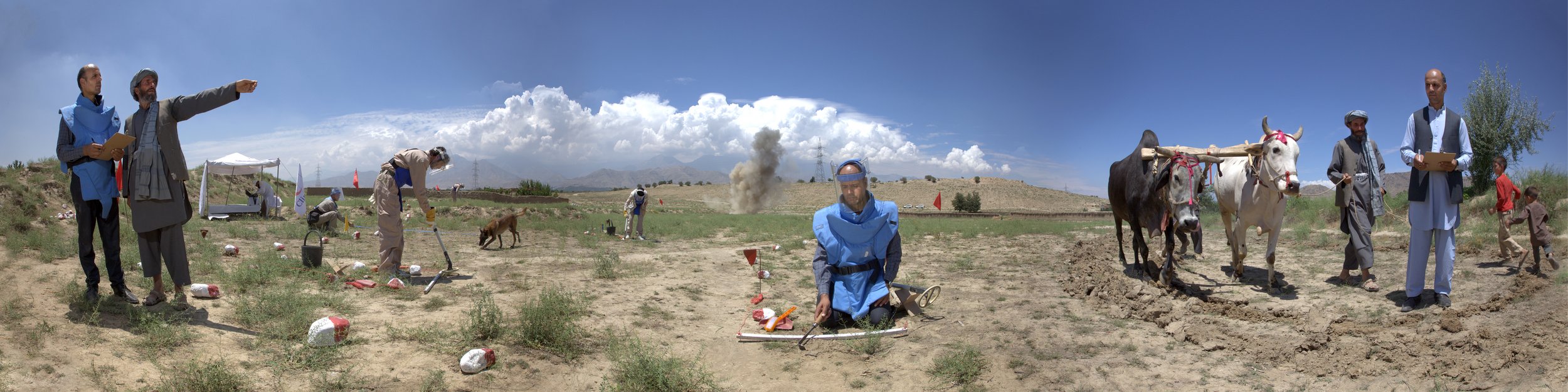
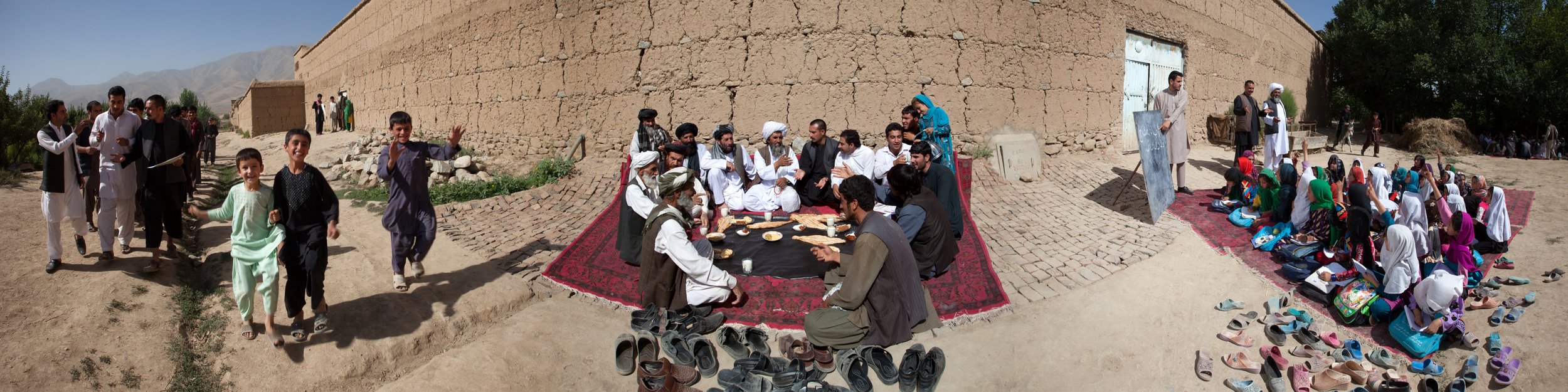
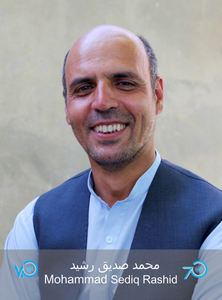
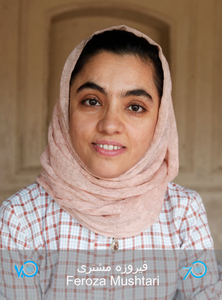
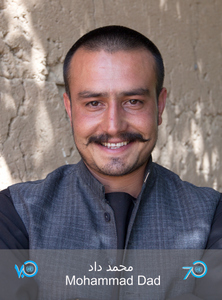
The archived UN70 Strong UN. Strong Afghanistan. campaign centres Afghan people whose experience often sits at the edge of public attention. Its portraits and stories reinforce a central idea of UN partnership: progress is stronger when communities help shape the decisions that affect their lives. For Afghan disabled persons, that principle applies to every stage of recovery, development and public participation.
Accessibility is more than the installation of a ramp. It is the practical and legal condition that lets a child attend school, a woman move safely through a market, a worker use a public office or a humanitarian programme deliver aid without exclusion. This article explores how UN advocacy links international standards with disability rights in Afghanistan, and what Australian institutions can learn while keeping Afghan leadership visible.
Rights begin with equality under international law
Afghanistan became a party to the Convention on the Rights of Persons with Disabilities in 2008, committing to a rights-based approach in which society removes barriers rather than expecting individuals to adapt. The Convention covers accessibility, equality before the law, participation, education, health, work, independent living and protection in situations of risk. It also insists that people with disabilities must be consulted and actively involved.
These guarantees matter because legal recognition on paper does not automatically produce an accessible village road, an inclusive classroom or an employment interview free from discrimination. A wheelchair user can be physically present at a public meeting yet excluded by steps, inaccessible toilets or information delivered only in print. A deaf student may share a classroom without an interpreter, while an older person with a sensory disability may be unable to reach an emergency alert.
UN advocacy helps connect these rights to national systems. Through public messaging, technical support and coordination with Afghan actors, the UN can press for accessible infrastructure, disaggregated data, inclusive public services and meaningful consultation. Its value lies in making Afghan disabled persons visible as rights holders and decision-makers, rather than reducing them to a specialist category within humanitarian logistics.
Afghan barriers shape everyday life
Daily life in Afghanistan can magnify barriers. Many people face difficult terrain, limited transport, weak electricity, price shocks and the consequences of conflict and displacement. An inaccessible road can determine whether someone reaches a clinic, a job or a food distribution. Households may need to spend scarce resources on improvised ramps, personal assistance or inaccessible transport.
Disability also intersects with age, gender, poverty and displacement. Women and girls with disabilities may encounter restricted mobility, care duties and social restrictions that narrow their choices. Deaf and blind people can lose access to warnings, signage and services when information is not shared in accessible formats. People with intellectual or psychosocial disabilities may face stigma, forced treatment or decisions made without their involvement.
Afghan civil society has repeatedly stressed that humanitarian and development responses must reach people who cannot move through queues or read standard forms. Conflict, explosive ordnance and inaccessible buildings add protection risks. A shelter that lacks a ramp, private and gender-sensitive sanitation or a confidential complaints channel may count as a site of assistance on paper while remaining unsafe or unusable in practice.
UN advocacy turns commitments into action
UN advocacy works by turning standards into practical demands. It can frame accessibility as central to poverty reduction, public health, education and economic recovery, rather than an optional extra. Calls for accessible roads, transport, sanitation and emergency information also help communities avoid preventable harm. For Afghan municipalities and service providers, this reframes access as part of core service quality.
Participation changes what programmes are designed to do. Disabled people can identify realistic routes, communication needs and safety concerns that averages overlook. Consultation is especially important where national data are limited. UN support for accessible surveys, local disability organisations and feedback mechanisms allows barriers to be documented in people’s own terms and makes progress easier to measure.
The archived messages from the Special Representative of the Secretary-General and campaign storytelling add another tool. By presenting Afghan disabled people as workers, students, organisers and leaders, the Strong UN. Strong Afghanistan. campaign challenges stereotypes and broadens public understanding of who belongs in national life. Visibility does not substitute for material change, but it can build the public commitment required to fund accessible services and hold institutions accountable.
Humanitarian support must be designed for everyone
Humanitarian action demonstrates whether inclusion survives under pressure. Emergency sites need step-free access, safe and gender-sensitive toilets, lighting, seating, assistance animals where appropriate and ways to report abuse or protection concerns. Accessible communication must cover evacuation instructions, health messages and complaints. Otherwise, the people facing the greatest barriers may be the last to receive information or assistance.
Development programmes require the same discipline. Inclusive education calls for trained teachers, accessible learning materials, assistive technology and support for students with diverse needs. Employment support should address workplace modifications, transport, recruitment and reasonable accommodation. UN advocacy links these practical requirements with the Convention, encouraging Afghan institutions and partners to include disability markers in planning, budgeting and outcome reporting without treating people as separate from their communities.
What Australian inclusion looks like in practice
Australian experience shows how accessibility becomes routine through public infrastructure, clear information and enforceable standards. Sydney travellers use route planners and accessibility information to check step-free stations, lifts and accessible buses. Melbourne’s accessible tram network and platform upgrades have expanded travel options for people who cannot use stairs. Tactile paving, curb ramps, hearing loops and accessible toilets are expected at many transport hubs and venues, although uneven coverage and temporary disruptions still create barriers.
Everyday expectations also shape the local market. Event organisers routinely provide accessible seating, captioning or Auslan interpretation when booked; travellers look for step-free access and accessible parking; and people using the National Disability Insurance Scheme can access support and assistive technology through a nationwide provider and equipment ecosystem. These examples show that accessibility depends on funding, familiar information, trained staff and products that are actually available.
Legislation provides the framework. The federal Disability Discrimination Act 1992 covers many services and spaces, while building accessibility requirements and premises standards help set minimum conditions for the physical environment. The Disability Inclusion Framework asks public entities to consider people with disabilities in policy, services and workplace practices. Australian law and systems are not a template for Afghanistan, but they reinforce transferable principles: consult disabled people, apply universal design, make duties measurable, fund maintenance and treat access as a shared responsibility.
A practical agenda for institutions and supporters
Supporters, donors and Australian organisations can use their influence without speaking over Afghan experts. The most useful support is led by Afghan disabled persons and local organisations, with funding that reaches them directly and remains flexible enough to respond to access needs.
- Prioritise consultation by paying Afghan disabled-led organisations for advice, participation and review rather than treating them as an optional add-on.
- Make accessibility a condition of funding by requiring accessible venues, transport, sanitation and information in project plans and procurement.
- Fund communication and assistive technology, including local sign-language support, captioning, Braille, screen-reader-compatible content, hearing support and mobility aids.
- Measure reach by collecting disability-disaggregated data, publishing results and responding when a programme excludes the people it intended to serve.
These actions also strengthen accountability. A practical accessibility checklist, a named contact for reasonable adjustments and a feedback process convert good intentions into duties that can be tested. Progress should include not only completed ramps or distributed devices, but also whether people can use facilities independently, participate in decisions and complain when access fails.
Stand with Afghan disabled communities
The cause is best advanced by following Afghan disability-led voices and sharing their stories with accuracy and consent. Explore the archived campaign photographs and messages through the UN Afghanistan media links, and look for credible Afghan organisations working on education, livelihoods, accessibility and protection. Amplifying this work keeps attention on the people whose leadership can shape more relevant policy.
Support accessible Afghan initiatives through direct funding, partnerships and informed advocacy, and hold public institutions to the standards they have adopted. Together, these actions show that a strong Afghanistan includes disabled citizens in national progress and that inclusion is built through practical access, shared decisions and sustained partnership.