
Making a Difference
UN accessibility audits and disability inclusion in Afghan government
Across post-conflict societies, the question of who can enter a public building, read a government announcement, or vote in an election often decides whether rights remain theoretical or become lived reality. Afghanistan's efforts to bring persons with disabilities into the fold of public administration have gained momentum through structured assessments led by United Nations country teams, working alongside national authorities and disabled people's organisations.
The audits take place against a backdrop where decades of war, poverty, and limited infrastructure have compounded the barriers faced by Afghans with disabilities. Many government facilities predate modern accessibility standards, while rapid urban growth in cities such as Kabul, Herat, and Mazar-i-Sharif has produced a patchwork of older and newer structures. UN specialists argue that inclusion cannot be improvised; it requires deliberate measurement, technical guidance, and political commitment.
Australia offers a useful comparison for readers curious about what mature accessibility systems look like. The National Disability Insurance Scheme has reshaped how Australians think about tailored support, while the Disability Discrimination Act and state-level building codes shape physical environments from Sydney's ferry terminals to remote clinics in the Northern Territory. Drawing on such parallels helps clarify what Afghan ministries are aiming for, and how UN audits help close the distance between aspiration and practice.
The rights-based foundation for Afghan inclusion
Afghanistan signed the United Nations Convention on the Rights of Persons with Disabilities in 2008, signalling an intent to align national law and policy with international standards. Yet ratification alone has rarely shifted the daily experience of citizens who use wheelchairs, rely on sign language, or live with psychosocial impairments. The gap between paper commitments and operational reality is precisely what UN accessibility audits are designed to expose.
These audits typically begin by mapping legal and policy frameworks against CRPD obligations, then move into facility-level observation. Teams document whether buildings have ramps, lifts, tactile guidance, accessible toilets, and clear signage. They also interview ministry staff, service users, and disability advocates to understand whether formal commitments translate into welcoming behaviour. For Australian readers, the approach is familiar: the Australian Human Rights Commission conducts comparable inquiries, and the Australian Bureau of Statistics regularly produces data on disability prevalence that informs policy.
The Afghan context adds layers of complexity that an Australian audit might not encounter. Security concerns can limit access to certain districts, while cultural attitudes toward disability sometimes frame impairment as a private family matter rather than a public responsibility. UN auditors approach these realities with sensitivity, recognising that technical recommendations must be paired with community engagement to gain traction.
Conducting accessibility audits in government settings
The methodology used by UN accessibility teams draws on universal design principles, the CRPD, and field-tested tools developed by agencies such as UNESCAP and UN Habitat. A typical audit begins with a desk review of building plans, procurement records, and ministerial directives. Site visits then test what the documents claim. Auditors measure doorway widths, ramp gradients, the height of service counters, and the legibility of information panels.
In Afghanistan, audits have covered provincial governor offices, civil registry centres, schools, and health clinics. Recommendations are clustered into short, medium, and long-term actions, allowing ministries with tight budgets to prioritise. The approach has clear echoes in Australian practice: the NDIS undergoes regular independent reviews, and local councils in places like Brisbane and Adelaide apply graded action plans when upgrading community facilities.
Digital dimensions are now integral. Auditors review whether government websites meet recognised accessibility standards, whether public documents are available in alternative formats, and whether civic consultations accommodate participants with sensory or cognitive impairments. Where ministries lack internal expertise, UN teams often bring in specialists from neighbouring countries or partner agencies, fostering regional knowledge exchange that benefits the broader Asia-Pacific disability community.
Physical access to public buildings and services
Findings from physical assessments in Afghan ministries have been sobering. Many entrance doors are too narrow for standard wheelchairs, stairs lack contrasting nosing strips, and lifts are out of service for long stretches due to interrupted power. Service counters tend to be high, with no lowered section for wheelchair users or shorter staff. Accessible parking bays, where they exist, are often repurposed for general use.
Such barriers effectively exclude large segments of the population from routine civic transactions: registering a marriage, renewing identity documents, applying for land titles, or seeking a permit. The cumulative effect is what Australian researchers call the "accessibility tax", where people with disabilities must spend more time, money, and energy to obtain services others take for granted. For an Afghan citizen in a wheelchair in Balkh or Kandahar, the cost of simply appearing in person at a ministry can be prohibitive.
UN audit teams recommend phased upgrades: priority changes that are low cost yet high impact, such as installing portable ramps, repositioning furniture, and adding signage. They also push for procurement reforms so that future renovations automatically incorporate accessibility. Australian examples help illustrate feasibility. Melbourne's tram network underwent a multi-decade upgrade to become one of the most accessible in the world, and Sydney's ferry wharf renewal programme shows how consistent funding and clear standards can transform a transport system over time. Afghan ministries need not replicate these scales, but they can adopt the underlying logic of incremental, standards-driven improvement.
Communication, information, and digital inclusion
Physical access is only one strand of the audit. Communication access is equally critical and often more affordable to address. Auditors examine whether frontline staff know basic sign language, whether written information is available in Braille or large print, and whether public meetings are held in venues and formats that welcome participants with diverse needs. In Afghanistan, oral communication is common, which means accessibility solutions must extend to spoken announcements, audio recordings, and community radio.
Digital accessibility has become a growing focus. Government portals, complaint mechanisms, and information campaigns all need to be readable by people using screen readers or assistive devices. Auditors often test a sample of websites and apps against international guidelines, identifying missing alt text, low colour contrast, and complex navigation paths. Recommendations typically include training for web managers, procurement clauses that require accessibility compliance, and the publication of plain-language summaries alongside formal documents.
Australian readers will recognise similar debates around the accessibility of myGov, Centrelink services, and state government platforms. Initiatives such as the Australian Government Digital Inclusion Roadmap and accessible format guidelines from the Department of Social Services offer transferable lessons. Afghanistan's connectivity challenges make digital inclusion harder, but mobile penetration is high, and SMS-based services can be designed with accessibility in mind if guidelines are followed from the start.
Institutional barriers and the politics of reform
Technical audits reveal what needs to change, but they do not, by themselves, change institutional culture. Afghan ministries often operate with limited budgets, competing priorities, and staff who have never received disability inclusion training. Procurement rules may favour the lowest bidder regardless of accessibility features, and disability focal points within ministries are frequently under-resourced and junior. Auditors frequently note that buildings matter less than attitudes when it comes to genuine participation.
This is where the political dimension of inclusion comes into focus. UN teams advocate for high-level commitments, such as appointing senior disability advisors within line ministries, embedding accessibility criteria in budget circulars, and consulting disabled people's organisations on new policies. Some recommendations also target Parliament itself, urging renovations to the People's Assembly building so that legislators with disabilities can fulfil their roles. Comparable advocacy has shaped Australia's Parliament House in Canberra, where ongoing upgrades reflect decades of pressure from disability advocates and parliamentary allies.
Coordination between national and provincial authorities is another recurring theme. Disability services in Afghanistan are administered through a mix of ministries and specialised commissions, which can lead to fragmented responses. Auditors recommend clear focal points, memoranda of understanding between agencies, and joint training events. The Australian experience of federal-state coordination through the National Disability Strategy offers a useful reference point, even though the contexts differ enormously.
From recommendations to measurable change
An audit's value lies in what happens after the report is delivered. UN teams in Afghanistan have invested heavily in follow-up: returning to sites to check whether recommendations have been implemented, supporting ministries to draft action plans, and facilitating exchanges between government officials and disabled people's organisations. Some provinces have established accessibility working groups that meet quarterly, bringing together architects, disability advocates, and service directors.
Training is a central pillar. Auditors often run workshops for ministry staff on disability etiquette, universal design, and the legal obligations under Afghan law. Where resources allow, they link Afghan officials with international study tours or online courses, broadening their exposure to good practice. Australian institutions, including the University of Sydney's Centre for Disability Research and policy advocacy bodies in Melbourne, have hosted regional fellows and contributed to shared learning networks.
Civil society remains the engine that keeps inclusion on the agenda. Afghan disability organisations, often led by people with lived experience of impairment, monitor progress, file complaints, and push for stronger enforcement. UN audits give these organisations evidence and vocabulary to negotiate with authorities. Australian readers can follow similar dynamics through the work of People with Disability Australia and state-level advocacy hubs. The shared lesson is straightforward: inclusion advances when affected people have a seat at the table, when audits lead to funded plans, and when governments are held to account over time.
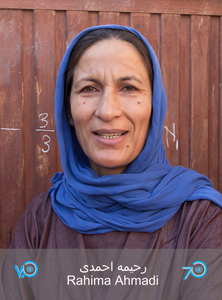
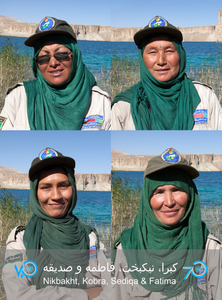
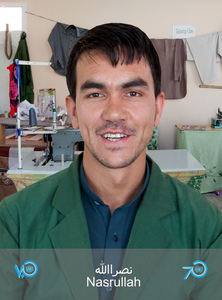
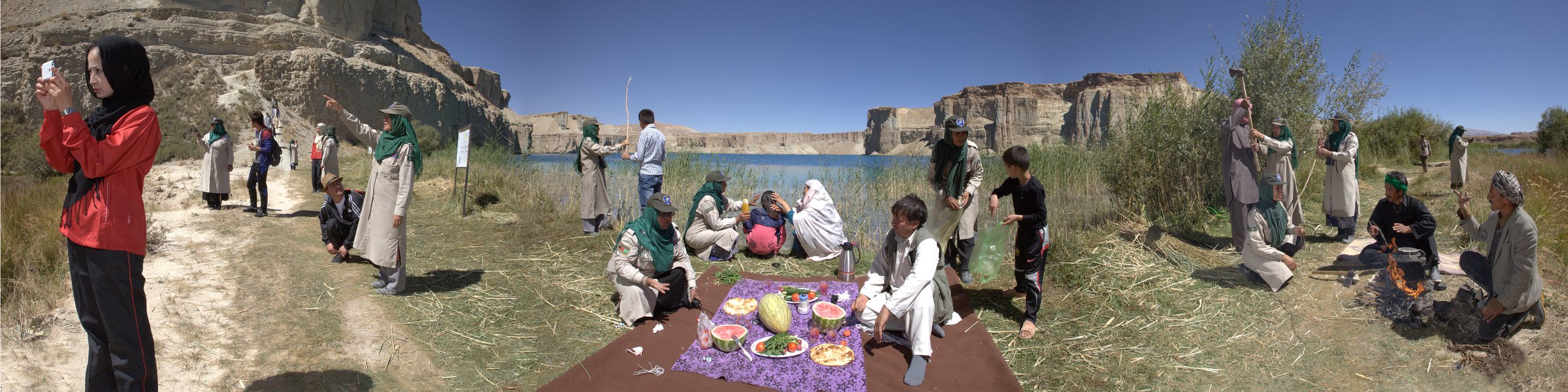
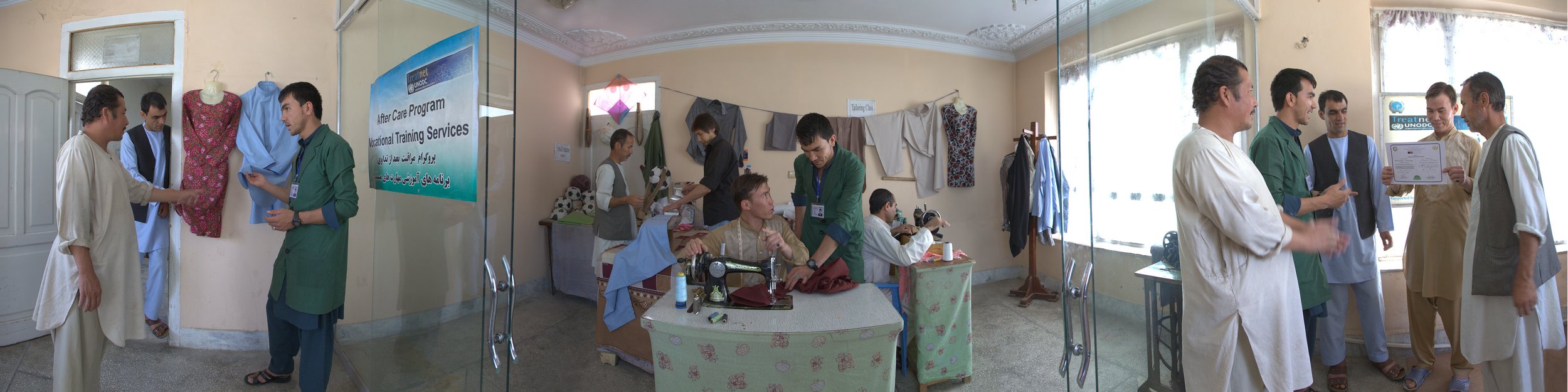
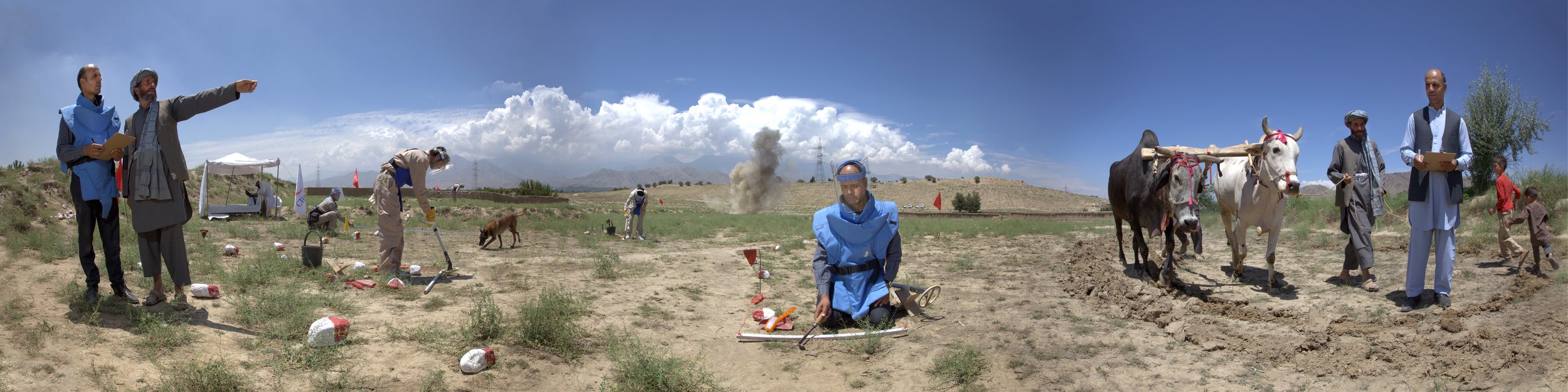
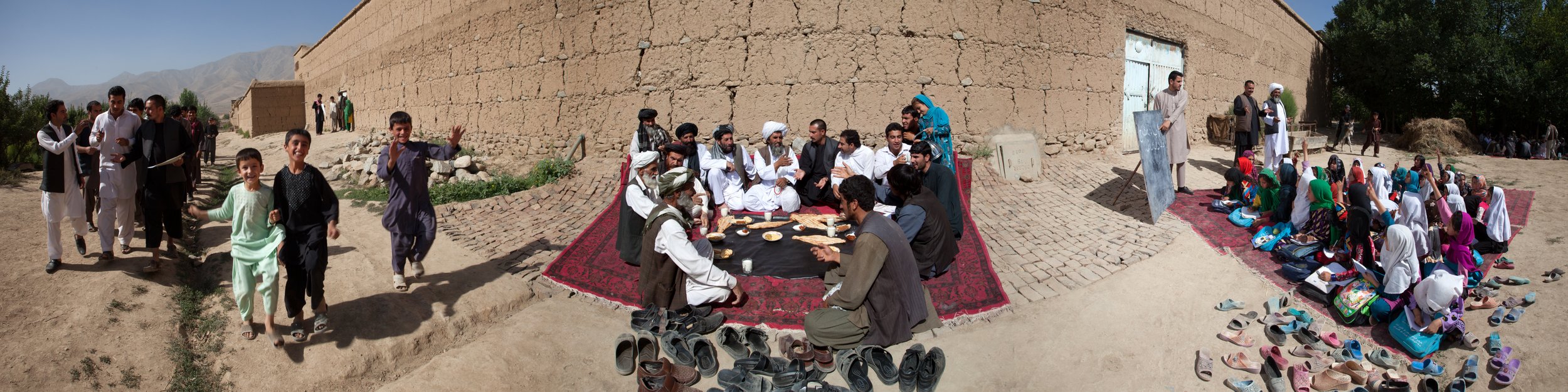
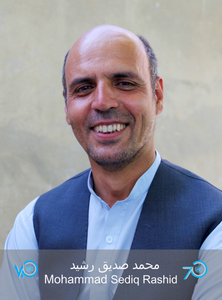
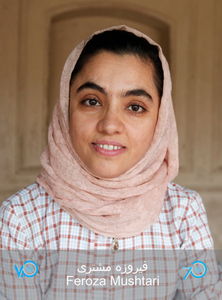
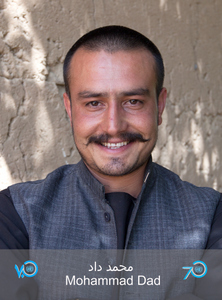
The UN70 "Strong UN. Strong Afghanistan." campaign documented the lives and contributions of Afghans across every region, including those with disabilities who are rebuilding their communities and serving in public roles. Explore the archived campaign stories, photographs, and messages from the Special Representative of the Secretary-General to see how Afghan individuals and institutions are shaping a more inclusive future. Follow UN Afghanistan on social media for ongoing updates from country teams across the region, and share these stories with colleagues, students, and community groups to keep the conversation about accessibility firmly on the public agenda.