
Making a Difference


Afghan Detention Center Reforms: UN Legal Aid for Pre-Trial Detainees
Pre-trial detention sits at the sharpest edge of criminal justice. A person may be held for weeks or months before a court decides whether there is enough evidence for a trial, whether bail is appropriate, or whether the case should be dismissed. Without timely legal advice, detention can become a punishment before guilt has been established.
In Afghanistan, these concerns have been shaped by conflict, displacement, poverty, limited court capacity and uneven access to trained legal professionals. A detainee may be held far from family, unable to understand the allegations, or uncertain about the next hearing date. Language, literacy and gender barriers can make an already difficult process harder to navigate.
The work associated with Afghan detention centre reforms has therefore involved more than refurbishing facilities. It has included legal aid, case review, referral systems, detention monitoring and support for justice institutions. UN assistance has generally aimed to strengthen Afghan capacity, improve procedural safeguards and help communities understand their rights.
For Australians, the issue is familiar in a different legal setting. The words “on remand” are commonly used in Australian courts, while “pre-trial detainee” is more widely understood internationally. Whether a matter is before a Magistrates’ Court in Melbourne, a Local Court in Sydney or a regional court in Queensland, the basic principle remains clear: a person awaiting trial should have a meaningful chance to obtain advice and challenge unlawful detention.
Why pre-trial detention requires urgent safeguards
Pre-trial detention is meant to serve a limited purpose. Authorities may hold someone to manage a serious flight risk, protect witnesses, prevent interference with evidence or respond to a credible risk of further harm. It should not become the default response to poverty, lack of documentation or an inability to pay an informal demand for release.
When legal representation is delayed, several problems can compound. A detainee may miss a deadline, fail to apply for bail, sign a statement without understanding its consequences or remain in custody while a file moves between police, prosecutors and courts. Each delay increases pressure on families and may encourage an admission simply to bring the uncertainty to an end.
Afghanistan’s geography adds a practical dimension. Travelling between provinces can be difficult, particularly for families affected by insecurity or limited income. A person held in a provincial detention facility may have little contact with a lawyer based in Kabul or another major centre. Legal aid must therefore be organised around local access, interpreters, reliable case records and communication with relatives.
A fair process also requires attention to different groups’ needs. Women and children in conflict with the law may require specialised assistance, privacy and protection from coercion. People with disabilities, limited literacy or no family support can face additional obstacles. A detention reform programme that treats every detainee as administratively identical will miss the people most at risk.
What legal aid should provide before trial
Effective legal aid starts as soon as possible after arrest or detention. The lawyer or trained legal aid provider should explain the allegations, the right to remain silent, the purpose of the first hearing and the available options for release. This early conversation is practical protection, rather than a formal courtesy.
Representation should continue through the key stages of a case. That can include reviewing the detention order, preparing a bail request, challenging unlawful evidence, seeking access to medical care and ensuring that the accused understands each hearing. Where a case should not proceed, counsel can ask prosecutors or courts to address the problem instead of allowing an inactive file to remain open.
A functioning service also needs referral pathways. A detainee may require an interpreter, a social worker, a protection service, medical assistance or help contacting family. Legal aid providers need a clear way to refer those needs and to follow up. Otherwise, a referral may look complete on paper while the person remains without practical support.
Quality matters as much as coverage. Lawyers need training in criminal procedure, professional ethics, interviewing vulnerable clients and working with interpreters. They also need reasonable caseloads, confidential meeting spaces and protection from pressure. A rotating duty lawyer who has only a few minutes to skim a file cannot offer the same safeguard as a properly prepared representative.
The UN’s role can include technical advice, training, coordination and support for rights-based monitoring. It cannot replace national courts, prosecutors, defence lawyers or prison authorities. Sustainable reform depends on Afghan institutions being able to maintain the service when an international project ends.
Building reform inside detention centres and courts
A detention centre is connected to the wider justice system. Improving a cell block without improving registers, court scheduling and case communication may produce a cleaner facility but leave unlawful or prolonged detention untouched. Reform must link prison administration with police, prosecutors, judges, defence counsel and social services.
Basic records are particularly important. Authorities should be able to identify who authorised detention, when the person was brought before a judge, what charges are recorded, when the next review is due and whether a lawyer has been assigned. Accurate information can reveal people whose cases have stalled and help courts prioritise overdue reviews.
Independent or sufficiently impartial monitoring provides another layer of protection. Monitors can speak privately with detainees, inspect conditions, record complaints and identify patterns such as overcrowding, ill-treatment or repeated delays. Their findings should lead to action, not simply disappear into a report.
The public also needs understandable information. Posters, radio messages, community outreach and legal information in local languages can explain how to request counsel and where complaints may be made. In places where many people rely on family networks or community leaders, trusted local channels can make formal rights more accessible without substituting community pressure for legal advice.
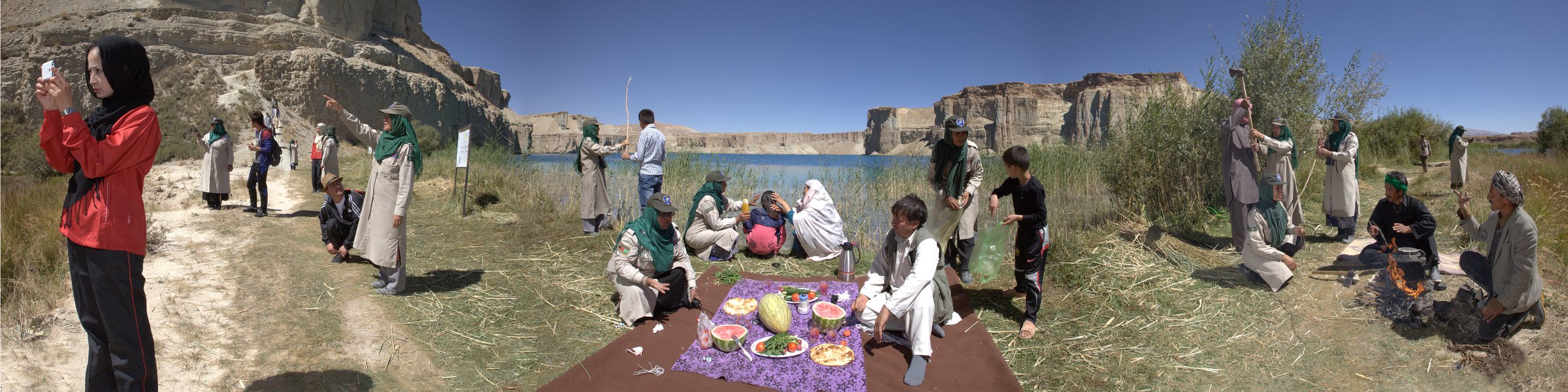
The archived UN Afghanistan archive reflects the broader public-facing work of the UN in Afghanistan, including messages, photographs and stories from a completed campaign. It is useful as historical context, but visitors should recognise that an archived campaign page is not a current legal aid intake service or a live channel for detention complaints.
Practical safeguards for a fairer process
Reform is strongest when it turns broad rights into routine steps. A detainee should not have to know technical legal language to trigger assistance. Police, detention staff and court registries need simple procedures that make the next action visible and assign responsibility to a particular official or service provider.
The following measures can help prevent cases from disappearing between institutions:
- A prompt screening for legal aid eligibility after arrest
- A clear record of the detention authority and review date
- Private consultations with a lawyer or accredited adviser
- Interpreters and accessible information where required
Courts and detention managers can also use simple indicators to identify pressure points. These should support professional judgement rather than encourage staff to chase targets. A high number of releases may reflect better case review, but it may also reflect weak investigation if considered without other evidence.
Useful operational checks include:
- The proportion of detainees who meet a lawyer before the first hearing
- The number of cases with an overdue detention review
- Average time from arrest to judicial presentation
- Complaints referred, investigated and resolved
These safeguards are especially important where resources are tight. A small provincial legal aid office may not be able to provide a full case team, yet it can still maintain a register, prioritise vulnerable detainees and establish regular contact with courts. Gradual improvements in process can protect people while larger institutional reforms are still being developed.
What Australian readers can recognise in the issue
Australia has its own debates about remand, bail and access to representation. People appearing in a Local or Magistrates’ Court may receive help from a duty lawyer, Legal Aid commission or Aboriginal and Torres Strait Islander Legal Service, depending on the jurisdiction and circumstances. The arrangement is different from Afghanistan, but the underlying concern is comparable: an unrepresented person can struggle to make decisions with serious consequences.
The Australian context also shows why legal aid cannot be assessed by courtroom presence alone. Someone in a watch-house or correctional centre may need advice outside ordinary business hours, assistance understanding bail conditions or support dealing with housing, family violence, mental health or substance dependence. In regional Western Australia, the Northern Territory or far north Queensland, distance and workforce shortages can make access particularly difficult.
People in Australia often describe a fair process in plain terms: “Give them a fair go,” “get them a lawyer” or “sort it out before it drags on.” Those expressions capture the human purpose of procedural safeguards. They also point to the value of plain-language legal information, whether it is delivered through an Aboriginal community-controlled organisation, a suburban legal service or a community radio station.
There are important differences too. Afghanistan’s justice system has operated through conflict, changing institutions and severe access constraints, while Australian services work within established state and territory structures. Australian readers should avoid treating local programmes as a template to copy. The more useful lesson is that legal aid works when it is trusted, adequately funded, culturally informed and connected to the institutions making decisions about liberty.
Measuring whether detention reform is working
Success should be measured by whether people receive fair and timely decisions, not simply by the number of workshops held or manuals printed. A programme may train hundreds of officials while detainees still wait months for a lawyer. Monitoring needs to compare policy with actual experience inside police stations, courts and detention facilities.
Data should be disaggregated where it is safe and ethical to do so. Sex, age, location, disability, language and legal representation can reveal whether a reform reaches groups who are otherwise hidden in overall figures. Privacy protections are essential, particularly when information could expose a person or family to retaliation.
Qualitative evidence matters as well. Interviews with detainees, lawyers, judges, prosecutors, families and civil society groups can show why a referral failed or why a court order was not implemented. A register may record that counsel was assigned, while an interview reveals that the lawyer never met the detainee or could not access the case file.
Long-term reform also requires institutional ownership. Donor funding, UN technical support and international monitoring can help establish systems, but national authorities and local professionals must have the authority and resources to operate them. Training should be paired with supervision, written procedures, professional standards and a budget that extends beyond a pilot project.
The central test is straightforward: can a person held before trial understand the case, reach a lawyer, challenge detention and receive a timely decision from an impartial authority? Afghan detention centre reforms will have lasting value when those protections become ordinary practice rather than exceptional assistance.
Supporting credible legal aid, independent monitoring and humane detention standards gives justice reform a practical foundation. Organisations working with Afghan communities can use rights-based programmes, local partnerships and careful evidence to strengthen that foundation. Readers in Australia can follow informed reporting, support reputable legal and humanitarian organisations, and keep attention on the principle that liberty before trial must never depend solely on wealth, geography or personal connections.