
Making a Difference
Mobile phones and Afghan community health education
Mobile phones can turn a health message into something people can hear, read, save and act on within minutes. In Afghan communities, where trusted information may travel through family networks, health workers and local leaders, a well-designed awareness campaign can reach people who cannot attend a clinic or read lengthy printed material. Its value lies not in the device alone, but in how a message is created, delivered and linked to a real service.
Afghanistan’s connectivity is uneven, and many households share devices or depend on intermittent networks. UN mobile phone awareness campaigns must therefore combine simple digital content with reliable referral information and human support. Messages should work on basic handsets, remain understandable in Dari, Pashto and regional dialects, and never become a substitute for qualified health care. For Australian organisations and Afghan community leaders, the approach also offers a way to strengthen health literacy within diaspora communities while supporting community-led work in Afghanistan.
Why mobile health communication matters
Mobile health education can use short text messages, recorded voice prompts, interactive voice response, social messaging and calls from trained health workers. Each format serves a different purpose. SMS can deliver a reminder or essential fact; a voice message can reach someone with limited literacy or an accessible need; a two-way conversation can answer a concern and connect the recipient to a clinic. The strongest campaigns combine these channels rather than relying on a single platform.
Trust is central to public health communication. People are more likely to act on guidance that comes through a familiar health worker, community organisation or respected community figure, particularly when misinformation is circulating. Mobile campaigns should protect this trust by using verified accounts, identifying the sender and providing a way to check information. Sensitive details should never be requested through an open messaging group, and recipients should be able to stop receiving messages without embarrassment or penalty.
This approach also has value for Afghan communities in Australia. In Sydney, Melbourne, Adelaide and other cities, community organisations frequently combine face-to-face meetings with text messages and social media to share health information, appointment reminders and referral details. Shared phones, varied levels of digital confidence and a preference for spoken communication remain everyday realities. A mobile-first strategy can bridge gaps between community events and clinical services, provided that privacy and choice are respected.
Co-design messages with Afghan communities
Effective messages should be developed with the people who will receive and use them. Community health workers, women’s groups, local religious leaders, youth representatives and people with lived experience can identify confusing language, false assumptions and practical barriers. Co-design also prevents a campaign from treating Afghan communities as a single audience. Needs differ by region, age, gender, disability, literacy, migration experience and access to services.
Content should focus on one actionable behaviour at a time. Examples include seeking antenatal care, following childhood immunisation advice, using safe water, recognising signs of dehydration, preparing nutritious meals or contacting a mental health professional. Every message needs a clear next step, such as attending a clinic, calling a verified number, asking a trained facilitator or storing a reminder for later. Avoid crowding a short SMS with unrelated facts, frightening imagery or claims that cannot be substantiated.
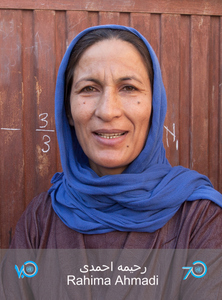
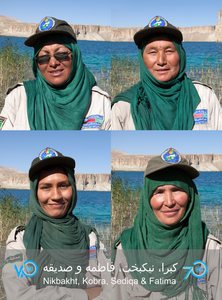
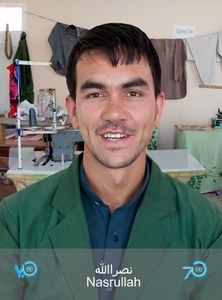
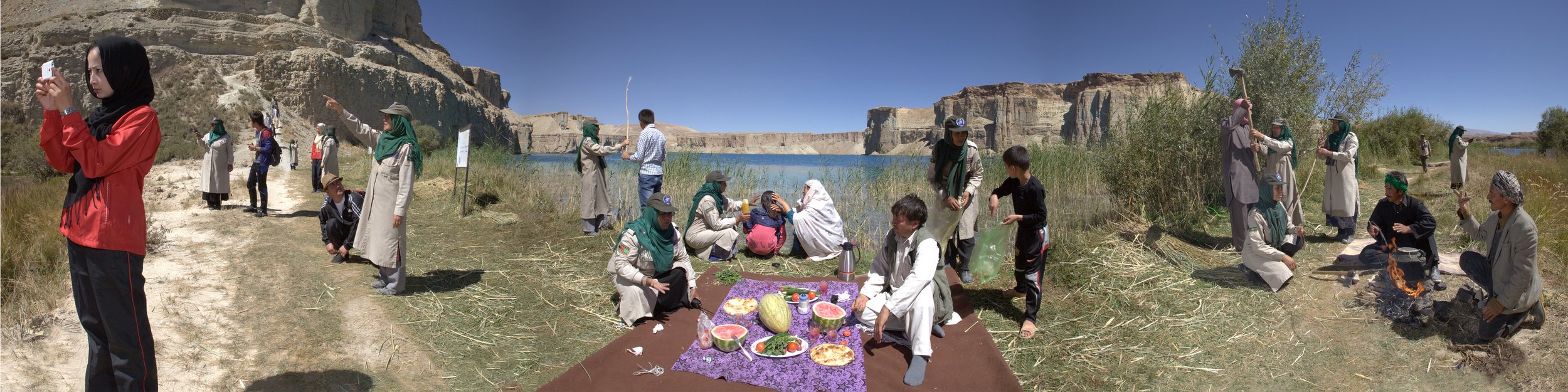
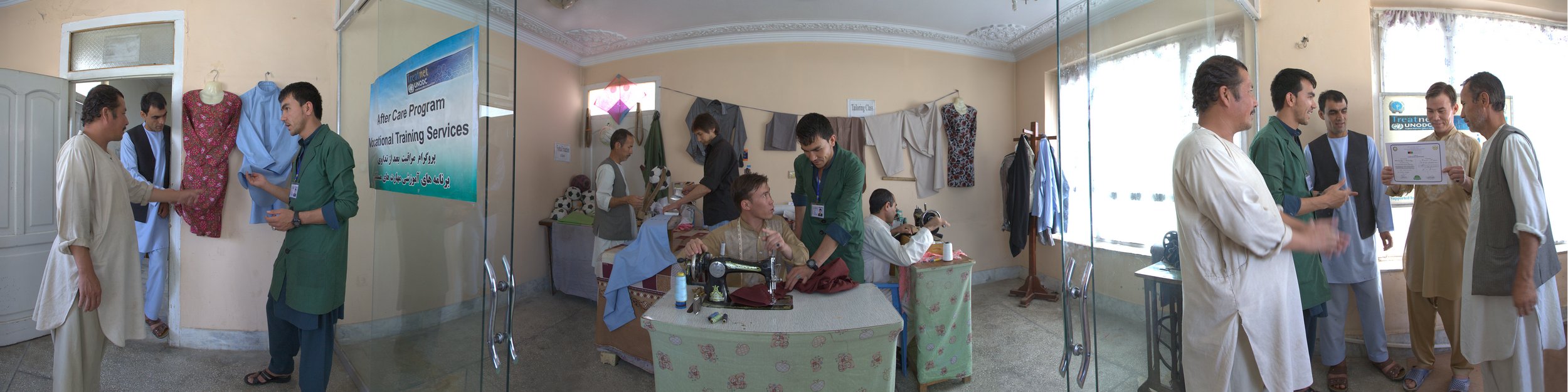
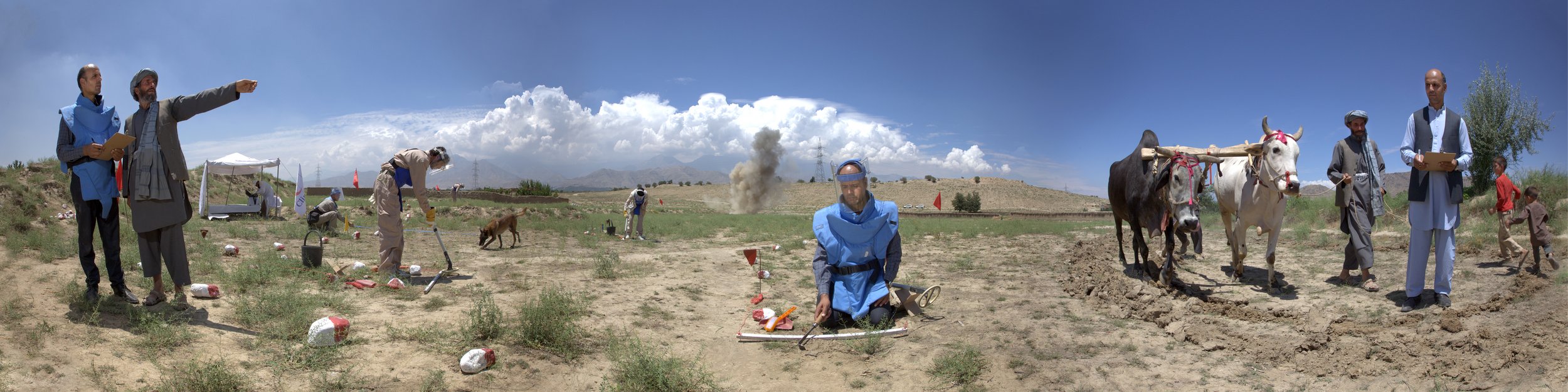
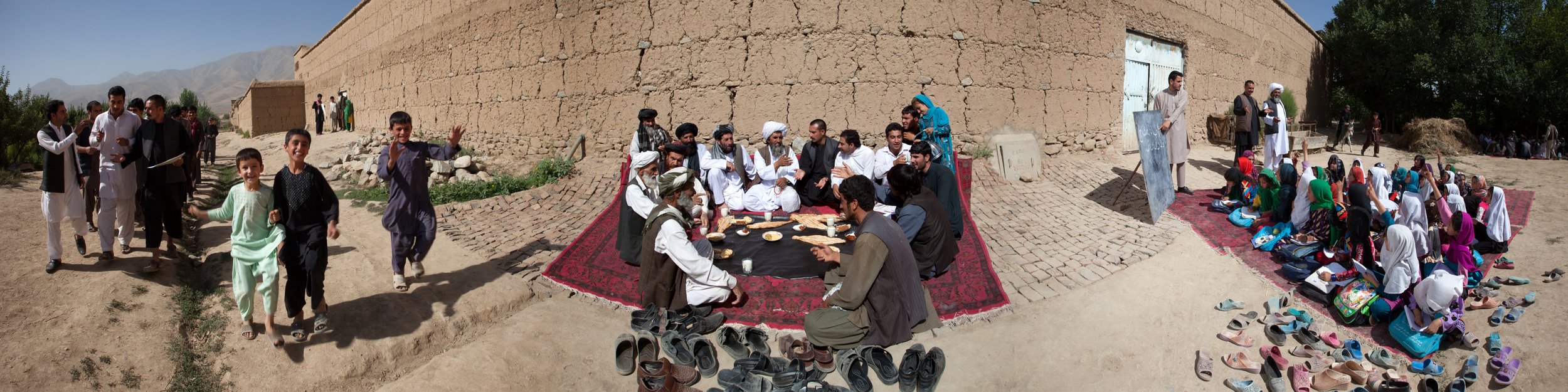
Campaign records can show the human side of public health communication. The archived UN Afghanistan campaign brings together photographs, news, messages from the Special Representative of the Secretary-General and links to United Nations media and social channels. The completed site is no longer active as a public information service, but it remains a useful reference for campaigns grounded in Afghan voices, dignity, participation and shared development.
Compare communication channels
Different channels serve different purposes, and local conditions should determine the mix:
| Channel | Best suited to | Practical strength | Common limitation | Privacy and trust check |
|---|---|---|---|---|
| Short SMS | Reminders, key facts and referral prompts | Works on basic phones and uses little data | Character limits and shared devices can reduce privacy | Use consent, minimal personal data and a clear opt-out |
| Voice message or interactive call | Accessible guidance and spoken instructions | Supports people who prefer listening or struggle with written text | Call costs and limited operating hours | Use a verified number, clear recording notice and verified referral details |
| Messaging groups | Peer questions and two-way discussion | Allows clarification and community feedback | Requires data, moderation and a trusted administrator | Keep health records out of group chats and moderate misinformation |
| Community meeting with phone follow-up | Trusted education reinforced by reminders | Combines personal discussion with a practical digital action | Requires time and local coordination | Avoid exposing attendance and allow private message preferences |
In Australia, channel choice should reflect the audience rather than technology fashion. Sydney and Melbourne have established Afghan community networks connected with general practitioners, pharmacies, mosques and community centres, while Adelaide and other cities support smaller networks with distinct local needs. Local staff often use SMS and social messaging alongside phone calls, printed referrals and face-to-face education. Australia’s multilingual communications market and established telehealth sector can support pilots, but access still varies with language confidence, disability, age and the ability to use a device privately.
A hybrid model usually produces better results than a digital-only campaign. A community health worker can explain a health topic during a clinic visit or community session, then send an approved SMS with the essential action and referral details. A voice version can be delivered when literacy, vision or data costs make text less suitable. Partners should test each message with intended recipients and confirm that the advertised service exists before the first message is sent.
Prepare a privacy-conscious Australian pilot
A pilot becomes useful when its materials and responsibilities are ready before promotion begins. Keep the scope narrow: one health issue, one audience segment and one verified referral pathway. A community health worker should review the wording, while a local organisation should confirm opening hours, transport options and the correct number to call. Emergency information should direct people to appropriate local emergency services rather than waiting for a campaign response.
A compact content set can support the pilot:
- A 160-character SMS with one action, one time and one trusted source.
- A 60-second voice script in Dari and Pashto, adapted where regional dialects require it.
- A referral card showing the service name, opening hours and a verified contact number.
- A short question-and-answer guide for community health workers handling common concerns.
Delivery controls should be equally explicit:
- Record consent before adding a recipient to a call list or messaging group.
- Collect only the information needed to deliver and evaluate the campaign.
- Use verified sender accounts and test every link, number and referral before release.
- Track aggregate results, protect records and delete personal data according to the stated retention period.
Australian legal requirements must also inform the project. Where the Privacy Act 1988 and Australian Privacy Principles apply, the collection, use and disclosure of personal information must align with the stated purpose and the consent provided. The Spam Act 2003 sets consent and identification rules for commercial electronic messages. Public-health campaigns may fall outside parts of that legislation, but clear sender identification, responsible record keeping and honoured opt-outs remain essential practices. Messages should also avoid unverified claims about treatments or products.
Put the campaign into practice
Success should be measured through comprehension and action rather than message volume alone. Ask recipients what they understood, whether the referral was accessible and which communication format they prefer. Record these findings in aggregated form, protect individual responses and use them to refine the message. The absence of replies may indicate a trusted message, but it may also reflect distrust, unclear instructions or an inaccessible service, so it should not be treated automatically as success.
Australian partners can contribute funding, translation review, digital delivery and evaluation while Afghan community members lead content decisions. Partnerships with community organisations, public-health services, universities and local media can connect campaigns with trusted messengers. This arrangement respects Afghan agency and avoids importing a model designed elsewhere without local adaptation. It also creates opportunities for two-way learning: community educators in Australia can test communication approaches locally, while health workers in Afghanistan contribute knowledge about language, trust and service delivery.
Choose one health topic, appoint a local health-education lead and launch a co-designed SMS-and-voice pilot with verified referral details.