
Making a Difference
Nourishing Afghanistan’s Children Through Supplementary Feeding
Children in Afghanistan face nutritional risks shaped by food insecurity, disease, displacement, poverty and limited access to health services. When a young child does not receive enough energy, protein or essential micronutrients, the effects can appear quickly as weight loss, weakness and reduced resistance to infection. Longer-term undernutrition can impair growth, learning and physical development.
United Nations agencies and their Afghan partners have supported several forms of child nutrition assistance, including supplementary feeding, community screening, therapeutic care and nutrition education. These services are designed to reach families through health facilities, mobile teams and community workers, especially in areas where household food supplies and medical services are under pressure.
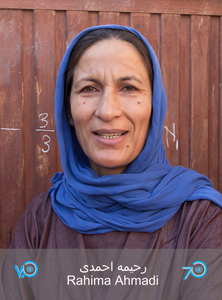
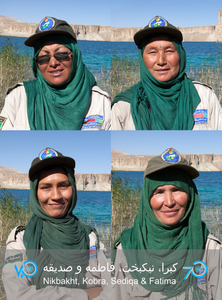
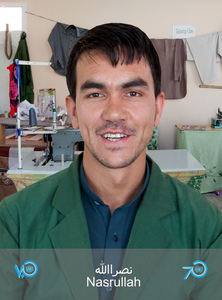
The archived UN Afghanistan campaign site offers a reminder that humanitarian work is built around people. For nutrition programs, that means the children receiving fortified food, the mothers bringing them for follow-up, the health workers measuring their growth and the communities helping identify danger signs early. Their experiences give practical meaning to international support for Afghanistan.
Why Child Nutrition Requires Early Action
Acute malnutrition can develop when a child experiences an inadequate diet, repeated illness or a sudden loss of household food. Diarrhea, respiratory infections, measles and other diseases increase nutritional needs while reducing appetite and the body’s ability to absorb nutrients. A child who is already undernourished may become dangerously ill after an infection that would be less severe for a well-nourished child.
Moderate acute malnutrition is commonly identified through measurements such as weight-for-height, mid-upper arm circumference and the presence of bilateral pitting edema. Screening does not replace a clinical assessment, but it helps health workers find children who need additional food and monitoring. Early referral can prevent a moderate condition from progressing to severe acute malnutrition.
The consequences extend beyond a child’s immediate health. Poor nutrition during the first years of life can affect immunity, cognitive development and school readiness. Supporting infants and young children therefore contributes to household resilience and Afghanistan’s longer-term human development, alongside the immediate goal of helping children recover safely.
How Supplementary Feeding Supports Recovery
Supplementary feeding programs provide an additional nutritional ration to children with moderate acute malnutrition. In many settings, eligible children receive specialized nutritious foods such as fortified blended foods or ready-to-use supplementary food. These products contain concentrated energy and nutrients in a form that can be used at home, while health workers track progress through scheduled visits.
The ration is intended to complement family meals, not replace them. Caregivers receive guidance on how to give the product, maintain hygiene, continue breastfeeding where appropriate and provide safe, locally available foods. The child’s condition is reviewed regularly. Improvement may be shown through weight gain, a healthier mid-upper arm circumference and the return of appetite and activity.
A supplementary feeding service usually operates within a broader community-based management of acute malnutrition system. Children with severe acute malnutrition, medical complications or feeding difficulties require therapeutic treatment and closer clinical care. Children who do not meet admission criteria may still need counseling, screening or referral if their growth is faltering.
Prevention, Treatment And Community Outreach
UN-supported nutrition work in Afghanistan can involve several complementary approaches. UNICEF has traditionally supported the supply of nutrition commodities, training and community-based services, while the World Food Programme has provided food assistance and nutrition support in many humanitarian operations. WHO contributes technical guidance and links between nutrition, disease prevention and health systems. Afghan ministries, local organizations and health workers make delivery possible at community level.
Blanket supplementary feeding is different from targeted supplementary feeding. A targeted service focuses on children already identified with moderate acute malnutrition. A blanket approach may provide a fortified ration to children in a defined age group or high-risk location during a period of severe food insecurity, helping prevent nutritional decline before acute malnutrition develops.
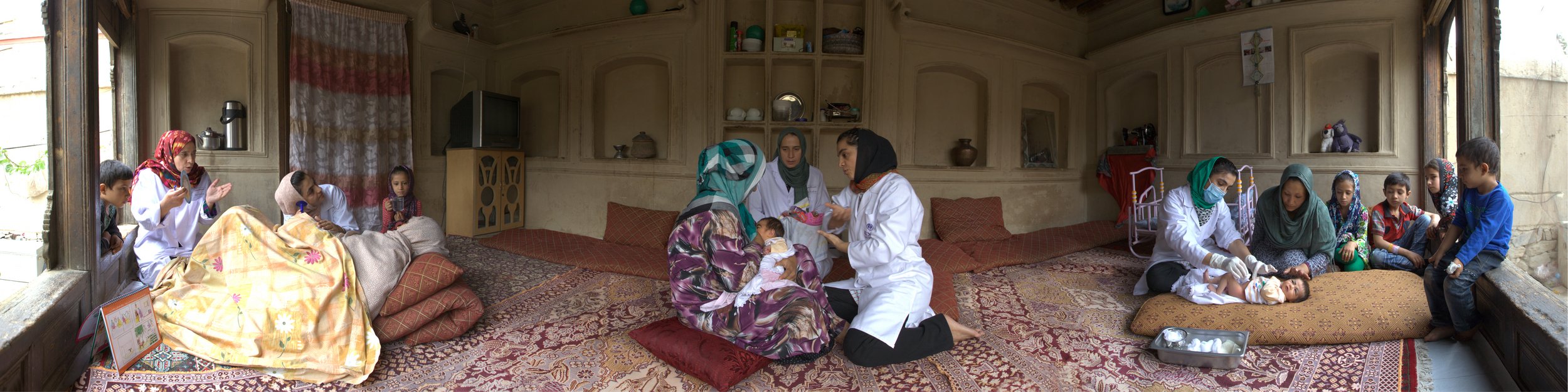
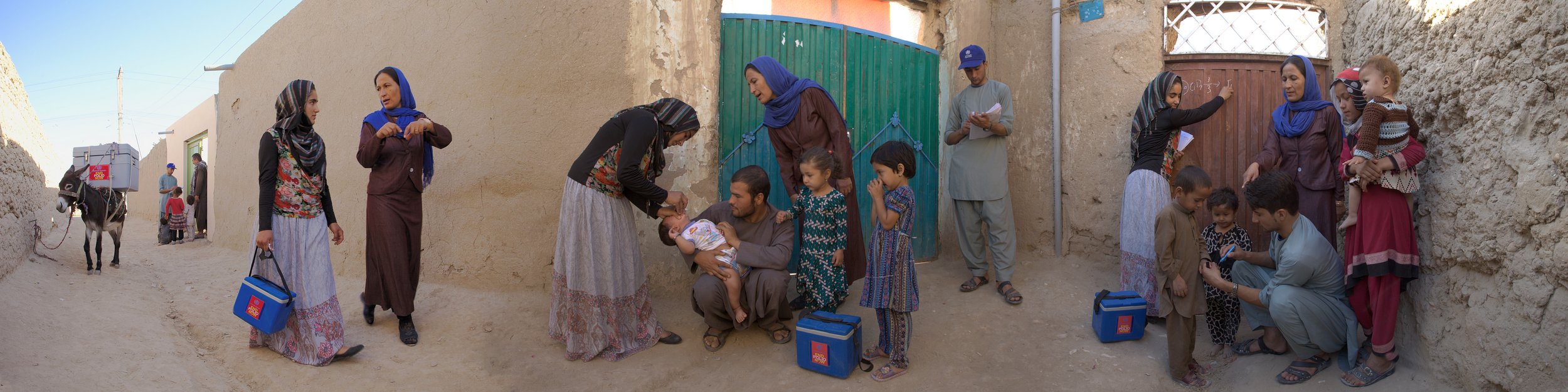
Community outreach is essential in a country where distance, insecurity, weather, transport costs and social barriers can delay care. Community health workers may screen children, explain referral procedures, trace families who miss appointments and share messages about breastfeeding, complementary feeding, clean water and handwashing. Mobile teams can extend services to remote settlements when fixed facilities are difficult to reach.
| Nutrition support | Main purpose | Typical beneficiaries | Common delivery features |
|---|---|---|---|
| Targeted supplementary feeding | Treat moderate acute malnutrition and prevent deterioration | Children with moderate acute malnutrition, often aged 6–59 months | Specialized supplementary food, regular measurements and caregiver counseling |
| Blanket supplementary feeding | Reduce the risk of acute malnutrition during a food or health crisis | Children or pregnant and breastfeeding women in high-risk areas | Preventive distribution, screening and links to other services |
| Outpatient therapeutic care | Treat severe acute malnutrition without medical complications | Children meeting severe acute malnutrition criteria and able to eat | Therapeutic food, frequent monitoring and referral if complications appear |
| Inpatient therapeutic care | Manage severe malnutrition with complications | Children requiring medical supervision | Hospital-based care, stabilization, treatment of infection and nutrition rehabilitation |
| Infant and young child feeding support | Protect feeding practices and prevent undernutrition | Infants, young children and their caregivers | Breastfeeding support, complementary feeding advice and practical counseling |
Food Quality And Safe Use Matter
The success of a feeding program depends on more than distributing a package. Supplies must arrive in adequate quantities, retain their nutritional quality and be stored safely. Health workers need clear eligibility criteria, reliable anthropometric equipment and enough time to explain the ration to caregivers. Accurate records help programs identify missed visits, stock shortages and areas with rising need.
Safe preparation and use are equally important. Caregivers may be told whether a product should be eaten directly or mixed with water, how much to provide and how to keep it away from contamination. Clean hands, safe water and clean utensils reduce the risk that a child will develop diarrhea while receiving nutritional support. Instructions must be communicated in accessible languages and adapted to local circumstances.
Cultural knowledge also improves acceptance. Families are more likely to use a nutrition product correctly when health workers listen to their concerns and explain how it fits with customary meals. Counseling can include locally available sources of protein and energy, while recognizing that advice must remain realistic for households facing high food prices or limited access to markets.
Linking Nutrition With Health And Protection
A child’s recovery is more secure when feeding support is connected to other essential services. Vaccination, deworming where appropriate, vitamin and mineral interventions, clean water, sanitation and treatment for common infections can all influence nutritional outcomes. Health workers may also check for anemia, developmental concerns and signs that a child needs urgent medical attention.
Maternal nutrition is part of the same picture. Pregnant and breastfeeding women require adequate food and care to protect their own health and support infant growth. Programs that provide counseling or supplementary assistance to women can strengthen household nutrition and encourage timely breastfeeding and complementary feeding practices.
Protection concerns must be considered as well. Displaced families, households headed by women, children with disabilities and communities affected by conflict may face additional barriers to registration and follow-up. Services should be delivered without discrimination, with attention to privacy, safe access and the dignity of children and caregivers. Community participation helps identify barriers that a centrally designed program may overlook.
Measuring Results Beyond Distribution
A strong nutrition response tracks outcomes rather than counting only the number of food packages delivered. Useful measures include enrollment, attendance, recovery, default, non-response, mortality and referral rates. Programs also need to monitor the availability of nutrition commodities and the quality of screening, counseling and follow-up.
Results can be affected by factors outside the feeding center. A child may recover during treatment but become malnourished again if the household has no reliable food, safe water or access to primary healthcare. Follow-up, referrals and links to cash assistance, food security programs and livelihood support can reduce that risk. Nutrition surveillance helps identify communities where assistance needs to be adjusted as conditions change.
The voices of Afghan families should remain part of evaluation. Caregivers can explain whether a distribution point is accessible, whether instructions are understandable and whether the ration is acceptable to children. Health workers can identify workload pressures and supply problems. Using this information makes programs more responsive and supports the principle that affected communities are partners in humanitarian action.
Practical Priorities For Stronger Child Nutrition
- Expand regular screening through community health workers, clinics, outreach teams and safe referral pathways.
- Maintain dependable supplies of therapeutic and supplementary foods, with careful storage and transparent stock monitoring.
- Combine feeding assistance with breastfeeding support, infection treatment, immunization, clean water and sanitation measures.
- Design services around the needs of remote, displaced and otherwise underserved families, including children with disabilities.
- Use recovery data and caregiver feedback to improve follow-up, prevent relapse and direct resources to areas of greatest need.
Afghan children’s nutrition depends on sustained, coordinated action rather than a single distribution. Supplementary feeding can help a child regain strength, yet its full value emerges when it is connected to household food security, primary healthcare, maternal support and community-led prevention. The work of UN agencies and Afghan partners is strongest when international resources reinforce local knowledge and trusted services.
The archived UN Afghanistan campaign provides a public record of how the United Nations presented its partnership with Afghan communities. Readers can use the site’s preserved photographs, messages and media links as historical context, then consult current UN agency and humanitarian sources for updated information about nutrition needs, program access and funding priorities. Supporting credible humanitarian organizations, sharing verified information and keeping children’s health at the center of policy decisions are practical ways to help sustain nutrition assistance in Afghanistan.