
Making a Difference
Restoring Hope Through Play Therapy for Afghan Children
Millions of Afghan children have grown up surrounded by conflict, displacement and loss. For decades, their daily reality has included uncertainty about safety, education and the wellbeing of family members. While physical injuries often attract immediate medical attention, the quieter wounds carried in a child's mind can go unrecognised for years. The United Nations, working alongside national authorities and community groups, has increasingly turned to play therapy as a way to reach children who struggle to put their experiences into words.
The approach recognises that children express grief, fear and confusion through play long before they can articulate those feelings verbally. In settings where traditional counselling methods may feel foreign or intimidating, a box of crayons, a doll or a tray of sand can open a door that adults often cannot. Across Afghanistan, UN-supported programmes have trained facilitators to use these tools in schools, community centres and refugee camps.
Australia's interest in this work is not distant. With one of the largest Afghan diasporas in the world, communities in Melbourne, Sydney and Brisbane have welcomed relatives and neighbours whose children carry the same burdens described in UN field reports. Australian practitioners, researchers and policy makers have watched these programmes closely, both to support newly arrived families and to learn from approaches that might inform care for Indigenous and refugee children closer to home.
This piece explores how the United Nations is supporting play therapy for Afghan children, why the model is gaining traction among child psychologists worldwide, and what lessons Australian families, clinicians and advocates can draw from the experience.
The Hidden Burden Carried by Afghan Children
Afghanistan has long been described as one of the most difficult places in the world to be a child. Decades of armed conflict, repeated displacement, drought and economic collapse have left a generation that knows little beyond instability. UNICEF and other agencies estimate that large numbers of Afghan children show symptoms consistent with post-traumatic stress, anxiety and depression, yet only a small fraction receive any form of psychological support.
The barriers to care are practical and cultural. There are simply not enough trained child psychologists for a population where roughly half the country is under the age of eighteen. Many families live in remote districts where travelling to a clinic means losing a day's wages. Stigma also remains a serious obstacle, with some parents reluctant to acknowledge mental distress in their children or to seek help outside the family.
Girls face additional pressures. Restrictions on education, early marriage and reduced mobility have all been linked to higher rates of emotional distress. Boys, meanwhile, are often encouraged to suppress difficult feelings in line with cultural expectations of toughness. The result is that a great deal of childhood suffering passes silently, surfacing later as anger, withdrawal or self-harm.
Why Play Therapy Resonates with Children
Play therapy is built on a simple but powerful observation. Children use play the way adults use language. A child who cannot yet explain what frightens them may act out a scene with toy figures, build and demolish towers, or draw the same image over and over. When a trained adult watches without judgement and gently reflects back what they see, the child begins to feel heard.
The approach draws on the work of figures such as Virginia Axline, whose child-centred philosophy placed the child's own pace and choices at the heart of healing. Modern facilitators adapt these ideas to humanitarian settings, blending directive and non-directive techniques. Sessions might involve drawing, puppet stories, clay modelling or sand-tray work, each chosen to match the child's age, mood and cultural background.
For Afghan children in particular, the symbolic nature of play allows them to process experiences that feel too dangerous or shameful to discuss directly. A boy who witnessed a bombing may not be able to talk about it, but he can pile stones into a small tower and then knock it down, again and again, until the fear begins to loosen its grip. The act of doing so within a safe relationship is itself therapeutic.
Core Elements of an Effective Session
While every child is different, play therapy sessions in UN-supported programmes tend to share several common features. These elements help create the sense of safety and predictability that traumatised children need before they can begin to explore difficult material.
- A consistent, calm facilitator who follows the child's lead rather than directing the activity.
- A small, well-organised room with a clear range of materials, including drawing tools, puppets, figures, clay and sand.
- A predictable structure that the child can rely on, even if other parts of life feel chaotic.
- Confidentiality and gentle boundaries, so the child learns that the space is both safe and trustworthy.
When these elements are in place, even a short weekly session over several months can lead to noticeable shifts in a child's mood, sleep and behaviour. Parents and teachers often report that a withdrawn child begins to speak again, or that a previously aggressive child finds calmer ways to express frustration.
UN-Backed Programmes on the Ground
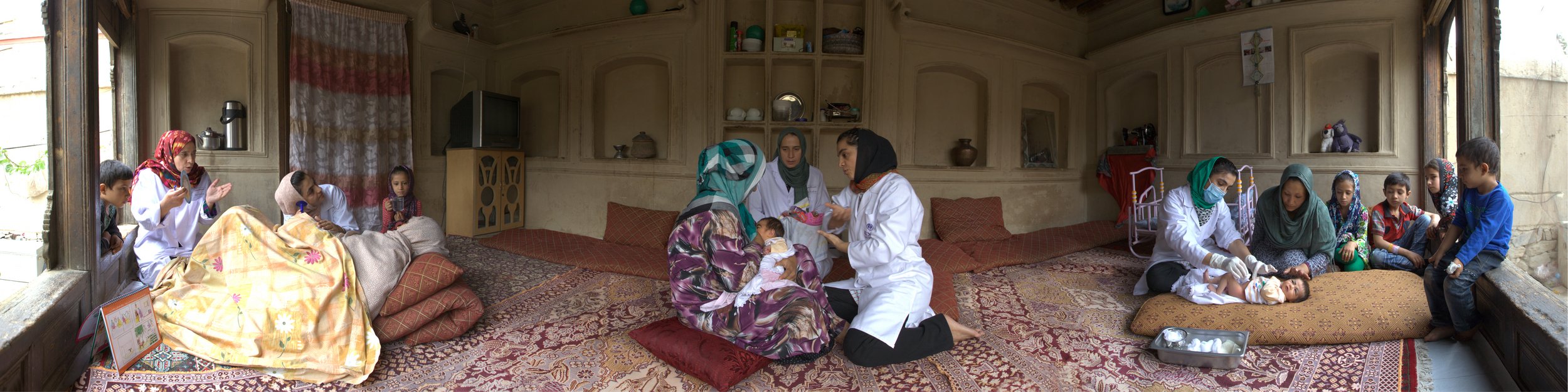
The United Nations in Afghanistan has woven play therapy into a wider network of child protection and psychosocial support services. Working through UNICEF, the World Health Organization and specialised NGOs, UN teams have established child-friendly spaces in displacement camps, returned communities and urban neighbourhoods where families have sought refuge from rural insecurity.
These spaces are designed to feel different from a clinic. Bright rooms, soft cushions and a clear routine give children a sense of predictability that their home lives may lack. Within them, trained facilitators run group activities that rebuild social skills alongside individual sessions that address specific trauma. Parents are often included, helping families understand that a child's difficult behaviour is often a signal rather than a failure.
Education is a closely linked strand. Teachers in UN-supported schools receive introductory training in recognising distress and using simple play-based techniques in the classroom. This matters because, for many Afghan children, school is the only stable environment they have. A teacher who can sit with a child over a drawing during break time may be the first adult to notice that something is wrong.
Training Local Facilitators
Sustainable change depends on local people. International organisations visiting for short missions cannot reach the millions of children who need support, and they cannot adapt quickly enough to shifting local realities. The UN's response has been to invest heavily in training Afghan facilitators, many of them women, who understand the language, customs and family dynamics of the children they serve.
Training typically combines classroom learning with supervised practice. Trainees learn child development theory, basic counselling skills, trauma-informed care and the practical use of play materials. They then practise in real settings under the eye of an experienced supervisor, gradually building confidence. The aim is not to produce qualified psychologists, who remain rare, but a layer of community workers who can offer reliable first-line support and refer more complex cases onward.
The ripple effect of this approach reaches well beyond the children who attend sessions. Facilitators share what they have learned with siblings, neighbours and teachers, slowly shifting community attitudes towards mental health. In districts where the programme has run for several years, local leaders report that families are more willing to discuss difficult feelings and to seek help earlier.
Lessons That Travel to Australia
Australia has long been a country shaped by migration, and the experiences of newly arrived Afghan children echo those of earlier refugee communities, including those who came from Vietnam, Iraq and Sudan. Practitioners in Melbourne and Sydney have pointed to play-based approaches as a culturally flexible way to support these children, especially when language barriers make talk-based counselling difficult.
Australian organisations have also developed their own distinctive models. Bush play therapy, for instance, draws on the country's outdoor culture and Indigenous knowledge, using natural settings to help children regulate their emotions and reconnect with a sense of belonging. While the environment is very different from a Kabul displacement camp, the underlying principle is similar. Children often open up more readily when they are moving, creating and exploring rather than sitting across from an adult at a desk.
Mental health policy in Australia has begun to reflect this understanding. Several overlapping systems make professional support accessible for families who might otherwise struggle to afford it.
- Medicare rebates for psychology sessions, which reduce the out-of-pocket cost of seeing a registered psychologist for eligible children.
- The National Disability Insurance Scheme, which can fund therapeutic supports for children whose mental health needs are linked to developmental or psychosocial disability.
- School-based wellbeing teams and chaplains, who offer an early point of contact within the education system.
- State-funded refugee health services in cities such as Melbourne, Sydney, Brisbane and Adelaide, designed to navigate families through complex systems.
The experiences of UN play therapy programmes in Afghanistan reinforce what Australian clinicians see every week. Investing in children's mental health early is both kinder and more cost-effective than waiting for problems to harden into adolescence or adulthood.
Sustaining the Work Beyond a Single Campaign
A recurring challenge for humanitarian programmes is what happens when funding cycles end and international attention moves elsewhere. The United Nations has worked to embed play therapy within national systems, supporting the Afghan Ministry of Health as it develops community-level mental health guidelines and training curricula. The goal is a future in which Afghan children can access support from local services rather than waiting for outside donors.
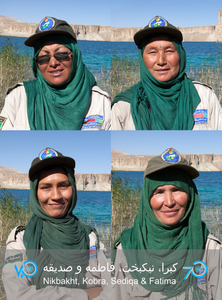
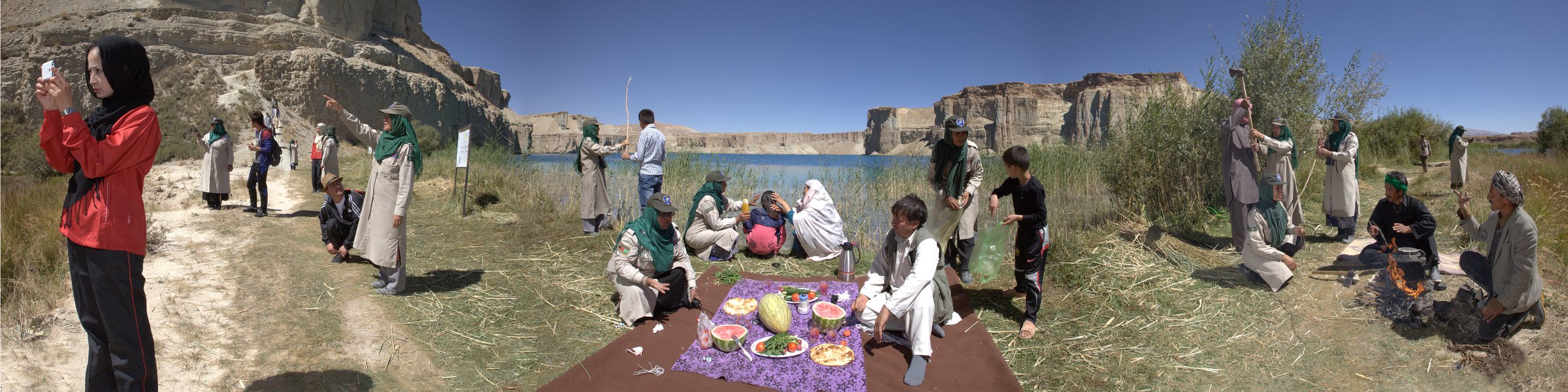
Community resilience is also part of the picture. Young Afghans involved in tree planting and environmental projects show how a sense of purpose can be restorative in itself. Many of the same facilitators who run play sessions also help coordinate these environmental initiatives, recognising that rebuilding hope and rebuilding a landscape are closely connected tasks.
For donors, governments and partner organisations, the message is that mental health support for children cannot be treated as a short-term add-on. It needs to be funded consistently, integrated into schools and health centres, and linked to wider efforts on gender equality, education and livelihood security. The children who benefit today will be the parents, teachers and leaders of tomorrow, and their capacity to build a more peaceful Afghanistan depends in part on the healing they receive now.
Take a moment to explore the broader UN Afghanistan campaign, including the inspiring work of Afghan youth environmental clubs and the many other ways young Afghans are rebuilding their communities from the inside out.