
Making a Difference
UN Physiotherapy Centres Helping Afghan Children Live With Greater Dignity
In the mountainous provinces of Afghanistan, where decades of conflict have strained every layer of public infrastructure, children with disabilities often grow up without consistent rehabilitation support. Across a country where physical therapy services are concentrated in urban hospitals and where rural families may travel hours over rough roads, the United Nations has worked alongside national partners to establish community-based physiotherapy centres reaching marginalised young patients. For Australian readers, where similar paediatric rehabilitation models are familiar through the National Disability Insurance Scheme and university-led clinics in Sydney and Melbourne, the Afghan experience offers a contrast and a point of connection, particularly for the many Australians of Afghan heritage who maintain close ties with relatives and communities abroad.
The centres operate within a broader UN commitment to leaving no child behind, drawing on the expertise of agencies such as UNICEF, the World Health Organization and UNFPA, while remaining grounded in the lived realities of Afghan families. Their work reflects the conviction that mobility, communication and independence are foundational rights rather than luxuries. By embedding rehabilitation within primary health care, schools and home visits, the programme bridges clinical expertise and everyday life.
How Community-Based Rehabilitation Reaches Remote Families
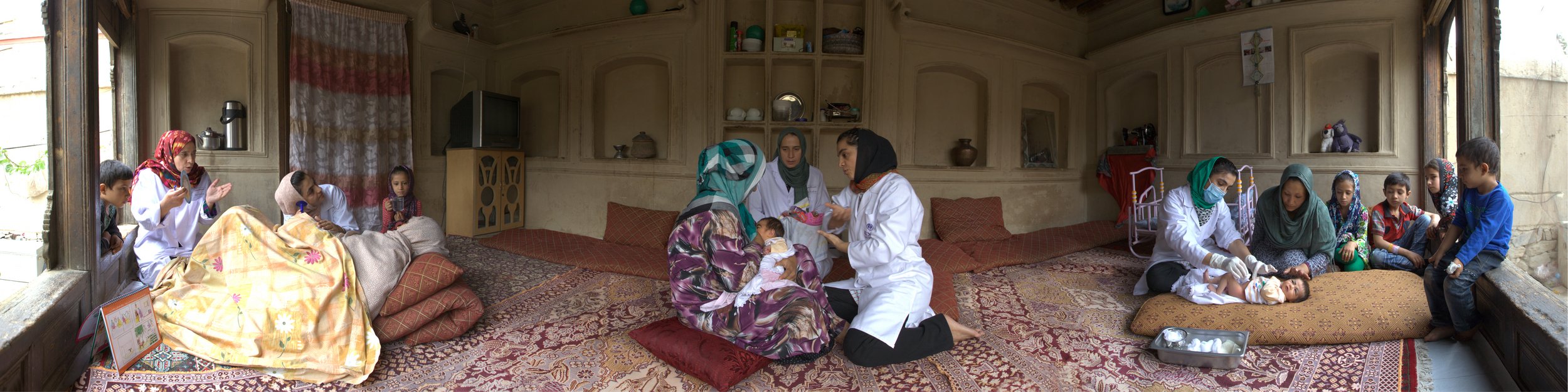
The first pillar of the UN approach in Afghanistan is community-based rehabilitation, a model long championed by WHO and adapted to local conditions. Rather than asking families to bring children to distant hospitals, physiotherapists travel to district-level centres, basic health clinics and even homes. In provinces such as Bamyan, Daikundi and Badakhshan, where winter snowfall can isolate entire valleys, mobile teams carry exercise cards, low-cost assistive devices and printed guidance for parents who themselves become daily therapists.
This approach echoes developments in remote parts of Australia, where the Royal Flying Doctor Service and outreach teams from organisations such as Novita and Therapy Focus in Western Australia deliver paediatric physiotherapy to families across vast distances. In both contexts, rehabilitation must follow the child, not the other way around. Equipment is chosen for durability, and exercises work on a woven rug, a wooden bench or a courtyard wall, using household objects as therapy tools.
Training is central to the model. Parents learn stretching routines, positioning techniques and how to spot early warning signs such as contractures or pressure sores. Local schoolteachers are coached in simple inclusion strategies, so that a child who uses a walking frame or a postural chair can stay in class rather than being hidden at home. Volunteers from the same villages, often women who have completed secondary school, are trained as peer supporters, creating a small workforce that understands local language, customs and family hierarchies.
Physiotherapy Techniques Tailored to Afghan Children
The clinical work inside the centres reflects the realities of paediatric disability in a low-resource setting. Many children arrive with cerebral palsy, the consequences of birth-related complications, untreated neonatal jaundice, or injuries sustained in accidents and explosions. Polio, although officially eliminated in neighbouring countries, continues to leave residual paralysis in older children, while clubfoot and hip dysplasia are common in infants.
Physiotherapists apply a mix of neurodevelopmental techniques, strength training, gait re-education and play-based therapy. For infants with clubfoot, the centres follow the Ponseti method, a series of plaster casts and braces that has become the global standard of care. Australian-trained physiotherapists will recognise this approach from practice at major hospitals such as the Royal Children's in Melbourne and Westmead in Sydney, where the technique is taught to postgraduate students. The shared knowledge base makes it easier for visiting specialists from Australia and other countries to contribute meaningfully during short-term missions.
Cultural sensitivity shapes every session. Female physiotherapists treat girls whenever possible, and male staff work alongside fathers and older brothers in ways that respect household modesty norms. Sessions are scheduled around prayer times, school hours and seasonal workloads such as harvest, when families cannot easily attend. Where a child is nonverbal, therapists rely on observation, parental interview and simple functional tests, since formal assessment tools in English or in Persian-Dari are scarce. Translators, often drawn from the local health team, help bridge any gaps.
Assistive Devices and the Search for Affordable Solutions
Affordable assistive technology is a constant theme. A standard wheelchair imported from overseas may cost more than a year's average income, and spare parts are difficult to source. The UN centres therefore work with local metalworkers, tailors and orthotists to produce custom devices: low-cost wheelchairs built from bicycle parts, standing frames made from welded steel, ankle-foot orthoses shaped from polypropylene, and adapted seating carved from compressed wood.
These locally manufactured aids echo the spirit of initiatives such as the University of Melbourne's Ability Hub research, which explores how everyday Australian materials can be repurposed for therapeutic use. In Afghanistan, the emphasis is even more pronounced because supply chains are fragile. A broken wheel bearing in a remote centre may wait months for a replacement, so designs prioritise simplicity, modularity and the ability to be repaired by a local mechanic with basic tools.
Children who receive a well-fitted device often experience rapid change. A girl who previously crawled across the floor of her family compound may, with a posture-supportive chair, be able to sit upright to eat with her family, attend school or participate in the small daily rituals of hospitality that are central to Afghan life. For boys recovering from conflict injuries, a prosthetic can mean returning to the family trade, helping with livestock or rejoining peers in informal football matches on dusty pitches.
Partnerships with Schools and Inclusive Education
Rehabilitation gains are fragile if they are not reinforced in the classroom. Across Afghanistan, an estimated nine in ten children with disabilities do not attend school, and girls with impairments face additional barriers related to gender norms and physical safety. The UN physiotherapy centres therefore partner closely with the Ministry of Education and community schools to embed support plans for children who would otherwise be excluded.
Therapists conduct classroom visits, train teachers in positioning, communication strategies and the use of assistive devices, and work with parents to advocate for enrolment. Some centres run inclusive early childhood groups where children with and without disabilities play together, breaking down stigma from an early age. These approaches mirror what educators in states such as Victoria and Queensland have built through their inclusive education policies, where therapy assistants and visiting specialists are part of the school day rather than separate services.
The partnership extends to the children's mental wellbeing. Group sessions incorporate drawing, storytelling and simple games that build confidence, especially for older children who may have experienced bullying or long periods of isolation. For many, the centre becomes the first place where their disability is treated as something to be supported rather than hidden, an experience that resonates with Afghan-Australian families in suburbs such as Dandenong and Auburn, where bilingual community workers navigate similar cultural conversations around disability.
Challenges of Funding, Access and Sustainability
The challenges remain substantial. Funding cycles for humanitarian work are short, while rehabilitation is a long-term commitment that may span a child's entire growth period. Security conditions limit the movement of staff, and the withdrawal of some international partners has reduced technical capacity in certain provinces. Droughts and severe winters deepen household poverty, forcing families to choose between travel costs and other essentials.
Australian readers familiar with the NDIS will recognise some of these tensions. Waitlists, plan reviews and the gap between rural and metropolitan services are common concerns voiced by families in places from Cairns to Hobart. The Afghan context simply adds additional layers: conflict, displacement and a health system that has been rebuilt several times over the past four decades. Through pooled funding, dedicated national staff and donor support, the UN centres have continued to operate in many districts.
Workforce development is another priority. Scholarships and online mentoring programmes allow Afghan physiotherapists to upskill, sometimes connecting with Australian universities for short courses and clinical exchanges. When a young therapist from Herat can discuss a complex case with a supervisor in Brisbane or Adelaide, the outcome is better care for a child and stronger professional confidence for the clinician.
Practical Lessons for Supporters and Partners
For readers who wish to engage more deeply with this work, several avenues exist beyond direct giving.
- Australian physiotherapists and final-year students can join UN agencies or reputable NGOs running short-term paediatric placements in Afghanistan through official partnership channels.
- Academics in rehabilitation sciences at universities in Sydney, Melbourne, Perth and elsewhere can co-author low-cost research on assistive devices, share open-access teaching materials in Dari and Pashto, and supervise remote case discussions.
- Afghan-Australian community organisations, particularly in Melbourne's south-east and Sydney's west, can partner with the centres on parent-to-parent mentoring, helping newly arrived families understand both Australian disability pathways and the situation of relatives overseas.
- Donors can prioritise multi-year, unrestricted funding rather than short project cycles, allowing centres to plan staffing, repair equipment and follow children through adolescence.
- Schools and sporting clubs can fundraise specifically for assistive devices, knowing that a single well-made chair or brace can change a child's participation in family and community life for years.
Each gesture reflects a simple idea: every child deserves the chance to move, learn and belong. In Afghanistan, UN physiotherapy centres are making that chance real through small adjustments, home visits and newly built standing frames. To learn more about how the United Nations continues to support children with disabilities in Afghanistan and how Australian expertise can contribute, follow the latest updates from UN Afghanistan and partner organisations working in inclusive health.