
Making a Difference

Clean Water Wells Give Afghan Children A Safer Start
For children in Afghanistan, access to clean water can determine whether a school day is possible, whether a family can avoid preventable illness, and whether girls spend hours collecting water or attending class. In many rural communities, a protected well is more than a construction project. It is a basic service that supports health, education, household stability, and dignity.
UN-funded wells form part of wider water, sanitation, and hygiene work delivered through United Nations agencies, Afghan institutions, and local partners. The support may include groundwater assessments, drilling, hand pumps, storage tanks, water-quality testing, hygiene education, and training for community caretakers.
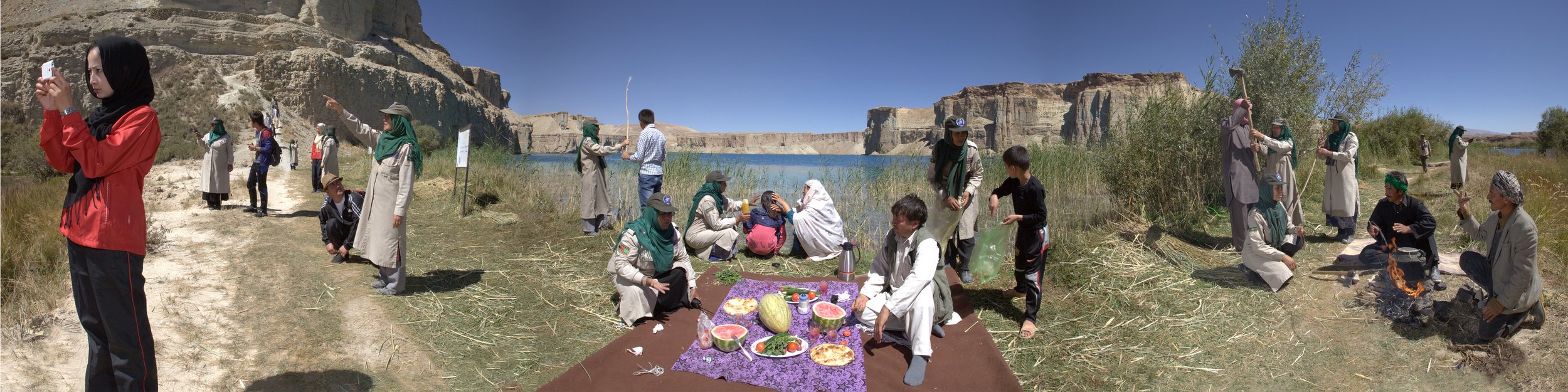
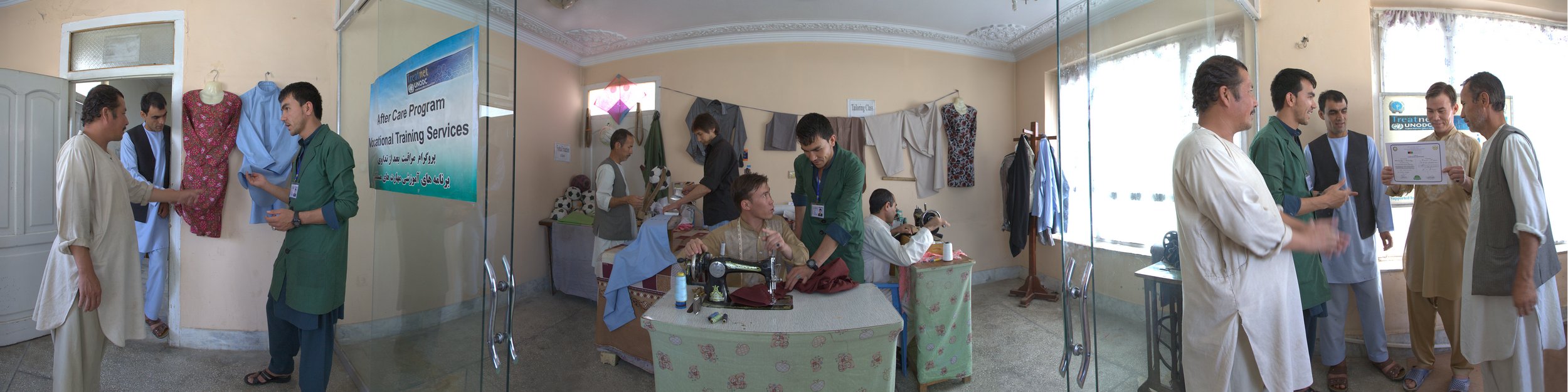
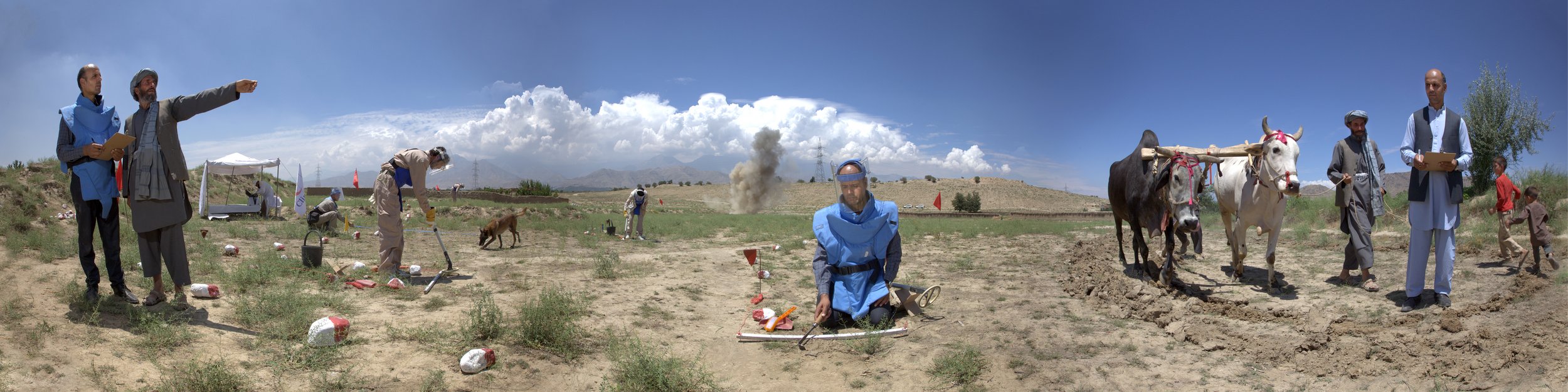
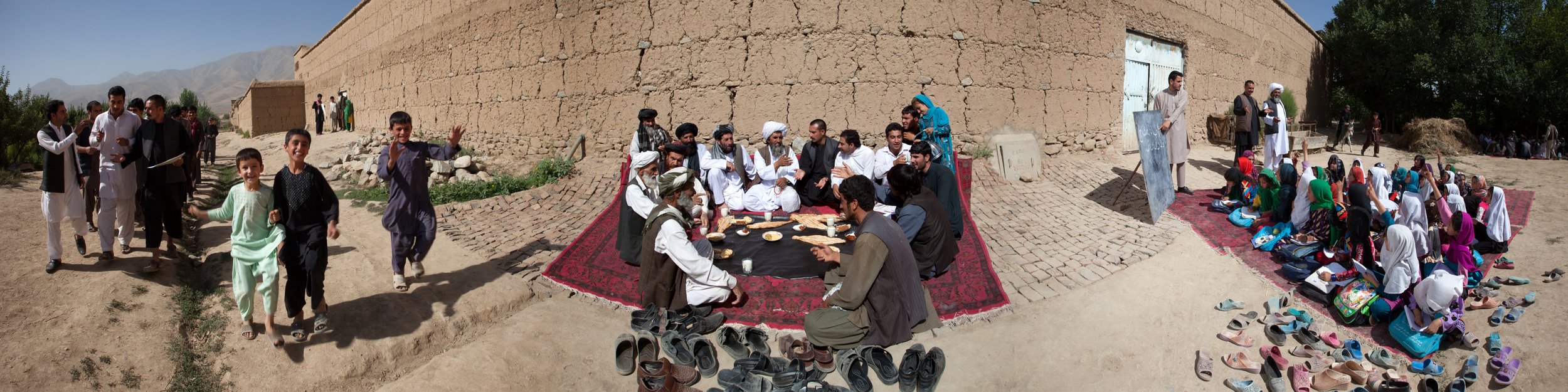
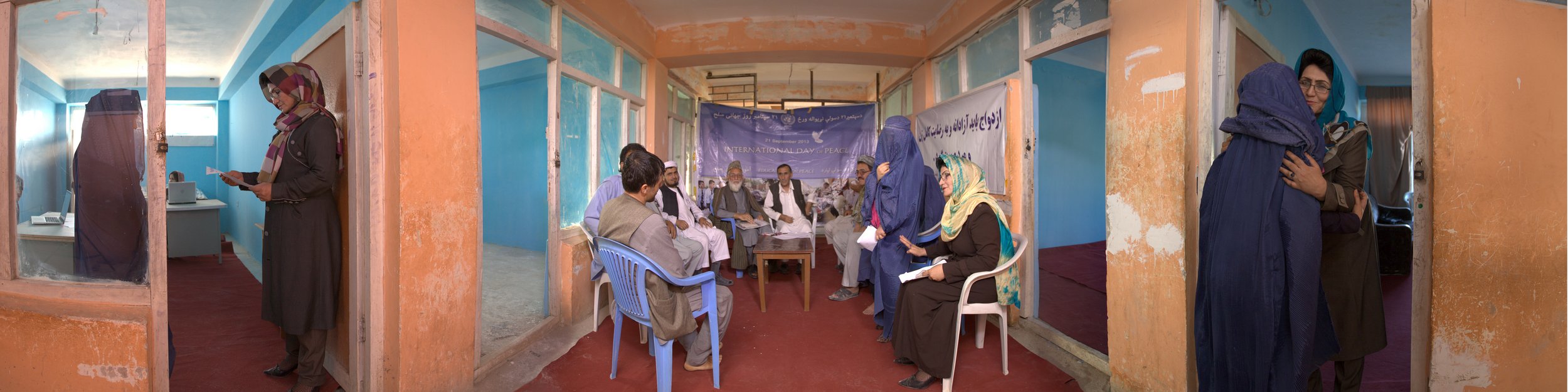
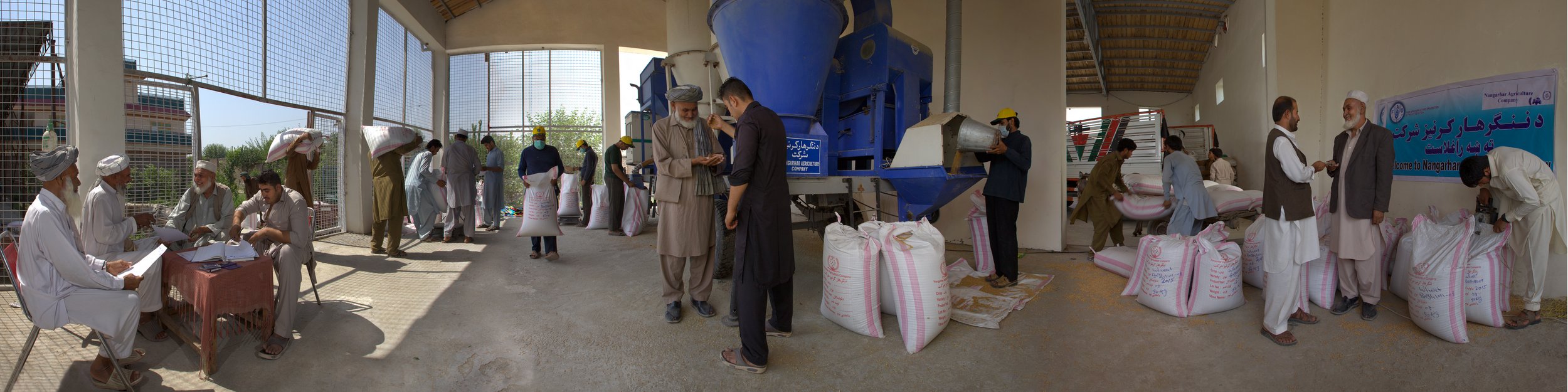
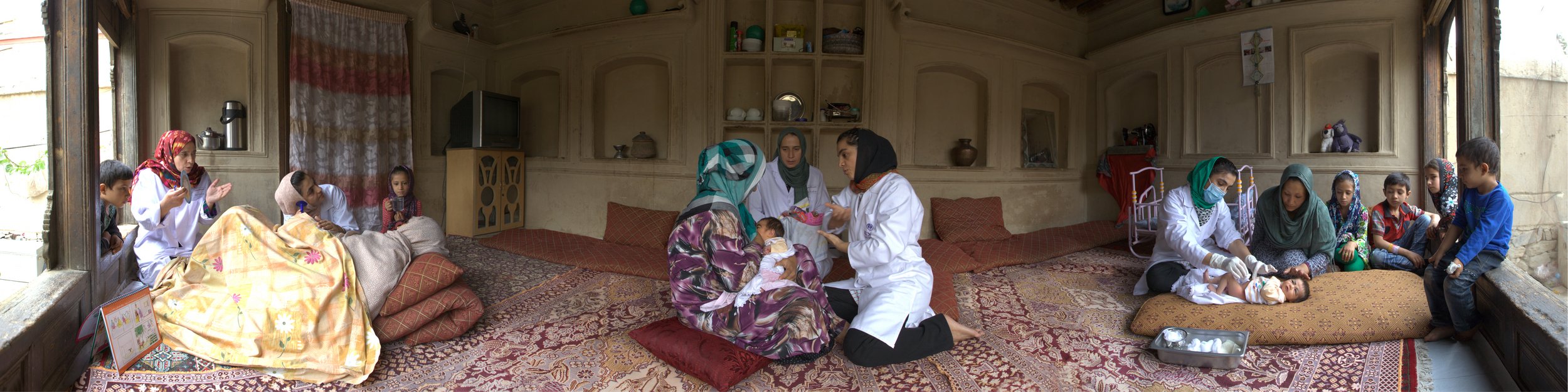
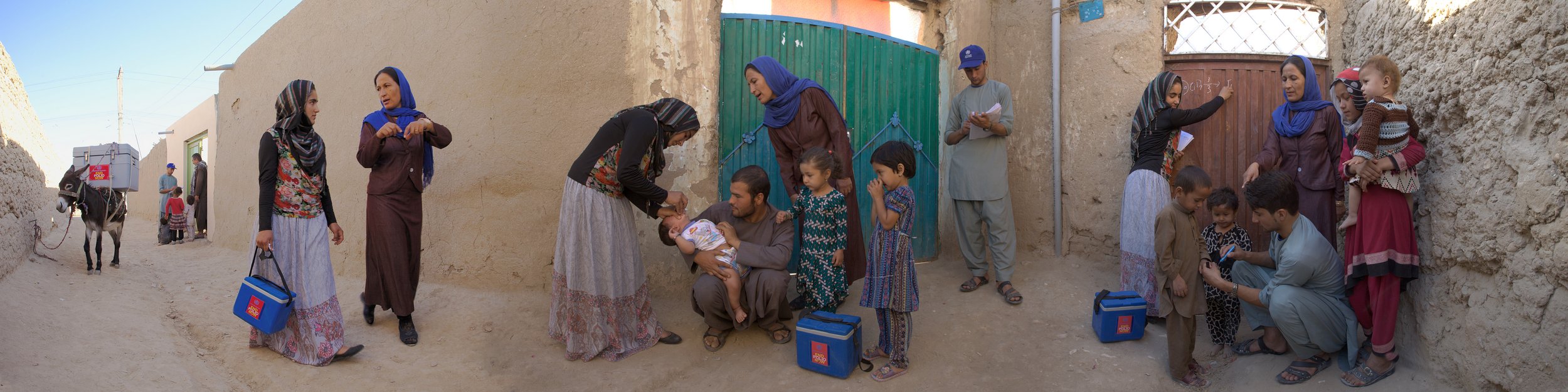
The archived UN Afghanistan website reflects the organization’s broader partnership with Afghan communities and its public storytelling around local contributions. Those stories provide useful context for understanding why water infrastructure is most effective when residents help shape, manage, and protect it.
Why Water Access Shapes Childhood
Children are especially vulnerable when drinking water is contaminated or difficult to reach. Bacteria, parasites, and other pollutants can cause diarrhoeal disease, intestinal infections, and dehydration. Repeated illness can weaken nutrition, interrupt learning, and place additional pressure on families that may already struggle to afford medicine or transport to a clinic.
The burden is often greater for young children, children with disabilities, and households displaced by conflict, drought, or natural disasters. When a nearby source fails, children may be sent to collect water from unprotected streams, shallow pits, or distant wells. These sources can become polluted by animals, waste, flooding, or damaged infrastructure.
Reliable water also protects time. A closer source can reduce the hours children spend carrying containers, particularly girls who frequently take on household water duties. Time saved can be used for school attendance, study, rest, play, and caring for younger siblings without sacrificing their own development.
How A Well Becomes Safe Water
A functioning well begins with choosing the right location. Technical teams assess groundwater conditions, seasonal variation, access routes, land ownership, and the distance from latrines, waste sites, livestock areas, and flood channels. A site that produces water during drilling may still be unsuitable if the supply declines sharply during the dry season or if the source is exposed to contamination.
Construction quality matters as much as water availability. A properly lined borehole, sealed casing, raised platform, drainage channel, and durable hand pump help keep surface pollution away from the groundwater. In some locations, solar-powered pumping and elevated storage can provide a more convenient supply, although these systems require specialized maintenance and replacement parts.
Water testing should take place before a source is opened and at intervals afterward. Testing can identify microbial contamination, excessive salinity, arsenic, fluoride, or other naturally occurring substances. A clear-looking source is not automatically safe, so households need accurate information about treatment, storage, and the limits of each facility.
| Water intervention | Benefit for children | Main condition for success |
|---|---|---|
| Protected borehole | Provides a safer local drinking source | Correct siting, sealing, and routine testing |
| Hand pump | Allows simple, low-energy collection | Spare parts and trained repair workers |
| Solar-powered system | Can serve a larger school or settlement | Reliable equipment, security, and technical support |
| Storage tank and tap stand | Reduces queues and improves distribution | Regular cleaning and fair water management |
| Household water treatment | Adds protection when source quality varies | Affordable supplies and consistent use |
| Hygiene education | Helps prevent contamination after collection | Practical messages reinforced at home and school |
The final link in the chain is household handling. Water can become contaminated after collection if containers are dirty, open, or shared between animals and people. Covered vessels, narrow openings, clean cups, handwashing with soap, and safe water storage are simple measures that extend the value of an investment in a well.
Where Investment Has Greatest Effect
Rural villages, informal settlements, and areas hosting displaced families may face the largest gaps in water service. A single source can serve many households, but demand may rise quickly when families arrive or when nearby infrastructure stops working. Planning must account for population changes rather than designing only for the number of residents present during an initial survey.
Schools are another priority location. A water point on or near school grounds supports drinking, handwashing, cleaning, and toilets. It can also make attendance more realistic for girls, particularly where the absence of private sanitation facilities contributes to missed lessons during menstruation.
Health facilities need dependable water for patient care, infection prevention, cleaning, and maternal services. Linking a community well with a school or clinic may improve value for money, provided that the design protects the needs of each user group and does not create long queues for children.
Local conditions should guide the technology. A hand pump may be the most resilient option in a small village with limited electricity. A larger settlement may need a powered network, multiple collection points, or additional sources to avoid overuse. The best solution is the one communities can operate, repair, afford, and protect over time.
What Reliable Water Changes In Schools
Safe drinking water supports concentration and physical wellbeing during the school day. Children who arrive dehydrated or who avoid drinking because the available source is unsafe may struggle to focus. Water for handwashing can reduce the spread of infections that cause repeated absence among pupils and teachers.
School sanitation must be considered alongside the water point. Toilets without water and handwashing facilities cannot provide a complete hygiene service. Girls need privacy, functioning doors, washing space, and access to menstrual hygiene materials so that water insecurity does not become an additional barrier to attendance.
Teachers can reinforce healthy habits through practical routines rather than occasional messaging. Pupils can learn how to use taps without damaging them, keep collection areas clean, wash hands at key times, and report leaks. These lessons can extend into households when children share information with parents and siblings.
A school well can also become a community asset after lessons end, but shared access requires clear arrangements. Opening hours, queue management, protection of equipment, and responsibility for cleaning should be agreed with families, school staff, and local leadership. Without such agreements, a facility may become contested or deteriorate quickly.
Risks That Can Undermine A Well
Water infrastructure in Afghanistan operates under pressure from drought, falling groundwater levels, floods, insecurity, and difficult transport conditions. A well that works during one season may produce less water later. Climate variability makes it important to monitor both quantity and quality rather than treating construction as the end of the project.
Breakdowns are another common threat to continuity. Pumps need washers, rods, seals, tools, and trained mechanics. If spare parts are available only in a distant city, a minor fault can leave children dependent on unsafe sources for weeks. Local repair capacity and realistic maintenance funds should be built into the original design.
Affordability and inclusion require attention as well. Fees may help cover repairs, yet charges that are too high can exclude the poorest families. Collection points must be accessible to people with disabilities and safe for children who walk without an adult. Women and girls should have meaningful roles in decisions about location, privacy, operating hours, and water quality.
Protection also includes preventing misuse and contamination. Drainage should stop stagnant pools forming around the pump, animals should be kept away from the platform, and waste should not be dumped nearby. Community monitoring can identify these problems early, while technical inspections can address defects that residents cannot see.
Measuring Results And Sustaining Services
A strong water project measures more than the number of wells drilled. Useful indicators include the percentage of days a source is functional, the number of people served, average collection time, water quality results, pump downtime, school attendance, and the participation of women and marginalized households in management.
Baseline information helps partners understand the situation before construction. Follow-up visits can show whether children are using the facility, whether households continue safe storage practices, and whether the system meets demand during dry periods. Transparent reporting also helps communities and donors distinguish between a completed structure and a reliable service.
Community ownership should be practical rather than symbolic. A local water committee may collect a small maintenance contribution, keep a repair fund, record faults, and coordinate with district authorities or an implementing partner. Committee members need clear duties, accessible financial records, and a way to replace inactive equipment caretakers.
Coordination among humanitarian and development actors can prevent duplication and improve continuity. Emergency water trucking may be necessary during a crisis, while longer-term groundwater management, watershed protection, and public investment address the causes of repeated shortages. Wells should fit into district water plans instead of operating as isolated projects.
Priorities For Effective Water Investment
Partners planning or funding wells for Afghan children can focus on the following actions:
- Conduct seasonal groundwater and water-quality assessments before selecting a site.
- Design for the full service chain, including construction, drainage, storage, hygiene, repairs, and monitoring.
- Place water points near schools and health facilities while preserving fair access for surrounding households.
- Train local technicians and maintain a stocked supply of common pump parts within reachable markets.
- Include women, girls, people with disabilities, displaced families, and low-income households in decisions about access and management.
These priorities help shift attention from visible construction to dependable service. A newly drilled well may attract immediate recognition, but its lasting value is measured in safe water available months and years later, including during drought, school terms, and periods of displacement.
Funding should also support independent verification and community feedback. Residents need a safe way to report contamination, exclusion, broken equipment, or misuse of funds. Implementing organizations can then correct problems quickly and publish information that strengthens trust.
Clean water is a foundation for child protection, learning, and public health. When a UN-funded well is carefully planned and maintained, it can reduce exposure to disease, shorten water-collection journeys, and give families greater control over daily life. Continued investment in local capacity, water testing, and accountable maintenance will help turn each source into a durable benefit for Afghan children and their communities. Support evidence-based water, sanitation, and hygiene partnerships that keep these services safe, inclusive, and functioning long after construction is complete.