
Making a Difference
Afghan Child Protection Monitoring: How UN Data Systems Work
Child protection monitoring in Afghanistan depends on careful collection, verification and interpretation of information about children at risk. The work may involve reports of recruitment, family separation, violence, exploitation, child marriage, hazardous labour, school exclusion and the effects of displacement. Each record can help humanitarian teams understand where protection concerns are rising and which services are reaching children.
The United Nations has supported systems that bring together information from field staff, community organisations, health and education workers, protection specialists and affected families. These systems must operate in a difficult environment, where insecurity, restricted movement, limited connectivity and fear of stigma can prevent people from reporting harm. Good monitoring therefore requires more than counting incidents. It requires trusted relationships and safeguards for every child whose experience enters a database.
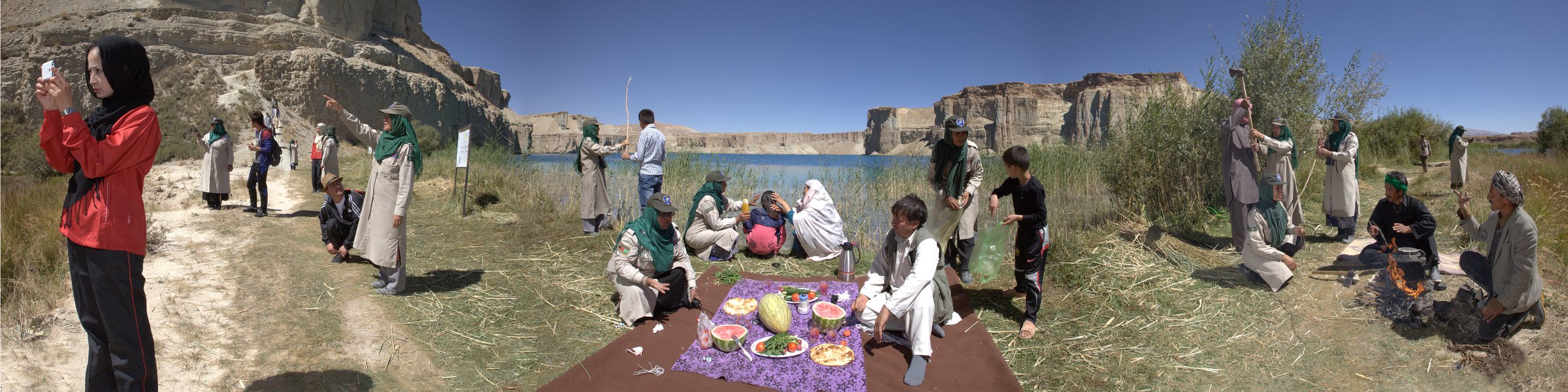
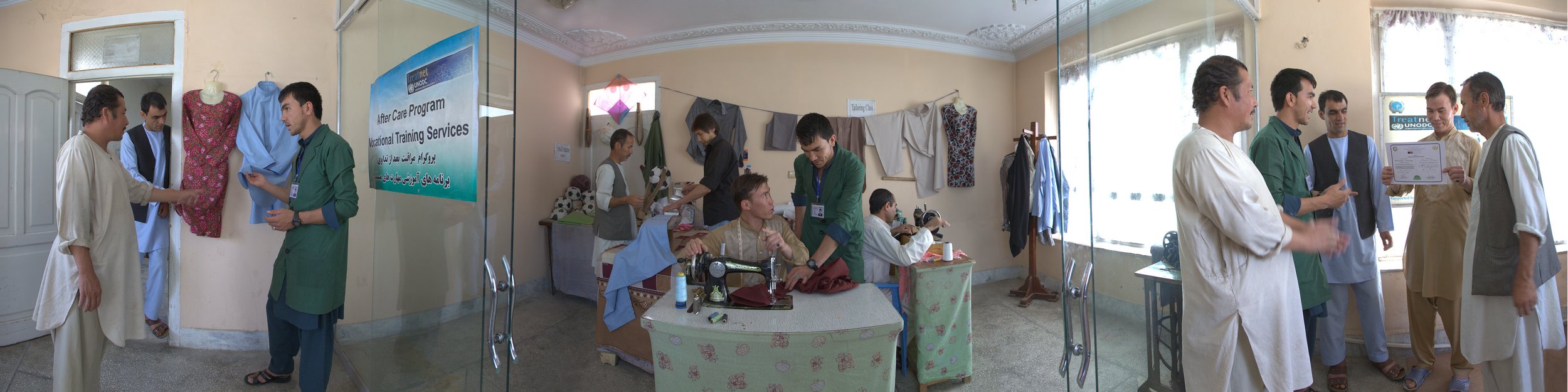
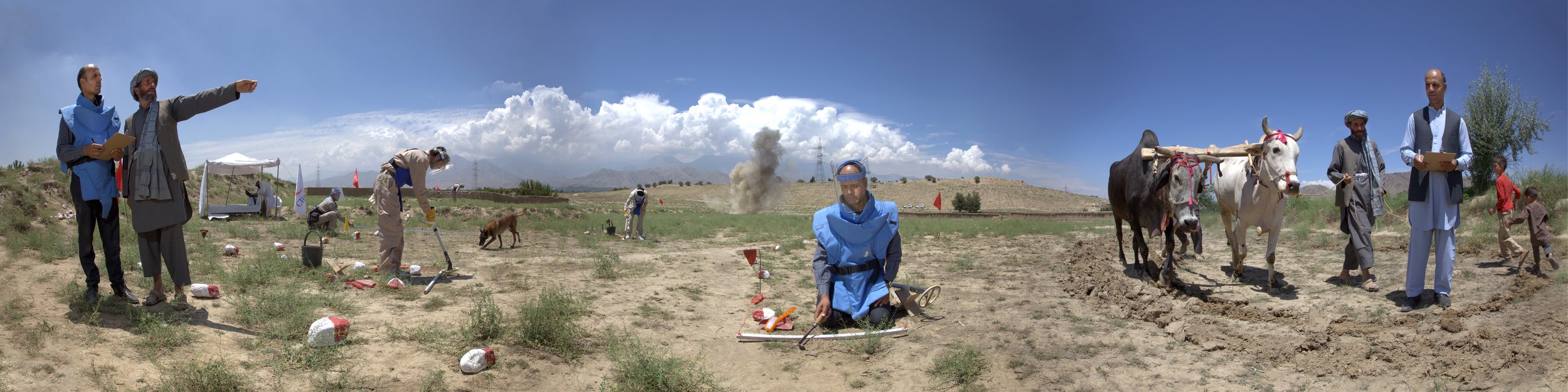
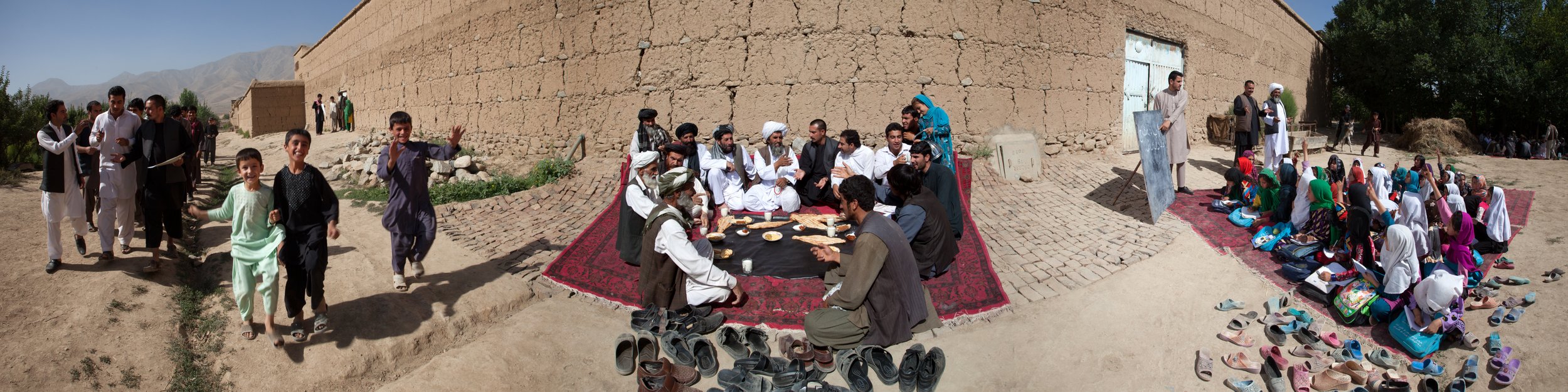
The archived UN Afghanistan website, including material connected with the UN70 “Strong UN. Strong Afghanistan.” campaign, provides useful context for understanding the organisation’s relationship with Afghan communities. Its stories and messages present the UN as a partner working through local participation. That principle is central to child protection data collection: information is most useful when communities can see how it supports practical action.
Why Child Protection Data Matters
Child protection data helps humanitarian agencies identify patterns that are difficult to see through individual casework. A single report may concern one child, while several reports from the same district may indicate a wider problem involving displacement, school access, family poverty or armed-group activity. Monitoring can reveal changes over time and support decisions about safe referrals, outreach, psychosocial support and family assistance.
The data is also used to assess whether children can access services without discrimination. Analysts may compare information by age, gender, disability, location, displacement status and other relevant factors. These categories must be handled carefully. A dataset that leaves out children with disabilities, girls unable to travel freely, or children living in remote areas may create a misleading picture of need.
For Australian readers, the principle is familiar through the work of state and territory child protection departments, community legal centres and organisations such as the Australian Human Rights Commission. Australian systems also recognise that a report is not the same as a proven finding. Afghan monitoring systems require the same distinction between an allegation, a verified incident, a referral and an outcome.
Data can guide funding and advocacy, yet it cannot replace professional judgement. A high number of reports may reflect better access to reporting rather than a sudden increase in harm. A low number may indicate fear, inaccessible services or under-reporting. Interpreting these figures requires knowledge of local conditions, language and community expectations.
How Information Is Collected
UN-supported monitoring commonly uses several information streams rather than relying on one channel. Protection officers may record incidents identified during visits, while partner organisations contribute information from case management, community consultations and service referrals. Children and caregivers may describe risks through confidential interviews, helplines or complaint mechanisms, provided that participation is voluntary and safe.
Community-based protection networks are particularly important in Afghanistan. Teachers, health workers, elders, women’s groups, youth representatives and local civil society organisations often know which families have been displaced, which children have stopped attending school and where services are unavailable. Their observations can provide early warning, although local power dynamics must be considered before treating any account as complete.
Collection methods are adapted to the setting. Paper forms may be necessary where electricity and mobile coverage are unreliable. Digital tools can speed up reporting and reduce transcription errors, but they also create risks if phones are searched, devices are lost or information is transmitted without adequate encryption. A practical system may use offline data entry, controlled synchronisation and strict access permissions.
The quality of a report depends on the wording of questions. Staff should avoid leading questions, repeated interviews and language that blames a child or caregiver. Interpreters require training in confidentiality and sensitive communication. In Australia, organisations often refer to trauma-informed practice and the National Principles for Child Safe Organisations; comparable principles are valuable in Afghan settings, even where the operating environment is very different.
Verification, Analysis And Protection
Monitoring teams usually apply verification procedures before publishing findings or using them for public advocacy. They may compare information from multiple sources, check dates and locations, consult trusted partners and identify whether several reports describe the same event. This process must remain realistic: in an active crisis, complete confirmation may be impossible, and uncertainty should be recorded rather than hidden.
A sound database separates personal case information from aggregated reporting. Names, contact details, exact addresses and other identifying material should be available only to authorised caseworkers who need it for a clear protection purpose. Public reports should use totals, proportions, geographic groupings or carefully anonymised examples. Even apparently harmless details can identify a child in a small village.
The “do no harm” principle is particularly important when reporting violations involving armed actors or powerful local figures. Publishing a precise location or a distinctive family story may expose people to retaliation. Consent must be informed and ongoing, not treated as a signature collected once. Children’s views should be heard in an age-appropriate way, while adults must not assume that a child understands every consequence of disclosure.
Digital safety includes checking where links lead and what information they may expose. An archived campaign page can contain unrelated or outdated material, including an archived web link that should not be mistaken for a current child protection resource or an endorsement by the United Nations. For researchers, this is a useful reminder to preserve source context, review page provenance and avoid treating every item within an old website snapshot as live policy guidance.
Analysis should also account for missing data. If women cannot reach a reporting centre, if children with disabilities are not consulted, or if an area is inaccessible to monitors, the dataset may understate risk. A responsible report explains coverage, limitations, definitions and the period of collection. Transparency makes figures more credible and prevents decision-makers from treating estimates as precise measurements.
Working With Afghan Communities
Community participation is more than asking people to provide information. It means explaining why data is collected, who can access it, how it may be used and what services are available afterward. Communities should have ways to correct errors and raise concerns about staff conduct. Feedback mechanisms need to be accessible to people with low literacy, different languages and limited access to phones.
Afghan communities are diverse, and a single national picture can conceal major differences between provinces, urban settlements, rural districts and displacement sites. Dari and Pashto are widely used, alongside other languages. Gender norms can affect who speaks to a monitor, who can travel to a service and whether a girl’s experience is recorded. Monitoring plans therefore need local advisers and multiple safe ways to participate.
The Afghan diaspora in Sydney, Melbourne and Adelaide can also offer insight into family networks, language and service barriers, though diaspora perspectives should complement rather than replace evidence gathered inside Afghanistan. Australian organisations working with newly arrived Afghan communities often rely on bicultural workers and community leaders. Their experience shows why trust grows when services use familiar languages and explain systems plainly rather than relying on government jargon.
Community engagement must avoid extracting stories for reports without returning benefits. Information should connect to action such as referrals, education support, family tracing, safe spaces, legal assistance or emergency relief. When people repeatedly share painful experiences and see no response, reporting systems can lose legitimacy. Monitoring teams should track whether referrals were completed and whether services were safe and suitable.
This is also where cultural humility matters. Australian practitioners may use familiar terms such as “mandatory reporting”, “case plan” or “risk assessment”, but those terms do not automatically translate into the same expectations in Afghanistan. Training should address local meanings, family structures, religious and social contexts, and the possibility that formal reporting can increase risk if introduced without safeguards.
Turning Findings Into Action
The value of a child protection information system is measured by the decisions it improves. Humanitarian coordinators can use findings to place mobile teams, expand family support, strengthen referral pathways or advocate for access to education. Donors can examine whether funding reaches communities with the greatest protection needs. Authorities and service providers can identify gaps without exposing individual children.
Results should be shared at several levels. Community messages need to be clear, translated and practical. Operational partners may require detailed trend analysis, while public reports should protect identities and avoid language that sensationalises suffering. Senior decision-makers may need a short explanation of what changed, where, how confidently it is known and what action is recommended.
Australian child safety organisations understand the importance of governance, record retention and escalation pathways. A local council in Parramatta, a non-government service in Brisbane or a state agency in Hobart may each have different procedures, yet all need defined responsibility for responding to a concern. Afghan humanitarian systems face greater resource and security constraints, but unclear ownership creates the same basic problem: information is collected and no one acts.
Funding arrangements shape what can be monitored. Short grants may encourage rapid surveys, while long-term support is needed for trained staff, secure technology, supervision and follow-up. The Australian aid market, including procurement by government agencies and large international non-government organisations, often requires detailed monitoring frameworks. Those frameworks should reward data quality and protection outcomes rather than simply the number of forms completed.
The archived UN70 campaign offers a broader lesson about partnership. Strong institutions are built through relationships with people who understand their communities and can challenge assumptions. For child protection monitoring, that means investing in Afghan civil society, women-led organisations, disability advocates, youth participation and local research capacity. International systems are more reliable when local expertise is involved in defining the questions as well as collecting the answers.
Anyone assessing Afghan child protection information should begin with three checks: how the data was gathered, what safeguards were used and what changed because of it. Read the source notes, distinguish verified incidents from reports, examine who may be missing and protect identifying details when sharing findings. Support organisations that combine community accountability with secure case management, and use evidence to strengthen services rather than to expose children to further risk.